What Is Plasma in the Body? A Doctor-Reviewed Answer

Plasma is the liquid component of blood and makes up slightly more than half of its total volume. It is mostly water, but it also contains proteins, electrolytes, nutrients, hormones and waste products.
Key Takeaways
- Plasma is the liquid component of blood and makes up slightly more than half of its total volume.
- It is mostly water, but it also contains proteins, electrolytes, nutrients, hormones and waste products.
- Plasma transports red cells, white cells and platelets while helping regulate circulation and fluid balance.
- Changes in plasma-related blood tests can have many causes and should be interpreted alongside symptoms and other results.
- Urgent medical assessment is appropriate for signs of severe bleeding, a serious allergic reaction, confusion, chest pain or trouble breathing.
Plasma is the pale-yellow liquid portion of blood. It is essential for transporting blood cells and important substances around the body, helping to maintain blood volume, support clotting and contribute to immune defense.
What Is Plasma in the Body?
Plasma is the clear, pale-yellow liquid part of blood. It carries blood cells and dissolved substances through the circulation, allowing oxygen, nutrients, hormones and immune components to reach tissues while carrying waste products away for removal.
For most people, plasma is not something they notice or need to worry about in daily life. Doctors may discuss plasma when explaining a blood test, dehydration, bleeding, liver or kidney concerns, immune conditions, or a treatment involving plasma products. An abnormal laboratory value does not automatically mean there is a serious illness; results need to be considered with a person’s symptoms, medical history and other tests.
Whole blood has two broad components: plasma and formed elements. The formed elements are red blood cells, white blood cells and platelets. If a blood sample is processed in a laboratory so these cells settle away, plasma remains as the liquid layer above them.
What Does Plasma Contain?
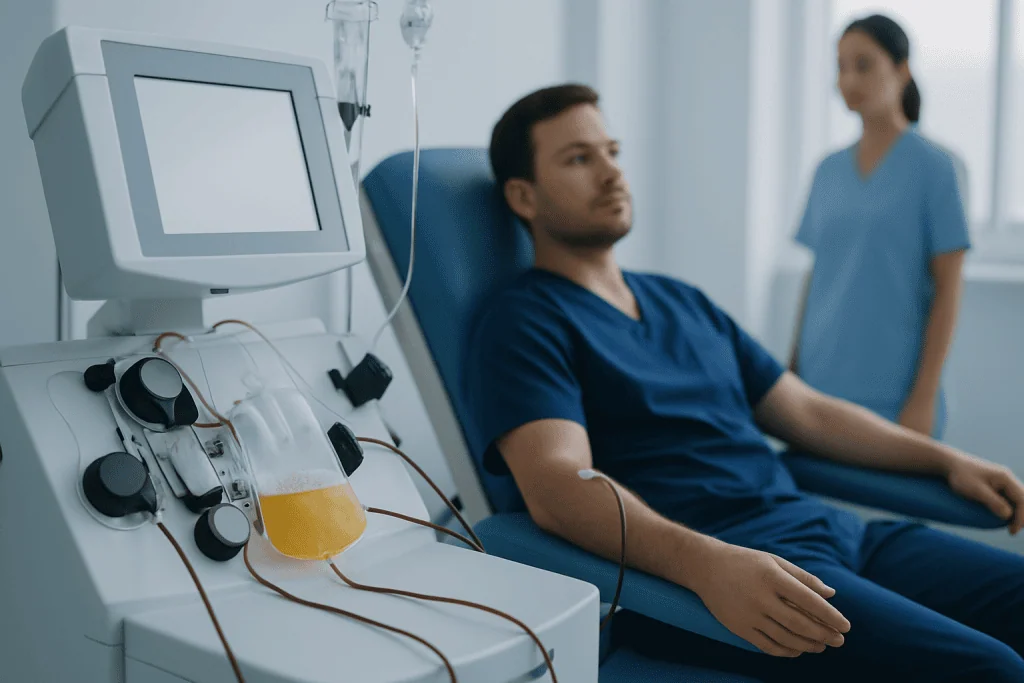
Water accounts for about 90% of plasma. This water-based environment helps blood flow through vessels and provides a medium in which many substances can dissolve and travel. The remaining portion includes proteins, mineral salts called electrolytes, nutrients, gases, hormones and metabolic waste products.
Plasma proteins have particularly important roles. Albumin helps keep fluid inside blood vessels and carries substances such as medications, hormones and fatty acids. Globulins include antibodies and other proteins involved in immune function. Fibrinogen and other clotting factors support the body’s ability to form blood clots when a vessel is injured.
Plasma also carries glucose, fats, amino acids and vitamins from the digestive system or storage sites to cells that need them. It transports substances such as carbon dioxide, urea and bilirubin toward the lungs, kidneys, liver and other organs that process or remove them. The precise content of plasma changes throughout the day in response to eating, drinking, activity, medicines and health conditions.
How Plasma Supports the Body

One of plasma’s central jobs is transportation. Red blood cells float within plasma and deliver oxygen from the lungs to tissues. Plasma then helps carry a portion of carbon dioxide from tissues back toward the lungs. White blood cells and platelets also circulate in plasma, enabling immune responses and clotting to occur where they are needed.
Plasma helps maintain blood pressure and circulating blood volume. Water and proteins, especially albumin, influence how fluid moves between blood vessels and surrounding tissues. When this balance is disturbed, fluid may collect in tissues, causing swelling, or the circulation may have too little effective volume, as can happen with substantial fluid loss.
It also contributes to acid-base balance, temperature regulation and clotting. Plasma distributes heat around the body and contains buffers that help keep blood acidity within a narrow range. Its clotting factors work with platelets and blood vessel walls to limit bleeding after injury while the body repairs damaged tissue.
Plasma, Serum and Blood Cells: What Is the Difference?
Plasma and serum are related but not identical. Plasma is collected from blood that has been treated with an anticoagulant, a substance that prevents clotting. Because clotting has been prevented, plasma still contains fibrinogen and many other clotting proteins.
Serum is the liquid left after blood has been allowed to clot and the clot has been removed. It does not contain fibrinogen because that protein was used during the clotting process. Laboratories choose plasma or serum depending on which test is being performed.
Plasma should also not be confused with blood cells. Red blood cells carry most oxygen, white blood cells are involved in immune defense, and platelets help initiate clot formation. All of these cells circulate suspended in plasma. Together, the liquid and cellular parts make up whole blood.
Why Doctors May Test Plasma-Related Values
Many routine blood tests are performed on plasma or serum. Depending on the clinical question, a doctor may assess electrolytes, glucose, kidney function markers, liver-related markers, proteins, clotting tests, cholesterol and triglycerides, or markers of inflammation. These results can help evaluate hydration, nutrition, organ function, metabolism and other aspects of health.
A total protein or albumin result may be ordered when a person has unexplained swelling, fatigue, weight changes, digestive symptoms, liver concerns or kidney concerns. Clotting studies may be used when there is unusual bruising, bleeding, a planned procedure, certain medication use or suspected liver disease. No single test usually provides a complete diagnosis.
If a result is outside the laboratory reference range, the doctor commonly reviews current symptoms, medical conditions, alcohol intake, diet, medicines and supplements. They may repeat the test, order a complete blood count, urine tests or more specific blood studies, or request imaging when appropriate. This stepwise approach helps distinguish temporary changes, such as dehydration, from conditions that need targeted care.
Plasma Donation and Medical Plasma Products
People can donate plasma through a process called plasmapheresis. During donation, blood is drawn into a machine that separates plasma from the cellular components; the red cells, white cells and platelets are returned to the donor with replacement fluid. Donation centers screen donors carefully, and eligibility requirements vary by location and individual health status.
Donated plasma can be used directly in selected clinical situations or processed to produce medicines. These plasma-derived products may include clotting factor concentrates, immunoglobulins and albumin. They can be important treatments for certain bleeding disorders, immune deficiencies, severe burns and other specific medical needs.
Fresh frozen plasma may be given in hospital when a patient has significant bleeding or needs replacement of multiple clotting factors. It is not routinely used simply to improve nutrition or correct minor laboratory changes. As with any transfusion product, clinicians weigh potential benefits and risks carefully and use compatibility testing and safety procedures.
When to Seek Medical Care
Most questions about plasma arise from routine testing and can be discussed at a non-urgent medical appointment. A doctor can explain whether a result is meaningful in context and whether follow-up is needed. People should avoid trying to correct a blood protein, electrolyte or clotting result with supplements or major diet changes without professional advice.
Prompt medical assessment is important for unexplained or persistent swelling, yellowing of the skin or eyes, dark urine, frequent unusual bruising, repeated nosebleeds, blood in vomit or stool, or heavy bleeding. These symptoms can have a range of causes, and timely assessment helps identify the appropriate next step.
Emergency care is needed for severe or uncontrolled bleeding, coughing or vomiting blood, black tar-like stools, sudden confusion, fainting, chest pain, severe weakness, or difficulty breathing. These symptoms require urgent evaluation regardless of whether a person has had prior blood test changes. Acibadem International’s multidisciplinary specialists and JCI-accredited hospitals can evaluate blood-related concerns and coordinate care for international patients.
Frequently asked questions
Is plasma the same as blood?
Plasma is one component of blood, not the same as whole blood. Whole blood consists of plasma plus red blood cells, white blood cells and platelets. Plasma is the liquid that carries these cells and many dissolved substances through the body.
What color is plasma?
Normal plasma is usually clear to pale yellow. Its color can vary somewhat depending on hydration, diet, medications and naturally occurring substances in the blood. A laboratory professional evaluates unusual appearance in the context of testing and clinical information.
What is the main function of plasma?
Plasma’s main function is transport. It carries blood cells, nutrients, hormones, proteins and waste products throughout the body. It also helps maintain blood volume, fluid balance, clotting and acid-base balance.
Can dehydration affect plasma blood tests?
Yes. Dehydration can reduce the water portion of plasma and make some blood components appear more concentrated. Drinking enough fluid may help prevent temporary changes, but people should follow any fasting or fluid instructions given before a test.
What does low plasma protein mean?
Low blood protein can occur for several reasons, including inadequate nutrition, liver disease, kidney conditions, digestive disorders, inflammation or fluid changes. It cannot be diagnosed from one result alone. A doctor may review albumin and other tests, symptoms and medical history to identify the likely cause.
Is donating plasma safe?
For eligible donors, plasma donation is generally performed under regulated screening and safety procedures. Some people may experience temporary effects such as bruising, lightheadedness or tiredness. Anyone considering donation should discuss eligibility, medications and medical conditions with the donation center or their doctor.
This article is for general information only and is not a substitute for professional medical advice. Please consult a qualified doctor about your individual situation.
Explore treatments in Turkey — costs, top hospitals & a free quote
JCI-accredited · board-certified surgeons · reply within 24h
Add us as a Preferred Source to see more of our trusted health content across Google Search, AI Overviews and Discover.
Check your numbers in seconds
BMI, calories, due date, blood pressure and 30+ more clinical calculators — free, instant, doctor-reviewed ranges.

More from the Health Library

Headache Eyesight Blurry: Common Causes, Related Conditions, and When to See a Doctor

Is Chicken Salad Healthy? A Doctor-Reviewed Answer

Sympathy Pains Explained: Common Triggers and Red Flags

Do Beets Make Urine Turn Red? Here Is What the Evidence Says

Is Balsamic Vinegar Healthy? Here Is What the Evidence Says