How Much Viagra Should I Take the First Time? Causes, Explanations, and Next Steps

A 50 mg dose is commonly prescribed as a starting point for erectile dysfunction, but individual dosing varies. Viagra should be taken only as prescribed and no more than once in 24 hours.
Key Takeaways
- A 50 mg dose is commonly prescribed as a starting point for erectile dysfunction, but individual dosing varies.
- Viagra should be taken only as prescribed and no more than once in 24 hours.
- It must not be used with nitrate medicines or riociguat because blood pressure can fall dangerously low.
- A heavy meal, excess alcohol, stress, and insufficient stimulation can make the medicine seem less effective.
- Persistent erection problems can be a sign of an underlying health condition and deserve a medical review.
For many adults prescribed Viagra, the usual first dose is 50 mg taken about one hour before sexual activity. However, the safest first dose can be 25 mg, 50 mg, or occasionally another clinician-directed plan, depending on age, medical conditions, side-effect risk, and other medicines.
How Much Viagra Should I Take the First Time?
For many adults using Viagra for erectile dysfunction, a clinician commonly prescribes 50 mg as the first dose, usually taken about one hour before sexual activity. The medicine may be taken from around 30 minutes to 4 hours beforehand. It works only with sexual stimulation and does not automatically cause an erection.
The right first dose is not the same for everyone. A doctor may recommend 25 mg for someone who is older, has liver or kidney impairment, takes certain interacting medicines, or is more likely to experience side effects. In some cases, a dose may later be adjusted based on effectiveness and tolerability, but Viagra should not be increased without prescriber guidance.
Viagra is the brand name for sildenafil when used for erectile dysfunction. It is generally taken only when needed, and it should not be taken more than once in a 24-hour period. Taking more than prescribed does not reliably improve results and increases the chance of unwanted effects.
Why the First Dose May Differ Between People
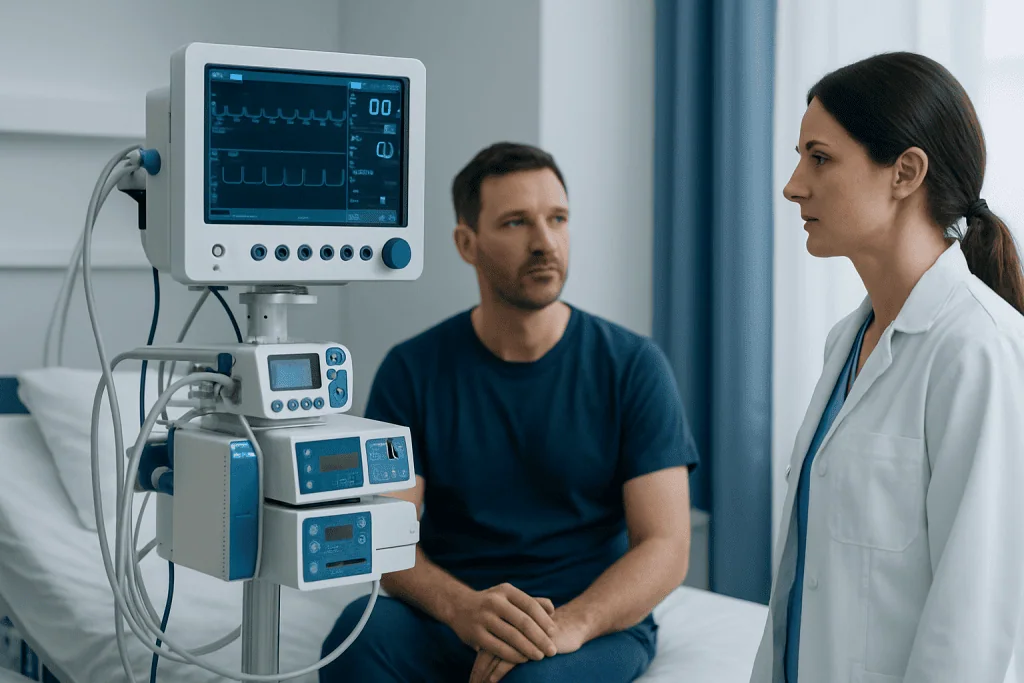
Doctors select a sildenafil dose by considering a person’s overall health, erectile symptoms, current medicines, and previous reactions to similar treatments. Age alone does not determine whether a person can use Viagra, but older adults may process the medicine more slowly and may benefit from a lower starting dose.
Liver disease, severe kidney disease, and medicines that affect how sildenafil is broken down can raise the level of Viagra in the body. Examples include certain antifungal medicines, antibiotics, HIV medicines, and other treatments. A prescriber or pharmacist can check for interactions and decide whether a lower dose or a different treatment is more appropriate.
Cardiovascular health also matters. Sexual activity itself places some demand on the heart, and erectile difficulties may sometimes occur alongside high blood pressure, diabetes, high cholesterol, smoking-related blood vessel disease, or emotional stress. A medication review helps ensure that treatment is both appropriate and safe.
How to Take Viagra Safely and Get the Best Effect

Viagra is usually swallowed with water before anticipated sexual activity. It can be taken with or without food, but a high-fat meal may slow absorption and delay the effect. Planning ahead and allowing adequate time can help avoid assuming the medicine has failed too early.
Alcohol can reduce the ability to get or maintain an erection and may increase dizziness or light-headedness when combined with Viagra. Limiting alcohol is therefore sensible. Recreational substances, especially “poppers” containing nitrates, must not be used with Viagra because the combination can cause a dangerous fall in blood pressure.
It is also important to have realistic expectations. Anxiety, relationship concerns, fatigue, pain, insufficient sexual stimulation, and timing can all affect the response. A single unsuccessful attempt does not necessarily mean the dose is wrong. Rather than taking an extra tablet, the person should discuss the result with the clinician who prescribed it.
- Take only the prescribed amount and no more than once daily.
- Do not combine Viagra with other erectile dysfunction medicines unless a doctor specifically advises it.
- Do not share prescribed medication with another person.
- Seek medical advice before using supplements marketed for sexual performance, as ingredients and interactions may be uncertain.
Who Should Not Take Viagra or Needs Extra Caution?
Viagra should not be used by anyone taking nitrate medicines, such as nitroglycerin or isosorbide, which may be prescribed for chest pain or heart disease. It should also not be taken with riociguat, a medicine used for certain forms of <a href="https://acibademinternational.com/diseases/pulmonary-hypertension/”>pulmonary hypertension. These combinations can lower blood pressure to an unsafe level.
People who use alpha-blockers for prostate symptoms or blood pressure may be able to use sildenafil in some circumstances, but careful medical guidance is needed because blood pressure may fall. Those with recent serious heart problems, very low blood pressure, uncontrolled high blood pressure, significant liver or kidney disease, or certain eye conditions should speak with a clinician before treatment.
Viagra is not appropriate for every cause of erection difficulty. For example, some people may need assessment for hormonal changes, medication side effects, nerve problems, depression, or vascular disease. A clinician can help identify whether sildenafil is suitable and discuss other evidence-based options if it is not.
Common Side Effects and Important Warning Signs
Many people tolerate Viagra well. Common side effects can include headache, facial flushing, indigestion, nasal congestion, dizziness, and temporary changes in vision, such as a blue tinge or increased sensitivity to light. These effects are often mild and short-lived, but a doctor should be informed if they are persistent, severe, or troubling.
Rarely, sildenafil can cause more serious problems. Urgent medical care is needed for chest pain, fainting, severe dizziness, sudden loss or marked reduction of vision or hearing, or an allergic reaction with swelling or difficulty breathing. If chest pain occurs after taking Viagra, the person should tell emergency clinicians when the dose was taken and should not use nitrates unless specifically directed by emergency professionals.
An erection lasting more than 4 hours requires urgent medical attention, even if it is not painful. Prompt treatment is important to protect erectile function. This uncommon complication is called priapism and is more likely in some blood disorders or when erectile medications are misused.
When to Seek Medical Care for Erectile Difficulties
Occasional difficulty getting or keeping an erection is common and can be related to stress, tiredness, alcohol, illness, or temporary relationship concerns. It is usually not an emergency. However, recurrent symptoms, a noticeable change in sexual function, or difficulties that are causing distress are good reasons to arrange a non-urgent medical appointment.
Medical review is especially important when erection problems occur with reduced exercise tolerance, chest discomfort, shortness of breath, diabetes, high blood pressure, high cholesterol, or symptoms of low mood. Erectile dysfunction can sometimes be an early sign of blood vessel disease, so addressing it can support wider health as well as sexual wellbeing.
A doctor may ask about the timing and pattern of symptoms, morning erections, emotional wellbeing, lifestyle, relationships, and medication use. Assessment may include blood pressure measurement and, when appropriate, blood tests for blood sugar, cholesterol, testosterone, kidney function, or other relevant factors. This approach helps identify treatable contributors rather than simply changing a tablet dose.
Next Steps: Safe, Individualized Treatment
People should obtain Viagra through a qualified clinician and a legitimate pharmacy. A consultation allows the prescriber to confirm whether sildenafil is safe, choose an appropriate starting dose, and explain what to expect. It also reduces the risk of counterfeit products or medicines that contain undisclosed ingredients.
If the first prescribed dose is not effective or causes side effects, the next step is to contact the prescriber rather than self-adjusting. The clinician may review timing, food and alcohol intake, sexual stimulation, medication interactions, and underlying health factors. Depending on the situation, they may adjust treatment or discuss alternatives.
Helpful long-term measures can include regular physical activity, stopping smoking, moderating alcohol, managing sleep and stress, and addressing blood pressure, diabetes, and cholesterol where needed. Acibadem International’s multidisciplinary specialists and JCI-accredited hospitals can assess erectile difficulties and discuss suitable treatment options for international patients.
Frequently asked questions
Is 50 mg of Viagra a normal first dose?
Yes. For many adults with erectile dysfunction, 50 mg is a commonly prescribed starting dose. A clinician may instead prescribe 25 mg when there is a greater risk of side effects, relevant medical conditions, or interacting medicines.
Can I take 100 mg of Viagra the first time?
A 100 mg dose is not usually the routine first dose. It may be considered later by a prescriber for some people when a lower dose has not worked well and has been tolerated, but it should not be self-selected or taken in addition to another dose.
How long before sex should Viagra be taken?
Viagra is often taken about one hour before sexual activity, although it may work when taken roughly 30 minutes to 4 hours beforehand. A heavy or high-fat meal can delay how quickly it begins to work.
Why did Viagra not work the first time?
A first attempt may be affected by timing, a heavy meal, alcohol, anxiety, fatigue, or inadequate sexual stimulation. The medicine does not create desire or cause an erection without stimulation, and an unsuccessful attempt should be discussed with the prescriber rather than followed by an extra dose.
Can Viagra be taken every day?
Viagra for erectile dysfunction should generally not be taken more than once in 24 hours. Some people may use it on different schedules under medical direction, but the exact plan depends on their health, other medicines, and the product prescribed.
Who should never take Viagra?
People taking nitrate medicines for chest pain or heart disease should not take Viagra, and neither should people taking riociguat. Anyone with significant heart disease, very low blood pressure, recent cardiovascular events, serious liver or kidney disease, or certain eye conditions should obtain individualized medical advice first.
References
- U.S. Food and Drug Administration
- National Health Service
- Mayo Clinic
- American Urological Association
- European Association of Urology
This article is for general information only and is not a substitute for professional medical advice. Please consult a qualified doctor about your individual situation.
Explore treatments in Turkey — costs, top hospitals & a free quote
JCI-accredited · board-certified surgeons · reply within 24h
Add us as a Preferred Source to see more of our trusted health content across Google Search, AI Overviews and Discover.
Check your numbers in seconds
BMI, calories, due date, blood pressure and 30+ more clinical calculators — free, instant, doctor-reviewed ranges.