Cancer Fighting Foods: What the Clinical Research Actually Says
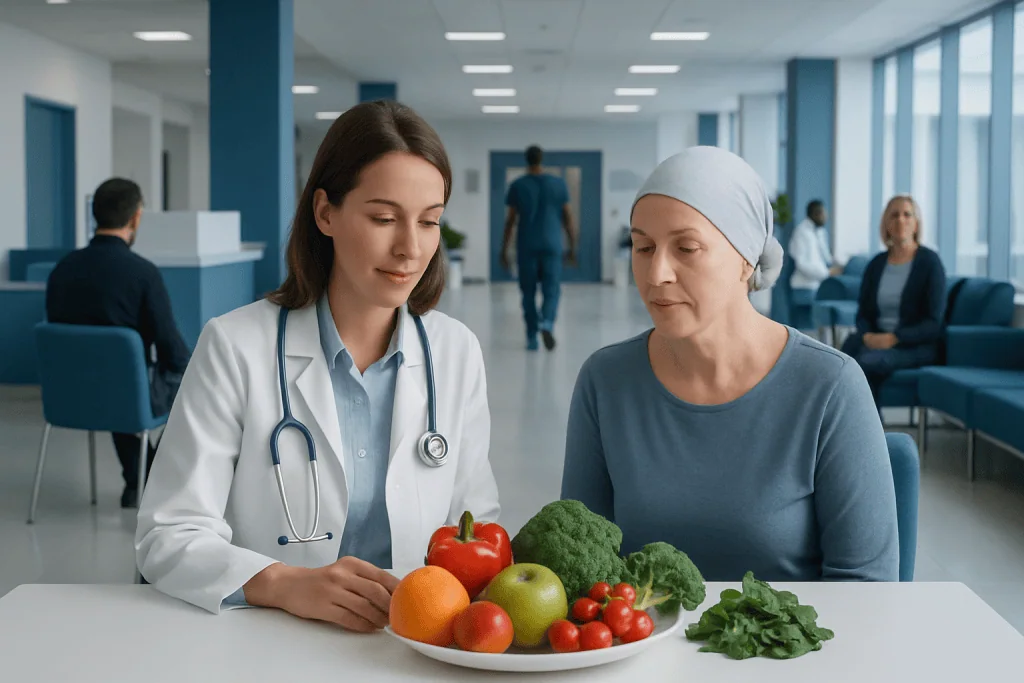
No food, supplement or diet has been proven to cure cancer or replace medical treatment. The strongest evidence supports overall eating patterns rather than individual “superfoods.”
Key Takeaways
- No food, supplement or diet has been proven to cure cancer or replace medical treatment.
- The strongest evidence supports overall eating patterns rather than individual “superfoods.”
- Plant foods provide fiber, vitamins and bioactive compounds that may contribute to lower risk of some cancers.
- Alcohol, processed meat, excess body weight and highly processed dietary patterns can increase cancer risk.
- People receiving cancer treatment may need individualized nutrition advice because some foods and supplements can cause side effects or interact with treatment.
Cancer fighting foods are not a single group of foods that can prevent or cure cancer on their own. Clinical research supports an overall dietary pattern rich in vegetables, fruit, whole grains, beans and other minimally processed foods as one part of cancer risk reduction and supportive care.
What Are Cancer Fighting Foods?
The phrase “cancer fighting foods” is widely used to describe foods containing nutrients, fiber and naturally occurring plant compounds that may support health and potentially lower the risk of certain cancers. It does not refer to foods that destroy cancer cells in people or that can reliably treat an established cancer. Laboratory findings about a compound in a food are useful for research, but they do not necessarily show that eating that food prevents or treats cancer in clinical practice.
Current evidence is strongest for dietary patterns. A pattern centered on vegetables, fruit, beans, lentils, whole grains, nuts and seeds, while limiting alcohol, processed meat and highly processed foods, is associated with better overall health and may reduce the risk of several cancers. These foods work within a broader context that includes body weight, physical activity, tobacco exposure, sleep, medical history and access to recommended screening.
For a person who has cancer, food remains important for maintaining strength, supporting recovery and helping manage treatment effects. However, nutrition should complement, not delay or replace, surgery, radiotherapy, systemic treatments or other care recommended by an oncology team.
What Clinical Research Supports

Large population studies and evidence reviews consistently support diets high in dietary fiber and plant foods for cancer prevention. Fiber-rich foods, especially whole grains, are associated with a lower risk of colorectal cancer. Fiber supports regular bowel function, helps nourish beneficial gut bacteria and may reduce the time potentially harmful substances remain in contact with the bowel lining.
Vegetables and fruits supply vitamins, minerals, fiber and a wide range of phytochemicals, such as carotenoids and polyphenols. These compounds can influence inflammation, oxidative stress and cell signaling in laboratory research. In people, however, it is difficult to separate the effects of one food or nutrient from the benefits of the overall diet and lifestyle of those who eat it. This is why clinical guidance emphasizes variety rather than a short list of specific foods.
Evidence also supports limiting exposures that raise risk. Processed meat is linked with colorectal cancer, and alcohol increases the risk of several cancers, including cancers of the mouth, throat, liver, breast and bowel. Maintaining a weight that is appropriate for the individual and being physically active are also important, because excess body fat is linked with a higher risk of multiple cancer types.
- Choose a variety of colorful vegetables and fruits across the week.
- Make whole grains, beans, lentils and other high-fiber foods regular choices.
- Prefer fish, poultry, beans or lentils more often than processed or large portions of red meat.
- Limit or avoid alcohol for cancer prevention.
What Research Does Not Support

Clinical research does not support claims that any single food can “starve” cancer, detoxify the body, alkalize the blood or cure malignancy. Claims about foods such as garlic, turmeric, green tea, berries or cruciferous vegetables often arise from laboratory or animal studies. These foods can be nutritious parts of a balanced diet, but results obtained with concentrated extracts or isolated substances do not prove the same effect from ordinary food portions in humans.
There is also no reliable evidence that restrictive diets, juice cleanses, prolonged fasting or extreme low-carbohydrate diets can cure cancer. Such approaches can lead to inadequate calorie, protein and nutrient intake, especially in people with reduced appetite, weight loss, swallowing problems, diarrhea or nausea. Unplanned weight loss and muscle loss can make treatment and recovery more difficult.
Antioxidant supplements should not be assumed to be harmless or beneficial during cancer treatment. High-dose supplements may act differently from antioxidants in foods and can interfere with some medicines or treatments. A doctor, oncology dietitian or pharmacist should review all vitamins, minerals, herbal products, powders and concentrated extracts before they are started.
Foods and Dietary Patterns to Prioritize
A practical cancer-conscious eating pattern does not require unusual products. It usually includes vegetables at most meals, whole fruit instead of frequent fruit juice, whole-grain bread or cereals, oats, brown rice, beans, lentils, nuts and seeds. These choices can increase fiber intake and provide a broad mixture of nutrients without relying on high-dose supplements.
Cruciferous vegetables such as broccoli, cabbage, cauliflower and kale, as well as leafy greens, tomatoes, carrots, berries, citrus fruit and legumes, are often described as cancer fighting foods. It is reasonable to include them regularly if they are tolerated and locally available. The goal is diversity: different plant foods contain different types and amounts of fiber and micronutrients.
Protein is also essential, particularly during cancer treatment or recovery. Depending on personal needs and medical advice, useful sources may include beans, lentils, eggs, fish, poultry, yogurt, soy foods and lean meats. Healthy fats from olive oil, avocado, nuts and seeds can help add energy to meals, which may be especially helpful when appetite is limited.
Cooking methods matter less than the overall pattern, but frequent charring or burning of meat should be avoided. Baking, steaming, stewing, roasting and grilling without burning are generally practical options. Food safety is equally important: produce should be washed, foods should be stored safely, and people with a weakened immune system may need additional guidance about raw or undercooked foods.
Nutrition During Cancer Treatment
Nutritional needs can change during chemotherapy, radiotherapy, surgery, immunotherapy or other cancer treatments. Some people need more protein and calories to prevent weight loss, while others need adjustments for diabetes, kidney disease, bowel surgery or digestive symptoms. There is no single cancer diet that is suitable for everyone.
When nausea, fatigue, mouth soreness, altered taste, constipation or diarrhea occurs, the best food choices may be those that are easiest to tolerate. Smaller, more frequent meals can be helpful. Soft, cool foods may be easier for a sore mouth; bland foods may be better during nausea; and fluids and electrolyte-containing drinks may be needed when vomiting or diarrhea is significant. A clinician should be consulted if symptoms persist or intake becomes difficult.
People should tell their oncology team about all supplements and herbal preparations, including teas, mushroom products and concentrated turmeric, green tea or garlic products. Some may affect bleeding risk, liver function, blood sugar or how medications are processed. Grapefruit and grapefruit juice can also interact with certain medicines, so individual advice is important.
An oncology dietitian can help create a plan that respects cultural food preferences, treatment goals and symptoms. Acibadem International’s multidisciplinary specialists and JCI-accredited hospitals can assess cancer-related nutrition concerns alongside medical treatment for international patients.
Side Effects, Interactions and Who Should Take Extra Care
Whole foods are generally safe for most people, but “natural” does not always mean risk-free. A sudden large increase in fiber can cause bloating, gas, cramping or loose stools, particularly in people who are not used to high-fiber meals. Fiber should usually be increased gradually, with adequate fluid intake, unless a clinician has advised fluid restriction.
People with bowel narrowing, a bowel obstruction, severe diarrhea, active inflammatory bowel symptoms or certain postoperative dietary restrictions may need to limit raw vegetables, seeds, skins or high-fiber foods temporarily. Those with kidney disease may need personalized advice about potassium, phosphorus, protein and fluid intake. People taking blood-thinning medicines should avoid making abrupt, major changes to vitamin K-rich foods without discussing this with their clinician.
Raw sprouts, unpasteurized milk or juice, undercooked eggs, meat, fish and shellfish can carry infection risks. These foods may be particularly unsuitable for people with significant immune suppression from cancer treatment. Food safety recommendations should be individualized according to the treatment plan and blood test results.
Restrictive diets should be avoided without professional supervision in children, older adults, people who are underweight, pregnant people, and anyone with cancer-related weight or muscle loss. Their nutritional needs may be higher, and overly limited eating can cause harm even when the diet is intended to be healthy.
When to Seek Medical Care
Nutrition questions should be raised with a doctor or dietitian before beginning a restrictive diet, fasting plan, supplement regimen or herbal product, especially during cancer treatment. Prompt medical advice is important for unintentional weight loss, persistent poor appetite, repeated vomiting, inability to keep fluids down, painful swallowing, ongoing diarrhea or constipation, or signs of dehydration such as dizziness and very low urine output.
New symptoms that could suggest cancer should not be managed with dietary changes alone. A persistent lump, unexplained bleeding, a lasting change in bowel or bladder habits, difficulty swallowing, ongoing pain, unexplained weight loss or a cough that does not resolve should be assessed by a qualified clinician. Many symptoms have non-cancer causes, but timely evaluation is the safest approach.
For people with a cancer diagnosis, regular communication with the oncology team helps ensure that nutrition supports treatment rather than conflicts with it. Screening, evidence-based treatment, physical activity when appropriate, avoiding tobacco and limiting alcohol remain more reliable cancer-control measures than any individual food.
Frequently asked questions
Can cancer fighting foods cure cancer?
No food has been proven to cure cancer. Nutritious foods can support overall health, help meet nutritional needs and may contribute to lower cancer risk, but they do not replace evidence-based cancer treatment.
What foods are best for lowering cancer risk?
The best-supported approach is a varied dietary pattern that includes vegetables, fruits, whole grains, beans, lentils, nuts and seeds. Limiting alcohol and processed meat, avoiding tobacco, staying physically active and maintaining an appropriate body weight are also important.
Are supplements better than food for cancer prevention?
Usually not. Nutrients from foods come in combinations of fiber, vitamins, minerals and other compounds that supplements do not fully replicate. High-dose vitamin or antioxidant supplements may be unsafe for some people and can interact with cancer treatment.
Should a person with cancer avoid sugar?
Cancer cells use glucose, but so do healthy cells. Avoiding all sugar does not starve cancer, and overly restrictive eating can make it difficult to meet energy needs. It is generally sensible to limit frequent added sugars while maintaining adequate calories and protein according to the care team's advice.
Is it safe to eat raw vegetables during chemotherapy?
It depends on the person's immune status, treatment and blood counts. Thoroughly washed produce is often acceptable, but some people may need to avoid raw sprouts and other higher-risk foods during periods of significant immune suppression. The oncology team can provide individualized food safety guidance.
Can turmeric, green tea or garlic supplements be taken during treatment?
These supplements should be reviewed by an oncologist or pharmacist before use. Concentrated products can affect bleeding, liver function or medication metabolism, even though the foods themselves may be reasonable parts of a normal diet when tolerated.
References
- World Cancer Research Fund International
- American Institute for Cancer Research
- American Cancer Society
- National Cancer Institute
- European Society for Clinical Nutrition and Metabolism
This article is for general information only and is not a substitute for professional medical advice. Please consult a qualified doctor about your individual situation.
Oncology care in Turkey — second opinion and treatment plan
JCI-accredited · board-certified surgeons · reply within 24h
Add us as a Preferred Source to see more of our trusted health content across Google Search, AI Overviews and Discover.
Check your numbers in seconds
BMI, calories, due date, blood pressure and 30+ more clinical calculators — free, instant, doctor-reviewed ranges.

More from the Health Library



Related Specialists
Dr. Şaban Selçuk Dinçer
Anesthesiology
Prof. Dr. Burak Akan
Orthopedic Surgery & Traumatology
Dr. Reyhan Tamer
Pediatrics
Assoc. Prof. Dr. Elif Meşeci
Gynecology & Obstetrics