Farting Vigina: An Evidence-Based Guide for Patients

Vaginal gas is air leaving the vagina and is different from intestinal gas passing through the anus. It commonly occurs during sex, exercise, pelvic examinations, or changes in body position.
Key Takeaways
- Vaginal gas is air leaving the vagina and is different from intestinal gas passing through the anus.
- It commonly occurs during sex, exercise, pelvic examinations, or changes in body position.
- Vaginal gas without pain, odor, discharge, or bowel symptoms is usually not a health concern.
- A vaginal fistula is uncommon but can allow gas or stool to pass through the vagina and requires medical care.
- Pelvic floor assessment and treatment may help when symptoms are frequent or bothersome.
Farting vigina is a common search term for vaginal gas, also called queefing. It is usually harmless and happens when air enters and then leaves the vagina, although repeated gas with an unusual odor or bowel symptoms should be assessed by a clinician.
What Does Farting Vigina Mean?
“Farting vigina” is a commonly used misspelling of “farting vagina.” The medical description is vaginal gas or vaginal flatulence, and the informal term is queefing. It refers to trapped air that enters the vagina and then comes out, sometimes making a sound that can resemble passing intestinal gas.
In most cases, vaginal gas is normal and does not mean that there is a digestive problem, infection, or poor hygiene. Unlike gas from the bowel, it does not usually have an odor because it is simply air moving in and out of the vaginal canal.
The vagina is a flexible muscular passage rather than a sealed space. Certain movements, pressure changes, or activities can allow air to enter temporarily. When the pelvic muscles shift or the body changes position, that air may be released.
Common Situations That Cause Vaginal Gas
Sexual activity is one of the most common times for vaginal gas. During penetration, movement can introduce air into the vagina. Air may leave during sex or afterward when a person stands, sits, squats, or changes position. This is a normal mechanical effect and is not usually a sign that anything is wrong.
Vaginal gas can also occur during exercise, especially yoga, Pilates, stretching, weight training, or activities involving repeated changes in hip and pelvic position. It may happen when getting up from the floor, rising from a chair, or during everyday movements. Some people notice it more after pregnancy or as the pelvic floor changes with age.
A pelvic examination, tampon or menstrual cup use, and some vaginal procedures can also temporarily introduce air. The sound can be embarrassing, but it is a common body function and is not a reflection of cleanliness or sexual health.
- Sexual activity and changes in sexual position
- Yoga, stretching, squats, and core exercises
- Getting up, bending, or changing position after lying down
- Pelvic examinations or vaginal procedures
- Changes in pelvic floor muscle support, including after childbirth
When Vaginal Gas May Need More Attention

Vaginal gas alone is rarely serious. However, clinicians pay closer attention when it is frequent, begins suddenly without an obvious trigger, or occurs together with other symptoms. The most important uncommon cause is a vaginal fistula, an abnormal connection between the vagina and another organ, most often the rectum or colon.
A rectovaginal fistula may allow gas, stool, or discharge from the bowel to pass through the vagina. This is very different from ordinary queefing. It may occur after a difficult childbirth injury, pelvic surgery, inflammatory bowel disease such as Crohn’s disease, radiation treatment, infection, or trauma. It is not caused by routine sexual activity or normal exercise.
Signs that warrant assessment include vaginal gas with a strong unpleasant odor, stool-like material or persistent fluid from the vagina, recurrent urinary infections, pelvic pain, fever, or new bowel-control problems. These symptoms do not always indicate a fistula, but they should be evaluated promptly so that the cause can be identified.
The Role of the Pelvic Floor
The pelvic floor is a group of muscles and connective tissues that supports the bladder, uterus, vagina, and bowel. These muscles help control urine and stool and contribute to sexual function. Their strength, coordination, and ability to relax can influence how air enters or leaves the vagina.
Pregnancy and vaginal birth can stretch the pelvic floor. Menopause-related tissue changes, chronic constipation, heavy lifting, previous pelvic surgery, and some connective-tissue conditions may also affect support. Frequent vaginal gas can sometimes occur alongside pelvic floor symptoms such as urine leakage, a feeling of heaviness in the pelvis, or difficulty controlling gas from the bowel.
Having vaginal gas does not automatically mean that the pelvic floor is weak. In fact, some people have pelvic floor muscles that are overly tense or poorly coordinated rather than weak. A clinician or pelvic health physiotherapist can assess the individual pattern before recommending exercises or other treatment.
How Clinicians Diagnose the Cause
For uncomplicated vaginal gas, a diagnosis is often made from the person’s description of when it happens and whether other symptoms are present. A clinician may ask about childbirth history, pelvic surgery, bowel conditions, sexual activity, exercise, changes in continence, vaginal discharge, and pain. These questions are routine and are intended to identify whether any additional assessment is needed.
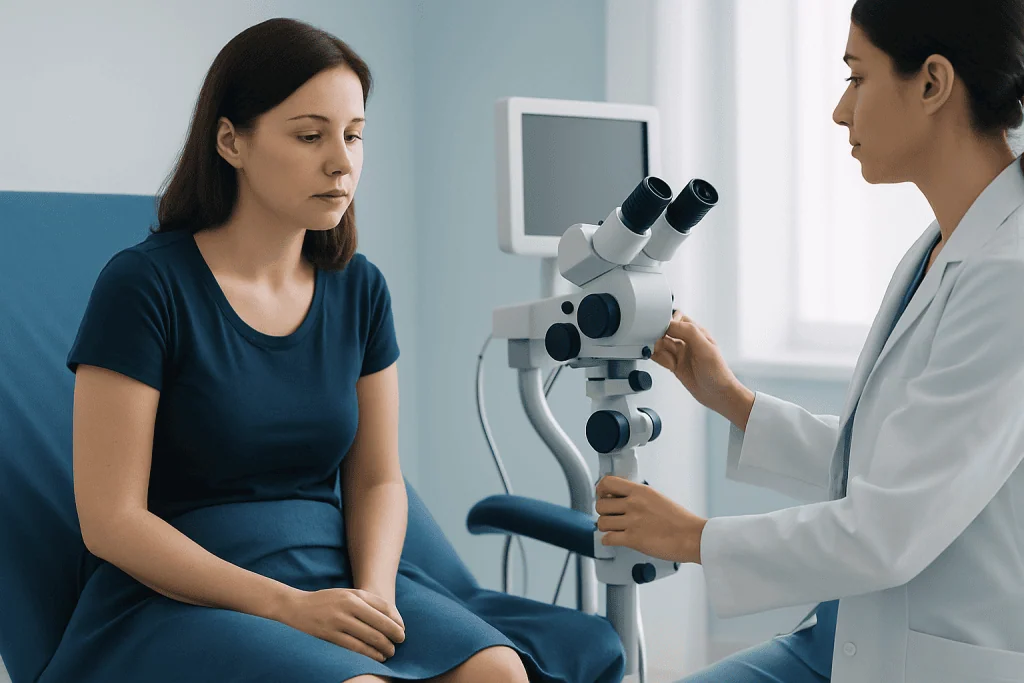
A pelvic examination may be recommended if symptoms are persistent, distressing, or associated with discharge, odor, pain, bleeding, or bowel symptoms. The examination can help assess the vaginal tissues, pelvic organ support, signs of infection, and possible fistula. Patients can ask questions, request an explanation before each step, and discuss preferences for comfort and privacy.
If a fistula is suspected, further testing may include dye testing, imaging such as ultrasound, CT, or MRI, or an examination by a gynecologist, colorectal surgeon, or urogynecologist. Testing is selected according to the symptoms and suspected location of the connection; most people with occasional, symptom-free vaginal gas do not need scans or invasive tests.
Practical Self-Care and Treatment Options
When vaginal gas occurs occasionally and there are no concerning symptoms, treatment is usually unnecessary. It can help to recognize the activities or positions that make it more likely. During exercise, moving more slowly between positions or adjusting the depth and angle of stretches may reduce the amount of air that enters the vagina.
During sex, changes in position, pace, or penetration angle may help some people reduce vaginal air if they find it bothersome. There is no need to use vaginal deodorants, douches, or cleansing products to manage vaginal gas. These products do not prevent trapped air and may irritate the vagina or disrupt its normal protective balance.
If vaginal gas is frequent and accompanied by pelvic floor symptoms, pelvic floor physiotherapy may be useful. A trained physiotherapist can teach individualized exercises, breathing techniques, movement strategies, and methods for coordinating the pelvic muscles. Generic pelvic exercises are not ideal for everyone, particularly when muscles are tight or painful.
When a fistula or another structural condition is found, treatment focuses on the underlying cause. This may involve managing inflammation or infection, allowing tissues to heal when appropriate, or planning surgical repair with specialist care. The right approach depends on the fistula’s cause, size, location, and the person’s overall health.
When to Seek Medical Care
It is reasonable to arrange a non-urgent appointment with a gynecologist or primary care clinician if vaginal gas is new, happens often, causes significant worry, or occurs with pelvic pressure, urine leakage, pain during sex, or changes after childbirth. A professional assessment can clarify whether pelvic floor support or another treatable issue is contributing.
Medical care should be sought promptly if gas seems to come from the vagina together with stool, pus-like discharge, a persistent foul smell, fever, severe pelvic pain, heavy bleeding, or symptoms after pelvic surgery or a significant childbirth injury. These signs need evaluation for infection, injury, or a fistula.
Patients do not need to feel embarrassed about raising this concern. Vaginal gas is a familiar topic in gynecologic and pelvic health care. Acibadem International’s multidisciplinary specialists and JCI-accredited hospitals can assess pelvic health concerns and coordinate care for international patients when needed.
Frequently asked questions
Is farting vigina normal?
Yes. The term usually refers to vaginal gas, which is often normal and harmless. It is commonly caused by air entering and leaving the vagina during sex, exercise, or changes in position.
Why does vaginal gas make a fart-like sound?
The sound is made when trapped air passes out through the vaginal opening. It can sound similar to intestinal gas, but it usually does not come from the bowel and is generally odorless.
Can vaginal gas be caused by sex?
Yes. Penetration and movement during sex can temporarily introduce air into the vagina. The air may be released during or after sex, particularly when changing position.
Does vaginal gas mean the pelvic floor is weak?
Not necessarily. Vaginal gas can happen in people with normal pelvic floor function. However, if it is frequent and occurs with urine leakage, pelvic heaviness, or bowel symptoms, a pelvic floor assessment may be helpful.
Can vaginal gas have a bad smell?
Ordinary vaginal gas is usually odorless because it is simply trapped air. A strong or stool-like odor, especially with discharge or material passing through the vagina, should be discussed with a clinician.
When could vaginal gas indicate a fistula?
A fistula is more likely when gas from the vagina occurs with stool leakage, foul-smelling discharge, recurrent infections, or symptoms following childbirth injury, pelvic surgery, or inflammatory bowel disease. This is uncommon, but it requires medical evaluation.
References
- American College of Obstetricians and Gynecologists
- Mayo Clinic
- National Health Service
- Cleveland Clinic
- International Urogynecological Association
This article is for general information only and is not a substitute for professional medical advice. Please consult a qualified doctor about your individual situation.
Persistent digestive symptoms? Get evaluated in Turkey
JCI-accredited · board-certified surgeons · reply within 24h
Add us as a Preferred Source to see more of our trusted health content across Google Search, AI Overviews and Discover.