Patellar Tendonitis Therapy: Symptoms, Causes, and Treatment Options
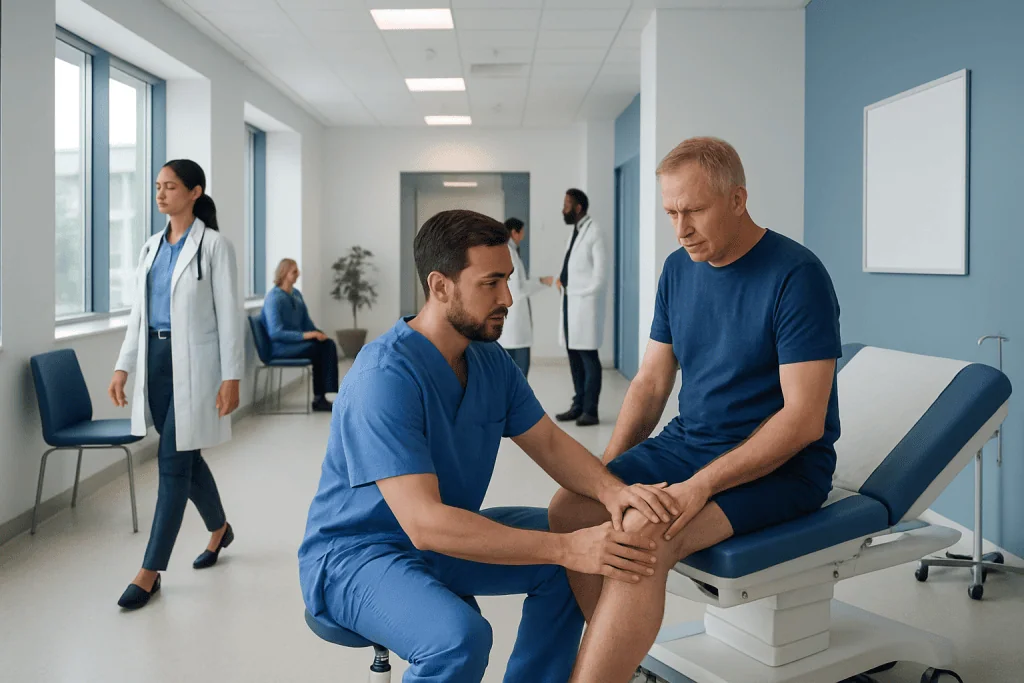
Patellar tendonitis is commonly a tendon overuse problem and is often called patellar tendinopathy or jumper's knee. Exercise-based rehabilitation, especially gradual tendon and leg strengthening, is the mainstay of treatment.
Key Takeaways
- Patellar tendonitis is commonly a tendon overuse problem and is often called patellar tendinopathy or jumper's knee.
- Exercise-based rehabilitation, especially gradual tendon and leg strengthening, is the mainstay of treatment.
- Complete rest for long periods is usually less helpful than temporarily adjusting painful activities while maintaining appropriate movement.
- Recovery may take weeks to months because tendons adapt gradually to loading.
- Sudden swelling, a popping sensation, inability to straighten the knee, or major loss of function needs prompt medical assessment.
Patellar tendonitis therapy usually focuses on reducing activities that aggravate the tendon, then rebuilding its capacity through a structured strengthening program. Most people improve without surgery when treatment is matched to symptoms, activity demands, and recovery progress.
Overview: What Is Patellar Tendonitis Therapy?
Patellar tendonitis therapy is a structured approach to easing pain below the kneecap and restoring the tendon’s ability to tolerate walking, stairs, running, jumping, and sport. It generally includes modifying activities that overload the knee, progressive strengthening exercises, guidance from a physiotherapist, and symptom-relief measures when appropriate. The plan should be individualized rather than based only on how much pain is present on a particular day.
The patellar tendon connects the lower edge of the kneecap (patella) to the top of the shinbone. It helps straighten the knee during movements such as standing from a chair, climbing stairs, kicking, landing, and jumping. Although the term “tendonitis” is widely used, persistent symptoms are often caused by changes in tendon structure and load tolerance rather than ongoing inflammation. For this reason, clinicians may use the term patellar tendinopathy, also known as jumper’s knee.
This condition is particularly common in people whose activities involve repeated jumping, sprinting, quick direction changes, or heavy knee loading. However, it can also affect active adults returning to exercise after a break, people whose training increased quickly, and those with reduced leg strength or movement control. A careful rehabilitation plan can help support a safe return to the activities that matter to the individual.
Symptoms and How the Condition May Progress
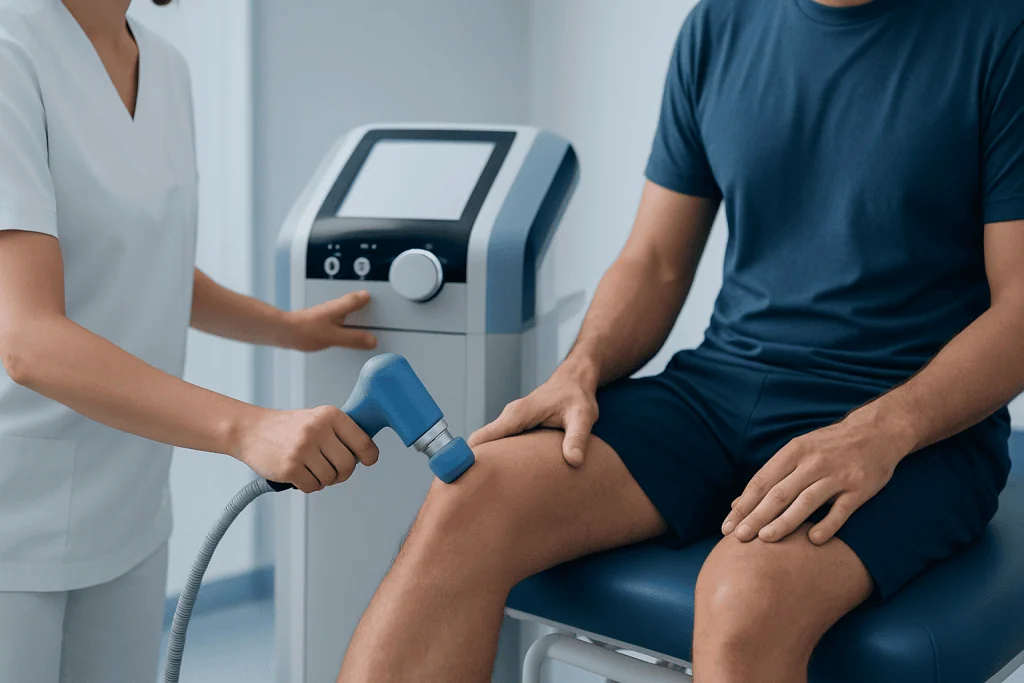
The most typical symptom is localized pain at the front of the knee, usually at the lower tip of the kneecap where the patellar tendon begins. The area may feel tender when pressed. Pain may first occur only during or after jumping, running, squatting, or climbing stairs. Sitting down, standing up, kneeling, and prolonged walking may also become uncomfortable as symptoms progress.
Early on, the knee may feel better after warming up during activity, only for pain to return afterward or the following day. With more persistent tendon irritation, pain can begin earlier in exercise, affect performance, or interfere with everyday tasks. Stiffness after rest and reduced confidence when landing or squatting can occur. Noticeable swelling is less common in long-standing tendinopathy, although the area may feel thickened or sensitive.
Pain at the front of the knee does not always come from the patellar tendon. Conditions involving the kneecap joint, fat pad, bursae, cartilage, or nearby muscles can cause similar symptoms. This is why an assessment is useful when pain is persistent, severe, follows an injury, or does not improve with sensible activity adjustments.
Causes and Risk Factors: Why the Tendon Becomes Painful
Patellar tendon pain usually develops when the total load placed on the tendon exceeds its current capacity to recover and adapt. A sudden increase in training volume, intensity, frequency, hill work, jumping drills, or competitive schedules can trigger symptoms. Repeated high-force landings are particularly demanding because the quadriceps muscle and patellar tendon work together to control the knee.
Risk is influenced by more than sport alone. Reduced strength or endurance in the quadriceps, calf, hip, and trunk muscles may affect how forces are managed through the leg. Limited ankle movement, poor landing mechanics, inadequate recovery, fatigue, and returning to activity too quickly after illness or injury may contribute. Training on hard surfaces, changes in footwear, or rapid changes in body weight can also alter tendon loading.
Age, previous tendon pain, and individual tissue characteristics may play a role. It is important not to assume that a person caused the problem through a single mistake. Tendon problems are usually multifactorial. A clinician or physiotherapist can help identify practical, modifiable factors while avoiding unnecessary restrictions or blame.
Assessment and Diagnosis
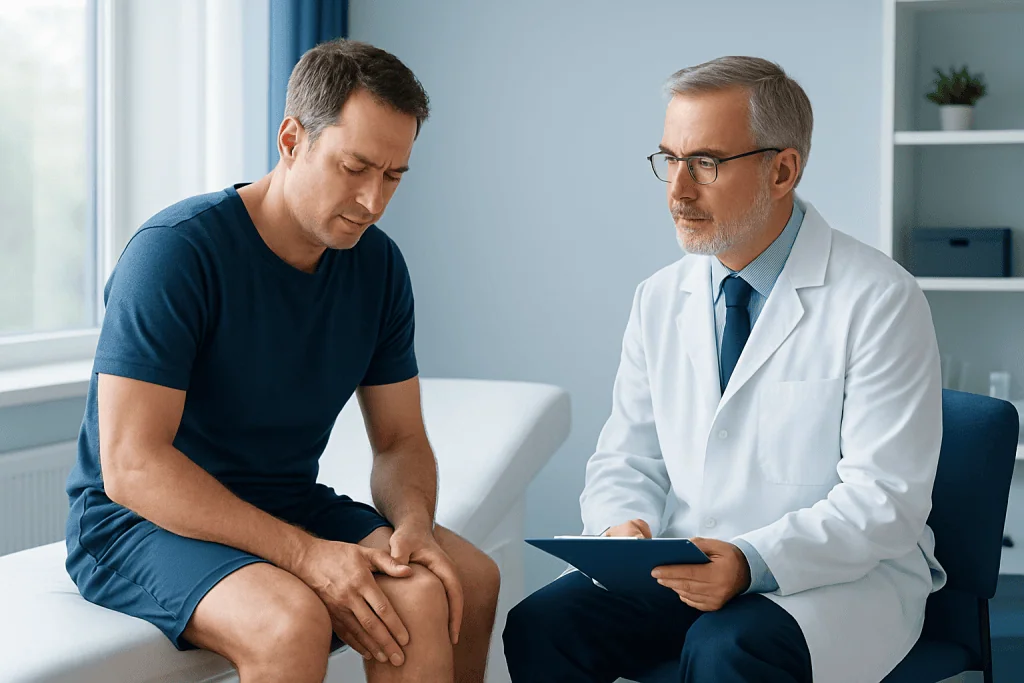
Diagnosis is often based on the person’s symptoms, activity history, and a physical examination. A clinician may ask where the pain is felt, which movements bring it on, how training has changed, and whether there was a specific injury. Examination commonly includes checking tenderness at the lower edge of the kneecap, knee movement, muscle strength, balance, squat mechanics, and how the knee responds to functional tasks.
Imaging is not always needed. Ultrasound or MRI may be considered if the diagnosis is uncertain, symptoms have not improved with appropriate treatment, or a clinician needs to assess for another condition. Tendon changes seen on a scan do not always match the level of pain or function. Therefore, imaging results are interpreted together with the clinical assessment, not in isolation.
The assessment should also rule out urgent injuries such as a patellar tendon rupture. A rupture is more likely to cause a sudden pop, marked swelling or bruising, difficulty bearing weight, and an inability to actively straighten the knee. These symptoms require urgent medical evaluation rather than self-directed rehabilitation.
Patellar Tendonitis Therapy and Treatment Options
The foundation of patellar tendonitis therapy is load management. This does not necessarily mean stopping all exercise. Instead, a person may temporarily reduce or modify activities that provoke substantial pain, such as repeated jumping, deep squats, sprinting, or running hills. Lower-impact options, including cycling, swimming, or upper-body training, may help maintain general fitness if they are comfortable. A clinician can advise on acceptable symptom levels and how the knee should feel during and after activity.
Progressive exercise is the most important long-term treatment. A rehabilitation program may begin with controlled muscle contractions that are easier to tolerate, then advance to slow resistance exercises for the quadriceps and other leg muscles. Later stages may include heavier strengthening, single-leg work, balance training, and carefully planned hopping, landing, running, or sport-specific drills. The goal is not simply to remove pain but to gradually restore the tendon’s ability to handle the person’s required activities.
Physiotherapy can provide individual assessment, exercise instruction, progression planning, and advice on returning to sport or work. A patellar strap or taping may reduce symptoms for some people during activity, but it should support rather than replace rehabilitation. Ice may offer short-term comfort after exercise. Anti-inflammatory medicines are not routinely a solution for chronic tendinopathy and should only be considered with a qualified clinician, especially for people with stomach, kidney, heart, bleeding, or medication-related risks.
When symptoms remain significant despite a well-followed rehabilitation program, a specialist may discuss additional options. These can include reviewing the diagnosis, addressing contributing factors, or considering selected procedures in carefully chosen cases. Injections and surgery are not first-line treatments, and their potential benefits and risks should be reviewed individually. Surgery is usually reserved for persistent, function-limiting symptoms that have not responded to comprehensive non-surgical care.
Rehabilitation, Prevention, and Self-Care
Recovery is usually gradual. Tendons respond to consistent, appropriately progressed loading over time, so improvement may be measured in weeks or months rather than days. Keeping a simple record of pain, activity, and next-day symptoms can help identify whether the exercise level is appropriate. Mild discomfort during rehabilitation may be acceptable for some people, but worsening pain, increasing limping, or symptoms that remain substantially worse the next day suggests that the load may need adjustment.
A return to running or jumping should be planned in stages. Before high-impact activities are increased, the person should be able to complete daily tasks and strengthening exercises with good control and manageable symptoms. Training volume should then rise gradually, allowing adequate rest between demanding sessions. Maintaining quadriceps, calf, hip, and trunk strength may reduce the chance of future overload.
Helpful self-care also includes wearing supportive footwear suited to the activity, using a gradual warm-up, prioritizing sleep and recovery, and avoiding abrupt changes in training. Nutrition should support overall health and sufficient energy availability, particularly for people with intensive training schedules. There is no single food, supplement, brace, or passive treatment proven to replace a progressive exercise program.
When to Seek Medical Care
Medical advice is recommended when knee pain persists for more than a few weeks, limits work, sport, walking, or sleep, or does not improve after reducing aggravating activity and beginning basic strengthening. Assessment is also appropriate for recurrent pain, uncertainty about the diagnosis, or difficulty returning to activity despite a thoughtful rehabilitation plan. Early guidance may help prevent a short-term problem from becoming more persistent.
Prompt assessment is important after a direct injury or if there is a sudden pop, rapid swelling, bruising, a visible change in the knee area, inability to straighten the knee, inability to bear weight, fever, or a hot and red joint. These features may indicate an injury or condition that requires different care. People with inflammatory arthritis, diabetes, medication-related tendon risks, or previous knee surgery should also discuss new tendon pain with a clinician.
Acibadem International’s multidisciplinary specialists and JCI-accredited hospitals can assess knee pain and provide coordinated orthopedic and rehabilitation care for international patients. A qualified healthcare professional can confirm the cause of symptoms and create a treatment plan that reflects the person’s activity goals, health history, and examination findings.
Frequently asked questions
How long does patellar tendonitis therapy take to work?
The time needed varies with symptom duration, activity demands, and how consistently rehabilitation is followed. Some people notice improvement within several weeks, while fuller recovery and return to jumping sports can take several months. Gradual progress is expected because tendons adapt slowly to increased load.
Should a person rest completely with patellar tendonitis?
Complete rest is usually not necessary and may lead to loss of strength and conditioning. It is generally more useful to reduce or change the activities that strongly aggravate symptoms while continuing comfortable movement and a structured strengthening plan. A clinician can help determine which activities are appropriate.
What exercises are used for patellar tendonitis therapy?
Programs commonly include progressive quadriceps strengthening, along with calf, hip, and trunk exercises. They may begin with controlled, lower-load exercises and advance to heavier resistance work, then hopping, landing, running, and sport-specific drills when tolerated. Exercise selection and progression should be tailored to the individual.
Can a patellar tendon strap cure jumper's knee?
A patellar tendon strap may reduce discomfort for some people during activity by changing pressure around the tendon. However, it does not correct the underlying mismatch between tendon capacity and load. It is best viewed as a temporary symptom-management tool alongside rehabilitation.
Is patellar tendonitis the same as a patellar tendon tear?
No. Patellar tendonitis or tendinopathy usually causes gradual, localized pain related to loading, whereas a tear is an acute injury that can disrupt the ability to straighten the knee. A sudden pop, severe pain, swelling, or inability to extend the knee requires urgent medical evaluation.
Can patellar tendonitis return after treatment?
It can return if the tendon is exposed to a rapid increase in training load or if strength and recovery needs are not maintained. A gradual return to sport, ongoing strength work, and avoiding sudden spikes in jumping or running volume can lower the likelihood of recurrence. New or recurring symptoms should be addressed early.
References
- American Academy of Orthopaedic Surgeons
- American Physical Therapy Association
- National Institute of Arthritis and Musculoskeletal and Skin Diseases
- Mayo Clinic
- Journal of Orthopaedic & Sports Physical Therapy
This article is for general information only and is not a substitute for professional medical advice. Please consult a qualified doctor about your individual situation.
Joint and spine care in Turkey — expert assessment & treatment
JCI-accredited · board-certified surgeons · reply within 24h
Add us as a Preferred Source to see more of our trusted health content across Google Search, AI Overviews and Discover.

More from the Health Library



Related Specialists

Dr. Şenay Olguner
Anesthesiology
Prof. Dr. Mehmet E. Erdil
Orthopedic Surgery & Traumatology
Asst. Prof. Dr. Ebru Kazancı
Neonatal Intensive Care Unit
Prof. Dr. Özlem Aydın
Pathology