

Why Doctors Emphasize Early Care for Immunotherapy with Modern Healthcare Technology
Quick answer
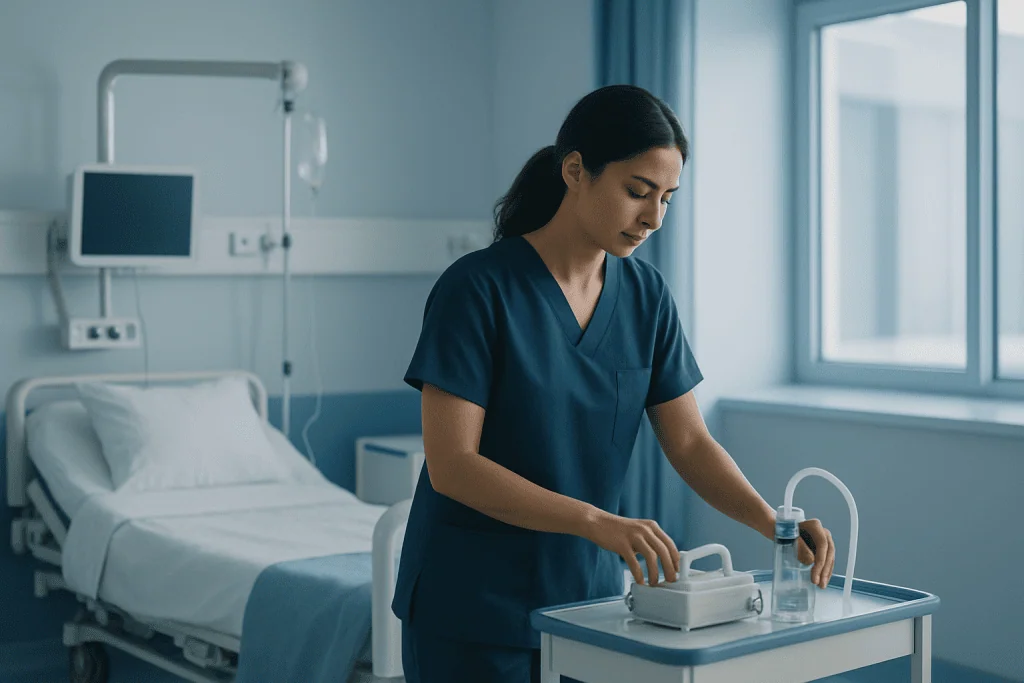
Doctors emphasize early care in immunotherapy because close monitoring from the start helps manage side effects promptly, supports treatment safety, and allows care to be adjusted to each patient’s response. At Acibadem in Turkey, this approach is supported by modern healthcare technology, multidisciplinary assessment, and coordinated follow-up throughout diagnosis, treatment planning, infusion care, and symptom management.
Getting a complex medical diagnosis can feel scary. But it’s the first step to getting better. Early intervention is key in modern medicine. It lets doctors act fast before problems get worse.
By seeing a doctor early, you open up better treatment options. This is because modern healthcare technology has changed how we fight diseases. Doctors now use advanced tools to make care plans just for you.
Using these new tools early can greatly improve your chances of getting better. At Acıbadem, we match your health needs with the latest medical discoveries. Starting with targeted therapy early helps us get the best results while keeping your life quality high.
Key Takeaways
- Early detection is key for long-term health success.
- Modern tech lets doctors create care plans just for you.
- Acting fast gives you more treatment options.
- Specialized teams use data to track your health closely.
- Starting treatment early helps keep you healthy and boosts recovery chances.
The Paradigm Shift Toward Early Intervention in Oncology
Medical philosophy is changing. Now, we see that when we act matters as much as what we do. We’re moving from waiting for problems to acting early. This change helps doctors tackle cancer when it’s easiest to beat.
This new way of thinking helps patients and families see the importance of timing. It’s about working together to catch risks early. Proactive management means we’re all in this together for better results.
Defining the Window of Opportunity
The “window of opportunity” is when a tumor is most open to treatment. At this time, the cancer hasn’t built up defenses yet. Finding this window helps doctors plan better treatments.
Patients who start early have more options. This approach brings many benefits, like better treatment chances and less harm from late-stage treatments.
- Increased likelihood of successful treatment response.
- Reduced physical burden from aggressive, late-stage therapies.
- Greater control over the overall recovery timeline.
- Enhanced ability to utilize personalized medicine protocols.
The Biological Rationale for Early Treatment
Early treatment works because cancer is more stable and easier to target at first. As cancer grows, it changes a lot, making it harder to fight. Treating it early means we can hit the main causes of growth before they spread out.
Also, the immune system is stronger at the start of cancer. Early action helps the body fight back and makes immunotherapy work better. Acting with precision at the right time can change many patients’ outlooks.
Understanding the Mechanism of Immunotherapy Treatment
Modern immunotherapy treatment unlocks your immune system’s hidden power. It doesn’t just use external agents to fight cancer. Instead, it lets your body find and destroy cancer cells itself.
This is a big step forward in medicine. It uses your body’s natural defenses to fight cancer in a more lasting and precise way.
How the Immune System Recognizes Malignancy
Your immune system has special cells like T-cells that watch for threats. They look for specific markers on the surface of cells to identify them.
But cancer cells are sneaky. They can hide by looking like healthy cells or by turning off the immune response signals.
Advanced immunotherapy treatment removes this disguise. It makes T-cells better at finding these markers. This way, your immune system can tell the difference between healthy and cancerous cells.
Checkpoint Inhibitors and Their Clinical Application
Checkpoint inhibitors are a key part of today’s cancer treatment. They’re like the brakes of the immune system, stopping it from attacking itself.
Cancer cells use these brakes to hide. Checkpoint inhibitors remove these brakes. This lets the immune system attack the tumor more strongly.
This approach has greatly improved treatment outcomes for many patients. It helps doctors balance the fight against cancer while protecting healthy tissues.
| Feature | Traditional Chemotherapy | Immunotherapy Treatment |
|---|---|---|
| Primary Target | Rapidly dividing cells | Immune system activation |
| Mechanism | Direct cytotoxic effect | Enhanced immune recognition |
| Specificity | Low (affects healthy cells) | High (targeted response) |
| Memory | None | Long-term immune memory |
The Critical Role of Targeted Therapy in Modern Protocols
Modern cancer care has changed a lot. Now, we target the disease at its source. Targeted therapy focuses on the specific ways cancer cells grow. This change is a big step forward for patients looking for better treatments.
Distinguishing Targeted Approaches from Traditional Chemotherapy
Traditional chemotherapy affects both healthy and cancer cells. But, targeted therapy targets specific molecules that help tumors grow. This precision helps protect healthy tissue, improving recovery quality.
| Feature | Traditional Chemotherapy | Targeted Therapy |
|---|---|---|
| Mechanism | Kills rapidly dividing cells | Blocks specific growth signals |
| Specificity | Systemic/Broad | Highly localized/Molecular |
| Side Effects | Often widespread | Usually more manageable |
Molecular Profiling as a Foundation for Success
The success of modern treatments depends on molecular profiling. By studying a tumor’s genes, doctors find the mutations that make it grow. This data-driven insight helps choose the right targeted therapy for each patient.
When treatments match a patient’s genetic profile, we get closer to personalized medicine. This method boosts treatment success and cuts down on unnecessary treatments. By targeting the disease’s biological drivers, we offer a more hopeful healing path.
How Advanced Oncology Diagnostics Detect Disease Earlier
Advanced oncology is changing how we care for patients by finding diseases early. It uses new technology to spot cancer when it’s easiest to treat. This early detection leads to treatments that are more tailored and effective.
Liquid Biopsies and Circulating Tumor DNA
Liquid biopsies are a big step forward. They only need a blood sample to check for cancer DNA. This method gives real-time insights into cancer without surgery.
- It’s less painful than old biopsy methods.
- It lets doctors see how well treatments are working.
- It finds genetic changes that help pick the right treatment.
High-Resolution Imaging Techniques
High-tech imaging also helps doctors see cancer’s progress clearly. These tools show tiny changes that old scans miss. This means treatments can change as needed to fit the patient’s health.
| Diagnostic Method | Primary Benefit | Clinical Focus |
|---|---|---|
| Liquid Biopsy | Molecular Tracking | Genetic Mutations |
| PET/CT Imaging | Metabolic Mapping | Tumor Localization |
| MRI Fusion | Anatomical Detail | Tissue Characterization |
Using these advanced tools, doctors can focus more on the patient. This mix of molecular data and images helps patients make better health choices. It brings clarity and confidence to complex treatment plans.
Integrating Artificial Intelligence into Cancer Recovery Pathways
Technology and medicine are coming together to help those fighting cancer. Digital tools let healthcare teams create cancer recovery plans that fit each person’s needs. This makes care more precise and adaptable to changing health conditions.
Predictive Analytics for Treatment Response
Predictive analytics help doctors guess how a patient will react to treatments before starting. They look at big data to spot problems early in cancer recovery. This lets doctors change plans quickly, reducing side effects and improving treatment.
These digital tools use past patient data and current biomarkers to predict outcomes well. When treatment plans are based on data, patients often recover faster. It gives them confidence, knowing every decision is backed by advanced technology.
Machine Learning in Pathology and Radiology
Machine learning helps pathologists and radiologists find patterns that humans might miss. These tools act as extra eyes, spotting small changes in images or tissue samples. This makes cancer recovery more precise.
The table below shows how AI changes diagnosis and recovery from traditional methods:
| Feature | Traditional Approach | AI-Enhanced Workflow |
|---|---|---|
| Data Analysis | Manual review by specialists | Automated pattern recognition |
| Response Time | Delayed by manual processing | Real-time predictive alerts |
| Diagnostic Accuracy | Subject to human fatigue | Consistent, high-resolution scanning |
| Recovery Planning | Standardized protocols | Personalized, dynamic adjustments |
These advances help oncology teams make better, data-based choices. They reduce mistakes, making sure every step of cancer recovery is supported by top tech.
The Synergy Between Immunotherapy and Precision Medicine
Modern oncology is in a new era. Immunotherapy and precision medicine are coming together to change how we treat cancer. This integrated approach lets doctors tailor care to each patient’s unique needs.
Tailoring Treatment to Genetic Signatures
At the heart of this is understanding a tumor’s genetic makeup. Doctors use this info to pick treatments that target specific mutations. This often involves targeted therapy to stop cancer cells from growing.
By matching treatments to genetic profiles, doctors avoid using drugs that won’t work. This makes treatment more effective and less stressful for patients. It’s a big step from guessing to using data to guide treatment.
Improving Efficacy Through Combination Therapies
Some tumors find ways to avoid the immune system. Researchers are combining immunotherapy with other treatments to fight this. These combos aim to make it harder for cancer cells to survive.
The table below shows how these strategies lead to better results:
| Strategy | Primary Benefit | Clinical Goal |
|---|---|---|
| Immunotherapy + Targeted Therapy | Enhanced immune recognition | Overcoming tumor resistance |
| Combination Checkpoint Blockade | Broader immune activation | Increased response durability |
| Adjuvant Precision Protocols | Reduced recurrence risk | Long-term disease control |
Using targeted therapy with immune agents blocks cancer’s escape routes. This is key for patients needing stronger treatments. This approach offers a hopeful path for better cancer care outcomes.
Leveraging Digital Health Platforms for Real-Time Patient Monitoring
Patients getting immunotherapy now have advanced tools to track their health at home. These digital platforms send data non-stop, letting doctors see changes right away. This way, we can keep patients safer and more comfortable.
Wearable Technology in Oncology Care
Wearable devices track important signs like heart rate and oxygen levels. They let patients stay home while doctors keep an eye on them. This way, doctors catch small health changes early.
Patients feel secure knowing their health is being watched. It lowers the stress of treatment. Empowerment through tech lets patients help in their recovery.
Remote Patient Management Systems
Remote systems collect data from wearable devices. They use smart algorithms to send alerts if a patient’s health changes. This quick alert system helps doctors adjust treatments fast.
The table below shows how digital health platforms differ from old ways in oncology.
| Feature | Traditional Monitoring | Digital Health Platforms |
|---|---|---|
| Data Frequency | Periodic (Clinic Visits) | Continuous (Real-Time) |
| Patient Location | Hospital/Clinic Setting | Home/Anywhere |
| Response Time | Delayed until next visit | Immediate/Proactive |
| Data Accuracy | Snapshot-based | Trend-based |
By using these systems, we give each patient personalized care. This tech leap improves cancer care quality. We’re dedicated to using these tools to better patient care and outcomes.
Overcoming Barriers to Timely Access in the United States
Patients in the U.S. often face big delays when they need immunotherapy for cancer. The medical field is full of new ideas, but getting to these treatments can be tough. Navigating these complexities requires a proactive approach to start treatment when it matters most.
Navigating Insurance and Clinical Trial Enrollment
The cost and paperwork of cancer care can be huge hurdles. Insurance often needs a lot of paperwork before it says yes to new treatments. Patients need to work with their doctors to explain why they need these treatments.
When insurance says no, clinical trials can be a lifeline. These trials let patients try new treatments and help science move forward. We suggest looking into trials early, as they can lead to treatments not yet available to everyone.
Reducing Disparities in Healthcare Delivery
Healthcare gaps are a big problem in the U.S. Where you live, how much money you make, and access to special centers all play a part. True progress in oncology means fixing these gaps so everyone gets fair care.
To make things better, we need to work on a few key things:
- Make sure everyone can get to tumor boards, no matter where they live.
- Use online tools to connect patients in rural areas with top doctors.
- Make sure every patient gets seen quickly by the right team.
By focusing on these areas, we can make sure everyone gets top-notch care. Empowering patients with information is the first step to a fairer, better healthcare system.
The Importance of Seeking an Oncology Second Opinion
Patients need the most accurate information, which is why an oncology second opinion is key. It helps understand all options when facing a complex diagnosis. By getting a second opinion, you can make sure your treatment plan is up-to-date and thorough.
Validating Treatment Plans with Specialized Experts
Getting a second look at your medical records can give you peace of mind. Experts often bring new insights that can improve your diagnosis or treatment plan. It’s not about doubting your primary doctor, but making sure all options are considered.
When you ask for an oncology second opinion, you get to work with more experts. This teamwork helps remove any doubts and strengthens your relationship with your healthcare team. It’s a step that turns passive waiting into active, informed decision-making.
Accessing Niche Immunotherapy Research
A second opinion can also lead to new, advanced treatments. Some centers focus on the latest, like personalized CAR T-cell therapy, which is changing cancer care. Working with these researchers means you know about all your options.
The table below shows why getting a second opinion is beneficial:
| Benefit Category | Standard Care Approach | Specialized Second Opinion |
|---|---|---|
| Diagnostic Depth | Routine pathology review | Advanced molecular profiling |
| Treatment Options | Conventional protocols | Access to niche clinical trials |
| Patient Confidence | Trust in local resources | Validation through global expertise |
| Outcome Focus | Standardized recovery | Personalized, data-driven strategy |
Getting an oncology second opinion gives you confidence in your care. It means your treatment plan is as strong and effective as it can be. Informed patients can face their health journey with strength and clarity.
Radiation Oncology Innovations and Their Impact on Immunotherapy
Modern oncology is seeing a big change. It’s combining traditional radiation therapy with new immunotherapy. This mix is a big step forward in fighting cancer.
Together, these methods make a stronger defense against cancer. They help in treating complex and spreading diseases.
The Abscopal Effect and Immune Activation
The abscopal effect is a key innovation in oncology innovation. It happens when radiation treatment sparks a body-wide immune response. Tumors outside the radiation area can shrink.
This effect turns a local treatment into a powerful body-wide weapon. It gives hope to those with advanced cancer.
Precision Delivery Systems
New advances in radiation oncology allow for precise energy delivery. Modern systems target tumors while protecting healthy tissue. This is key to keeping patients strong during treatment.
These systems reduce harm to healthy areas. This helps the immune system work well with immunotherapy drugs. Together, they create a powerful effect that’s hard to get with one treatment alone. These improvements are leading to better results for our patients.
Managing Patient Expectations Through Data-Driven Communication
Managing expectations in cancer treatment is a fine balance. It combines clinical data with empathy. When patients and doctors share clear, evidence-based plans, recovery becomes easier. Open communication bridges complex medical details with personal needs.
Visualizing Treatment Outcomes with Digital Tools
Today’s healthcare uses advanced digital tools for explanations. These tools show treatment paths and goals. They turn complex data into clear, visual goals for patients.
These tools show how biomarkers and imaging results relate to progress. When patients see the intended impact of their therapy, they understand its importance. This clarity helps avoid misunderstandings and keeps everyone focused on the goals.
The Psychological Benefits of Informed Care
A cancer diagnosis is emotionally heavy, and uncertainty can increase anxiety. Informed care fights this stress with knowledge. When patients know what to expect, they feel more in charge of their health.
This feeling of control builds trust between patients and their oncology team. Empowered patients are more resilient, knowing their treatment is based on solid data. This approach reduces stress and helps patients focus on healing.
The Evolution of Medical Tourism for Specialized Cancer Care
Medical tourism has grown into a way for people to get advanced cancer treatments. Now, patients can find top-notch care without being limited by where they live. This change lets people get treatments that might not be available close to home.
Global Standards in Immunotherapy Centers
Top cancer care needs a strong setup for complex treatments. The Acıbadem Hospitals Group is a leader with 44 hospitals and clinics in 5 countries. This wide network means patients get top care, no matter where they are.
These centers focus on getting international approval to keep care safe and effective. They mix the latest research with patient care. This global approach helps bring new treatments to those who need them.
Logistical Considerations for International Patients
Going abroad for treatment needs careful planning. Patients must work with teams to handle medical records, visas, and where to stay after treatment. Many places have special departments to help with these tasks, so patients can focus on getting better.
It’s important for the patient’s doctor back home to work with the international team. This teamwork makes sure care moves smoothly and all important information is shared safely. Here’s a quick guide to think about when looking at international care options.
| Consideration | Local Care | International Care |
|---|---|---|
| Treatment Access | Limited by local availability | Broad access to global innovation |
| Coordination | Standardized local protocols | Dedicated medical tourism support |
| Infrastructure | Variable based on region | High-standard, multi-site networks |
| Continuity | Direct physician oversight | Integrated digital health monitoring |
Collaborative Care Models Among Cancer Specialists
Modern oncology needs a team approach. When a patient gets a serious diagnosis, many cancer specialists help find the best way forward. This teamwork makes sure every part of a patient’s health is checked.
Multidisciplinary Tumor Boards
Multidisciplinary tumor boards are key to this team effort. They bring together experts like surgeons, radiologists, and medical oncologists at Acibadem Hospital. Together, they discuss each case in detail.
This team approach helps create treatment plans that fit each patient. They make sure the care is based on the latest research. This careful planning is a big step in giving top-notch care.
Coordinating Care Across Specialties
It’s important for different doctors to work together. When cancer specialists talk well, care is better and patients are happier. They make sure everything runs smoothly, from tests to treatments.
When a team works together, patients feel more supported. This teamwork makes the treatment process easier and less scary. It’s all about working towards the best outcome for each patient.
Addressing Side Effects Through Proactive Technological Surveillance
In advanced oncology, patient safety gets a boost from real-time digital watch. Treatments like monoclonal antibody therapy for cancer have changed the game. But, they need close monitoring. Technology helps keep patients safe every step of the way.
Early Detection of Immune-Related Adverse Events
The immune system is strong, but it can sometimes cause problems. These issues might not show up in regular check-ups. Proactive surveillance helps catch these problems early.
By watching health markers all the time, doctors can act fast. This stops small issues from becoming big problems. It keeps patients safe and comfortable during treatment.
Automated Alert Systems for Clinical Teams
Now, digital tools track patient data 24/7. When something looks off, they send alerts to doctors. This quick alert system is key to top-notch care.
- Real-time tracking of vital signs and lab results.
- Instant alerts for possible immune issues.
- Easy talk between patients and their doctors.
These tools help doctors make quick, informed decisions. They cut down the time to react to health issues. This means patients get the best care possible, with every detail watched closely.
Future Trends in Immunotherapy and Digital Health Integration
The future of cancer care looks bright with digital health and immunotherapy treatment leading the way. This change will make treatments easier to get and work better for more cancers. We’re excited to offer our patients the latest in care today and tomorrow.
Personalized Vaccine Development
The future of cancer treatment is about making vaccines just for you. These vaccines teach your immune system to fight cancer cells very well. This breakthrough is a big step towards lasting remission.
Doctors can now make treatments based on your tumor’s unique genetic code. This means treatments are made just for you, making them more effective. It also means less chance of treatments not working, focusing on what really matters.
The Next Generation of Tele-Oncology
Digital health is making it easier to get care without leaving home. The next step in tele-oncology will let doctors check on you in real-time. This lets them change your treatment plan quickly based on how you’re doing.
New virtual care tools will also bring top doctors to you, no matter where you are. You can get expert advice on your immunotherapy treatment without traveling far. This makes life better and ensures you get the best care all the time.
Empowering Patients Through Early Action and Technological Advancements
Getting a diagnosis is a mix of medical skill and personal strength. Early action opens up more life-saving options for cancer recovery today.
Acıbadem Hospitals Group works to connect medical research with patient care. Our worldwide network uses top-notch diagnostic tools. This ensures treatments fit each person’s unique genetic makeup. It makes the path to health clear and based on data.
Real progress in beating cancer comes from doctors and patients working together. We give you the tools to make smart choices at every step. By using these new ways, you take charge of your health and aim for the best outcomes.
Your health journey should be based on knowledge, care, and the latest tech. We encourage you to talk to our experts. See how these care models can help your long-term health. Together, we move forward with hope and purpose.
FAQ
Q: Why is early intervention considered a critical “window of opportunity” in modern oncology?
A: Early intervention is key to beating cancer, says Acıbadem Hospitals Group. Tumors are simpler and smaller at first. This makes them easier to treat.
By acting fast, we can use treatments that fit each patient’s needs. This approach can change the disease’s course and improve health outcomes.
Q: How does immunotherapy treatment empower the body to fight malignancy?
A: Immunotherapy teaches the body to fight cancer on its own. It uses checkpoint inhibitors to help T-cells attack cancer cells. This is a big step towards more precise care.
Q: What is the benefit of using targeted therapy over traditional chemotherapy?
A: Targeted therapy only attacks specific cancer cells. It uses genetic information to find the right treatment. This can reduce side effects and improve results.
Q: How have advanced oncology diagnostics changed the way disease is detected?
A: New tools like liquid biopsies and ctDNA analysis can find cancer in blood tests. These tools give doctors clear, real-time data. This helps start treatment early and track disease progress accurately.
Q: Why should international patients consider an oncology second opinion before beginning treatment?
A: Getting a second opinion is important to make sure treatment is up-to-date. Acıbadem Hospitals Group offers access to advanced treatments and expertise. This gives patients confidence in their care plan.
Q: What role does radiation oncology play in stimulating an immune response?
A: Modern radiation oncology can trigger a body-wide immune response. This is called the “abscopal effect.” It helps the body fight cancer cells everywhere, not just where the radiation is applied.
Q: How does Acıbadem Hospitals Group facilitate medical tourism for those seeking specialized care?
A: Acıbadem Hospitals Group makes medical tourism easy. We have 44 hospitals across 5 countries. We handle all the details to make your visit smooth and stress-free.
Q: How is artificial intelligence being integrated into cancer recovery pathways?
A: AI is changing oncology by predicting treatment outcomes. It helps doctors spot patterns in data that humans might miss. This makes treatment plans more effective and tailored to each patient.
Q: What are the benefits of multidisciplinary tumor boards for complex cases?
A: Tumor boards bring together experts for a unified plan. This team approach ensures all aspects of care are considered. It helps avoid mistakes and uses the best treatments for each case.
Q: How can digital health platforms and wearable technology improve patient safety during treatment?
A: Digital tools and wearables monitor patients in real-time. They track vital signs and side effects, even when patients are at home. This lets doctors act fast to keep treatment safe and effective.