What Is Feces? A Doctor-Reviewed Answer

Feces is made of water, undigested food material, bacteria, fiber, mucus, and cells shed from the digestive tract. Normal bowel habits vary widely; comfort, consistency, and a person’s usual pattern matter more than having a bowel movement every day.
Key Takeaways
- Feces is made of water, undigested food material, bacteria, fiber, mucus, and cells shed from the digestive tract.
- Normal bowel habits vary widely; comfort, consistency, and a person’s usual pattern matter more than having a bowel movement every day.
- Diet, fluids, medications, infections, stress, and travel can all temporarily change stool appearance or frequency.
- Black, bloody, pale, persistent watery, or unexplained changes in stool may need prompt medical assessment.
- A doctor may use medical history, examination, blood tests, stool tests, imaging, or endoscopy to investigate concerning bowel changes.
Feces, commonly called stool or poop, is the solid waste that leaves the body during a bowel movement after digestion is complete. Differences in stool color, shape, smell, or frequency are often temporary and harmless, but persistent changes or warning signs should be assessed by a clinician.
What is feces?
Feces, also called stool or poop, is the waste material that leaves the body through the rectum during a bowel movement. It is the final product of digestion: after the small intestine absorbs most nutrients from food, the large intestine absorbs water and forms the remaining material into stool. Passing stool is a normal and important way for the body to remove waste.
Most short-lived changes in stool are harmless. A different meal, less fluid intake, a new supplement, stress, travel, or a mild stomach infection can affect bowel habits. However, a change that is severe, lasts longer than expected, or occurs with bleeding, pain, fever, weight loss, or weakness deserves medical attention.
Stool varies naturally between individuals. Some people have bowel movements more than once a day, while others go every few days. A healthy pattern is usually one that is comfortable, does not require excessive straining, and remains broadly consistent for that person.
What stool is made of and how it forms
Although stool is often thought of simply as undigested food, it contains much more. Water makes up a large portion of normal stool. The solid component includes dietary fiber, bacteria from the gut microbiome, small amounts of fat and protein, salts, mucus, bile pigments, and cells naturally shed from the lining of the intestine.
Food moves from the stomach into the small intestine, where the body breaks it down and absorbs nutrients. The remaining material then enters the colon, or large intestine. Here, bacteria help process certain substances, and the colon absorbs water. As water is removed, the contents become more solid and are stored in the rectum until a bowel movement occurs.
Bile helps explain the usual brown color of stool. The liver produces bile, which travels into the intestine to aid fat digestion. As bile pigments are changed by intestinal bacteria, they contribute to brown stool. Variations in how quickly food travels through the gut, as well as diet and medicines, can alter this color.
What is considered a normal bowel movement?

Normal stool is commonly soft, formed, and brown, and it passes without major discomfort. On the Bristol Stool Chart, which clinicians may use to describe stool consistency, types 3 and 4 are generally considered typical: a sausage-like stool with cracks or a smooth, soft stool. This is only a guide, not a diagnosis.
Frequency alone does not determine whether bowel function is healthy. For some people, three bowel movements a day is usual; for others, three a week may be normal. More important considerations are whether the pattern has changed, whether stool is difficult or painful to pass, and whether other symptoms are present.
Stool odor can also vary. Bacteria naturally produce gases and compounds that give stool its smell. A stronger odor after certain foods or during a brief digestive upset is not usually concerning by itself. Persistently very foul-smelling stool together with diarrhea, greasy appearance, weight loss, or abdominal symptoms should be discussed with a doctor.
Common changes in feces and what they can mean
Stool color and consistency can change for everyday reasons. Green stool may occur when food moves more quickly through the intestine, such as during diarrhea, or after eating leafy vegetables or foods with coloring. Yellow or orange tones may reflect diet, supplements, or changes in bile processing. Iron supplements and foods such as blueberries can make stool appear darker.
Constipation means stools are infrequent, hard, dry, or difficult to pass. It can be related to low fluid or fiber intake, reduced activity, changes in routine, some medicines, and certain health conditions. Diarrhea describes loose or watery stools and is often caused by infection, food intolerance, medication effects, or stress; it can also occur with longer-term digestive conditions.
Mucus is a slippery substance normally produced by the intestine in small amounts. A noticeable amount may occur with constipation, diarrhea, or bowel irritation. Oily, floating, difficult-to-flush stools may sometimes suggest that fat is not being absorbed normally, particularly if they are recurrent or accompanied by weight loss. These patterns are not diagnostic on their own, but they can help guide a clinician’s assessment.
- Red stool may result from bleeding, but red foods or food coloring can also cause it.
- Black, tar-like stool can indicate bleeding higher in the digestive tract, although iron and bismuth-containing medicines can darken stool.
- Very pale, clay-colored stool can sometimes be associated with reduced bile reaching the intestine.
When to seek medical care
Medical review is advisable for a bowel change that persists for more than a couple of weeks, returns repeatedly, or is clearly different from a person’s usual pattern without an obvious explanation. A clinician should also be consulted for persistent constipation or diarrhea, ongoing abdominal discomfort, new urgency, or a feeling that the bowel does not empty completely.
Urgent medical care is important for black, tar-like stools; visible blood in stool; large amounts of rectal bleeding; severe or worsening abdominal pain; a swollen abdomen with inability to pass stool or gas; fainting; confusion; or symptoms of dehydration, such as very little urine, dizziness, or marked weakness. People should seek timely care if bowel changes occur with unexplained weight loss, fever, vomiting, anemia, or reduced appetite.
Not every episode of red, dark, or loose stool signals a serious condition. Still, it is safer not to assume that a concerning change is caused by food or supplements, especially when it is new, unexplained, or accompanied by other symptoms. People with a family history of colorectal cancer, inflammatory bowel disease, or other digestive disorders should mention this to their doctor.
How doctors assess changes in stool
A doctor begins by asking about the bowel change itself: when it started, how often it occurs, stool appearance, pain, diet, recent travel, illnesses, medicines, supplements, and any family history of digestive disease. A description or photograph of an unusual stool may sometimes be useful, although patients should follow their clinician’s advice about what to bring or collect.
The assessment may include a physical examination, including an abdominal examination and, when appropriate, a rectal examination. Depending on the symptoms, tests may include blood tests for anemia or inflammation, stool tests for infection or hidden blood, and tests that look for signs of impaired digestion or intestinal inflammation.
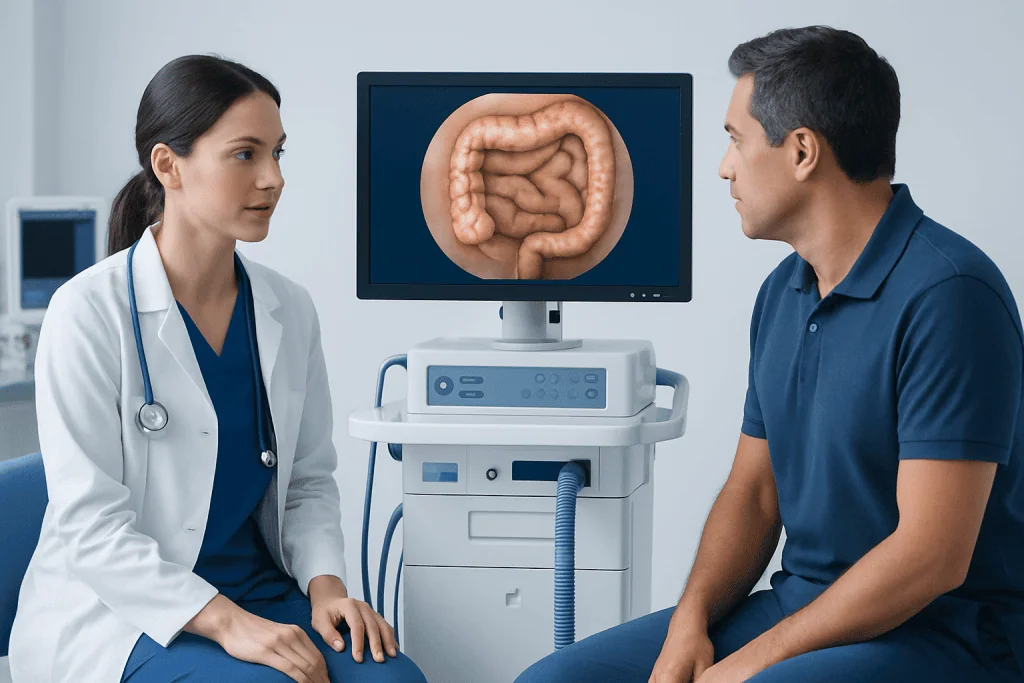
If further investigation is needed, a clinician may recommend imaging or an endoscopic procedure. A colonoscopy allows the doctor to examine the lining of the large intestine and take tissue samples when necessary. Testing is selected according to the individual’s symptoms, age, medical history, and screening needs; most temporary bowel changes do not require extensive testing.
Supporting regular, comfortable bowel habits
Everyday habits can help support regular bowel function. Drinking enough fluid, eating a varied diet with fiber-rich foods, and remaining physically active can promote softer, easier-to-pass stools. Fiber should usually be increased gradually, since a rapid increase may cause gas or bloating in some people.
It can also help to respond to the urge to have a bowel movement rather than regularly delaying it. Allowing unhurried time in the bathroom and maintaining a consistent routine may be useful for some people. For constipation or diarrhea that does not improve with basic measures, it is best to seek professional advice rather than relying on laxatives, anti-diarrheal medicines, or supplements for long periods without guidance.
People should not stop prescribed medicines because of bowel changes without speaking to the prescribing clinician. A doctor or pharmacist can review whether a medicine may be contributing and discuss safe alternatives if needed. Acibadem International’s multidisciplinary specialists and JCI-accredited hospitals can assess digestive symptoms and coordinate care for international patients when appropriate.
Frequently asked questions
Is feces the same as stool?
Yes. Feces is the medical term for stool, also commonly called poop or bowel movement. All refer to waste material passed from the digestive tract through the rectum.
Why is stool usually brown?
Stool is usually brown because of bile pigments that are processed as food moves through the intestines. Food choices, supplements, medicines, and the speed of digestion can temporarily change the shade.
How often should a person poop?
There is no single correct frequency. Bowel movements may normally range from several times daily to several times weekly, provided stools are comfortable to pass and the pattern is usual for that person.
Is green stool a problem?
Green stool is often harmless and can follow eating green vegetables, foods with coloring, or having food move quickly through the bowel. If it continues or occurs with significant diarrhea, pain, fever, or dehydration, medical advice is appropriate.
What does black stool mean?
Black stool can be caused by iron supplements or bismuth-containing medicines. However, black, sticky, tar-like stool may indicate bleeding in the upper digestive tract and should be assessed urgently, particularly if it is unexplained or accompanied by weakness, dizziness, or abdominal pain.
When is blood in stool concerning?
Any unexplained blood in stool should be discussed with a healthcare professional. Bright red blood can occur with conditions such as hemorrhoids, but it may also have other causes; heavy bleeding, black tar-like stool, fainting, or severe pain requires urgent care.
References
- National Institute of Diabetes and Digestive and Kidney Diseases
- Mayo Clinic
- American College of Gastroenterology
- National Health Service
- World Gastroenterology Organisation
This article is for general information only and is not a substitute for professional medical advice. Please consult a qualified doctor about your individual situation.
Persistent digestive symptoms? Get evaluated in Turkey
JCI-accredited · board-certified surgeons · reply within 24h
Add us as a Preferred Source to see more of our trusted health content across Google Search, AI Overviews and Discover.