

Cording — Explained by Medical Evidence, Not Myths

Cording is most commonly linked with surgery or procedures involving lymph nodes in the armpit. It may feel like a tight string beneath the skin and become more noticeable when the arm is raised.
Key Takeaways
- Cording is most commonly linked with surgery or procedures involving lymph nodes in the armpit.
- It may feel like a tight string beneath the skin and become more noticeable when the arm is raised.
- The condition can limit shoulder range of motion and make daily activities uncomfortable.
- Physical therapy, guided stretching, and gradual movement are common treatments.
- New swelling, redness, fever, severe pain, or sudden arm swelling should be assessed promptly.
Cording is a tight, tender, rope-like band that may develop beneath the skin, most often in the armpit and arm after breast or lymph node surgery. Also called axillary web syndrome, it can restrict shoulder movement but usually improves with appropriate assessment, gentle rehabilitation, and time.
Cording: what it is and what it is not
Cording is the common name for axillary web syndrome (AWS). It describes one or more narrow, tight bands that develop under the skin, usually in the armpit (axilla), inner upper arm, or elbow crease. In some people, the band can extend toward the forearm or wrist. It may be visible when the arm is lifted, but it is often felt more easily than seen.
The cord can feel like a taut string, guitar wire, or tender ridge that pulls when the shoulder is stretched. This is not the same as normal scar tissue alone, although scarring and tissue healing may contribute to the feeling of tightness. It is also different from a blood clot in a deep vein, which can cause swelling, warmth, or color change and needs urgent medical assessment.
Cording is most often discussed after treatment for breast cancer, especially after removal or sampling of lymph nodes in the armpit. However, it can also occur after other procedures, injuries, infections, or inflammation involving the arm or chest area. It is a recognized postoperative issue and does not by itself mean that cancer has returned.
How cording feels and affects daily movement
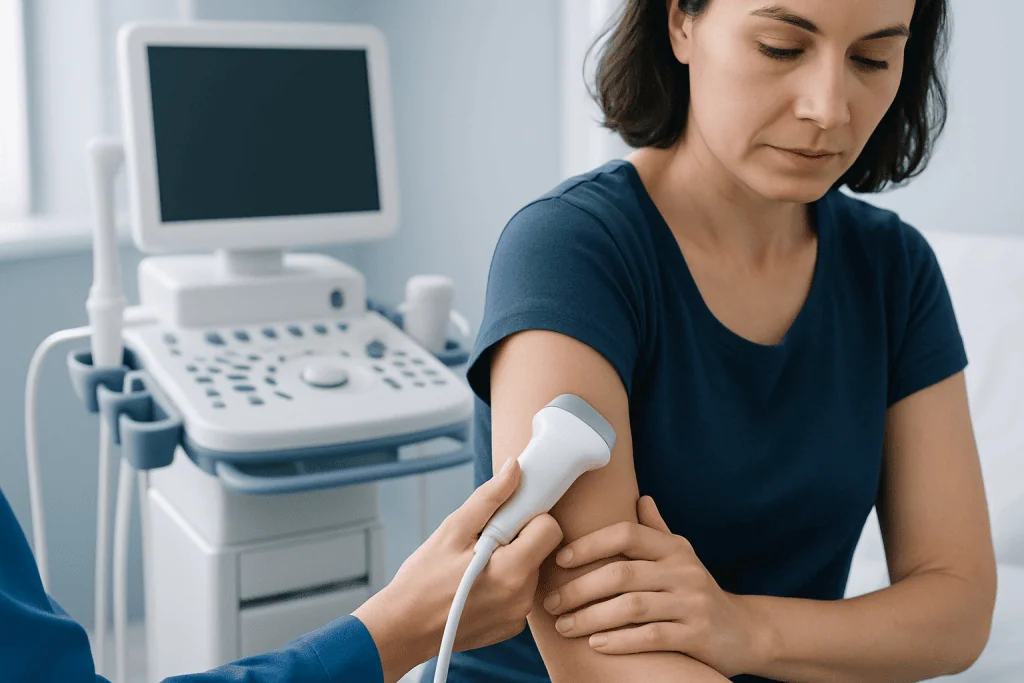
Symptoms commonly begin with tightness, pulling, tenderness, or pain in the armpit or along the inside of the arm. Raising the arm overhead, reaching for a shelf, fastening clothing, washing hair, or sleeping in certain positions may become uncomfortable. Some people first notice reduced shoulder movement before they can identify a cord.
The band often becomes clearer when the elbow is straight and the arm is lifted away from the body. The skin over the area may appear puckered or drawn inward. Discomfort ranges from mild tension to sharper pulling pain, particularly at the end of the person’s available range of movement.
Cording can affect confidence in using the arm after surgery, but avoiding movement completely may increase stiffness. A clinician or rehabilitation professional can help distinguish safe, expected postoperative tightness from symptoms that need further investigation and can recommend movement suited to the individual’s recovery stage.
- Pulling or tightness in the armpit, chest wall, or inner arm
- A palpable or visible string-like band under the skin
- Limited ability to straighten the elbow or raise the arm
- Tenderness during stretching or everyday reaching
- Shoulder stiffness or guarding of the affected arm
Why cording develops: current medical understanding
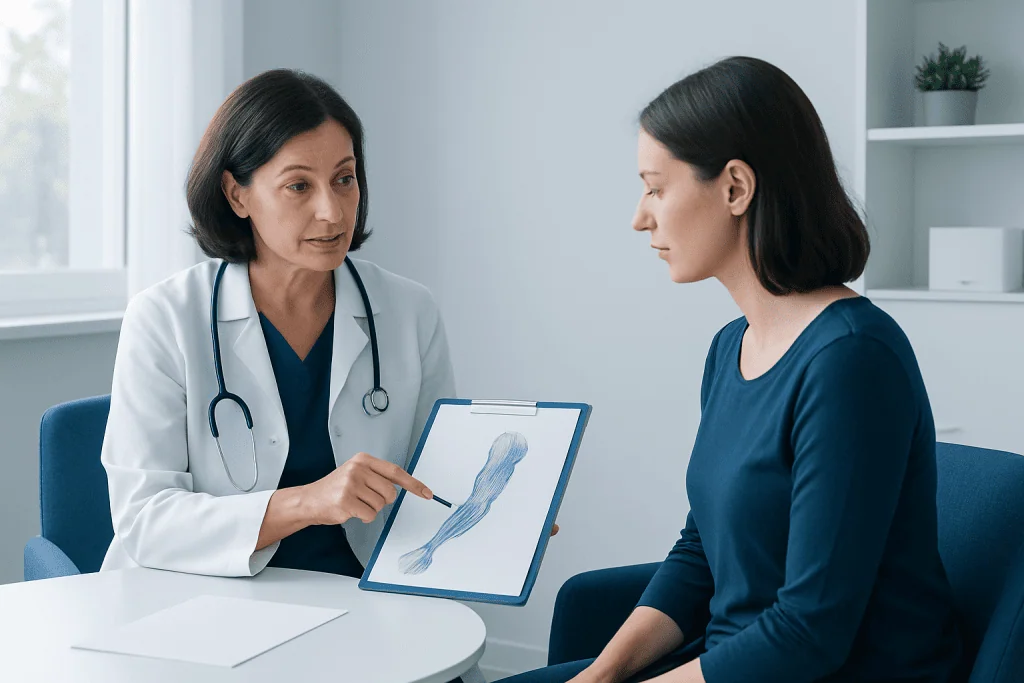
The exact biological cause of cording is still being studied. It is thought to involve changes in small lymphatic vessels, superficial veins, and surrounding connective tissue after surgery or tissue injury. Healing-related inflammation and scarring may make these structures shorter, tighter, or more noticeable beneath the skin.
It is particularly associated with operations that affect lymph nodes in the armpit, including sentinel lymph node biopsy and axillary lymph node dissection. Cording may appear after mastectomy, lumpectomy, breast reconstruction, radiation therapy, or procedures performed for other conditions. It can occur soon after surgery, but some people notice it weeks, months, or occasionally later in recovery.
Not everyone who has breast or lymph node surgery will develop cording, and it is not always possible to predict who will be affected. A history of more extensive tissue surgery, postoperative tightness, and reduced early shoulder movement may be relevant in some cases, but cording should not be viewed as something a patient has caused by moving incorrectly or failing to exercise.
How clinicians diagnose cording
Diagnosis is usually based on a medical history and physical examination. A surgeon, breast care clinician, physiotherapist, or rehabilitation specialist may ask when symptoms started, what surgery or treatment occurred, and how the tightness affects movement. They will often examine the arm and shoulder in different positions to look for a cord and assess range of motion.
Imaging is not routinely needed when findings are typical. However, an ultrasound or other test may be considered if symptoms suggest another problem, such as a blood clot, fluid collection, infection, or a separate shoulder condition. The aim is to make sure the treatment plan addresses the actual cause of symptoms.
Assessment may also include checking for arm swelling, heaviness, skin changes, and hand or arm function. These can be signs of lymphedema, a condition caused by impaired lymph drainage that requires its own management. Cording and lymphedema can occur together, but one does not automatically mean the other is present.
Treatment and rehabilitation for cording
Cording often improves over time, and treatment focuses on restoring comfortable movement and function. Referral to a physiotherapist or occupational therapist experienced in breast surgery rehabilitation can be especially helpful. Care is individualized according to the person’s operation, wound healing, pain level, cancer treatment plan, and shoulder mobility.
Common approaches include gentle range-of-motion exercises, gradual stretching, posture work, and supervised strengthening when appropriate. Therapists may use careful manual techniques to address soft-tissue tightness and teach ways to move the shoulder without excessive guarding. Exercises should feel like a manageable stretch rather than severe or persistent pain.
Simple pain-relief measures may be discussed with a clinician if discomfort interferes with sleep, rehabilitation, or daily life. Warmth may feel soothing for some people once surgical wounds have healed, but it should not be used over areas of reduced sensation, active inflammation, or unhealed skin without professional advice. Forceful self-massage, aggressive stretching, or trying to “snap” a cord is not recommended.
Recovery varies. Some cords settle in weeks, while others take longer or may recur. Continued follow-up is useful when range of motion remains limited, symptoms worsen, or treatment-related swelling develops. Early support can help people return gradually to dressing, work, exercise, and other usual activities.
Safe self-care during recovery
Following the surgical team’s instructions remains the most important part of early recovery. Once movement is permitted, regular gentle use of the arm can help prevent stiffness. Short, frequent sessions are often more comfortable than pushing through one long exercise session. A physiotherapist can demonstrate exercises that are appropriate for the stage of healing.
People may find it useful to support the arm comfortably during rest, maintain an upright posture when possible, and pace activities that involve overhead reaching or lifting. Loose, nonrestrictive clothing can reduce rubbing and make movement easier. Keeping a brief record of pain, range of motion, swelling, and changes in the cord may also help at follow-up appointments.
Healthy recovery habits, including adequate sleep, hydration, balanced nutrition, and avoiding tobacco, support general healing. There is no proven home remedy that dissolves cording immediately. The most reliable approach is patient, progressive rehabilitation combined with medical review when symptoms are persistent or concerning.
When to seek medical care
Anyone who develops a new cord-like tight area after breast, chest, or underarm surgery should mention it to their surgeon, oncology team, or primary care clinician. Prompt review is particularly useful if it is limiting shoulder movement, making daily tasks difficult, or preventing participation in recommended rehabilitation.
Medical advice should be sought promptly for new or increasing arm swelling, redness, warmth, fever, drainage from a surgical wound, severe or rapidly worsening pain, blue or pale skin color, chest pain, or shortness of breath. These symptoms are not typical features of uncomplicated cording and may require urgent evaluation.
For international patients, Acibadem International’s multidisciplinary specialists and JCI-accredited hospitals can assess postoperative arm symptoms and coordinate breast surgery, oncology, rehabilitation, and lymphedema care when needed. Individual evaluation is important because the safest plan depends on the person’s surgery, treatment history, and current symptoms.
Frequently asked questions
Is cording after breast surgery common?
Cording is a recognized complication after breast and underarm procedures, particularly those involving lymph nodes. It does not happen to everyone, and the timing and severity vary widely. A care team can assess symptoms and advise on rehabilitation.
Can cording go away on its own?
Cording often improves with time, but it may take weeks or months and can sometimes return. Gentle, clinician-guided movement and physical therapy may help restore mobility and reduce discomfort. Persistent symptoms should be reviewed rather than simply endured.
Does cording mean cancer has returned?
No. Cording is generally related to tissue and lymphatic changes after surgery or treatment, not to cancer recurrence. Still, any new or changing symptom after cancer treatment should be discussed with the treating team so it can be assessed appropriately.
Should a person stretch through the pain of cording?
Stretching should be gradual and should not cause sharp, severe, or lasting pain. Mild pulling may occur during prescribed exercises, but forceful stretching can make the area more irritated. A physiotherapist can show how to progress safely.
Is cording the same as lymphedema?
No. Cording is a tight cord-like structure beneath the skin, while lymphedema is swelling caused by reduced lymph drainage. They can occur in the same person, so new arm swelling, heaviness, or skin tightness should be assessed by a clinician.
Can cording occur without breast cancer surgery?
Yes. Although it is most often recognized after breast and lymph node surgery, cording can occur after other operations, trauma, infection, or inflammation affecting the armpit, chest, or arm. A clinician can help identify the likely cause.
References
- American Cancer Society
- National Cancer Institute
- Breast Cancer Now
- American Physical Therapy Association
- International Society of Lymphology
This article is for general information only and is not a substitute for professional medical advice. Please consult a qualified doctor about your individual situation.
Joint and spine care in Turkey — expert assessment & treatment
JCI-accredited · board-certified surgeons · reply within 24h
Add us as a Preferred Source to see more of our trusted health content across Google Search, AI Overviews and Discover.

More from the Health Library



Related Specialists

Fzt. Melisa İpar
Physical Medicine & Rehabilitation
Assoc. Prof. Dr. Filiz Gülustan
Ear Nose & Throat
Dr. Mustafa Barış Kemahli
Cardiovascular Surgery
Dr. Ali Recai Bitkay
Emergency Service