Kim Kardashian Energy Drink — Explained by Medical Evidence, Not Myths

A celebrity endorsement does not change the known health effects of caffeine or energy drinks. Many energy drinks contain high amounts of caffeine in a single can, so checking the nutrition and ingredient label is important.
Key Takeaways
- A celebrity endorsement does not change the known health effects of caffeine or energy drinks.
- Many energy drinks contain high amounts of caffeine in a single can, so checking the nutrition and ingredient label is important.
- Caffeine may briefly improve alertness, but it can also cause anxiety, poor sleep, palpitations, tremor and stomach upset.
- Children, adolescents, pregnant people and people with certain heart, anxiety or sleep conditions should be particularly cautious about energy drinks.
- Combining energy drinks with alcohol, stimulants or intense exercise can increase health risks.
The Kim Kardashian energy drink refers to a celebrity-associated caffeinated energy beverage, often discussed as Kimade. Medical evidence does not support energy drinks as a source of lasting energy or a substitute for sleep, balanced meals, hydration or healthcare; their effects depend mainly on caffeine content, other ingredients, how much is consumed and the individual’s health.
What Is the Kim Kardashian Energy Drink?
The term Kim Kardashian energy drink generally refers to Kimade, a celebrity-associated energy drink marketed through the Alani Nu brand. Like other energy drinks, it is designed to provide a temporary feeling of alertness, primarily through caffeine. It is a commercial beverage rather than a medical treatment, nutritional supplement for everyone or a proven way to improve long-term energy.
Medical evidence does not evaluate a beverage differently because of its celebrity association. The relevant health questions are the same as for any energy drink: how much caffeine and sugar it contains, whether it includes other stimulants or supplements, how much is consumed, and whether the person has health conditions or takes medicines that may interact with caffeine.
Product recipes, serving sizes and availability can change. The most reliable source for the current caffeine amount and ingredients is the can or official product label in the country where it is sold. People should avoid assuming that “zero sugar,” “low calorie,” “natural,” or “vitamin-enriched” means a drink is caffeine-free or appropriate for unrestricted use.
How Energy Drinks Affect the Body
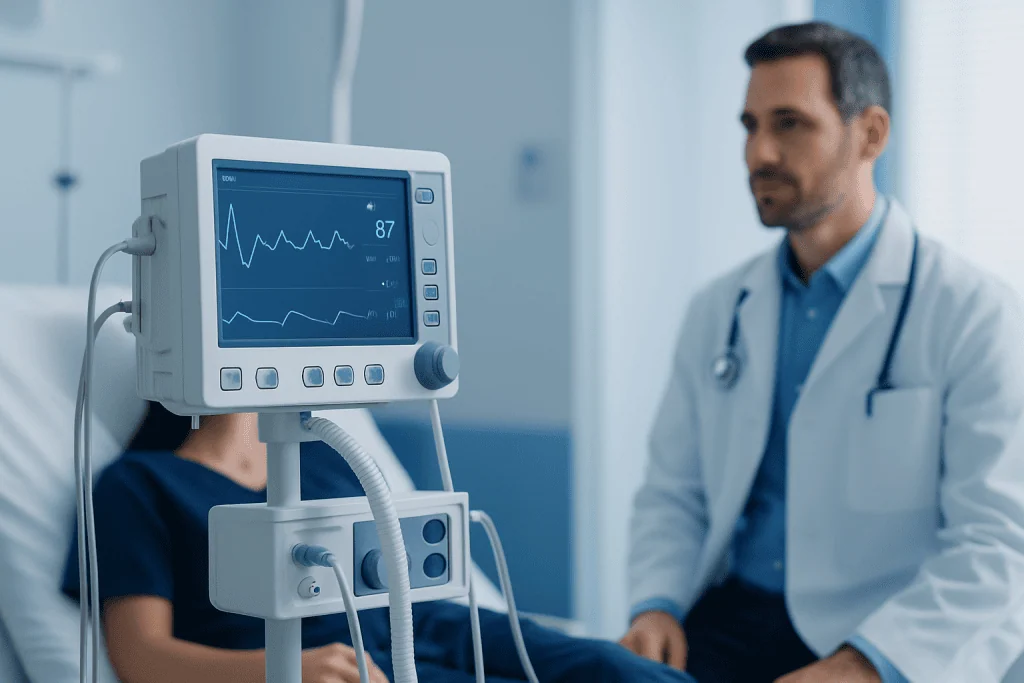
Caffeine is the main active ingredient in most energy drinks. It stimulates the central nervous system and can temporarily reduce sleepiness, improve alertness and make some people feel more focused. These effects may begin within a short time of drinking caffeine, but they do not replace restorative sleep or address the reason a person feels persistently tired.
Caffeine can also stimulate the heart and affect the digestive and nervous systems. Depending on sensitivity and dose, a person may experience a faster heartbeat, shakiness, nervousness, irritability, headache, nausea, reflux symptoms or more frequent urination. Some people feel little effect, while others develop symptoms after relatively small amounts.
Energy drinks may include B vitamins, flavorings, sweeteners, amino-acid compounds or plant-derived ingredients. B vitamins are necessary nutrients, but adding them to a drink does not reliably create energy in someone who already has an adequate diet. Evidence for many added ingredients is limited, and their presence does not cancel out the effects of caffeine.
Caffeine: The Most Important Number on the Label
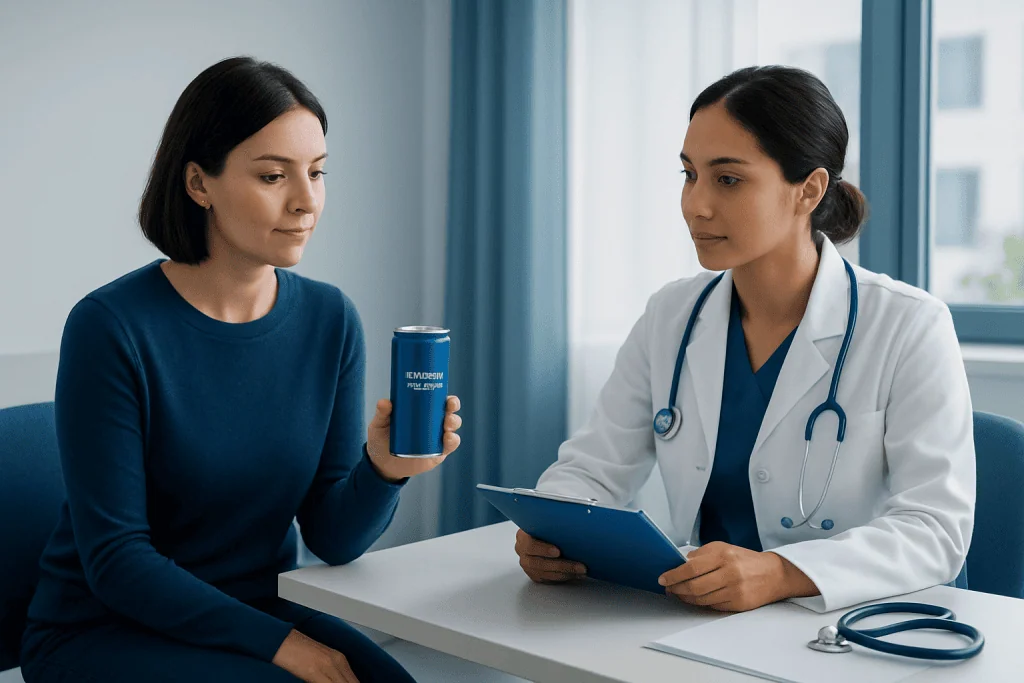
For healthy adults, many public health authorities advise keeping total caffeine intake from all sources within moderate limits. A commonly used upper limit is up to 400 milligrams of caffeine daily for most healthy adults, although individual tolerance varies widely. This total includes coffee, tea, soft drinks, pre-workout products, chocolate, energy drinks and some headache or cold medicines.
A single energy drink may contain a substantial portion of that daily amount. Drinking a can alongside coffee, espresso, strong tea or a pre-workout supplement can raise the total quickly. People may underestimate their intake because beverages are consumed at different times of day or because caffeine amounts are not compared across products.
Pregnant people are generally advised to keep caffeine intake lower and should discuss personal limits with their obstetric clinician. Children and adolescents should not routinely consume energy drinks, as professional pediatric organizations caution that these products may affect sleep, behavior and cardiovascular health. People who are sensitive to caffeine may need lower limits than those suggested for the general adult population.
- Check caffeine per can, not only caffeine per serving.
- Add up caffeine from every food, drink and supplement used that day.
- Avoid caffeine late in the day if it affects sleep.
- Do not use more than one caffeinated product to overcome tiredness without considering the cause.
Potential Benefits and Common Myths
Energy drinks can provide a short-lived increase in wakefulness, especially when a person is sleep-deprived. Caffeine may modestly support attention and reaction time in some situations. However, the effect is temporary, and it can be followed by disrupted sleep, which may contribute to further tiredness the next day.
A common myth is that an energy drink provides the same kind of energy as food, rest or medical treatment. In nutrition, the body obtains usable energy from calories and from healthy patterns of eating; caffeine mainly changes how alert a person feels. A sugar-free energy drink may contain little or no sugar, but it can still contain a high caffeine dose and still cause caffeine-related side effects.
Another myth is that vitamins in an energy drink make it a healthy alternative to water or a balanced snack. Vitamins are important when there is a deficiency or dietary need, but most people do not need high-dose vitamins for an immediate energy boost. Persistent fatigue deserves attention rather than repeated reliance on stimulants, because it can be linked with poor sleep, stress, anemia, thyroid disorders, depression, medication effects or other medical concerns.
Who Should Be Especially Careful?
Some people are more likely to experience unwanted effects from a Kim Kardashian energy drink or any other caffeinated energy drink. This includes people with palpitations, uncontrolled high blood pressure, certain heart rhythm conditions, anxiety disorders, panic symptoms, migraine triggered by caffeine, reflux disease, insomnia or other sleep difficulties. Caffeine can worsen symptoms even when it is not the original cause of the condition.
People taking prescription or non-prescription medicines should also consider possible interactions. Certain stimulant medicines, decongestants and some asthma medicines may add to caffeine’s effects on heart rate, blood pressure or nervousness. A pharmacist or doctor can help review an individual’s medicines, supplements and typical caffeine intake.
Energy drinks should not be mixed with alcohol. Caffeine can make a person feel more awake without reducing alcohol-related impairment, which may lead to greater alcohol intake or risky decisions. Using energy drinks before or during intense exercise may also be unsuitable for some people, particularly when dehydration, heat exposure, an underlying heart condition or additional stimulant products are involved.
Practical Ways to Use Caffeine More Safely
Adults who choose to drink an energy beverage can reduce risk by reading the label, limiting total caffeine for the day and avoiding rapid or repeated consumption. It is sensible to have only one caffeinated product at a time, avoid using it close to bedtime and stop if symptoms such as tremor, anxiety, nausea or a racing heart occur. Water remains the best routine choice for hydration.
People who feel they need energy drinks most days may benefit from looking at sleep duration, stress, meal patterns and physical activity. Regular meals that include protein, fiber-rich carbohydrates and healthy fats can support steadier energy. Brief movement breaks, daylight exposure and a consistent sleep schedule can also improve daytime alertness without increasing stimulant intake.
For people who want to reduce caffeine, gradual changes are often easier than suddenly stopping. Replacing one caffeinated drink with water, decaffeinated beverages or herbal tea may help reduce withdrawal symptoms such as headache, tiredness or irritability. If fatigue remains significant despite healthy sleep habits, a clinician can assess possible causes.
When to Seek Medical Care
Urgent medical assessment is important for chest pain, fainting, severe shortness of breath, a persistent or markedly irregular heartbeat, seizure, severe confusion or severe agitation after consuming an energy drink or other stimulant. These symptoms are not expected effects to manage alone at home. Emergency services should be contacted according to local guidance.
A non-urgent medical appointment is appropriate for recurrent palpitations, worsening anxiety, frequent insomnia, headaches, high blood pressure readings or ongoing fatigue. A doctor can assess whether caffeine is contributing and whether another health issue needs investigation. Keeping a brief record of drinks, supplements, sleep and symptoms can be useful at the appointment.
Acibadem International’s multidisciplinary specialists and JCI-accredited hospitals can assess symptoms related to caffeine use, sleep concerns and possible heart or metabolic conditions for international patients. Individual evaluation is especially helpful when symptoms recur, a person has an existing condition or there are questions about medication interactions.
Frequently asked questions
Is the Kim Kardashian energy drink safe?
Safety depends on the product’s current ingredients, the amount consumed and the individual’s health. For many healthy adults, occasional caffeine intake within recommended daily limits may be tolerated, but energy drinks are not suitable for everyone. Checking the label and considering caffeine from all sources is important.
How much caffeine is in the Kim Kardashian energy drink?
Caffeine content can vary by product formulation and country, so the can label is the best source of current information. People should look for the total milligrams of caffeine in the entire container, not just a listed serving. This amount should be added to caffeine from coffee, tea, soft drinks, supplements and medicines.
Can energy drinks replace sleep or breakfast?
No. Caffeine can temporarily reduce the feeling of tiredness, but it does not provide the restorative benefits of sleep or replace balanced nutrition. Regular dependence on energy drinks to function may signal that sleep, diet, stress or an underlying medical issue needs attention.
Can a sugar-free energy drink still cause side effects?
Yes. Sugar-free drinks can still contain caffeine and other ingredients that may cause palpitations, anxiety, shakiness, stomach discomfort or disrupted sleep. Lower sugar content may be relevant for some dietary goals, but it does not make high caffeine intake risk-free.
Can teenagers drink Kimade or other energy drinks?
Energy drinks are generally not recommended for children and adolescents. Young people may be more vulnerable to effects on sleep, anxiety, heart rate and blood pressure. Parents and caregivers can speak with a pediatric clinician for advice tailored to the young person’s health and caffeine exposure.
What should someone do if an energy drink causes a racing heart?
The person should stop consuming caffeine and other stimulants, rest and avoid alcohol or strenuous exercise. If the racing heart is severe, persistent, irregular, or occurs with chest pain, fainting, shortness of breath or severe dizziness, urgent medical care is needed. Recurrent symptoms should be discussed with a doctor even if they settle.
This article is for general information only and is not a substitute for professional medical advice. Please consult a qualified doctor about your individual situation.
Explore treatments in Turkey — costs, top hospitals & a free quote
JCI-accredited · board-certified surgeons · reply within 24h
Add us as a Preferred Source to see more of our trusted health content across Google Search, AI Overviews and Discover.
Check your numbers in seconds
BMI, calories, due date, blood pressure and 30+ more clinical calculators — free, instant, doctor-reviewed ranges.

More from the Health Library

Backpacks for School — Explained by Medical Evidence, Not Myths

Rogaine for Men: A Complete Medical Overview

Tretinoin Cream: An Evidence-Based Guide for Patients

Rhabdomyolysis — Explained by Medical Evidence, Not Myths

Black Licorice: An Evidence-Based Guide for Patients