Hypothyroidism Face — Explained by Medical Evidence, Not Myths

Facial puffiness, dry skin and eyebrow thinning can occur with hypothyroidism, but they are not specific to it. Low thyroid hormone may slow body processes and contribute to fluid retention and changes in skin and hair.
Key Takeaways
- Facial puffiness, dry skin and eyebrow thinning can occur with hypothyroidism, but they are not specific to it.
- Low thyroid hormone may slow body processes and contribute to fluid retention and changes in skin and hair.
- A clinician usually confirms hypothyroidism with thyroid-stimulating hormone (TSH) and free thyroxine (free T4) blood tests.
- Appropriate thyroid hormone replacement often improves hypothyroidism-related facial changes gradually.
- Sudden facial swelling, breathing difficulty or severe drowsiness requires urgent medical assessment.
Hypothyroidism face describes facial changes that may occur when thyroid hormone levels are low, including puffiness around the eyes, dry or pale skin, and thinning of the outer eyebrows. These features can have many other causes, so a thyroid blood test—not appearance alone—is needed to diagnose hypothyroidism.
Overview: What Does “Hypothyroidism Face” Mean?
“Hypothyroidism face” is an informal term for facial features that can develop when the thyroid gland does not produce enough thyroid hormone. The changes may include puffiness, particularly around the eyelids; dry, cool or pale-looking skin; a less animated facial expression; and thinning of the outer portion of the eyebrows. Some people also notice a fuller-looking face due to fluid retention.
These changes are possible signs of hypothyroidism, also called an underactive thyroid, but they cannot confirm the condition by themselves. Allergies, skin conditions, sleep problems, certain medicines, kidney disease, normal aging and many other factors may also affect the face. A qualified clinician considers the person’s symptoms, medical history, examination and blood test results together.
Hypothyroidism is usually manageable. When low thyroid hormone is confirmed and treated appropriately, symptoms such as puffiness and dry skin may improve, although the pace of change differs from person to person. The most useful next step for someone concerned about facial changes is to discuss them with a doctor rather than relying on photographs or online comparisons.
How Low Thyroid Hormone Can Affect the Face
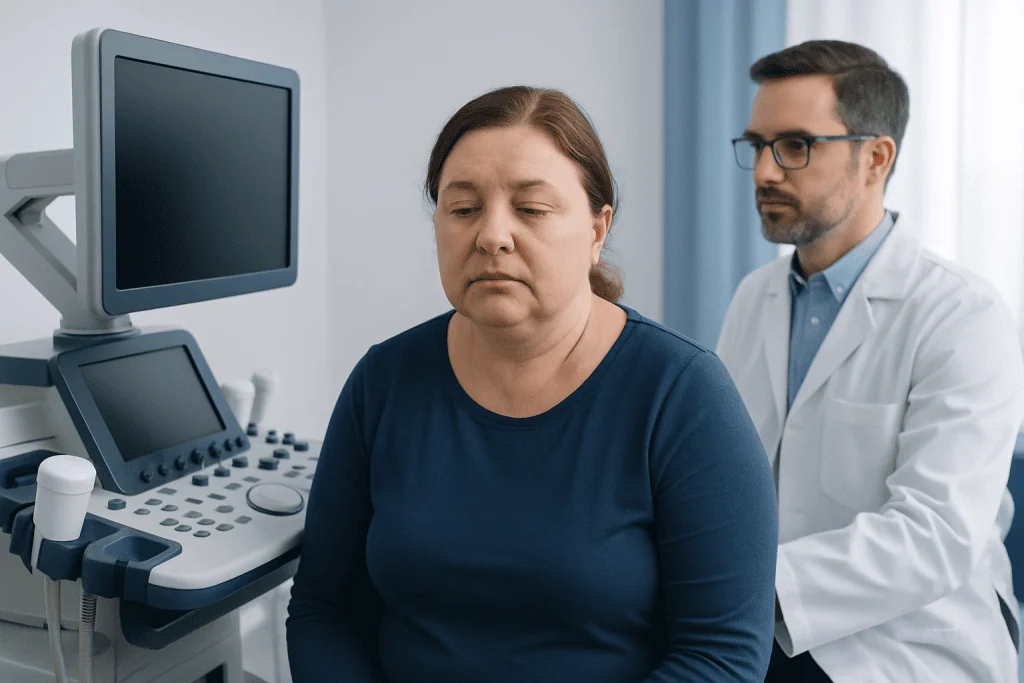
Thyroid hormones help regulate energy use, heat production, skin turnover and many other body processes. When hormone levels are low, the skin may become dry, rough, cool or pale. Reduced circulation to the skin and slower shedding of skin cells may contribute to these changes. A yellowish tint can occasionally occur because the body processes carotene, a pigment found in some foods, more slowly.
Puffiness in hypothyroidism is related to changes in the skin and soft tissues. In more pronounced, long-standing hypothyroidism, substances called glycosaminoglycans can accumulate in tissues and draw in water. This can cause non-pitting swelling, sometimes called myxedema, especially around the eyes, lips and face. This is different from ordinary temporary puffiness after a salty meal or a poor night’s sleep.
Hair and eyebrow changes may also occur. Hair can become dry, coarse or more prone to shedding, and the outer third of the eyebrows may thin. However, eyebrow thinning is not unique to thyroid disease; nutritional deficiencies, inflammatory skin conditions, hormonal changes and grooming practices can also contribute. A clinician can help identify whether thyroid testing is appropriate.
Facial Signs and Other Symptoms to Notice

Facial changes are more meaningful when they occur alongside other symptoms of an underactive thyroid. Common symptoms include tiredness, feeling unusually cold, constipation, weight gain or difficulty losing weight, muscle aches, slowed thinking, low mood, hoarseness and heavy or irregular menstrual periods. Symptoms often develop gradually and may be mild at first.
Possible facial and skin-related signs include eyelid puffiness that persists, a broad or swollen-looking face, dry or flaky skin, reduced sweating, coarse hair, diffuse hair shedding and thinning of the outer eyebrows. Some people may have a tongue that feels enlarged or a deeper voice. Not everyone with hypothyroidism develops noticeable facial changes, and symptom severity does not always match the degree of hormone abnormality.
It is important not to assume that any one feature means hypothyroidism. For example, facial swelling may occur with allergies, sinus disease, dental problems, kidney or heart conditions, medication reactions, inflammatory disorders or infections. If swelling is new, persistent, worsening or accompanied by other symptoms, medical assessment can help determine the cause safely.
- Persistent tiredness together with dry skin and facial puffiness may justify thyroid testing.
- New eyebrow thinning or hair loss should be assessed in the context of overall health, diet, skin symptoms and medications.
- Rapid swelling of the face is not typical of routine hypothyroidism and needs prompt evaluation, especially if breathing is affected.
Causes and Risk Factors for Hypothyroidism
The most common cause of hypothyroidism in areas with sufficient iodine intake is Hashimoto’s thyroiditis, an autoimmune condition in which the immune system gradually damages the thyroid gland. Other causes include treatment for an overactive thyroid, thyroid surgery, radiation involving the neck, some medicines, pituitary disorders and, less commonly, too little or too much iodine intake.
Risk can be higher in people with a personal or family history of autoimmune disease, including type 1 diabetes, celiac disease, rheumatoid arthritis or vitiligo. Hypothyroidism is also more common in women and becomes more frequent with age. Pregnancy and the period after giving birth can be associated with thyroid changes, including postpartum thyroiditis.
Some people develop subclinical hypothyroidism, meaning TSH is elevated while free T4 remains within the laboratory reference range. They may have no symptoms or nonspecific symptoms. Decisions about monitoring or treatment depend on TSH levels, symptoms, thyroid antibody results, age, pregnancy plans and other individual health factors. A clinician can explain what a particular result means rather than treating a laboratory number in isolation.
Diagnosis: Why a Mirror Cannot Confirm Hypothyroidism
Diagnosis begins with a clinical discussion. A doctor may ask about tiredness, bowel changes, temperature sensitivity, menstrual changes, mood, family history, pregnancy, recent illness and medicines or supplements. They may examine the thyroid area of the neck, skin, hair, reflexes, heart rate and any swelling. Facial appearance can be part of the assessment, but it is never a stand-alone diagnostic test.
Blood tests are the standard way to assess thyroid function. TSH is usually the initial test because it reflects how strongly the pituitary gland is signaling the thyroid. Free T4 is often checked to determine whether there is overt hypothyroidism. Thyroid peroxidase antibody testing may be useful when autoimmune thyroid disease is suspected.
People should tell their clinician about all supplements, especially biotin, which can interfere with some thyroid laboratory tests. A doctor may advise temporarily stopping biotin before testing, depending on the laboratory method and the person’s circumstances. Thyroid ultrasound is not routinely needed for abnormal blood tests alone, but may be considered if there is a thyroid enlargement, lump or other structural concern.
Treatment and Supporting Skin and Facial Care
When hypothyroidism is confirmed, treatment commonly involves levothyroxine, a synthetic form of the thyroid hormone T4. The dose is individualized according to factors such as age, weight, heart health, pregnancy status, the cause and severity of hypothyroidism, and blood test results. Regular follow-up testing helps the clinician adjust treatment carefully and avoid both undertreatment and excessive replacement.
Facial puffiness, skin dryness and hair changes usually improve only after thyroid hormone levels have been corrected over time. Improvement may take weeks to months, and hair growth cycles are particularly slow. A person should not increase, decrease or stop thyroid medication based only on appearance or symptoms; the treatment plan should be guided by a clinician and follow-up blood tests.
Simple supportive care may ease symptoms while treatment is being optimized. This can include using a gentle fragrance-free moisturizer, protecting dry skin from harsh cleansers, eating a varied diet, staying physically active within personal limits and prioritizing regular sleep. Iodine or “thyroid support” supplements should not be started without medical advice, as excess iodine and unregulated products can worsen thyroid problems or interfere with treatment.
Acibadem International’s multidisciplinary specialists and JCI-accredited hospitals diagnose and treat thyroid conditions for international patients, with care plans based on clinical evaluation and appropriate laboratory monitoring.
When to Seek Medical Care
A person should arrange a routine medical appointment if facial puffiness, dry skin, eyebrow thinning, fatigue, constipation, cold sensitivity or unexplained changes in weight persist for several weeks. Assessment is also sensible for people with a family history of thyroid disease, a previous thyroid condition, autoimmune disease, prior neck radiation, thyroid surgery, or recent pregnancy.
Urgent medical care is needed for sudden swelling of the face, lips, tongue or throat; trouble breathing or swallowing; chest pain; fainting; severe confusion; or a rapidly worsening illness. These symptoms may be caused by conditions other than hypothyroidism and should not be managed by waiting for routine thyroid testing.
Severe untreated hypothyroidism rarely progresses to a life-threatening state called myxedema coma, which can involve marked drowsiness or confusion, low body temperature, slow heart rate and breathing problems. This is a medical emergency. Early evaluation of persistent symptoms and adherence to prescribed treatment are effective ways to reduce the risk of complications.
Frequently asked questions
Can hypothyroidism change the shape of the face?
Hypothyroidism can make the face appear fuller or puffier because of changes in soft tissues and fluid retention. It does not usually permanently change the underlying bone structure of the face. If low thyroid hormone is the cause, appropriate treatment may gradually reduce related puffiness.
Are puffy eyes always a sign of hypothyroidism?
No. Puffy eyes are common and may be related to allergies, sleep, salt intake, aging, sinus problems, skin irritation or other medical conditions. Persistent puffiness accompanied by fatigue, dry skin, constipation or cold intolerance is a reason to discuss thyroid testing with a clinician.
Does thinning of the outer eyebrows mean someone has hypothyroidism?
Thinning of the outer eyebrows can occur in hypothyroidism, but it is not diagnostic. It can also result from skin conditions, nutritional deficiencies, hormonal shifts, hair-pulling, aging or other causes. A doctor can evaluate eyebrow loss alongside other symptoms and, if needed, order blood tests.
How long does it take for hypothyroidism facial changes to improve?
After effective treatment begins, symptoms may improve gradually over several weeks or months. Dryness and puffiness may improve at different rates, while hair and eyebrow regrowth can take longer because hair grows in cycles. Follow-up blood tests are important to confirm that thyroid hormone replacement is at the right level.
Can hypothyroidism cause facial swelling on only one side?
Hypothyroidism-related puffiness is more often generalized or affects both sides of the face and eyelids. One-sided facial swelling may suggest a dental, sinus, salivary gland, skin or other local issue. New one-sided swelling should be assessed by a healthcare professional, especially if it is painful, red or associated with fever.
Should a person take iodine for a hypothyroidism face?
Iodine is necessary for thyroid hormone production, but most people do not benefit from taking extra iodine without medical advice. In some thyroid conditions, especially autoimmune thyroid disease, too much iodine may worsen thyroid dysfunction. A clinician can advise whether iodine intake or any supplement is appropriate after identifying the cause of hypothyroidism.
This article is for general information only and is not a substitute for professional medical advice. Please consult a qualified doctor about your individual situation.
Hypothyroidism in Turkey — costs, top hospitals & a free quote
JCI-accredited · board-certified surgeons · reply within 24h
Add us as a Preferred Source to see more of our trusted health content across Google Search, AI Overviews and Discover.

Check-up & Preventive Medicine
Comprehensive health screenings designed for early detection and prevention.
1 specialists in this unitMore from the Health Library

Dysania: What Patients Need to Know

Impaired Fasting Glucose: An Evidence-Based Guide for Patients

Sushi House: A Complete Medical Overview

Small Penis: A Complete Medical Overview

Rectovaginal Exam: What Patients Need to Know