Cervicitis Symptoms: Possible Causes and When to Seek Care

Cervicitis is inflammation of the cervix, the lower part of the uterus that opens into the vagina. Some cases are caused by sexually transmitted infections, while others relate to irritation, altered vaginal bacteria, or other noninfectious factors.
Key Takeaways
- Cervicitis is inflammation of the cervix, the lower part of the uterus that opens into the vagina.
- Some cases are caused by sexually transmitted infections, while others relate to irritation, altered vaginal bacteria, or other noninfectious factors.
- Symptoms can overlap with vaginitis, urinary tract infections, pelvic inflammatory disease, and cervical conditions, so self-diagnosis is not reliable.
- Testing may include a pelvic examination and swabs or urine tests for infections such as chlamydia and gonorrhea.
- Treatment depends on the cause and may include antibiotics, treatment of sexual partners, or avoiding an irritant.
- Prompt care is important for pelvic pain, fever, pregnancy, bleeding after sex, or possible exposure to a sexually transmitted infection.
Cervicitis symptoms may include changes in vaginal discharge, bleeding after sex or between periods, pain during sex, or discomfort when urinating. However, many people have no noticeable symptoms, so an examination and appropriate testing are important when infection or cervical irritation is suspected.
What are cervicitis symptoms?
Cervicitis symptoms can include unusual vaginal discharge, bleeding after sexual intercourse, spotting between periods, pain during sex, and burning or discomfort with urination. Cervicitis means inflammation of the cervix, the narrow lower portion of the uterus. The cervix helps form a barrier between the vagina and uterus, and inflammation can make its tissues more sensitive and prone to bleeding.
Many people with cervicitis do not notice any symptoms. It may be found during a routine pelvic examination, cervical screening appointment, or testing for a sexually transmitted infection (STI). Because symptoms are not specific to one condition, changes in discharge or bleeding should be assessed by a qualified healthcare professional rather than treated based on symptoms alone.
Cervicitis is often manageable once its cause is identified. Timely assessment can help treat infections, reduce the chance of passing certain infections to partners, and identify less common causes of cervical irritation or bleeding.
How cervicitis may feel and look
Vaginal discharge linked with cervicitis may be more noticeable than usual or may change in color, texture, or odor. It can be yellow, greenish, cloudy, or mucus-like, although discharge alone does not confirm cervicitis. Normal discharge also varies across the menstrual cycle, with hormonal changes, pregnancy, and some contraceptive methods.
Bleeding after sex is another possible sign. An inflamed cervix can bleed more easily when touched during intercourse, a pelvic examination, or cervical screening. Spotting between periods may also occur. These symptoms have many possible explanations, including hormonal changes, vaginal dryness, cervical polyps, infections, and conditions affecting the cervix, so they should be checked rather than assumed to be due to cervicitis.
Some people experience discomfort during penetrative sex, a dull ache low in the pelvis, or urinary symptoms such as burning. Severe lower abdominal pain, fever, nausea, or feeling unwell is not typical of uncomplicated cervicitis and may indicate infection involving the upper reproductive organs. These symptoms need prompt medical assessment.
- Unusual or persistent vaginal discharge
- Bleeding after sex or between menstrual periods
- Pain during sex
- Burning or pain when passing urine
- Pelvic discomfort or pressure
- No symptoms at all
Possible causes and risk factors

Infectious cervicitis is commonly associated with STIs, particularly chlamydia and gonorrhea. Trichomoniasis and genital herpes can also cause cervical inflammation. These infections may have mild symptoms or no symptoms, which is why testing can be important after possible exposure even when a person feels well.
Not every case is caused by an STI. Cervicitis may develop with bacterial imbalance in the vagina, irritation from products such as scented soaps, vaginal washes, spermicides, lubricants, or latex, and sensitivity to certain devices or materials. Occasionally, clinicians cannot identify a clear cause. A healthcare professional will consider symptoms, examination findings, sexual history, recent procedures, medications, and possible exposures when deciding which tests are appropriate.
Factors that can increase the likelihood of an STI-related cause include having a new sexual partner, multiple partners, a partner with an STI, or sex without barrier protection. These factors are not a judgment about an individual; they simply help guide testing and prevention discussions. Anyone who is sexually active can develop an STI.
Inflammation of the cervix can sometimes occur alongside other gynecologic conditions. For example, vaginal infections may cause similar symptoms, while untreated cervical infections can in some cases spread upward and contribute to pelvic inflammatory disease.
How cervicitis is diagnosed
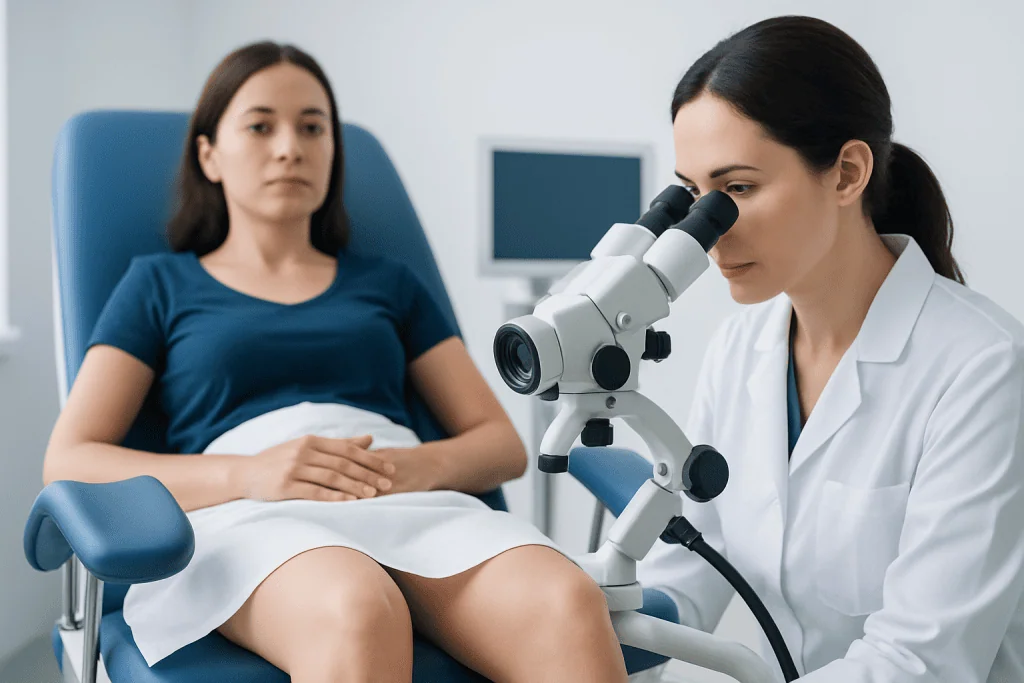
Diagnosis begins with a conversation about symptoms, menstrual history, contraception, pregnancy possibility, sexual health, recent new products or medications, and prior infections. A clinician may perform a pelvic examination using a speculum to view the vagina and cervix. The cervix may appear red, swollen, tender, or may bleed easily when gently touched, but appearance alone cannot establish the underlying cause.
Samples of vaginal or cervical fluid may be tested for chlamydia, gonorrhea, trichomoniasis, and other infections. In some settings, a urine sample can be used for certain STI tests. Testing for HIV, syphilis, and other STIs may also be recommended depending on individual circumstances. Pregnancy testing may be appropriate when there is a possibility of pregnancy, pelvic pain, or abnormal bleeding.
A clinician may also assess for yeast infection, bacterial vaginosis, urinary tract infection, or other causes of symptoms. Cervical screening is not a test for cervicitis or most STIs, but it may be reviewed if a person is due for screening or has unexplained bleeding. Further evaluation may be needed if bleeding persists after infection and irritation have been addressed.
Treatment options and sexual health considerations
Cervicitis treatment is based on the cause. When an STI is suspected or confirmed, a clinician may prescribe an antibiotic or other infection-specific medicine. It is important to take treatment exactly as directed, even if symptoms improve quickly. Symptoms may persist if the infection is not fully treated, if there is reinfection, or if another condition is present.
For some infections, recent sexual partner or partners should be informed, tested, and treated when advised. This helps prevent reinfection and reduces transmission. A clinician will explain whether sexual contact should be avoided until treatment is completed, symptoms have settled, and partners have received recommended care. Barrier methods such as condoms can reduce the risk of many STIs, though they do not eliminate risk completely.
If no infection is found, treatment may focus on avoiding likely irritants, such as fragranced intimate products, douches, or a new lubricant or spermicide. Vaginal douching is generally not recommended because it can irritate tissue and disrupt the vagina’s normal balance of bacteria. People should not use leftover antibiotics or over-the-counter vaginal products without guidance, as these may not treat the cause and can delay accurate diagnosis.
When infection is identified, clinicians may recommend repeat testing after treatment in selected situations, particularly where reinfection is common. Follow-up is also sensible if symptoms do not improve, recur, or are accompanied by new pelvic pain or abnormal bleeding.
Prevention and practical self-care
Not all cases of cervicitis can be prevented, but several steps can lower the chance of infection and irritation. Using condoms or other barrier methods consistently, having regular STI testing when appropriate, and discussing sexual health openly with partners are practical measures. Testing is especially worth considering after a new partner, possible exposure to an STI, or symptoms in either partner.
Gentle external washing with water or a mild, unscented product is usually sufficient for intimate hygiene. The vagina cleans itself, so douching, deodorant sprays, scented pads, and fragranced washes are unnecessary and may worsen irritation. If symptoms began after using a new product, stopping it and speaking with a clinician can help identify whether sensitivity is involved.
Routine gynecologic care and recommended cervical screening remain important. Screening helps detect cell changes in the cervix; it does not replace STI testing or an evaluation of new symptoms. People who are pregnant, trying to conceive, or have recurrent symptoms should seek individualized advice before using any vaginal medication or remedy.
When to seek medical care
Medical advice is recommended for unusual discharge, bleeding after sex, spotting between periods, pain with sex, burning when urinating, or possible exposure to an STI. An appointment is also appropriate when symptoms persist after avoiding potential irritants or after treatment for a presumed vaginal infection. Early testing can clarify whether cervicitis is present and guide treatment safely.
Urgent assessment is needed for severe or worsening pelvic or lower abdominal pain, fever, vomiting, fainting, heavy vaginal bleeding, or feeling significantly unwell. These symptoms can have several causes, including conditions that need prompt treatment. People who are pregnant should contact their maternity or healthcare team promptly for bleeding, pelvic pain, unusual discharge, or concern about infection.
Specialists at Acibadem International’s multidisciplinary teams and JCI-accredited hospitals can assess cervical symptoms and provide appropriate gynecologic and sexual health care for international patients. A clinician can also advise whether a gynecological examination or further testing is appropriate based on the individual’s symptoms and health history.
Frequently asked questions
Can cervicitis go away on its own?
Whether cervicitis improves without treatment depends on its cause. Irritation-related inflammation may improve after the trigger is removed, but bacterial or sexually transmitted infections usually require prescribed treatment. Testing is important because untreated infections can persist even if symptoms are mild or absent.
What does cervicitis discharge look like?
Cervicitis can cause more discharge than usual or discharge that is yellow, greenish, cloudy, or mucus-like. However, discharge appearance cannot reliably identify the cause. Vaginal infections, normal hormonal changes, and other conditions can produce similar changes.
Is cervicitis an STI?
Cervicitis is inflammation of the cervix, not an STI by itself. It can be caused by STIs such as chlamydia or gonorrhea, but it may also result from irritation, bacterial imbalance, or other noninfectious factors. Appropriate testing determines whether an STI is involved.
Can cervicitis cause bleeding after sex?
Yes. An inflamed cervix may bleed more easily during or after sex because the tissue is sensitive. Bleeding after sex has several possible causes, so it should be discussed with a healthcare professional, especially if it recurs.
Can cervicitis affect fertility?
Cervicitis itself does not always affect fertility. However, some untreated STIs that cause cervicitis can spread to the uterus and fallopian tubes, increasing the risk of pelvic inflammatory disease and fertility problems. Prompt diagnosis and treatment help reduce this risk.
Should a partner be treated for cervicitis?
Partner treatment depends on the cause. If an STI is diagnosed or strongly suspected, recent sexual partners may need testing and treatment to prevent reinfection and further transmission. A clinician can provide advice based on the specific infection and timing of sexual contact.
This article is for general information only and is not a substitute for professional medical advice. Please consult a qualified doctor about your individual situation.
Explore treatments in Turkey — costs, top hospitals & a free quote
JCI-accredited · board-certified surgeons · reply within 24h
Add us as a Preferred Source to see more of our trusted health content across Google Search, AI Overviews and Discover.

More from the Health Library

When Do Infants Begin to Walk? Causes, Explanations, and Next Steps

Saxenda vs Wegovy: Key Differences and How Doctors Tell Them Apart

What Causes Dry Mouth? A Doctor-Reviewed Answer

What Is Cranberry Juice Good for Sexually? Here Is What the Evidence Says

How Long You Can Hold Pee? A Doctor-Reviewed Answer