Gilovi — Explained by Medical Evidence, Not Myths

Gilovi does not have a universally recognized definition in mainstream medical guidelines. A product name alone cannot show that a remedy is safe, effective, or appropriate for a particular symptom.
Key Takeaways
- Gilovi does not have a universally recognized definition in mainstream medical guidelines.
- A product name alone cannot show that a remedy is safe, effective, or appropriate for a particular symptom.
- Reliable decisions depend on identifying the exact ingredients, manufacturer, purpose, and regulatory status.
- Symptoms should not be self-treated with an unverified product when they are persistent, severe, or unexplained.
- A doctor or pharmacist can help assess potential benefits, interactions, and safer evidence-based options.
Gilovi is not a clearly defined medical diagnosis, medicine, or internationally standardized treatment term. When a product or remedy is promoted under this name, its ingredients, intended use, quality controls, and evidence should be checked carefully before it is used.
What is gilovi?
Gilovi is a term that may appear in online searches, social-media posts, advertisements, or informal health discussions. It is not a standard medical diagnosis and is not widely recognized as the generic name of a medicine in major clinical guidelines. In practice, the term may refer to a branded product, a supplement, a local remedy, a misspelling, or a non-medical wellness claim.
Because the name alone does not identify a single, established treatment, it is not possible to make reliable conclusions about gilovi without further details. A meaningful assessment requires the full product label, active ingredients, stated purpose, country of sale, manufacturer, and whether it has been authorized or regulated by the relevant health authority.
People considering a product marketed as gilovi should approach claims calmly and critically. The absence of clear evidence does not automatically mean a product is harmful, but it does mean that benefits, side effects, and interactions may be uncertain.
Why medical evidence matters
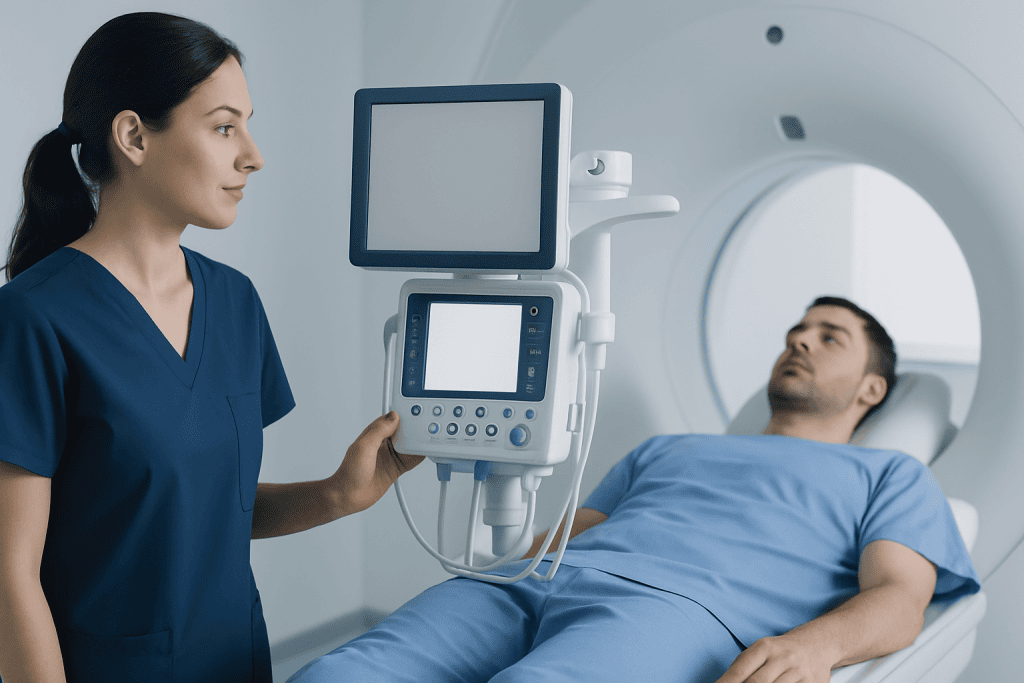
Medical evidence helps distinguish treatments that are likely to provide meaningful benefit from those supported mainly by testimonials, advertising, or tradition. Strong evidence usually comes from well-designed research involving appropriate comparison groups, transparent methods, and review by independent experts. It should also be consistent with guidance from recognized medical organizations.
Personal stories can feel convincing, especially when someone reports improvement after taking a product. However, symptoms may improve naturally, fluctuate over time, or change because of rest, diet, other treatment, or expectations. One person’s experience cannot reliably predict another person’s outcome.
For a product described as gilovi, the key question is not whether positive claims exist online. It is whether the exact product and its ingredients have been tested for the specific health purpose being claimed, in people similar to those who may use it.
- Look for a clear ingredient list and manufacturer details.
- Check whether claims match the product’s regulated purpose.
- Be cautious when claims promise rapid, guaranteed, or universal results.
- Discuss the product with a qualified healthcare professional before using it for a medical condition.
Common myths and how to assess claims

One common myth is that a product is safe because it is described as natural, herbal, traditional, or non-prescription. Natural substances can still cause allergic reactions, affect the liver or kidneys, alter blood pressure or blood sugar, and interact with prescribed medicines. Safety depends on the substance, dose, purity, and the person using it.
Another misconception is that online popularity proves effectiveness. Search rankings, reviews, influencer endorsements, and before-and-after images are marketing tools or individual reports, not substitutes for clinical evidence. Health information is more trustworthy when it clearly identifies its sources, limits, and possible risks.
People should also be cautious of products that claim to treat many unrelated diseases, replace prescribed treatment, detoxify the body, or cure chronic illness without medical follow-up. These messages may delay assessment of conditions that need timely care. For symptoms such as ongoing pain, fatigue, digestive upset, skin changes, or weight changes, identifying the underlying cause is more important than relying on a broadly marketed remedy.
Safety questions before using a product called gilovi
Before starting any unfamiliar health product, it is sensible to confirm exactly what it contains. Product labels should list active and inactive ingredients, directions for use, warnings, storage information, expiration date, and the responsible manufacturer or distributor. A missing, vague, or inconsistent label is a reason not to use the product until reliable information is available.
Special caution is appropriate for children, older adults, pregnant or breastfeeding people, and people with long-term health conditions. Those taking medicines for blood thinning, diabetes, seizures, mood disorders, heart disease, blood pressure, immune conditions, or cancer should ask a doctor or pharmacist about possible interactions. Supplements and remedies can alter how prescribed medicines work.
It is also important not to stop, reduce, or replace prescribed treatment based on claims about gilovi. If a person is looking for symptom relief or support for a diagnosed condition, a clinician can explain evidence-based choices and whether a complementary approach can be used safely alongside usual care.
If a product causes rash, swelling, breathing difficulty, severe vomiting, fainting, confusion, chest discomfort, or another concerning reaction, it should be stopped and urgent medical advice should be sought.
A practical way to verify health information
A careful review can make health decisions less confusing. Start by recording the exact spelling of the product name and taking a photo of the packaging or label. This can help a pharmacist or doctor identify whether it is a medicine, dietary supplement, cosmetic product, herbal preparation, or something else.
Next, compare the marketing claim with the available information. Reputable sources generally describe who a treatment is for, its known risks, how it was studied, and where uncertainty remains. Claims that use only dramatic language, undisclosed “secret” ingredients, or vague scientific terms deserve particular caution.
For ongoing symptoms, medical evaluation may be more useful than searching for a single product. Conditions with similar symptoms can have very different causes. For example, persistent abdominal symptoms may require assessment for digestive conditions, while unexplained tiredness may need a review of sleep, nutrition, medications, mental health, and blood tests when clinically appropriate.
Evidence-based care and self-care choices
The most suitable care depends on the symptom or diagnosis rather than on a product name. A healthcare professional may recommend monitoring, lifestyle changes, laboratory testing, counselling, medication, rehabilitation, or referral to a specialist. These options can be tailored to a person’s age, medical history, current medicines, and goals.
General health measures may support wellbeing, although they are not replacements for medical treatment. These include regular meals with a balanced pattern of foods, adequate fluid intake, movement suited to the individual, sleep, stress management, and avoiding tobacco. People with a diagnosed condition should seek advice before making major dietary or exercise changes.
When someone is interested in complementary products, open discussion is helpful. Sharing all medicines, vitamins, teas, powders, and supplements with the care team reduces the chance of interactions or duplicated ingredients. A clinician can also help identify whether a symptom may relate to a condition needing targeted care, such as diabetes or another metabolic disorder.
When to seek medical care
Medical care is appropriate when symptoms are new, persistent, worsening, or affecting daily life, especially if a person is considering gilovi because they have not yet received a diagnosis. A doctor can assess the symptom, review possible causes, and discuss safe options based on the available evidence.
Urgent assessment is needed for signs such as chest pain, severe shortness of breath, sudden weakness or speech difficulty, fainting, severe allergic symptoms, severe abdominal pain, vomiting blood, black stools, high fever with marked illness, or thoughts of self-harm. These symptoms should not be managed with supplements or online remedies.
Acibadem International’s multidisciplinary specialists and JCI-accredited hospitals can assess symptoms, clarify diagnoses, and discuss evidence-based treatment options for international patients. Bringing the product packaging or a complete ingredient list to an appointment can help make the consultation more useful.
Frequently asked questions
Is gilovi a recognized medicine?
Gilovi is not widely recognized as a standard generic medicine name or medical diagnosis in major international clinical guidance. It may refer to a particular brand, supplement, local product, or informal term. The exact packaging and ingredient list are needed to assess it properly.
Does gilovi have proven health benefits?
Benefits cannot be confirmed from the name alone. Evidence would need to relate to the exact product, its ingredients, dose, quality, and the health concern it is intended to address. People should be cautious when claims rely mainly on testimonials or promotional content.
Is gilovi safe to take with prescription medicine?
It may or may not be safe, depending on its ingredients and the medicines a person takes. Some supplements and herbal products can change the effects of prescription drugs or increase side-effect risks. A pharmacist or doctor should review the complete product label before use.
Can a natural product marketed as gilovi cause side effects?
Yes. Natural products can cause allergic reactions, stomach upset, changes in blood pressure or blood sugar, and medication interactions. Product quality and ingredient accuracy can also vary, particularly when products are purchased from unverified sources.
Should gilovi replace treatment prescribed by a doctor?
No. A person should not stop or replace prescribed treatment with an unfamiliar product without discussing it with the clinician who manages their care. Doing so may allow an underlying condition to worsen or delay appropriate diagnosis.
What should someone bring to a medical appointment to ask about gilovi?
The product container, label, ingredient list, directions, and any online information about the product can be helpful. It is also important to bring a current list of prescribed medicines, over-the-counter medicines, vitamins, and supplements. This allows the healthcare professional to assess possible risks and interactions more accurately.
This article is for general information only and is not a substitute for professional medical advice. Please consult a qualified doctor about your individual situation.
Explore treatments in Turkey — costs, top hospitals & a free quote
JCI-accredited · board-certified surgeons · reply within 24h
Add us as a Preferred Source to see more of our trusted health content across Google Search, AI Overviews and Discover.
Check your numbers in seconds
BMI, calories, due date, blood pressure and 30+ more clinical calculators — free, instant, doctor-reviewed ranges.

More from the Health Library

Colostomy Bag: A Complete Medical Overview

Hip Rom: A Complete Medical Overview

Cornstarch — Explained by Medical Evidence, Not Myths

Paracetamol — Explained by Medical Evidence, Not Myths

Retrolisthesis — Explained by Medical Evidence, Not Myths