Height Reduction Surgery: Benefits, Risks, and Recovery — A Complete Guide

Height reduction surgery is uncommon and usually involves shortening the femur bones, sometimes the tibias. The procedure requires cutting bone and stabilizing it with internal fixation while healing occurs.
Key Takeaways
- Height reduction surgery is uncommon and usually involves shortening the femur bones, sometimes the tibias.
- The procedure requires cutting bone and stabilizing it with internal fixation while healing occurs.
- Suitable candidates need completed skeletal growth, good overall health, realistic expectations, and psychological readiness.
- Recovery commonly includes temporary limits on weight-bearing, structured physiotherapy, and repeated follow-up imaging.
- Potential benefits must be weighed against risks such as infection, delayed bone healing, blood clots, stiffness, nerve injury, and persistent pain.
Height reduction surgery is a major orthopedic procedure that reduces stature by shortening one or both long bones in the legs, most often the femurs. It may be considered for carefully selected adults, but it involves meaningful recovery time, rehabilitation, and risks that should be discussed in detail with an experienced orthopedic team.
Overview: What Is Height Reduction Surgery?
Height reduction surgery, also called stature-shortening or bone-shortening surgery, is an orthopedic operation designed to reduce a person’s overall height. It is usually performed by shortening the long bones of the legs, particularly the femurs (thigh bones). Because the legs contribute substantially to standing height, even a relatively small change in bone length can reduce total stature.
This is a complex and uncommon elective procedure. It is very different from procedures used to correct unequal leg lengths, where the goal is to improve symmetry and function. In stature-shortening surgery, the central goal is to reduce height, so careful assessment of physical health, mobility, body proportions, daily needs, and emotional wellbeing is essential before any decision is made.
There is no universally appropriate amount of height reduction. The surgical team considers whether a proposed change can be achieved safely while preserving balanced body proportions, joint function, muscle strength, and gait. A specialist consultation is necessary to understand what may be feasible for an individual.
How the Procedure Works
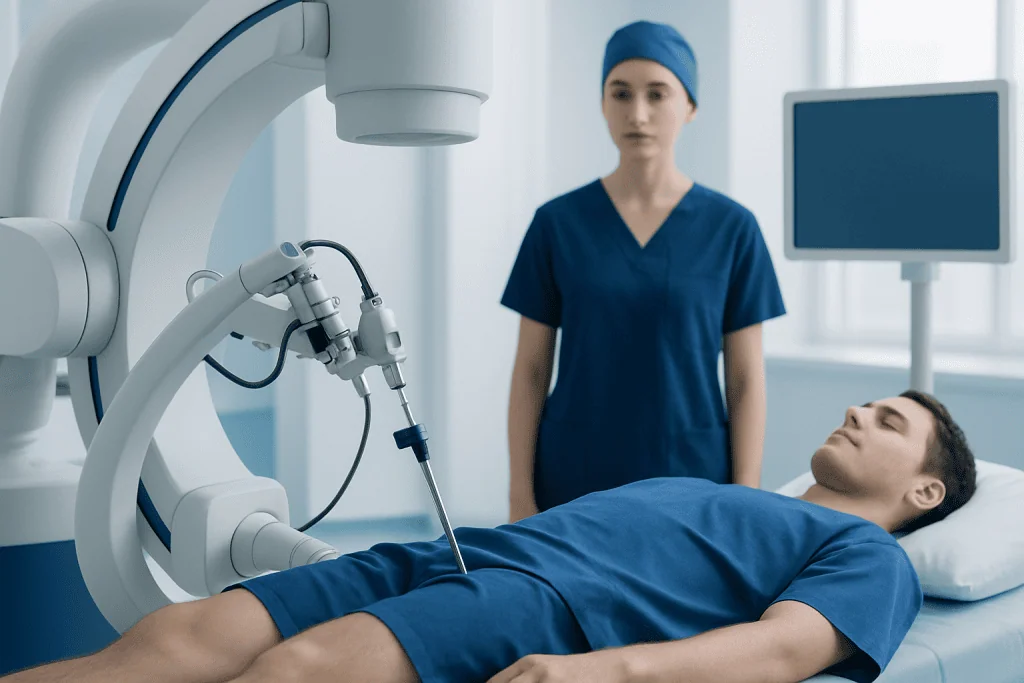
The operation works by removing a measured segment of bone, then bringing the remaining bone ends together. This controlled bone cut is called an osteotomy. In most cases, surgeons shorten both legs by the same amount so that leg lengths remain equal and walking mechanics are preserved.
Femoral shortening is commonly considered because shortening the thigh bones may allow a meaningful change in height while maintaining a more balanced appearance. In selected circumstances, surgeons may assess the tibias (shin bones), but decisions depend on anatomy, joint alignment, muscle and soft-tissue flexibility, and the desired result.
After the bone is shortened, it must be held securely while it heals. Depending on the surgical plan, fixation may use an intramedullary nail placed inside the bone, a plate and screws, or another orthopedic stabilization method. The details of orthopedic limb reconstruction procedures can help patients understand the principles of bone alignment, fixation, healing, and rehabilitation, although lengthening and shortening operations have different goals.
Bone healing is gradual. New bone forms across the osteotomy site, while muscles, tendons, nerves, and skin adapt to the changed limb length. Rehabilitation is therefore not an optional extra; it is a core part of treatment.
Who May Be a Candidate?

Potential candidates are adults whose growth plates have closed and whose bones have completed normal growth. Surgery during ongoing growth is generally not appropriate because future bone growth could affect the result. A thorough orthopedic evaluation is needed to confirm skeletal maturity and identify any issue that could make surgery less safe.
A candidate should have good enough general health for anesthesia, surgery, and rehabilitation. The team may assess bone quality, nutritional status, circulation, joint health, muscle flexibility, and medical conditions that can affect healing, such as diabetes, smoking-related disease, or certain inflammatory disorders. Previous fractures, operations, chronic pain, and medication use also need review.
Psychological assessment can be an important and supportive part of planning elective stature modification. It helps ensure that expectations are realistic, that the person understands the recovery demands, and that body-image concerns or emotional distress receive appropriate care. Surgery should not be rushed as a response to pressure from others or a short-term emotional crisis.
- Completed skeletal growth and adequate bone health
- Ability and willingness to follow a lengthy rehabilitation plan
- Realistic understanding of possible outcomes and complications
- Reliable support during early recovery, when mobility may be limited
- No untreated medical or psychological issue likely to compromise recovery
What Happens Before and During Surgery?
Planning begins with a detailed consultation, physical examination, and imaging. Standing X-rays of the full lower limbs help the surgeon measure leg lengths, assess alignment from the hips to the ankles, and plan the location and amount of shortening. Additional imaging or laboratory tests may be needed based on the person’s health history.
Before surgery, the care team discusses anticipated mobility restrictions, pain-control approaches, blood-clot prevention, rehabilitation arrangements, and the need for follow-up appointments. Patients should disclose all medicines, supplements, allergies, nicotine use, and prior health conditions. The surgeon may recommend changes before surgery to reduce avoidable risks, such as stopping nicotine products and improving nutrition.
During the procedure, the patient receives anesthesia. The surgeon makes planned incisions, performs osteotomies, removes the intended bone segment, aligns the bone ends, and secures them using the selected fixation device. Soft tissues are handled carefully to protect nearby nerves and blood vessels. The exact duration and hospital stay vary with the technique, the number of bones treated, and individual recovery needs.
After surgery, imaging confirms bone alignment and fixation. Early care focuses on pain relief, circulation, safe movement, wound monitoring, and beginning rehabilitation under the guidance of the orthopedic and physiotherapy teams.
Benefits and Limits to Consider
The possible benefit of height reduction surgery is a permanent reduction in stature for a person who has carefully considered the decision and is medically suitable. For some individuals, achieving a planned change in height may improve comfort with body image or make certain practical aspects of daily life feel easier. These experiences are personal and cannot be predicted or guaranteed.
However, the procedure does not address every difficulty a person may associate with being tall. Social experiences, confidence, clothing concerns, pain, or dissatisfaction with appearance can have several causes. A consultation should explore whether non-surgical support, physical therapy, ergonomic adjustments, counseling, or other approaches could help before considering irreversible surgery.
Any height change must also be balanced against the effect on proportions and function. Shortening bones changes the relationship between muscles, tendons, joints, and gait. An experienced surgeon will aim to preserve safe alignment and mobility, but there are anatomical limits to what can reasonably be achieved.
People with a true structural leg-length discrepancy may need an individualized plan focused on function rather than overall stature. Leg-length discrepancy assessment can include measurement, gait evaluation, and discussion of non-surgical or surgical options depending on the cause and severity.
Recovery Timeline and Rehabilitation
Recovery after height reduction surgery takes months rather than days or weeks. In the first days after surgery, patients usually need help with transfers, walking aids, personal care, and pain management. The medical team gives individual instructions about wound care, medications, safe activity, and signs that require urgent attention.
Weight-bearing is often limited at first and depends on the fixation method, bone quality, and evidence of healing on follow-up X-rays. A walker, crutches, or wheelchair may be needed temporarily. The surgeon determines when and how to increase weight-bearing; patients should not advance activity independently, as this can stress the healing bone or fixation device.
Physiotherapy commonly starts early and continues throughout recovery. It may include range-of-motion exercises, gradual strengthening, walking retraining, balance work, and strategies to prevent joint stiffness. Maintaining movement within the recommended limits is important because shortened bones and surrounding soft tissues need time to adapt.
Many people return gradually to desk-based activities before they can resume more physically demanding work, driving, sports, or impact exercise. The timing differs greatly between patients. Full bone healing and functional recovery require regular clinical review and imaging, and a surgeon should confirm when higher-impact activities are safe.
Risks, Complications, and When to Seek Medical Care
As with any major bone operation, height reduction surgery has potential complications. These include bleeding, infection, anesthesia-related problems, blood clots, delayed union or nonunion of bone, malalignment, hardware irritation or failure, joint stiffness, muscle weakness, nerve or blood-vessel injury, altered sensation, scarring, and ongoing pain. Some complications may require prolonged treatment or additional surgery.
Not every complication is preventable, but risk can be reduced through careful candidate selection, detailed surgical planning, nicotine avoidance, appropriate clot prevention, follow-up imaging, and commitment to rehabilitation. It is important to ask the surgeon how complications are monitored and what treatment would be available if bone healing or alignment does not progress as expected.
Medical care should be sought promptly after surgery for increasing or severe pain that does not improve with prescribed treatment, fever, redness or drainage from an incision, new swelling in one leg, calf pain, chest pain, shortness of breath, fainting, sudden weakness, or changes in foot color or sensation. These symptoms do not always indicate a serious problem, but they need timely assessment.
For international patients considering complex orthopedic care, Acibadem International’s multidisciplinary specialists and JCI-accredited hospitals can assess and treat lower-limb orthopedic conditions with coordinated surgical and rehabilitation planning.
Frequently asked questions
Is height reduction surgery permanent?
Yes. The bone segment removed during height reduction surgery does not grow back, so the resulting reduction in height is permanent after the bones heal. However, the final functional result also depends on bone union, alignment, muscle adaptation, and rehabilitation.
How much height can be reduced with surgery?
The possible amount varies according to a person’s anatomy, limb proportions, soft-tissue flexibility, and safety considerations. A surgeon evaluates this using examination and standing limb imaging. It is not appropriate to assume that a particular reduction is safe or achievable for everyone.
Is height reduction surgery painful?
It is a major bone procedure, so pain and discomfort are expected, especially in the early recovery period. The clinical team uses a personalized pain-management plan and adjusts it as recovery progresses. Physiotherapy can also cause temporary discomfort as mobility and strength are rebuilt.
How long does recovery from height reduction surgery take?
Recovery varies, but bone healing and rehabilitation generally take several months. Walking aids and restricted weight-bearing may be necessary at first, followed by progressive physiotherapy and follow-up X-rays. Return to sport or other high-impact activities should only occur when the orthopedic surgeon confirms adequate healing.
Can height reduction surgery affect walking?
Walking is temporarily affected during recovery because the bones and soft tissues need time to heal and adapt. With appropriate alignment, fixation, and rehabilitation, the goal is to regain stable, functional walking. Nevertheless, gait changes, weakness, stiffness, or persistent discomfort are possible complications.
Who should not have height reduction surgery?
People who are still growing, have poor bone health, have uncontrolled medical conditions, cannot safely participate in rehabilitation, or have unrealistic expectations may not be suitable candidates. Untreated body-image distress or significant psychological concerns should also be addressed before pursuing an irreversible elective operation.
References
- American Academy of Orthopaedic Surgeons
- OrthoInfo by the American Academy of Orthopaedic Surgeons
- National Institute of Arthritis and Musculoskeletal and Skin Diseases
- National Health Service
- MedlinePlus
This article is for general information only and is not a substitute for professional medical advice. Please consult a qualified doctor about your individual situation.
Joint and spine care in Turkey — expert assessment & treatment
JCI-accredited · board-certified surgeons · reply within 24h
Add us as a Preferred Source to see more of our trusted health content across Google Search, AI Overviews and Discover.