Gastric balloon in Turkey: Hospitals, Safety & What to Expect

A gastric balloon is placed in the stomach to support portion control and lifestyle-based weight loss. It is temporary and is not a substitute for nutrition, activity and long-term behavioural support.
Key Takeaways
- A gastric balloon is placed in the stomach to support portion control and lifestyle-based weight loss.
- It is temporary and is not a substitute for nutrition, activity and long-term behavioural support.
- Most balloons are inserted and removed endoscopically, while some swallowable balloon systems may not require endoscopy for placement.
- A thorough pre-procedure assessment is essential to identify people who may not be suitable candidates.
- Nausea, cramping and reflux are common early effects; serious complications are uncommon but need urgent medical assessment.
- International patients should plan for pre-treatment evaluation, local recovery time, follow-up and a clear plan for care after returning home.
Gastric balloon in Turkey can be a suitable temporary, non-surgical weight-management option for carefully selected adults when it is provided by an experienced bariatric team with structured follow-up. Safety depends on appropriate medical assessment, use of approved devices, clear aftercare planning and prompt attention to concerning symptoms.
Gastric balloon in Turkey: an overview
Gastric balloon in Turkey refers to treatment in which a temporary balloon is placed inside the stomach to help a person feel full with smaller meals. It may be considered for adults who need support with weight management and who prefer a reversible, non-surgical approach. The procedure should be part of a medically supervised programme that includes nutrition guidance, physical activity advice and ongoing follow-up.
In Turkey, as elsewhere, the quality and safety of care depend less on the destination alone than on the individual hospital, the clinical team, the device used and the continuity of aftercare. A patient should be assessed by an experienced gastroenterology or bariatric team and should receive clear information about expected benefits, limitations, risks and the planned removal date.
A gastric balloon does not permanently alter the digestive tract. It works as a temporary tool that can help people establish sustainable eating patterns. For a fuller explanation of the procedure and care pathway, see gastric balloon treatment.
How a gastric balloon works and who may be suitable
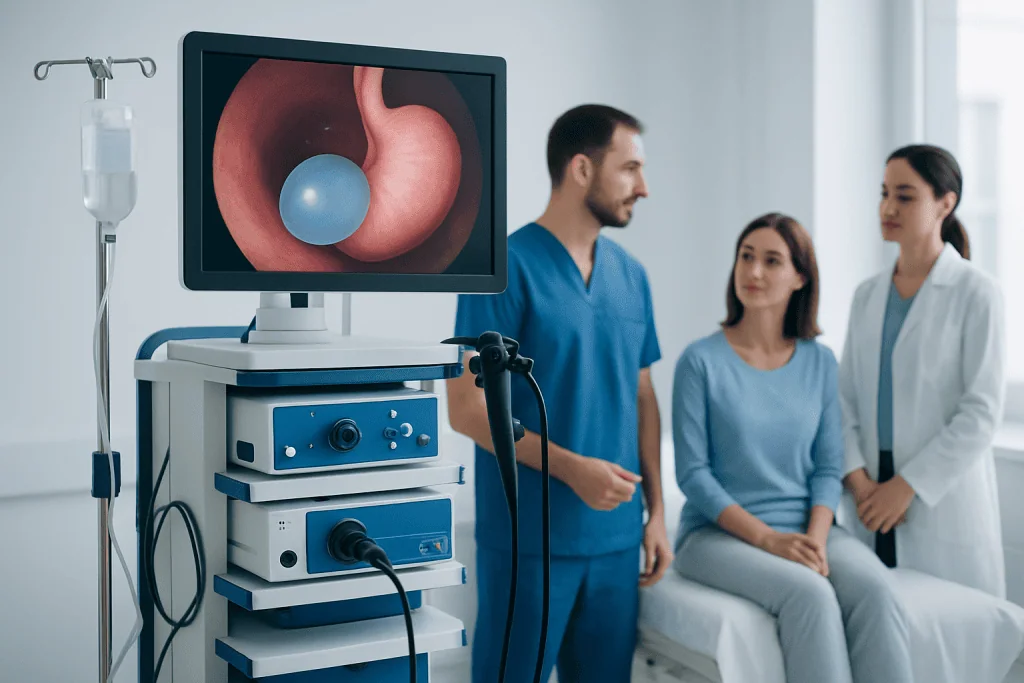
A gastric balloon, also called an intragastric balloon, occupies space within the stomach. This can promote earlier fullness, reduce the amount eaten at one sitting and support dietary changes. The effect varies between individuals, and weight loss is usually most successful when the balloon is combined with regular clinical and lifestyle support.
Different balloon systems are available. Many are placed through an endoscope while the person is sedated, then filled with saline or gas. Some systems are swallowed as a capsule and monitored with imaging before they are filled. The type offered should be discussed with the treating team because placement, monitoring and removal requirements differ.
Candidacy is based on overall health, body mass index, weight-related health concerns, previous treatments and readiness to take part in a structured programme. A balloon may be considered for people who have not achieved sufficient benefit from lifestyle changes alone, or as a short-term measure before another planned treatment. It is not appropriate for everyone and should never be selected solely on the basis of travel convenience.
- People need to be able to follow dietary stages and attend follow-up appointments.
- Pregnancy, plans for pregnancy during treatment, and breastfeeding may affect timing and suitability.
- A history of certain stomach or oesophageal conditions, prior gastrointestinal surgery, bleeding disorders or untreated mental health concerns may require specialist review or rule out treatment.
- People with eating disorders or active substance-use concerns may benefit from additional support before pursuing a procedure.
Assessment and planning before travel

Before travelling for a gastric balloon, a reputable service should carry out a detailed medical review. This generally includes medical history, current medicines, allergies, past abdominal procedures, weight history and screening for conditions that can affect anaesthesia or endoscopy. Blood tests, imaging or endoscopy may be recommended when clinically appropriate.
The team should also discuss nutrition habits, emotional eating, sleep, activity level and weight-related conditions such as type 2 diabetes, high blood pressure or sleep apnoea. These factors help clinicians judge whether a balloon is suitable and identify the support needed after placement. Some medicines, particularly those that affect bleeding or blood sugar, may need individual adjustment by the prescribing clinician.
For international patients, planning should include enough time in Turkey for the procedure and early recovery, as well as arrangements for accommodation, transport and a support person if advised. Patients should ask who will provide urgent care during their stay, how follow-up will be coordinated after they return home and what documents will be shared with their usual doctor.
Hospital accreditation is one useful quality consideration. JCI accreditation indicates that a hospital has been evaluated against international standards for quality and patient safety, but it does not replace checking the credentials and experience of the specific clinical team. Patients should also confirm that the programme includes dietetic support and an accessible contact route for post-procedure concerns.
What happens during gastric balloon placement
For an endoscopically placed balloon, the procedure usually begins with fasting instructions and a final safety check. A clinician passes a thin flexible camera through the mouth into the stomach to examine the upper digestive tract. Sedation or anaesthesia is used according to the procedure and the person’s health needs, so discomfort is usually limited during placement.
If the stomach assessment is satisfactory, the deflated balloon is placed and then filled to the specified volume. The clinical team monitors the patient as sedation wears off and provides instructions for fluids, medicines and warning signs. Most people can leave the hospital or procedure unit on the same day, although individual observation needs can differ.
Swallowable systems follow a different pathway. The person swallows a capsule attached to a thin filling catheter, and imaging confirms its position before filling. Depending on the approved device and local clinical protocol, it may pass naturally after a defined period or require a removal procedure. Patients should understand the exact device plan before consenting.
All gastric balloons have a limited treatment duration. Endoscopic balloons are commonly removed through a planned endoscopic procedure at the appropriate time for that device. Keeping a balloon beyond its recommended duration can increase risks, so a documented removal and follow-up plan is essential before treatment begins.
Recovery timeline, eating changes and follow-up
The first few days after placement are often the most challenging. Nausea, stomach cramping, bloating, reflux, tiredness and reduced appetite are common while the stomach adapts. The treating team may prescribe medicines to reduce nausea or acid reflux and will advise when to contact them if symptoms are not controlled.
Diet generally progresses in stages, beginning with clear fluids and moving gradually to nourishing liquids, soft foods and then small portions of solid food. The exact schedule differs by device and clinician. Eating slowly, chewing thoroughly, avoiding large meals and limiting carbonated drinks can help improve comfort. Adequate hydration is particularly important during the early recovery period.
Many people resume light daily activities within several days, but recovery is individual. Strenuous activity and travel plans should follow the clinician’s advice, especially while nausea or dehydration remains possible. International patients may be advised to remain near the treating hospital for an initial period rather than travelling immediately after placement.
Follow-up appointments are not optional extras; they are central to treatment. Dietitians and clinicians can help adjust food choices, monitor symptoms, support behavioural changes and plan for the period after balloon removal. Maintaining the routines developed during treatment is important because weight regain can occur after the balloon is removed.
Benefits, limitations and possible risks
The main potential benefit of a gastric balloon is that it can provide temporary support for weight loss without incisions or permanent changes to the stomach or intestines. It may also help improve confidence with portion control and establish healthier routines. For some people with obesity-related health concerns, clinically meaningful weight loss may contribute to improved overall health, although outcomes vary.
However, a balloon is not a cure for obesity and cannot guarantee a particular amount of weight loss. It requires sustained lifestyle changes and follow-up. People considering treatment should discuss alternatives, which may include structured medical weight management, anti-obesity medicines when appropriate, or other bariatric surgery options for those who meet criteria.
Common early side effects include nausea, vomiting, abdominal discomfort, reflux and dehydration. These usually improve with time and treatment, but persistent vomiting can lead to dehydration or electrolyte problems and should be assessed promptly. Other possible complications include balloon deflation, migration into the intestine, ulcer formation, bleeding, pancreatitis, infection, obstruction and complications related to sedation or endoscopy.
Serious complications are uncommon, but prompt communication with the treating team matters. Patients should be given written information about the symptoms that require urgent assessment, both in Turkey and after returning home. Choosing a programme with clear emergency pathways and coordinated aftercare is an important part of safe decision-making.
When to seek medical care
After gastric balloon placement, urgent medical advice is needed for severe or worsening abdominal pain, repeated vomiting, inability to keep fluids down, fainting, fever, chest pain, breathing difficulty, black stools or vomiting blood. These symptoms do not always indicate a serious complication, but they need timely assessment rather than self-treatment.
A sudden change in the colour of urine may be relevant for some saline-filled balloon systems because it can signal leakage of a coloured filling solution. Patients should follow the specific instructions provided for their device and contact their clinical team immediately if this occurs. New abdominal swelling, persistent reflux, or symptoms suggesting dehydration should also be reported.
Before travelling home, patients should know how to access urgent care locally and should carry a procedure summary containing the balloon type, placement date, expected removal date and the treating team’s contact details. If symptoms arise after returning home, they should seek local urgent care and inform both the local clinician and the original treatment team.
Acibadem International’s multidisciplinary specialists and JCI-accredited hospitals provide assessment and treatment pathways for international patients considering gastric balloon care, with planning for the procedure, recovery and follow-up.
Frequently asked questions
Is gastric balloon treatment in Turkey safe?
Gastric balloon treatment can be safe when a person is appropriately assessed and treated by an experienced clinical team in a properly equipped hospital or endoscopy setting. Safety also depends on the balloon type, careful monitoring, access to urgent care and a clear follow-up and removal plan. All procedures carry risks, which should be discussed before treatment.
How long does a gastric balloon stay in the stomach?
The duration depends on the specific device. Many balloons remain in place for several months and are then removed endoscopically, while certain swallowable systems are designed to pass naturally after a defined period. The treating clinician should confirm the device’s expected duration and removal arrangements before placement.
Will a gastric balloon cause pain?
The procedure itself is usually performed with sedation or anaesthesia, so patients generally do not feel pain during endoscopic placement. During the first days afterward, nausea, cramps, bloating and reflux are common as the stomach adjusts. Severe, persistent or worsening pain requires medical assessment.
How long should an international patient stay in Turkey after placement?
The appropriate length of stay depends on the balloon system, the person’s health and how recovery progresses. Patients commonly need time for early monitoring and to ensure that they can drink fluids and manage symptoms before travel. The treating team should give individual travel guidance and help plan follow-up after the patient returns home.
Can weight return after a gastric balloon is removed?
Yes. Weight regain can occur after removal if eating patterns, activity and other health factors are not addressed over the longer term. Follow-up with clinicians and dietitians can help people build routines that remain realistic after the balloon is no longer present.
Who should not have a gastric balloon?
A gastric balloon may not be appropriate for people with certain disorders of the oesophagus or stomach, some previous gastrointestinal surgeries, active gastrointestinal bleeding, pregnancy, or conditions that make sedation unsafe. Suitability also depends on the ability to follow dietary guidance and attend follow-up. A specialist assessment is necessary to make an individual decision.
References
- World Health Organization
- American Society for Metabolic and Bariatric Surgery
- National Institute of Diabetes and Digestive and Kidney Diseases
- U.S. Food and Drug Administration
- Joint Commission International
This article is for general information only and is not a substitute for professional medical advice. Please consult a qualified doctor about your individual situation.
Gastric Balloon in Turkey — costs, top hospitals & a free quote
JCI-accredited · board-certified surgeons · reply within 24h
Add us as a Preferred Source to see more of our trusted health content across Google Search, AI Overviews and Discover.
Check your numbers in seconds
BMI, calories, due date, blood pressure and 30+ more clinical calculators — free, instant, doctor-reviewed ranges.

Bariatric & Metabolic Surgery
Surgical and endoscopic treatments for obesity and metabolic conditions.