

Private health check Recovery: Week-by-Week Timeline

Most routine private health checks do not require a recovery period beyond short-term rest, food, fluids, and review of instructions. Returning to work is often possible the same day or the following day, depending on the tests performed and the person’s usual work demands.
Key Takeaways
- Most routine private health checks do not require a recovery period beyond short-term rest, food, fluids, and review of instructions.
- Returning to work is often possible the same day or the following day, depending on the tests performed and the person’s usual work demands.
- Sport and strenuous exercise may need to wait until the next day after blood tests or contrast studies, and longer after sedation or an invasive test.
- Test results may arrive at different times; an abnormal result does not necessarily mean a serious condition but should be discussed with a clinician.
- Urgent symptoms after a checkup, such as chest pain, breathing difficulty, fainting, severe allergic symptoms, or persistent bleeding, need prompt medical assessment.
Private health check recovery is generally brief because most checkups involve non-invasive consultations, blood tests, imaging, and screening examinations. Many people can resume routine activities on the same day, although recovery guidance depends on whether blood samples, contrast imaging, exercise testing, sedation, or an invasive procedure was included.
Overview: What Recovery After a Private Health Check Is Like
Private health check recovery is usually quick. For a standard appointment involving a medical history, physical examination, blood pressure measurement, blood and urine tests, and selected imaging or screening tests, most people feel well enough to leave soon after the visit and continue normal daily activities.
The main exception is when the programme includes tests that temporarily affect alertness or physical comfort. Examples include sedation for an endoscopic examination, an exercise stress test, contrast dye for some scans, or a procedure involving a biopsy. The care team should explain what was done, what to expect afterward, and when it is safe to drive, work, exercise, eat, or take regular medicines.
A checkup is also a process rather than a single event. Physical recovery may be minimal, but results may be released over several days as laboratory and imaging reports are reviewed. The purpose of a private health check is to assess health risks and identify findings that may benefit from follow-up, not to replace ongoing care with a primary doctor or specialist.
How a Private Health Check Works and Who May Benefit
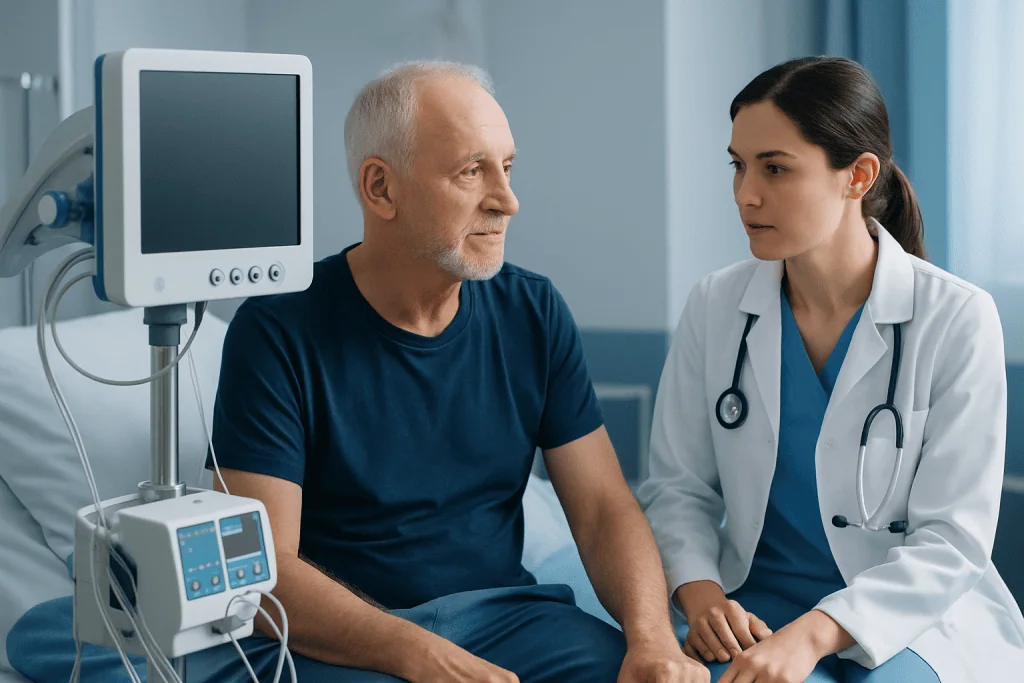
A private health check is a planned assessment tailored to a person’s age, sex, personal health concerns, family history, lifestyle, and existing conditions. It may include a consultation, examination, measurements such as weight and blood pressure, laboratory tests, heart testing, and imaging or screening studies where clinically appropriate.
People may consider a checkup when they want a preventive health review, have risk factors such as smoking or a family history of heart disease, need monitoring for a known condition, or have symptoms that require assessment. A checkup is not always the right route for new or severe symptoms. For example, sudden chest pain, signs of stroke, severe shortness of breath, or heavy bleeding need urgent evaluation rather than a routine appointment.
Before booking, people should share relevant information with the healthcare team, including pregnancy or possible pregnancy, allergies, kidney disease, diabetes, implanted medical devices, medications, and previous reactions to contrast agents or sedation. This helps clinicians select suitable tests and provide safe preparation advice.
Step by Step: What Happens on Checkup Day

Preparation often begins before arrival. Depending on the planned blood tests, a person may be asked to fast for a defined period, drink water, avoid alcohol, or temporarily adjust a medicine under medical guidance. They should not stop prescribed medicines unless the clinician specifically advises it. Comfortable clothing can be useful if the visit includes an exercise test, ultrasound, or physical assessment.
At the appointment, the team usually confirms medical history and current medicines, records vital signs, and discusses health goals or symptoms. Blood and urine samples may be collected, followed by tests such as an electrocardiogram (ECG), ultrasound, X-ray, mammography, or other investigations selected for the individual. Not every checkup includes every test.
After testing, staff may apply brief pressure and a small dressing after a blood draw. If contrast material, a stress test, sedation, or an invasive investigation is used, observation may be needed before leaving. It is important to ask for written aftercare instructions and to clarify how and when results will be communicated.
Private Health Check Recovery: Week-by-Week Timeline
On the day of the checkup: Following routine examinations and blood tests, mild hunger, tiredness, lightheadedness, or tenderness at the blood-draw site can occur. Eating a balanced meal, drinking fluids, and avoiding heavy lifting with the sampled arm for several hours may help. Most office-based work and everyday activities can continue if the person feels well.
Days 1 to 3: People commonly return fully to their usual routine during this period. A small bruise or soreness after a blood draw may last a few days and generally resolves without treatment. If an exercise test was normal and no symptoms developed, regular exercise may usually resume as advised by the clinician. After contrast imaging, some individuals are advised to maintain normal hydration unless they have been given fluid restrictions for a medical reason.
Days 4 to 7: There is normally no physical recovery needed from a non-invasive checkup. This is often the stage when some laboratory or imaging results become available. The clinician may recommend lifestyle changes, repeat testing, monitoring, or referral to a specialist. A result outside the usual range needs interpretation in the context of the person’s overall health and does not by itself confirm a diagnosis.
Week 2 and beyond: Any ongoing plan depends on the findings. Some people need no further action beyond preventive care, while others may need additional testing or treatment. If the checkup included a procedure such as an endoscopy, biopsy, or sedation, recovery and return-to-sport advice may be different and should follow the procedure-specific instructions.
Returning to Work, Driving, and Sport
After a routine checkup without sedation or an invasive procedure, many people can return to desk work, driving, and regular household activities immediately. Someone who felt faint after fasting or a blood draw should rest, eat and drink, and wait until fully recovered before driving or operating machinery.
For sport, low-intensity movement such as walking is generally reasonable when a person feels well. Strenuous exercise, heavy resistance training, or contact sports may be best postponed until the next day after a blood draw, particularly if there is bruising or discomfort. Individual advice may be more cautious after a stress test, contrast scan, or any procedure that caused symptoms.
Sedation changes the guidance. After sedating medicines, a responsible adult may need to accompany the patient home, and driving, alcohol, important decisions, and hazardous activities should be avoided for the period specified by the clinical team, often until the following day. Workers in physically demanding or safety-sensitive roles should ask directly when they can safely return.
Benefits, Limitations, and Possible Risks
A well-planned health check can support prevention by identifying modifiable risks, such as elevated blood pressure, abnormal cholesterol, high blood sugar, or lifestyle factors that may affect long-term health. It can also create an opportunity to discuss vaccinations, screening eligibility, sleep, nutrition, mental wellbeing, and family history with a clinician.
However, screening tests have limitations. Results can be normal even when a condition is developing, and findings that require more testing may ultimately prove harmless. Unnecessary testing can lead to anxiety, additional procedures, or false-positive results. The best programmes use tests that are appropriate for the individual rather than applying extensive testing to everyone.
Risks are usually minor and depend on the investigations performed. Blood tests can cause temporary pain, bruising, or rarely fainting. Imaging involving radiation, contrast material, or invasive procedures has specific considerations. The clinician should explain expected benefits, alternatives, and relevant risks before testing, especially for people who are pregnant, have kidney problems, or have a history of allergies.
When to Seek Medical Care
Contact the clinic or a qualified doctor if pain, swelling, redness, warmth, numbness, or bruising around a blood-draw site becomes worse rather than better. Medical advice is also appropriate for a persistent headache, vomiting, rash, or ongoing dizziness after testing, particularly if contrast material or sedation was used.
Urgent medical care is needed for chest pain, severe shortness of breath, fainting, facial or throat swelling, widespread hives, weakness on one side of the body, trouble speaking, or bleeding that does not stop with firm pressure. These symptoms are uncommon after routine checkups, but they should not be ignored.
People should also arrange follow-up when results are abnormal, symptoms continue despite reassuring results, or they are unsure how to act on a recommendation. Acibadem International’s multidisciplinary specialists and JCI-accredited hospitals can assess checkup findings and arrange appropriate follow-up for international patients.
Frequently asked questions
How long does private health check recovery take?
Recovery after a routine private health check is usually immediate or limited to the rest of the day. Mild tiredness from fasting or minor soreness after a blood draw may last one to several days, while tests involving sedation or procedures can require longer recovery.
Can a person go to work after a private health check?
Most people can return to non-physical work on the same day after a routine checkup. If sedation was used, if the person feels unwell after fasting, or if the role involves driving, machinery, heights, or heavy physical work, they should follow the clinician’s specific advice.
When can someone exercise after a health check?
Gentle activity is usually possible once the person feels well. It is often sensible to avoid strenuous training and heavy lifting until the next day after a blood draw, and to wait longer if the checkup included sedation, contrast imaging, an exercise stress test, or an invasive procedure.
Is bruising after a blood test normal?
A small bruise, mild tenderness, or a tiny lump at the site can occur after a blood test and usually improves within days. A person should seek medical advice if swelling, redness, severe pain, numbness, or bleeding develops or worsens.
How soon are private health check results available?
Some results, such as blood pressure or an ECG interpretation, may be discussed on the day. Laboratory and imaging reports can take several days or longer depending on the test, and the clinic should explain how results will be reviewed and communicated.
Does an abnormal health check result mean a person has a disease?
Not necessarily. Screening and laboratory results can be influenced by many factors, and an out-of-range value often requires confirmation or interpretation alongside medical history, examination findings, and other tests. A clinician can explain what the result means and whether follow-up is needed.
References
- World Health Organization
- U.S. Centers for Disease Control and Prevention
- National Health Service
- U.S. Food and Drug Administration
- American Heart Association
This article is for general information only and is not a substitute for professional medical advice. Please consult a qualified doctor about your individual situation.
Explore treatments in Turkey — costs, top hospitals & a free quote
JCI-accredited · board-certified surgeons · reply within 24h
Add us as a Preferred Source to see more of our trusted health content across Google Search, AI Overviews and Discover.
Check your numbers in seconds
BMI, calories, due date, blood pressure and 30+ more clinical calculators — free, instant, doctor-reviewed ranges.

More from the Health Library



Related Specialists

Prof. Dr. Behice Kurtaran
Infectious Diseases & Clinical Microbiology
Assoc. Prof. Dr. Eser Çolak
Vitro Fertilization and Reproductive Medicine Center
Dr. Mehmet Altuğ
Orthopedic Surgery & Traumatology
Dr. Berrin Yalçın
Intensive Care