Full body checkup Recovery: Week-by-Week Timeline

Most people have little or no downtime after a routine full body checkup. Return to work is often possible the same day, but this depends on the tests performed and whether sedation was used.
Key Takeaways
- Most people have little or no downtime after a routine full body checkup.
- Return to work is often possible the same day, but this depends on the tests performed and whether sedation was used.
- Strenuous exercise may be postponed for a day after blood donation, sedation, certain imaging tests, or procedures such as endoscopy.
- Mild bruising after a blood test and short-lived fatigue after fasting are common and usually settle quickly.
- Urgent symptoms such as breathing difficulty, facial swelling, severe pain, fainting, or persistent bleeding need prompt medical assessment.
Full body checkup recovery is usually brief because most health screening tests are non-invasive. Many people can return to work, driving, and usual daily activities on the same day, while recovery may take longer after tests involving sedation, contrast dye, blood draws, or minor procedures.
Overview: What Full Body Checkup Recovery Involves
Full body checkup recovery usually means returning to normal after screening tests rather than healing from surgery. A routine assessment may include a medical history, physical examination, blood and urine tests, heart tracing, imaging, and consultations. For most people, these tests cause little discomfort and do not require time away from normal responsibilities.
The recovery experience depends on the individual plan. Fasting can leave a person temporarily hungry, thirsty, light-headed, or tired. Blood collection may cause minor tenderness or bruising, while tests using contrast material, sedation, or bowel preparation can require more specific aftercare. The testing team should explain which activities are safe before the person leaves.
A comprehensive full body checkup is designed to assess health risks and identify concerns that may need follow-up. It is not a single invasive procedure, so there is no universal recovery schedule. The most useful approach is to base activity, travel, work, and exercise plans on the exact tests received and on how the person feels afterward.
How a Full Body Checkup Works and Who May Benefit
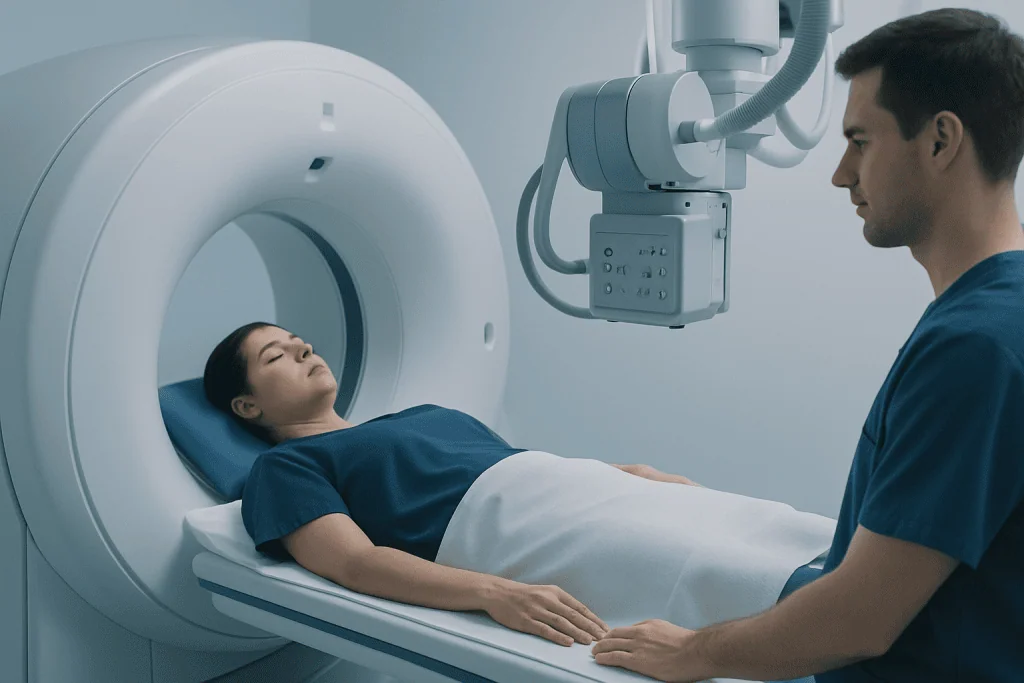
A full body checkup is a coordinated health assessment tailored to age, sex, personal symptoms, family history, lifestyle, and existing medical conditions. It may include measurements such as blood pressure and body mass index, laboratory testing, cardiovascular checks, and selected imaging or specialist reviews. Not every test is appropriate for every person, and a clinician should help ensure that screening is evidence-based and relevant.
People may consider a checkup when they want a preventive health review, have risk factors such as smoking or a family history of certain diseases, or need monitoring for a known condition. It can also be appropriate before beginning a demanding exercise programme or when a doctor recommends screening based on age or medical history. A checkup does not replace timely assessment of new or concerning symptoms.
Before scheduling, people should tell the healthcare team about pregnancy, allergies, kidney disease, diabetes, bleeding disorders, implanted devices, and all medicines and supplements. This information can affect whether fasting, contrast imaging, medication adjustments, or particular tests are suitable. People should not stop prescribed medicines unless their clinician specifically advises it.
What Happens on the Day of Testing

The day commonly begins with registration and a review of medical history, medications, allergies, and consent. Depending on the plan, a clinician may perform a physical examination and arrange tests such as blood sampling, urine testing, electrocardiography, ultrasound, chest imaging, or other targeted investigations. The order of testing can vary, especially if fasting samples are needed.
Some assessments require preparation. A person may be asked to fast for several hours, avoid certain drinks or supplements, arrive with a comfortably full bladder for an ultrasound, or follow special bowel preparation for a colon examination. Clear preparation instructions improve accuracy and can reduce the chance of needing to repeat a test.
Most tests are completed while the person is awake and able to communicate. If an examination requires sedation, such as some endoscopic procedures, recovery staff monitor the person until they are alert and stable. A responsible adult may need to accompany them home, and driving or important decision-making should be avoided for the rest of that day.
- Wear comfortable clothing and bring glasses, hearing aids, and a current medication list.
- Ask whether fasting is required and when regular food, fluids, and medicines can be resumed.
- Arrange transport in advance if sedation is planned or might become necessary.
- Ask how and when results will be shared, including which findings need follow-up.
Full Body Checkup Recovery: Week-by-Week Timeline
Same day: After non-invasive tests, most people can eat, drink, walk, work, and carry out routine activities once fasting is over. Drinking water and having a balanced meal can help after blood tests. Mild bruising or tenderness where blood was taken is common. People who feel dizzy after fasting should sit or lie down, drink fluids if permitted, and avoid driving until fully recovered.
First 24 hours: Return to desk work and gentle activity is often reasonable after a standard checkup. Exercise is usually acceptable if the person feels well, but it may be sensible to avoid intense training after significant fasting, multiple blood samples, blood donation, sedation, or a procedure. After contrast imaging, people are commonly encouraged to drink fluids unless they have been given different advice because of heart or kidney conditions.
Days 2 to 7: There is generally no ongoing physical recovery after routine screening. Any small bruise from a blood draw should gradually improve. If a test involved sedation, a biopsy, endoscopy, or another procedure, recovery instructions may differ; people should follow the guidance provided by the clinical team. Results may begin to arrive during this period, and follow-up appointments may be needed to interpret them in context.
Week 2 and beyond: By this stage, most people have resumed their usual routine. The main next step is acting on the care plan: this may include repeating a test, arranging a specialist appointment, improving sleep or nutrition habits, managing blood pressure or cholesterol, or undergoing further assessment. A result outside the usual range does not always mean disease, but it should be discussed with a qualified clinician.
Benefits, Limitations, and Possible Risks
The main benefit of a full body checkup is the opportunity to review health risks in an organised setting. Screening may identify high blood pressure, abnormal blood sugar or cholesterol, anaemia, kidney or liver concerns, or other issues before they cause noticeable symptoms. It can also provide reassurance when results are normal and support practical conversations about prevention.
However, more testing is not always better. Some tests can find changes that are harmless or unlikely to cause future problems, leading to anxiety, repeat scans, or invasive investigations. Screening tests can also miss conditions or produce false-positive results. For this reason, the test selection and interpretation should be individualised rather than based on a one-size-fits-all package.
Physical risks are usually low. Blood draws can cause pain, bruising, faintness, or rarely infection. Contrast material used in some scans can occasionally trigger an allergic reaction or affect kidney function in people at risk. Sedation can temporarily impair coordination and judgement. More invasive tests, including biopsies or endoscopy, have additional risks that should be discussed during consent.
Self-Care, Returning to Work, and Returning to Sport
For a routine checkup without sedation or an invasive procedure, many people can return to work immediately. If the day involved fasting, travel, long waiting periods, or several appointments, a lighter schedule may feel more comfortable. A person whose job involves driving, operating machinery, working at heights, or making safety-critical decisions should confirm any restrictions after sedation or medication.
Light walking and normal movement are appropriate for most people after standard tests. Returning to sport can usually happen the same day or the next day when the person is hydrated, has eaten, and feels well. It is sensible to delay demanding exercise after sedation, a significant blood draw or blood donation, a procedure, or a test that causes pain, dizziness, or fatigue.
Helpful aftercare includes drinking fluids when appropriate, resuming regular meals, keeping the blood-draw site clean and dry, and applying gentle pressure if there is minor bleeding. A cool compress can ease bruising during the first day. People should read all discharge instructions, particularly after contrast imaging, endoscopy, biopsy, or any test requiring anaesthesia.
If a health checkup identifies a medical concern, the recovery process becomes a follow-up process rather than a reason for alarm. Prompt review with the recommended clinician helps clarify what the result means and whether treatment, monitoring, or further testing is needed. Acibadem International’s multidisciplinary specialists and JCI-accredited hospitals support diagnosis and treatment planning for international patients.
When to Seek Medical Care
Most post-checkup symptoms are mild and short-lived, but medical advice is important when symptoms are severe, worsening, or unexpected. Contact the testing centre or a doctor if there is increasing redness, warmth, swelling, drainage, or persistent pain at a blood-draw or procedure site. The same applies to vomiting that prevents fluid intake, ongoing dizziness, fever, or symptoms that do not improve as expected.
Seek urgent medical care for trouble breathing, wheezing, swelling of the lips, tongue, or face, chest pain, fainting, severe abdominal pain, confusion, or heavy bleeding. These symptoms are uncommon but may indicate a serious reaction or complication. Anyone who develops concerning symptoms after contrast material, sedation, or an invasive test should not wait for routine results communication.
A person should also contact a doctor promptly if the checkup was arranged because of symptoms that continue or worsen, even if initial tests appear reassuring. New unexplained weight loss, persistent fever, blood in urine or stool, severe headaches, progressive weakness, or new neurological symptoms need individual medical assessment rather than reliance on screening alone.
Frequently asked questions
How long does it take to recover from a full body checkup?
Most people recover immediately or within a few hours after a routine full body checkup. They may return to normal activity the same day once they have eaten and hydrated after fasting. Recovery can take longer if sedation, contrast material, an endoscopic examination, or another procedure was included.
Can a person go to work after a full body checkup?
Yes, many people can return to desk work or normal daily tasks on the same day after non-invasive testing. A person may prefer a lighter schedule if they have fasted or feel tired after multiple appointments. Work involving driving, machinery, heights, or safety-sensitive tasks should be avoided after sedation until a clinician says it is safe.
When can a person exercise after a health checkup?
Gentle activity is usually safe after routine tests if the person feels well, has eaten, and is adequately hydrated. Intense exercise may be postponed until the next day after fasting, blood donation, sedation, or an invasive procedure. Individual discharge instructions should always take priority.
Is bruising after a blood test normal?
A small bruise, mild soreness, or brief bleeding at the needle site is common and usually improves over several days. Gentle pressure immediately after the blood draw can help limit bruising. Increasing pain, swelling, redness, warmth, or persistent bleeding should be assessed by a healthcare professional.
Can a person drive home after a full body checkup?
Driving is usually possible after routine tests if the person feels alert and well. A person should not drive after sedation, anaesthesia, or medications that affect alertness and coordination. The healthcare team may also advise against driving if dizziness occurs after fasting or a blood draw.
What should a person do while waiting for checkup results?
They can resume usual routines unless they were given specific instructions after a procedure. It can help to write down questions for the results discussion and keep follow-up appointments. Results should be interpreted by a clinician in light of symptoms, medical history, and the limits of each test.
References
- World Health Organization
- U.S. Preventive Services Task Force
- Centers for Disease Control and Prevention
- National Institute for Health and Care Excellence
- American College of Radiology
This article is for general information only and is not a substitute for professional medical advice. Please consult a qualified doctor about your individual situation.
Explore treatments in Turkey — costs, top hospitals & a free quote
JCI-accredited · board-certified surgeons · reply within 24h
Add us as a Preferred Source to see more of our trusted health content across Google Search, AI Overviews and Discover.
Check your numbers in seconds
BMI, calories, due date, blood pressure and 30+ more clinical calculators — free, instant, doctor-reviewed ranges.