Mommy makeover in Turkey: Hospitals, Safety & What to Expect

A mommy makeover is not one standard operation; the plan is tailored to each person’s goals, anatomy and health. Common components include breast surgery, tummy tuck and liposuction, but not every procedure is appropriate for every patient.
Key Takeaways
- A mommy makeover is not one standard operation; the plan is tailored to each person’s goals, anatomy and health.
- Common components include breast surgery, tummy tuck and liposuction, but not every procedure is appropriate for every patient.
- A thorough pre-operative assessment, qualified anaesthesia care and an accredited hospital setting are central to surgical safety.
- Recovery is gradual and may take several weeks to months, especially when more than one operation is performed.
- International patients should plan for consultations, local follow-up, accommodation and medical clearance before flying home.
A mommy makeover in Turkey is a personalised combination of procedures, often involving the breasts, abdomen and body contour, designed to address physical changes after pregnancy or weight change. Safety depends on appropriate candidacy, an experienced surgical team, accredited hospital standards and sufficient time for recovery before travel.
Overview: what is a mommy makeover in Turkey?
A mommy makeover in Turkey refers to a personalised set of plastic surgery procedures intended to address body changes that may remain after pregnancy, breastfeeding or substantial weight change. It commonly includes abdominal contouring and breast surgery, with liposuction or other procedures considered when clinically appropriate. It is not a single, fixed operation, and the safest treatment plan is based on the individual’s health, anatomy, skin quality and priorities.
For people travelling internationally, the important considerations are not only the surgical procedures themselves but also the hospital environment, surgeon credentials, anaesthesia assessment, communication, accommodation and access to follow-up care. A reputable centre should explain what can realistically be achieved, identify when surgery should be delayed or avoided, and give clear instructions for recovery and return travel.
For a broader explanation of procedure combinations and planning, readers can review mommy makeover treatment options.
How a mommy makeover works
Pregnancy can stretch abdominal skin and connective tissue, separate the abdominal muscles, change breast volume or shape, and alter fat distribution. Diet and exercise support general health and fitness, but they cannot always correct loose skin, stretched tissues or breast changes. A mommy makeover uses surgery to address selected concerns in one planned treatment episode or, in some cases, in staged operations.
An abdominoplasty, also called a tummy tuck, may remove excess lower abdominal skin and tighten the abdominal wall when muscle separation is present. Breast surgery may involve a lift, augmentation, reduction or a combination, depending on breast shape, volume and the patient’s goals. Liposuction may refine localised areas of fat but is not a treatment for obesity or a substitute for weight management.
Combining procedures may reduce the number of separate recoveries, but it also lengthens time under anaesthesia and can increase physical stress during recovery. The surgeon and anaesthesiologist weigh the expected benefit against factors such as body mass index, medical conditions, smoking status, previous surgery and the complexity of the proposed plan.
Who may be a suitable candidate?

Suitable candidates are generally adults in good overall health who have stable weight, realistic expectations and specific concerns that can be addressed surgically. Many surgeons recommend waiting until recovery from childbirth is complete and breastfeeding has ended, since hormonal and weight changes can continue for a period afterwards. People considering future pregnancies may choose to postpone abdominal or breast surgery because another pregnancy can change the results.
During consultation, the surgical team reviews medical history, medications and supplements, allergies, past operations, clotting history, smoking or nicotine exposure, and mental health considerations. They also assess the skin, breast tissue, abdominal wall and areas of concern in person or, for initial international planning, through a secure preliminary review followed by an in-person examination.
Smoking and nicotine products can impair wound healing and increase complications. Uncontrolled diabetes, active infection, certain heart or lung conditions, blood-clotting disorders and significant anaemia may require treatment, additional assessment or postponement. A responsible team may advise against combining procedures if the overall operative risk is too high.
The process: consultation, surgery and hospital care
Planning should begin with a detailed consultation. The surgeon discusses goals, examines the relevant areas, explains suitable options and outlines scars, limitations and expected recovery. Pre-operative testing may include blood tests, pregnancy testing where relevant, imaging or specialist medical clearance. Patients should disclose all medicines, herbal products and previous cosmetic procedures so the team can advise safely.
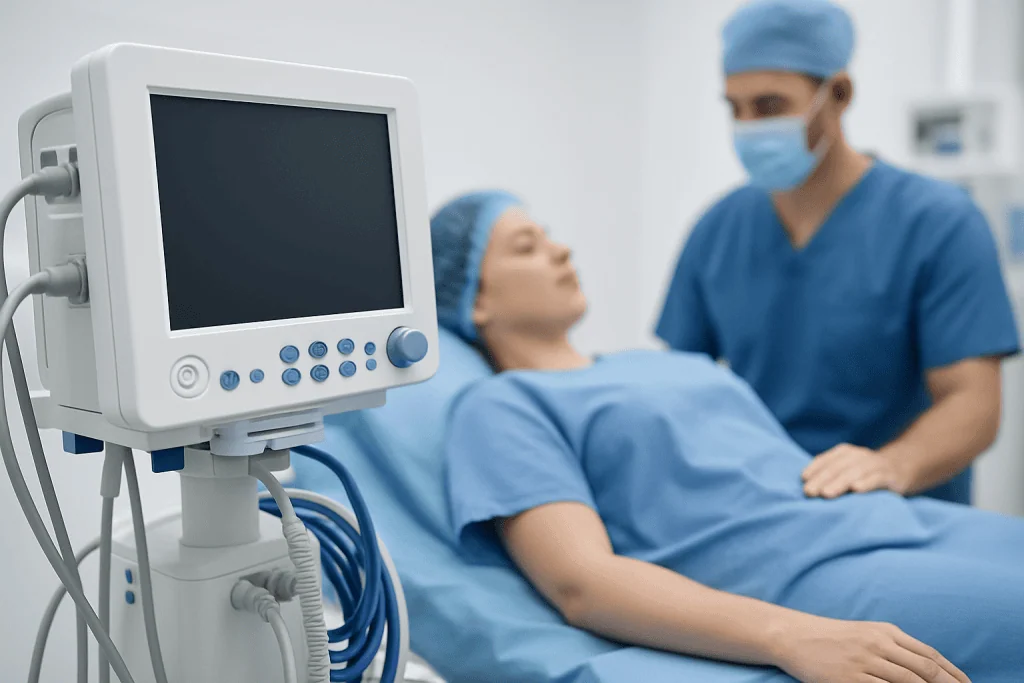
On the day of surgery, the patient meets the surgeon and anaesthesia team, confirms the operative plan and provides informed consent. The operation is usually performed under general anaesthesia in a fully equipped hospital operating room. The surgeon makes planned incisions, performs the agreed procedures and uses dressings, compression garments or drains when necessary. The exact order and duration depend on the combination of operations.
After surgery, monitoring continues in the recovery area and, when needed, during an overnight hospital stay. Pain relief, movement guidance, wound care and measures to reduce the risk of blood clots are individualised. Hospitals accredited by organisations such as Joint Commission International are assessed against established quality and patient-safety standards, although accreditation is only one part of choosing an appropriate provider.
Acibadem International’s multidisciplinary specialists and JCI-accredited hospitals provide assessment and treatment planning for international patients, including coordination of hospital care and follow-up arrangements.
Recovery timeline and travel planning
Recovery varies according to the procedures performed, the extent of surgery and the individual’s health. In the first days, swelling, bruising, tiredness and discomfort are expected. Patients are encouraged to take short, supported walks as instructed, while avoiding bending, lifting and strenuous activity. They should have help with children, household tasks and transport during the early recovery period.
During the first few weeks, dressings, drains and compression garments may need care or adjustment. Many people can gradually return to light daily activities after their surgeon approves it, but lifting, vigorous exercise and abdominal strain are restricted for longer. Final scar maturation and the settling of swelling can take several months. Follow-up appointments are essential because they allow the team to check healing and identify complications early.
International patients should allow enough time in Turkey for immediate post-operative checks before planning their return journey. Fitness to fly depends on the procedures, the length of travel, mobility and individual clot risk. The surgical team should give written guidance about flying, compression, hydration, walking during travel and the follow-up plan after return home. Accommodation should be comfortable, close enough for reviews and suitable for recovery rather than sightseeing.
Benefits, risks and safety considerations
A well-selected mommy makeover may improve the contour of the abdomen, breasts or other treated areas and may help some patients feel more comfortable in clothing. Results are individual and are influenced by healing, skin elasticity, weight stability, scarring and future pregnancy. Surgery cannot create perfection or permanently prevent natural ageing and body changes.
All operations carry risks. These may include bleeding, infection, delayed wound healing, fluid collection, changes in skin or nipple sensation, uneven contour, unfavourable scarring, persistent swelling, anaesthesia reactions and the possible need for revision surgery. Longer or combined procedures may also raise the risk of blood clots in the legs or lungs, which is why early movement and preventive measures are important.
Safety is strengthened by selecting a properly trained plastic surgeon, having surgery in an appropriately equipped hospital, completing medical screening and following recovery instructions. Patients should be cautious of treatment plans that promise a particular appearance, minimise risks, or encourage extensive procedures without a full consultation and clear discussion of alternatives.
- Ask who will perform the operation and who will provide anaesthesia.
- Confirm where surgery and post-operative monitoring will take place.
- Request written information on the planned procedures, expected scars, risks and follow-up.
- Discuss emergency contact arrangements and continuity of care after returning home.
Preparing for surgery and supporting recovery
Preparation often includes reaching a stable weight, maintaining a balanced diet, arranging practical support at home and following instructions about medications. The care team may ask patients to stop nicotine use well in advance and to avoid certain medicines or supplements that can affect bleeding; changes should only be made under the direction of the prescribing clinician and surgical team.
After surgery, patients should take prescribed medicines exactly as directed, attend all reviews and keep incisions clean and protected according to the team’s instructions. A gradual return to activity supports circulation, but patients should not resume gym exercise, heavy lifting or driving until they have been cleared. Staying hydrated, eating enough protein and avoiding tobacco support healing.
Long-term results are best supported by stable weight, regular physical activity when recovered, sun protection for scars and realistic expectations. Any concerns about appearance or healing should be discussed at follow-up rather than managed with unverified products or advice.
When to seek medical care
Patients should contact their surgical team promptly if they develop increasing rather than improving pain, fever, spreading redness, foul-smelling drainage, wound opening, sudden swelling on one side, or persistent vomiting. These symptoms do not always indicate a serious problem, but they need timely clinical assessment.
Emergency medical care is needed for chest pain, shortness of breath, coughing blood, fainting, confusion, or sudden severe swelling or pain in a leg. These can be warning signs of a potentially serious complication, including a blood clot, and should not wait for a routine appointment.
Before travelling home, international patients should receive clear contact details, copies of relevant medical records and an agreed plan for both local and home-country follow-up. If a new concern develops after travel, they should seek urgent local medical advice and inform their surgical team.
Frequently asked questions
What procedures are usually included in a mommy makeover?
A mommy makeover may include a tummy tuck, breast lift, breast augmentation, breast reduction or liposuction. The combination varies widely, and some people need only one or two procedures. A surgeon recommends options after examining the patient and reviewing their goals and health.
Is it safe to have several cosmetic procedures at once?
Combining procedures can be appropriate for some healthy patients, but it is not automatically safer or better. The team considers the expected operating time, amount of surgery, medical history and risk of complications. In some situations, staged procedures offer a safer approach.
How long should someone stay in Turkey after a mommy makeover?
The required stay depends on the procedure combination, healing progress and the surgeon’s assessment of travel readiness. Patients need time for early post-operative monitoring and follow-up appointments before flying. The surgical team should provide individual travel advice, particularly for long-haul flights.
Will a mommy makeover remove stretch marks?
A tummy tuck can remove stretch marks only when they are located in the skin that is removed, typically on the lower abdomen. Stretch marks outside that area usually remain, although their appearance may change as skin is tightened. No surgical procedure can guarantee complete removal of all stretch marks.
Can a person have a mommy makeover before finishing their family?
It is possible, but many people choose to wait until they do not plan further pregnancies. Pregnancy after abdominal or breast surgery is generally possible, but it may stretch tissues again and alter the surgical result. This should be discussed during consultation.
How painful is recovery after a mommy makeover?
Discomfort is expected, particularly after abdominal surgery, but pain management is planned individually by the surgical and anaesthesia teams. Most patients find that soreness and tightness improve gradually over the first weeks. Following activity restrictions and medication instructions can make recovery more manageable.
References
- American Society of Plastic Surgeons
- International Society of Aesthetic Plastic Surgery
- Joint Commission International
- National Health Service
- U.S. Food and Drug Administration
This article is for general information only and is not a substitute for professional medical advice. Please consult a qualified doctor about your individual situation.
Mommy Makeover in Turkey — costs, top hospitals & a free quote
JCI-accredited · board-certified surgeons · reply within 24h
Check your numbers in seconds
BMI, calories, due date, blood pressure and 30+ more clinical calculators — free, instant, doctor-reviewed ranges.