Mommy Makeover
Mommy Makeover is a personalized combination of cosmetic procedures, commonly tummy tuck, breast surgery and liposuction, designed to restore body contours affected by pregnancy, childbirth and breastfeeding.

Quick answer
A mommy makeover is a personalised combination of cosmetic procedures, most commonly a tummy tuck, breast surgery (lift, augmentation or reduction) and liposuction, designed to address body changes after pregnancy, childbirth and breastfeeding. It is performed under general anaesthesia, usually with an overnight hospital stay, and requires several weeks of gradual recovery. The exact combination is tailored to each patient's anatomy, health and goals.
What Is a Mommy Makeover?
A mommy makeover is a customised combination of cosmetic procedures designed to improve body contours affected by pregnancy, childbirth, weight changes and breastfeeding. It most often combines abdominoplasty, a tummy tuck, with breast surgery and liposuction, performed in one operation or in planned stages. It is intended for women in good general health who are troubled by lasting physical changes that diet and exercise have not corrected. Many international patients now consider having a mommy makeover in Turkey, where hospital-based plastic surgery is well established, and this page explains what the surgery involves, who it suits, how recovery unfolds and how to plan treatment sensibly from abroad.
The name can sound casual. The surgery is not. A mommy makeover may involve several anatomical areas and a longer operative plan than a single cosmetic procedure, so it demands precise medical evaluation and experienced surgical judgement. Before anything is scheduled, the surgeon must assess your skin quality, the degree of muscle separation, your breast tissue, your fat distribution, scars from prior surgery such as a caesarean section, and your overall health. The result of that assessment is a plan built around your anatomy, not a fixed package applied to every patient.
What does a mommy makeover consist of?
A mommy makeover typically consists of three possible components, combined according to what your body actually needs. The first is abdominoplasty, in which excess abdominal skin is removed and the abdominal wall may be tightened if the rectus muscles have separated: a condition known as diastasis recti. The second is breast surgery: a lift to reposition sagging breasts, augmentation to restore lost volume, reduction to relieve heaviness, or a combined lift with implants where appropriate. The third is liposuction, used around the waist, flanks, abdomen, back or thighs to refine areas of localised fat and improve overall proportion.
Not every patient needs every procedure. Some women need only abdominal surgery and limited liposuction. Others benefit most from breast reshaping alone. Some procedures can safely share one anaesthetic; others are better staged, for reasons of operative time, healing capacity or personal scheduling. A medically responsible plan weighs operative duration, blood loss, anaesthesia risk, the support you will have during recovery and your ability to follow postoperative instructions. If your surgeon recommends doing less in one sitting, that recommendation deserves to be taken seriously, restraint is often what separates a good result from a complicated one.
Why Women Consider a Mommy Makeover After Pregnancy
Pregnancy can be one of the most meaningful experiences in a woman’s life, and it can also change the body in ways that do not always improve with diet, exercise or time. Loose abdominal skin, separated abdominal muscles, stubborn fat deposits, breasts that have lost volume or shape, and changes in posture and confidence are all common after childbirth and breastfeeding. These changes are natural. They are not a sign that you have done anything wrong, and they are not a matter of willpower.
Women who consider a mommy makeover often describe the same feeling: their body no longer reflects how they feel inside. Some want to feel comfortable in fitted clothing again. Others want a stretched abdominal wall repaired, breast position restored, or fat deposits addressed that have persisted despite a genuinely healthy lifestyle. For most, the decision is not about looking like someone else. It is about feeling at ease in their own body after a major life transition.
It is also entirely normal to feel uncertain. Patients commonly ask whether results will look natural, how uncomfortable recovery will be, how long they will need help at home, and whether combining procedures is safe. International patients carry additional questions: how to choose a surgeon abroad, what medical standards to expect, how to coordinate travel, and what support will exist before and after surgery. Those questions are reasonable, and a good surgical team will answer them plainly rather than brushing them aside. The sections below address each of them in turn.
Who Is a Good Candidate?
A mommy makeover may be appropriate for women who are bothered by persistent physical changes after pregnancy and breastfeeding and who are in good general health. It is usually best considered when childbearing is complete, or when no further pregnancy is planned in the near future. A future pregnancy can stretch the repaired tissues again and may alter the surgical result: the surgery would not be dangerous in that scenario, but part of its benefit could be undone.
Typical concerns include loose or hanging abdominal skin, a lower abdominal bulge, stretch-marked skin, weakened abdominal muscles, stubborn fat around the waist or hips, breast sagging, loss of breast volume, breast asymmetry, enlarged or heavy breasts, and changes in nipple position. Some women describe difficulty finding clothing that fits comfortably, or a feeling that the abdomen still looks pregnant despite weight loss. All of these are legitimate reasons to seek an evaluation, even if the eventual advice is to wait or to do less than expected.
Good candidates generally share a few characteristics: a stable weight, realistic expectations, no active infection, no uncontrolled chronic disease, and the practical ability to set aside time for recovery. Patients who smoke or use nicotine are advised to stop well in advance and remain nicotine-free throughout healing, because nicotine significantly impairs wound healing. Patients with a history of blood clots, bleeding disorders, uncontrolled diabetes, severe obesity or major heart or lung disease may need additional evaluation, staged procedures or different timing altogether. None of these factors automatically rules surgery out, but each one changes how a responsible team plans it.
How is candidacy assessed?
Candidacy is assessed through a detailed consultation with a plastic surgeon, not through photographs alone. The surgeon reviews your medical history, pregnancies, breastfeeding history, prior surgeries, medications, allergies, smoking or nicotine use, weight stability and any conditions that may affect healing. A physical examination then evaluates skin elasticity, fat distribution, abdominal muscle separation, existing scars, breast position and tissue quality. Standardised photographs may be taken for medical planning and for comparison over time. At Acibadem, this evaluation sits within the Plastic, Reconstructive & Aesthetic Surgery department, where combined procedures are planned alongside anaesthesia and internal medicine colleagues when needed.
For international patients, the first evaluation may begin remotely, with secure photographs, medical history forms and previous test results. This helps determine whether you may be a suitable candidate and whether additional assessments will be needed on arrival. Be clear about one limit, though: the final surgical plan is made only after an in-person examination. Tissue quality, abdominal wall strength and breast anatomy cannot be fully judged through photographs, and any clinic that promises a fixed plan sight unseen is skipping a step that matters.
Concerns a Mommy Makeover Can Address
The most frequent concern is abdominal laxity. During pregnancy, the skin and connective tissues stretch to accommodate the growing uterus. In some women the skin does not fully retract afterwards, leaving folds or looseness that no amount of exercise can correct, because loose skin is a structural problem, not a fitness problem. If the abdominal muscles have separated, the abdomen may protrude even in a woman who is otherwise fit and strong.
Breast changes are almost as common. Pregnancy and breastfeeding can enlarge the breasts, then leave them deflated when breastfeeding ends. The stretched skin envelope may cause the breasts to sit lower on the chest, the nipple-areola complex may point downward, and asymmetry can develop or become more noticeable. Other women experience the opposite problem: persistent heaviness and discomfort from breasts that remained enlarged after pregnancy. Each of these patterns calls for a different operation, which is why “breast surgery” within a mommy makeover is never one standard procedure.
Localised fat deposits may persist in the flanks, lower abdomen, upper back, thighs or hips. Liposuction can reduce these pockets when the overlying skin has enough elasticity to contract well. It is worth being direct about what liposuction is not: it is not a weight-loss procedure and it is not a treatment for generalised obesity. It refines contour in carefully selected patients; it does not replace weight management.
Some women seek improvement of a caesarean section scar that has created a small overhang or indentation. In many cases, a tummy tuck can incorporate or revise the lower abdominal scar as part of the skin removal pattern. Whether that is possible depends on the scar’s position, the amount of excess skin and the tissue available for safe closure, another judgement that requires physical examination.
Finally, a mommy makeover can help women who have lost significant weight after pregnancy but are left with loose skin and deflated soft tissues. The principles here overlap with post-weight-loss body contouring, though the extent of surgery varies from patient to patient. In every case, the goal is proportion, comfort and a result that suits your frame, not an artificial, one-size-fits-all silhouette.
How Mommy Makeover Surgery Is Performed
Mommy makeover surgery follows a structured pathway from first consultation to final follow-up. For most patients, the sequence looks like this:
- Consultation and physical examination with a plastic surgeon, where goals, options, scars and limitations are discussed openly.
- Preoperative testing, blood tests, an electrocardiogram, imaging when indicated, and a dedicated anaesthesia evaluation.
- Surgery under general anaesthesia, combining or staging procedures according to the agreed plan.
- Monitored recovery in hospital, usually including at least an overnight stay.
- Early follow-up visits for wound checks, drain removal if drains were used, and clearance for travel and activity.
Personalised surgical planning
Planning begins with a comprehensive consultation. You discuss what bothers you most, what you hope to improve and how much recovery time you can realistically arrange: a practical constraint that matters more than many patients expect, particularly those with young children. The surgeon explains which procedures may help, what scars each one leaves, what the limits of surgery are, and whether combining procedures is appropriate in your specific case.
Preoperative workup may include blood tests, an electrocardiogram, imaging when indicated, and a formal anaesthesia assessment. Patients with breast symptoms, a family history of breast cancer or age-related screening needs may be asked to complete breast imaging before surgery. The care team also reviews every medication and supplement you take, because some can increase bleeding risk; any decision to adjust, pause or continue a medicine before surgery is made by your treating doctors, not left to guesswork.
For patients travelling from abroad, timing is part of the plan. The care team coordinates preoperative appointments, the surgery date and the recommended length of stay in Turkey. You need to arrive early enough for an unhurried in-person evaluation, and to remain long enough afterwards for early follow-up, drain checks if drains are used, dressing changes and clearance to travel. Our guide on when to arrive before surgery in Turkey explains how this timing is usually structured.
Anaesthesia and hospital-based safety
A mommy makeover is usually performed under general anaesthesia. Because the operation may combine abdominal, breast and contouring work, anaesthesia planning is central to safety rather than an afterthought. The anaesthesiology team evaluates your medical history, airway, medications, prior anaesthesia experiences and risk factors for nausea, blood clots or breathing problems before the operating date is confirmed.
In a hospital setting, surgery is supported by appropriate monitoring, sterile operating rooms, trained anaesthesia professionals and postoperative nursing care. Depending on the extent of surgery and your health, an overnight stay is commonly recommended, and some patients need longer observation, especially when multiple procedures are performed or when the patient will later face an international flight home. This is one of the meaningful differences between hospital-based combined surgery and a limited outpatient setting.
Abdominal surgery
When a tummy tuck is part of the plan, the surgeon typically places an incision low on the abdomen, positioned so it can usually be concealed under underwear or swimwear. Its exact length depends on how much excess skin must be removed: a shorter scar is only a genuine advantage if it still allows adequate correction. The skin and fat are lifted from the abdominal wall; if the rectus muscles have separated, they may be repaired with internal sutures. Excess skin is removed, the remaining skin is redraped, and in a full abdominoplasty the navel is repositioned through a new opening.
In selected patients with limited skin excess, a mini tummy tuck may be considered. It uses a shorter incision and treats mainly the lower abdomen, but it does not correct all forms of muscle separation or upper abdominal laxity. The honest position is that the technique should be chosen by anatomy, not by preference for a smaller scar. A surgeon who recommends the fuller operation is usually protecting the result, not inflating the surgery.
Breast surgery
Breast surgery within a mommy makeover is tailored to the specific change that has occurred. A breast lift removes excess skin and reshapes the breast tissue to improve position; the nipple and areola are moved to a more appropriate height while remaining attached to their underlying tissue. Where volume has been lost, implants or fat transfer may be discussed, though suitability depends on tissue characteristics, safety considerations and the look you want. A lift alone can raise the breast, but it cannot create upper fullness in the way an implant or selected volume-restoration methods can: an important distinction to understand before choosing.
Some patients benefit most from breast reduction, particularly when the breasts are heavy, uncomfortable or out of proportion. Reduction removes excess tissue and skin while reshaping what remains. If asymmetry is present, different techniques may be used on each side to create better balance. Your surgeon should explain the scar pattern in advance, around the areola, vertical, or anchor-shaped, depending on the procedure, so there are no surprises when the dressings come off.
Liposuction and contouring
Liposuction is performed through small incisions placed in discreet locations. A sterile solution is introduced first to reduce bleeding and improve comfort, and a thin tube called a cannula is used to remove localised fat. Modern liposuction planning focuses on shape and proportion rather than aggressive volume removal; over-removal creates irregularities that are difficult to correct later, so experienced judgement matters more than the amount of fat taken.
Technology supports the procedure at several points. Digital imaging and standardised photography aid planning and communication. Advanced anaesthesia monitoring supports safety during longer combined operations. In theatre, refined liposuction systems, meticulous cautery tools and layered closure techniques help reduce tissue trauma and support healing. Afterwards, compression garments and evidence-based protocols help manage swelling and lower the risk of complications. Technology does not replace surgical judgement: it gives good judgement better tools.
How long does the operation take?
Operating time depends on the number and complexity of the procedures combined. A limited mommy makeover may take several hours; a more extensive plan requires longer. If the safest option is to stage the procedures across two operations, your surgeon will explain why and discuss the recommended interval between them. Longer is not automatically better, and a staged plan is not a lesser one: it is often the route to a safer, more refined final result.
Recovery After a Mommy Makeover
Recovery varies with the procedure combination, your general health and the extent of tissue repair, but the broad pattern is predictable. You wake in a recovery area under close monitoring, with dressings, surgical garments and sometimes drains in place. Drains are small tubes that carry fluid away from the surgical area; they are removed once output falls. You receive pain control, instructions for walking, breathing exercises and guidance on sleeping position. Early gentle walking is encouraged to support circulation and reduce the risk of blood clots. For a fuller picture of how postoperative comfort is managed, see our guide to pain control after surgery in Turkey.
Recovery is gradual, and planning for that is part of planning the surgery. Most patients need help at home or at their hotel for the first several days, particularly mothers of young children, since lifting, pushing, pulling and strenuous activity are all restricted. If the abdominal muscles were repaired, you may walk slightly bent forward at first to reduce tension on the incision. Swelling, bruising, tightness and fatigue are expected early on and improve steadily.
| Time Period | What Patients Can Expect |
|---|---|
| Day 1 | Monitoring after anaesthesia, gentle assisted walking, pain control, and instructions on garments and wound care. |
| First week | Swelling, bruising, tightness and fatigue are common. Help with daily tasks is needed; lifting children, heavy bags and household items is off-limits. |
| First month | Many patients gradually return to light daily activities and desk-based work, depending on the procedures and the surgeon’s advice. Exercise remains limited. |
| Two to three months | Swelling continues to decrease, energy improves, and activity may be increased in stages if healing is progressing well. |
| Longer term | Scars mature over many months, tissues soften and final contours become more visible. A stable weight helps preserve the result. |
When can international patients fly home?
Not immediately, and the exact clearance is individual. Long flights too soon after combined surgery can increase swelling and contribute to clot risk, so international patients need a personalised travel plan rather than a generic departure date. Before discharge, the care team explains what to expect during later healing, what should be reviewed before departure, and how follow-up will continue after you return home. Two of our guides cover this stage in detail: when it is safe to fly home after surgery in Turkey and what to have reviewed before flying home.
Why Timing Matters
A mommy makeover is elective, which means it should happen when the timing is right, not as soon as possible, and not indefinitely postponed either. Acting at the right time does not mean rushing into surgery. It means seeking expert evaluation when concerns persist, and understanding what can be corrected now, what should wait, and what needs medical attention first.
Delaying evaluation has real costs. Persistent abdominal folds can cause skin irritation. Tissue laxity can make exercise uncomfortable or discouraging. Body-image distress after pregnancy is common and legitimate. In women with significant diastasis recti, the abdomen may continue to feel weak or unsupported. Surgery is not required in every case, but an evaluation can clarify whether physiotherapy, weight stabilisation, a staged operation or a combined procedure is the sensible next step, and that clarity has value even when the answer is “not yet”.
Timing after childbirth and breastfeeding deserves particular care. The body needs time to recover hormonally and physically. Breast size and shape should be stable after breastfeeding ends before breast surgery is planned, and weight should be reasonably stable, because significant fluctuation after surgery can compromise the result. If another pregnancy is planned soon, postponing abdominal surgery is usually the right advice, even when the patient is otherwise an excellent candidate.
Proceeding too quickly carries its own risks. Combining procedures in an unsuitable patient increases the likelihood of wound problems, blood clots, anaesthesia complications or unsatisfactory healing. A responsible plan balances aesthetic goals against medical safety and the realities of your recovery circumstances, and a surgeon willing to say “wait” is often the surgeon worth waiting for.
Benefits of a Mommy Makeover
When carefully planned and performed for the right candidate, a mommy makeover offers benefits that are both aesthetic and practical.
| Benefit | What It Means for You |
|---|---|
| Improved abdominal contour | Excess skin can be removed and separated abdominal muscles may be repaired, creating a flatter, better-supported midsection. |
| Restored breast shape | A lift, augmentation, reduction or combined approach can improve breast position, volume and proportion according to your anatomy. |
| Refined body proportions | Liposuction can address localised fat around the waist, hips or other selected areas to create smoother contours. |
| One coordinated recovery period | For suitable patients, combining procedures may avoid multiple separate recoveries, although safety, not convenience, remains the deciding factor. |
| Personalised correction | The plan adapts to your priorities, whether your main concern is the abdomen, the breasts, the waistline or a combination. |
What Influences the Outcome?
Results depend first on patient selection. A healthy patient with a stable weight, good nutrition and realistic expectations is more likely to heal well and be satisfied. Timing matters too: outcomes are more predictable when breastfeeding has ended, breast size has stabilised and any major weight loss is complete.
Anatomy sets the boundaries of what surgery can achieve. Skin elasticity, the amount of excess skin, fat distribution, breast tissue quality, previous scars and the degree of muscle separation all shape the plan and the result. Some honest limits worth knowing in advance: stretch marks are reduced only if they sit on skin that is removed: those outside the removal area remain. Liposuction improves shape but cannot tighten significantly loose skin on its own. And no operation stops ageing, replaces fitness or prevents future body changes.
Surgical planning is the third factor. The most appropriate operation is not always the most extensive one. A staged approach sometimes produces a safer and more refined result, particularly when a patient needs major abdominal work, breast reshaping and multiple liposuction areas. Your surgeon should be able to explain why a specific sequence is recommended and how it affects your recovery, if that explanation is vague, keep asking.
Finally, your own postoperative care has a direct impact on healing. Wearing compression garments as advised, walking early while avoiding strain, caring for incisions properly, attending follow-up appointments, avoiding nicotine and following your individual travel plan all support the result. The most satisfied patients tend to treat surgery as one part of a broader commitment to health and recovery, not a substitute for it.
What can mommy makeover before and after photos tell you?
Mommy makeover before and after photographs are useful for judging a surgeon’s aesthetic style and for calibrating your own expectations, provided you read them carefully. Look for patients whose starting anatomy resembles yours: similar skin excess, similar breast changes, a similar frame. A striking transformation in a patient who looks nothing like you tells you little about your own likely result. Check whether photographs are standardised, same lighting, same angles, same posture, and note the stated time since surgery, because contours and scars continue changing for many months. Standardised photography is also part of your own medical record at Acibadem, taken for planning and for honest comparison over time rather than for marketing.
Mommy Makeover Cost: What Determines the Price
Mommy makeover cost is not a single fixed figure, because a mommy makeover is not a single fixed operation. The price of your plan reflects which procedures are combined, whether implants are used, how long the operation takes, how long you stay in hospital, whether the plan is staged across two operations, and what preoperative testing and follow-up are included. A quote for one patient’s plan tells you very little about what yours will involve.
How much is a mommy makeover?
There is no honest universal answer, because the operation is defined patient by patient. A plan limited to abdominoplasty with modest liposuction sits at a different level of complexity, and cost, from a plan combining a full tummy tuck, a breast lift with implants and multi-area contouring, or from a plan staged across two hospital admissions. The only reliable figure is an itemised quote prepared after your own evaluation, stating exactly what it covers: surgery, anaesthesia, hospital stay, garments, follow-up visits and revision policy.
How much does a mommy makeover cost, and why do quotes differ so much?
Quotes differ because they rarely price the same thing. One quote may cover only the operation; another may include preoperative tests, an overnight or longer hospital stay, drains, garments and every follow-up visit. Headline package prices advertised online often exclude items that a hospital-based plan includes as standard. When comparing offers, compare the full itemised contents, the setting in which surgery takes place, and what happens, and who pays, if a complication needs treatment. Our practical guide on how much treatment in Turkey costs explains how to read and compare international quotes line by line.
Coming to Turkey for a Mommy Makeover: Planning as an International Patient
Turkey has become a major destination for medical travellers seeking experienced surgeons and comprehensive hospital care, and combined post-pregnancy surgery is among the procedures international patients most often travel for. Travelling for a mommy makeover is entirely workable, but it needs to be planned as a medical journey, not a holiday with an operation attached.
A typical pathway begins remotely: you share your medical history, current photographs and previous test results so the surgical team can assess preliminary suitability and outline options. Once a provisional plan exists, your trip is scheduled around it. You arrive early enough for the in-person consultation, physical examination, preoperative tests and anaesthesia evaluation to happen without pressure, because the final plan is only confirmed at that examination, and occasionally it changes from what was discussed remotely. After surgery, you remain in Turkey through the early recovery window: hospital observation, wound checks, drain removal if drains were used, and formal clearance to fly. Follow-up then continues after you return home, with clear instructions on later healing, activity progression and how to reach the hospital team with questions.
Build generous margins into your stay. Combined surgery involves more early recovery than a single procedure, and rushing to a departure gate days after an abdominoplasty serves nobody. Arrange help for your first days out of hospital, plan comfortable accommodation near the hospital, and treat your surgeon’s travel clearance as the fixed point around which flights are booked, not the other way around.
How safe is a tummy tuck in Turkey?
Safety depends far more on the setting, the surgeon and the patient than on the country on the map. A tummy tuck performed in a full-service hospital, with a dedicated anaesthesiology team, sterile operating theatres, structured infection control, postoperative nursing and the capacity to manage complications on site, carries a fundamentally different risk profile from the same operation in a minimal outpatient facility, wherever either is located. Sensible questions to ask any provider, in any country: Where exactly is the surgery performed? Who administers and monitors the anaesthesia? What happens overnight? Who manages a complication, and where? Careful patient selection matters just as much: a well-chosen candidate in a well-equipped hospital is the combination that makes this surgery safe.
Why International Patients Choose Acibadem for Mommy Makeover Surgery
For international patients, the choice of hospital and surgical team matters as much as the procedure itself. A mommy makeover involves general anaesthesia, multiple body areas, postoperative monitoring and cross-border follow-up. You need technical surgical skill, certainly, but also a medical environment built to manage safety, comfort and communication across distance.
Acibadem hospitals in Turkey provide care within JCI-accredited hospitals, where surgical services, anaesthesia, infection control and patient safety processes are structured according to internationally recognised standards. That is particularly relevant for patients travelling from the United States, Europe, the Middle East or elsewhere who specifically want a hospital-based approach rather than a limited outpatient setting for combined surgery.
Care planning is individualised and multidisciplinary. Plastic surgeons evaluate the abdomen, breasts and body contours in the context of your overall health, and involve other specialists when needed, anaesthesiologists, internal medicine physicians, radiologists or breast imaging specialists. This approach identifies risk factors before surgery rather than during it, and supports honest decisions about whether procedures should be combined, staged or deferred.
Advanced diagnostic and surgical technology supports the pathway at every stage: preoperative testing, imaging when indicated, digital documentation, modern operating room systems, anaesthesia monitoring and structured postoperative recovery protocols. None of this replaces surgical judgement. It gives the medical team the means to plan carefully, monitor precisely and respond promptly if a concern arises.
Acibadem International supports patients throughout the medical travel process with dedicated international patient services in more than 20 languages, covering coordination of medical records, appointment scheduling, interpreter support, hospital admission guidance and logistics related to the care journey. Clear communication is not a luxury in cross-border surgery; it is a core safety measure.
Continuity is the final piece. A mommy makeover does not end when the operation does. Before discharge, the care team explains wound care, drain and garment management, activity restrictions, warning signs to be aware of during healing, when flying home will be appropriate, and how to reach the hospital with questions after you return. For patients who will complete their later recovery in another country, that structured handover is one of the most valuable parts of the entire pathway.
Making a Well-Informed Decision
A mommy makeover is a personal decision, and it deserves to be made with care, honesty and full information. It can be an effective option for women troubled by lasting changes after pregnancy, childbirth and breastfeeding, but only when the plan fits the patient: her anatomy, her health, her recovery circumstances and her expectations.
Whichever surgeon or hospital you consider, in any country, test the plan with direct questions. Ask about the surgeon’s experience with combined post-pregnancy procedures. Ask exactly which operations are proposed and why, where each scar will sit, what implants would involve if they are recommended, what the safety measures are, what recovery genuinely requires week by week, and what happens if a concern develops after surgery, including after you have travelled home. A trustworthy team answers all of these plainly. Vague answers, pressure to decide quickly, or fixed plans offered without examination are the signals to slow down.
Understood properly, this surgery is neither a shortcut nor a transformation into someone else. It is a set of well-established procedures that, in the right candidate and the right hands, can restore contour, proportion and comfort after one of the most demanding things a body can do. Take the time to be evaluated thoroughly, plan the timing honestly, and let the medical logic, not the marketing, shape the decision.
Preparation
- A plastic surgery consultation assesses your goals, medical history, previous pregnancies, weight stability and skin quality. Preoperative blood tests and anesthesia evaluation are usually required. Patients are advised to stop smoking, avoid certain blood-thinning medicines and arrange help at home for the early recovery period.
Aftercare
- After surgery, compression garments and prescribed medications help reduce swelling and support healing. Heavy lifting, strenuous exercise and childcare tasks should be limited until your surgeon approves. Follow-up visits monitor incisions, drains if used, and overall recovery progress.
Frequently Asked Questions
What affects the cost of a Mommy Makeover?
The final cost depends on the procedures included, surgical complexity, hospital choice, anaesthesia, length of stay, surgeon experience, tests, garments, medication guidance and follow-up needs. Travel, hotel and companion arrangements may also affect the overall budget.
How can I get a personalised quote?
A personalised quote requires a specialist review of your goals, medical history and photos or an in-person examination. Acibadem International can arrange a free consultation to help determine the most suitable plan and what is included.
Is a Mommy Makeover package usually all-inclusive?
Packages vary by provider. Some may include consultations, surgery, hospital stay, anaesthesia, routine tests, garments and follow-up coordination, while others may list these separately. It is important to request a written breakdown before making a decision.
Can combining procedures reduce the overall cost?
Combining suitable procedures may reduce duplicated items such as separate hospital admissions or anaesthesia sessions, but it is not appropriate for everyone. Safety, procedure length, medical history and recovery capacity must be assessed by a plastic surgeon.
Does choosing Turkey change the patient experience?
For international patients, Turkey may offer coordinated medical travel support, language assistance and package-style planning. The experience still depends on the hospital, surgeon, accreditation status, aftercare pathway and how clearly inclusions are explained.
Is this information medical or financial advice?
No. This is general educational information only. A qualified specialist and the international patient team can provide a personalised medical plan and cost estimate after consultation.
Medically reviewed by the Acıbadem International Medical Board September 14, 2026
See our medical review board →
Update history
- PublishedJune 8, 2026
- Medical review approvedSeptember 14, 2026
- Last content updateSeptember 14, 2026
Planning this treatment in Turkey
Our English guides for international patients: costs, timelines, safety and travel.
Planning tools for this treatment
Indicative figures for orientation only: your written plan and quote follow a free medical review.
Trusted care for international patients
Compare options, costs and recovery
Mommy makeover costsledger-based guide ranges, or browse the full Turkey Medical Price Index.
From the Acibadem Blog

Preparing for a Mommy Makeover: Blood Tests, Anesthesia Review and Weight Stability
Preparing for a mommy makeover usually means a set of preoperative blood tests, a full anesthesia review of your health history and medicines, and…

Can You Have a Mommy Makeover After a C-Section? What the Old Scar Means for Your Plan
Yes. A mommy makeover, most often a tummy tuck combined with breast surgery and sometimes liposuction, can usually be planned after a cesarean once…

How Long Does Mommy Makeover Surgery Take? Anesthesia, Sequence and Time in the Operating Room
A mommy makeover usually takes several hours under general anesthesia because it combines two or more operations in one session. NHS guidance gives 2…

Mommy Makeover Cost: How Combined-Procedure Pricing Really Works
A mommy makeover combining a tummy tuck, breast surgery, and liposuction typically falls within a guide range of EUR 7,150–14,300 for international patients treated…
Doctors Performing This Treatment


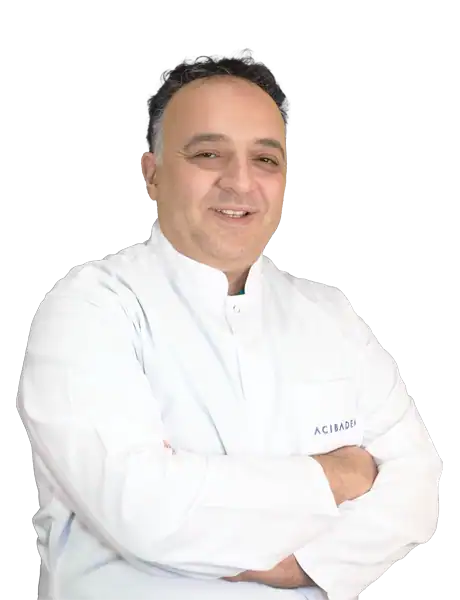
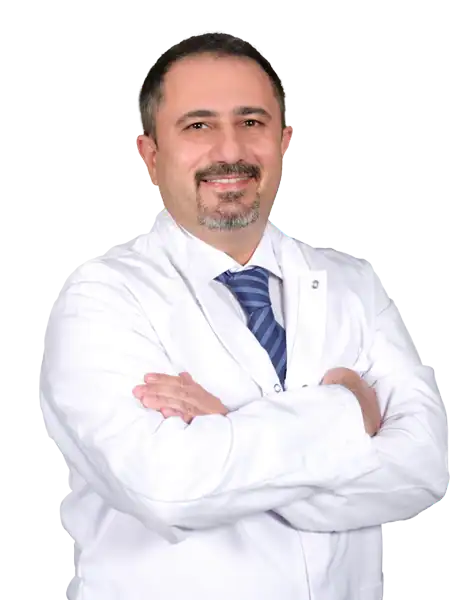
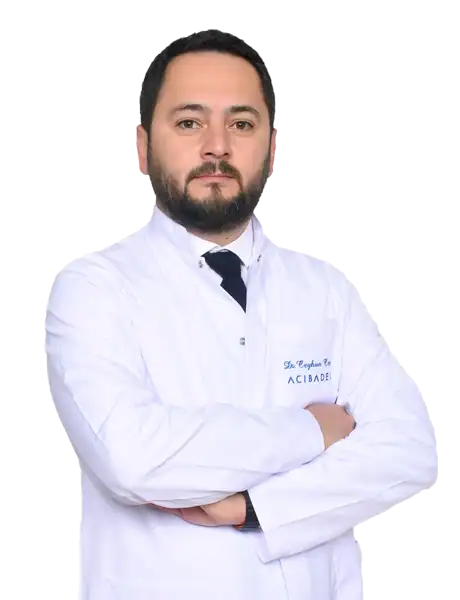
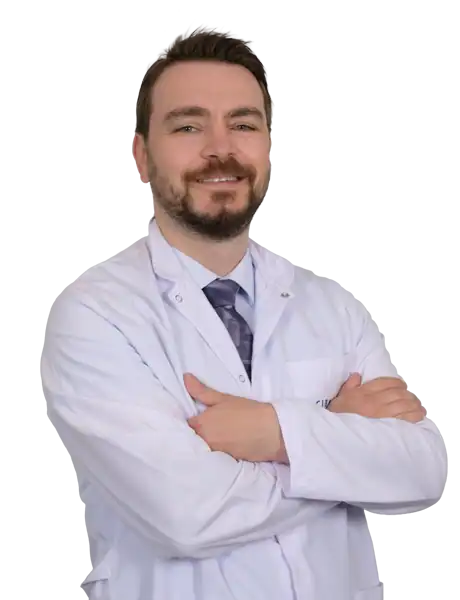
Aesthetic Plastic & Reconstructive Surgery
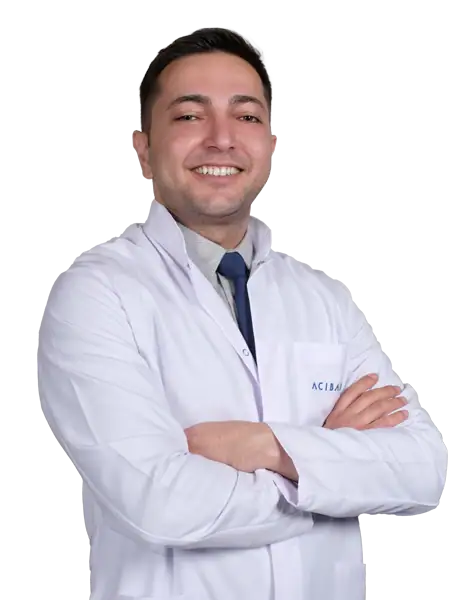
Prof. Mehmet Veli Karaaltın, MD


Aesthetic Plastic & Reconstructive Surgery
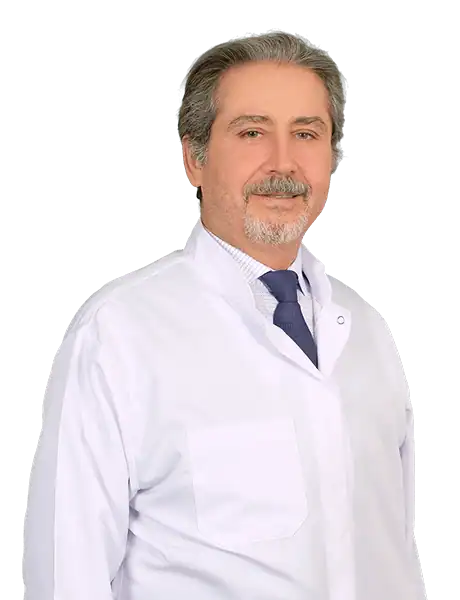
Assoc. Prof. Erdem Güven, MD

Aesthetic Plastic & Reconstructive Surgery
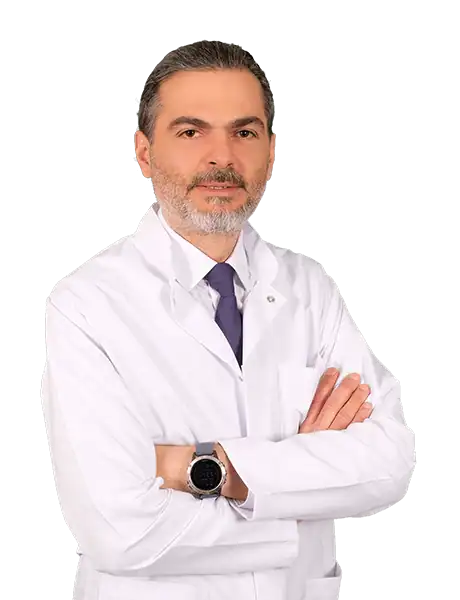
Assoc. Prof. Ahmet Küçükçelebi, MD

Aesthetic Plastic & Reconstructive Surgery
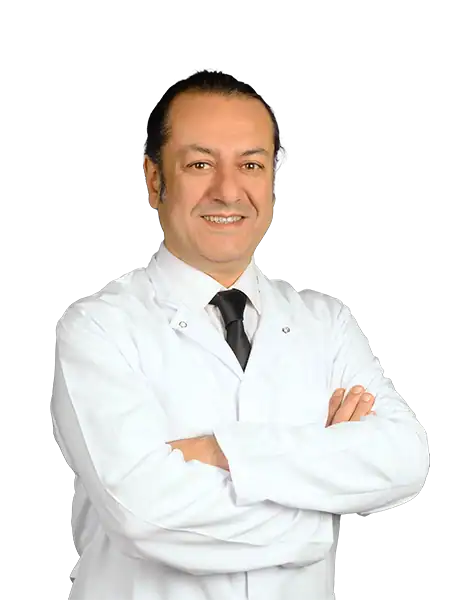
Assoc. Prof. Mehmet Altıparmak, MD

Aesthetic Plastic & Reconstructive Surgery