Vasectomy reversal in Turkey: Hospitals, Safety & What to Expect
Vasectomy reversal reconnects pathways that carry sperm and is performed using microsurgical techniques. The interval since vasectomy, the type of repair needed, and both partners’ fertility factors can affect outcomes.
Key Takeaways
- Vasectomy reversal reconnects pathways that carry sperm and is performed using microsurgical techniques.
- The interval since vasectomy, the type of repair needed, and both partners’ fertility factors can affect outcomes.
- A surgeon may decide during the operation whether a vasovasostomy or a more complex vasoepididymostomy is required.
- Recovery usually involves temporary activity restrictions, scrotal support, and follow-up semen testing.
- For international patients, planning should include medical records, travel timing, accommodation, and a clear follow-up plan.
Vasectomy reversal in Turkey may be considered by men who wish to pursue pregnancy after a previous vasectomy. The procedure requires careful fertility assessment, experienced microsurgical care, and realistic discussion of the chances of sperm returning to the semen and of pregnancy.
Overview: Vasectomy Reversal in Turkey
Vasectomy reversal in Turkey is a planned microsurgical operation intended to restore the route through which sperm travel after a vasectomy. It may be an option for men who want to try for pregnancy with a current or future partner, but it does not guarantee pregnancy. The most appropriate approach depends on the previous vasectomy, the man’s health, and fertility considerations for both partners.
During a vasectomy, the vas deferens—the tubes that transport sperm from the testicles—is divided or blocked. Reversal aims to reconnect these tubes so sperm may once again enter the semen. A urologist with microsurgical expertise evaluates whether reversal is suitable and discusses alternatives, including surgical sperm retrieval with assisted reproductive treatment.
Patients travelling for care should look for a clear clinical process rather than basing a decision on location alone. This includes a documented consultation, an individual surgical plan, anaesthesia assessment, infection-control measures, discharge guidance, and arrangements for follow-up after returning home. Learn more about vasectomy reversal treatment before making travel and care decisions.
How the Procedure Works
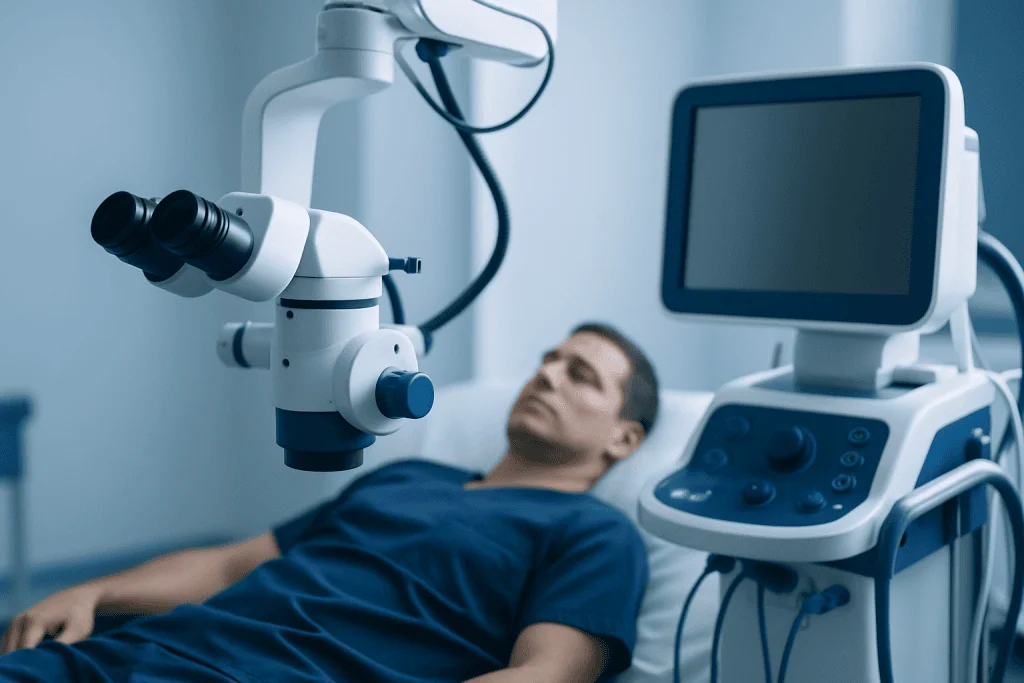
The operation is usually performed under general anaesthesia and uses an operating microscope or high-magnification surgical equipment. Through small scrotal incisions, the surgeon identifies the two separated ends of each vas deferens and evaluates fluid from the testicular-side segment. The appearance of this fluid and the presence or absence of sperm help guide the repair.
If conditions are favourable, the surgeon performs a vasovasostomy, joining the two ends of the vas deferens with very fine sutures. If a blockage has developed closer to the testicle, simply reconnecting the vas deferens may not be enough. In that situation, a vasoepididymostomy may be needed, which connects the vas deferens to a small tube in the epididymis where sperm mature.
The precise procedure cannot always be confirmed until surgery because changes behind the original vasectomy site may not be fully visible on examination or imaging. This is why preoperative counselling should cover both possible repair types, their different levels of technical complexity, and how they may affect expected results.
Who May Be a Candidate?
A man may be considered for reversal if he is in generally suitable health for surgery and has a clear wish to pursue biological parenthood after vasectomy. Common reasons include a new relationship, a change in family plans, or the loss of a child. The decision is personal, and counselling should provide space to discuss expectations, alternatives, and emotional considerations.
The time since vasectomy is important because longer intervals can be associated with a greater chance of blockage in the epididymis and a need for the more complex repair. However, a long interval does not automatically rule out surgery. The original vasectomy technique, prior scrotal surgery, infections, trauma, and individual healing can also influence planning.
Fertility is a couple-based issue. When pregnancy is the goal, evaluation of the female partner may be recommended, particularly where there are known fertility concerns or age-related considerations. A specialist may discuss semen analysis after reversal, sperm freezing where appropriate, or assisted reproduction as part of a broader fertility plan.
- Medical history, medications, allergies, and previous surgery should be reviewed before travel.
- Patients may be asked to provide prior vasectomy records if available, although these are not always necessary.
- Smoking cessation and management of long-term health conditions can support safer surgery and recovery.
What to Expect Before, During and After Surgery
Before surgery, the clinical team reviews health information, performs an examination, and may request blood tests or other pre-anaesthetic checks. Patients should receive instructions about fasting, medications that may affect bleeding, and arranging a responsible adult to assist after discharge. The individual surgeon and anaesthesia team provide the final instructions.
On the day of surgery, the patient is admitted, meets the surgical and anaesthesia teams, and signs informed consent after questions have been addressed. The operation can take several hours because the repair is performed with great precision and because the surgeon may need to complete a repair on one or both sides. Most patients can go home the same day or after a short period of observation, depending on their condition and the hospital’s protocol.
International patients should avoid scheduling immediate long-distance travel after surgery. A travel plan should allow for postoperative review, recovery near the hospital if advised, and comfortable onward travel. Practical arrangements may include airport transfers, accommodation close to the hospital, translation support where needed, and written discharge information in a language the patient understands.
Acibadem International’s multidisciplinary specialists and JCI-accredited hospitals can assess and treat international patients requiring vasectomy reversal, with care coordination to support the clinical process and travel planning.
Recovery Timeline and Follow-Up
In the first days after surgery, mild swelling, bruising, and discomfort in the scrotum are common. The care team may recommend supportive underwear, cold packs used as instructed, and prescribed or recommended pain relief. Keeping the wound area clean and dry according to discharge instructions helps reduce the risk of complications.
Many patients can walk gently soon after surgery, but strenuous exercise, heavy lifting, cycling, and activities that put pressure on the scrotum are usually limited for a period advised by the surgeon. Sexual activity and ejaculation are also paused temporarily to protect the repair while it heals. The timing for returning to work depends on the nature of the job, the procedure performed, and individual recovery.
Follow-up commonly includes a wound review and semen analyses at intervals chosen by the urologist. Sperm may return to the semen within months after a vasovasostomy, while it may take longer after a vasoepididymostomy. Even when sperm are present, pregnancy depends on sperm quality, female-partner fertility, timing, and other factors.
Benefits, Limitations and Possible Risks
The potential benefit of reversal is the possibility of having sperm in the ejaculate again, allowing a couple to try for pregnancy through intercourse. For some people, this may be preferable to sperm retrieval and in vitro fertilisation because it may enable more than one attempt at pregnancy without a separate sperm-retrieval procedure each time.
However, success has more than one meaning. Patency refers to sperm returning to the semen, while pregnancy is a separate outcome. A technically successful operation may not lead to pregnancy, and sperm can occasionally become blocked again after initially returning. The surgeon should explain these distinctions in a way that is relevant to the couple’s circumstances.
As with any operation, risks include bleeding, infection, pain, swelling, scarring, anaesthetic complications, and failure of the tubes to remain open. A small collection of blood around the testicle, called a haematoma, may require medical assessment. Rarely, persistent discomfort or other complications need further treatment.
Choosing a centre with appropriate microsurgical expertise, comprehensive anaesthesia care, and a reliable follow-up pathway can help support safe decision-making. Patients should receive balanced information and should not feel pressured to proceed before they understand the expected process and alternatives.
When to Seek Medical Care
After surgery, patients should contact the surgical team promptly if they develop fever, worsening redness or warmth around the incision, pus-like drainage, rapidly increasing swelling, severe or escalating pain, persistent vomiting, or difficulty passing urine. These symptoms do not always indicate a serious problem, but they require timely clinical advice.
Urgent medical attention is appropriate for heavy bleeding, sudden major scrotal swelling, chest pain, shortness of breath, fainting, or signs of a severe allergic reaction. International patients should be given clear instructions on whom to contact locally and how to access emergency care after leaving the hospital.
Before planning a reversal, medical advice is also important for anyone with uncontrolled chronic illness, a history of bleeding problems, active infection, or uncertainty about fertility goals. A urologist can help clarify whether reversal, sperm retrieval, or another fertility pathway best matches the individual situation.
Frequently asked questions
Is vasectomy reversal in Turkey safe?
Safety depends primarily on the individual’s health, the experience of the microsurgical team, anaesthesia assessment, hospital safety systems, and appropriate follow-up. Patients should ask about the surgeon’s relevant training, the planned aftercare, and how concerns will be managed after travel.
How long does vasectomy reversal surgery take?
The procedure often takes several hours because it involves delicate microsurgery. Duration varies according to whether one or both sides are repaired and whether a vasovasostomy or the more complex vasoepididymostomy is needed.
Can a vasectomy reversal guarantee pregnancy?
No. The surgery may restore sperm to the semen, but pregnancy also depends on sperm function, the female partner’s fertility, timing, and other factors. A fertility discussion for both partners can provide a more complete picture.
How soon can sperm return after a reversal?
Sperm may appear in semen within several months after a vasovasostomy, though timing varies. It can take longer after a vasoepididymostomy, so follow-up semen tests are important.
When can someone travel after vasectomy reversal?
Travel timing should be decided with the surgical team based on the procedure, recovery, and destination. Patients should generally allow time for early recovery and a postoperative review before long-distance travel, particularly air travel.
What should a patient bring for a vasectomy reversal consultation in Turkey?
Useful information includes details of the prior vasectomy if available, current medications, allergies, medical history, and previous test results. If pregnancy is the aim, relevant fertility information for both partners may also help guide counselling.
References
- American Urological Association
- American Society for Reproductive Medicine
- European Association of Urology
- National Health Service
- World Health Organization
This article is for general information only and is not a substitute for professional medical advice. Please consult a qualified doctor about your individual situation.
Vasectomy in Turkey — costs, top hospitals & a free quote
JCI-accredited · board-certified surgeons · reply within 24h
Add us as a Preferred Source to see more of our trusted health content across Google Search, AI Overviews and Discover.

More from the Health Library



Related Specialists
Dt. Sardar Fettahzade
Oral & Dental Health
Prof. Dr. Hasan Uçmak
Clinical Laboratory
Dr. Esra Karabıyık Yüksel
Pediatrics
Dr. Yusuf Hakan Abacı
Orthopedic Surgery & Traumatology