

Car t cell therapy Before & After: What Realistic Results Look Like

CAR T-cell therapy uses a person’s own modified immune cells to recognize and attack certain blood cancers. Results vary according to the cancer type, prior treatments, overall health, and features of the disease.
Key Takeaways
- CAR T-cell therapy uses a person’s own modified immune cells to recognize and attack certain blood cancers.
- Results vary according to the cancer type, prior treatments, overall health, and features of the disease.
- The first weeks after infusion require close observation because immune-related side effects can develop quickly but are often treatable.
- A response may occur within weeks, but scans and blood tests over months are needed to understand the full result.
- CAR T-cell therapy is generally considered for selected relapsed or refractory blood cancers and requires specialist assessment.
CAR T-cell therapy before and after is best understood as a treatment journey rather than a single procedure: it includes assessment, cell collection and preparation, close monitoring after infusion, and long-term follow-up. Some people achieve deep or lasting remission, while others have a partial response, relapse, or need additional treatment.
CAR T-Cell Therapy Before and After: What to Expect
CAR T-cell therapy before and after can look very different from one person to another. Before treatment, patients undergo detailed testing and preparation; after infusion, they are monitored closely for side effects and for signs that the cancer is responding. Some people experience a complete remission, while others have a partial response, no response, or a relapse after an initial improvement.
It is helpful to view outcomes realistically. CAR T-cell therapy can offer an important option when certain blood cancers have returned or have not responded to standard treatments, but it is not a guaranteed cure. The care team considers both the possible benefits and the significant monitoring needs when discussing whether it is appropriate.
This article focuses on the practical before-and-after experience, including candidacy, treatment steps, recovery, expected follow-up, and safety. For a broader introduction to the treatment itself, patients can review CAR T-cell therapy.
How CAR T-Cell Therapy Works
CAR T-cell therapy is a type of cellular immunotherapy. T cells are white blood cells that normally help the immune system identify and respond to threats. In this treatment, T cells are collected from the patient’s blood and modified in a specialist laboratory so they carry a chimeric antigen receptor, or CAR.
The engineered receptor is designed to recognize a particular marker on cancer cells. Once the modified cells are returned to the patient through an intravenous infusion, they can seek out cells carrying that marker and activate an immune response against them. The cells may continue to multiply and remain active in the body for a period of time.
CAR T-cell therapies are used for selected blood cancers, including certain lymphomas, leukemias, and multiple myeloma. The exact approved or recommended use depends on the specific CAR T-cell product, the type of cancer, previous treatment history, and local clinical guidance.
Who May Be a Candidate Before Treatment

Candidacy is assessed by a multidisciplinary hematology and oncology team. CAR T-cell therapy is commonly considered when a relevant cancer is relapsed, meaning it has returned after treatment, or refractory, meaning it has not responded adequately to prior therapy. It is not automatically suitable for every person with these conditions.
Before proceeding, clinicians review the cancer diagnosis, pathology results, prior therapies, current disease activity, organ function, blood counts, infection risk, physical function, and ability to attend frequent follow-up appointments. Imaging, bone marrow testing, blood tests, and heart or lung assessment may be used when appropriate.
The team also considers whether the cancer can be safely managed during the time needed to manufacture the cells. Some patients need temporary treatment, sometimes called bridging therapy, to control disease while the CAR T cells are being prepared. Discussions should include the patient’s personal goals, support at home, travel needs, and preferences for care.
- People may need treatment for an active infection before CAR T-cell therapy can proceed.
- Reduced kidney, liver, heart, or lung function does not always rule out treatment, but it may affect planning and risk assessment.
- Fertility, pregnancy, vaccination history, and current medicines should be discussed with the specialist team.
The Treatment Journey Step by Step
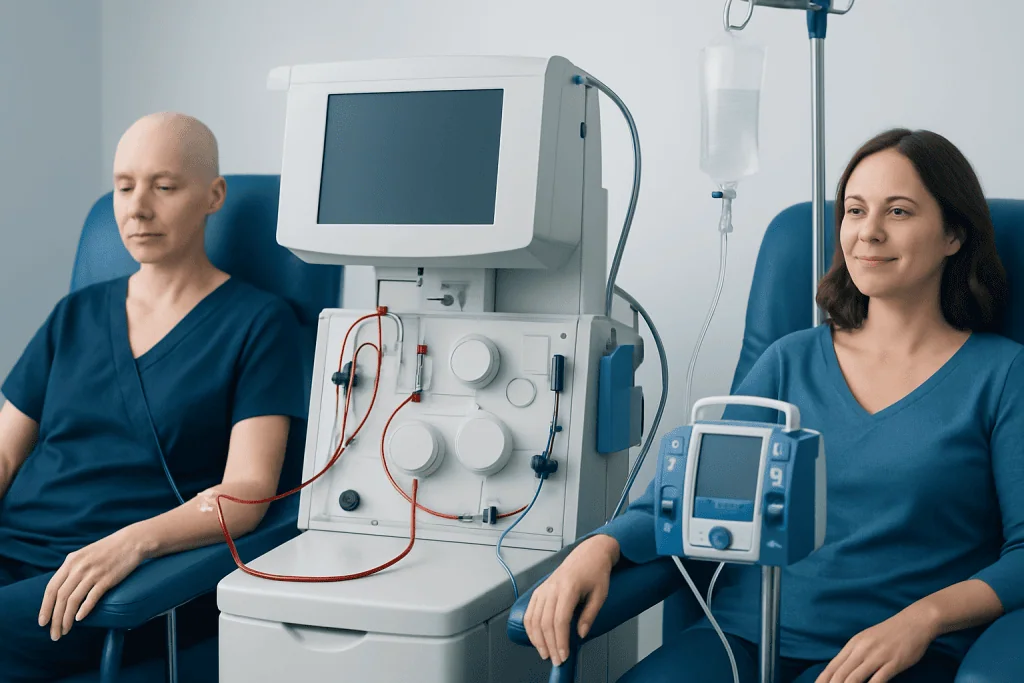
The first active step is usually leukapheresis, a procedure that collects T cells from the blood. Blood is drawn through a vein or catheter, passed through a machine that separates specific cells, and then returned to the body. This is different from surgery and often takes several hours.
The collected cells are sent for laboratory modification and expansion. Manufacturing time varies. During this interval, the care team monitors the cancer and may give bridging therapy if needed. Patients are informed when the personalized cell product is ready and when admission or treatment visits should begin.
Shortly before infusion, most patients receive lymphodepleting chemotherapy. This is not intended to be the main anti-cancer treatment; it reduces some existing immune cells and helps create conditions for the infused CAR T cells to expand. The CAR T-cell infusion itself is generally given through a vein and may take less time than the preparation process.
After infusion, close observation is essential. Depending on the product, individual risk factors, and local practice, monitoring may occur in hospital or through a structured outpatient program with rapid access to specialist care. Patients should follow the centre’s instructions about staying nearby, bringing a support person, and avoiding driving for the advised period.
Recovery Timeline and Realistic Results After Infusion
In the first days to weeks, the focus is usually safety rather than measuring the final cancer response. Fatigue, low blood counts, appetite changes, and effects related to preparative chemotherapy are common. Frequent blood tests and clinical reviews help the team identify infection, inflammation, and other complications early.
Initial response assessments are often performed within the first one to three months, although timing varies by cancer type and treatment plan. Doctors may use blood tests, imaging, bone marrow examination, or other disease-specific methods. A complete response means no detectable cancer is found using the available assessment methods; it does not mean that future relapse is impossible.
A realistic before-and-after example may involve a person whose lymphoma has progressed after several prior treatments. They may need bridging therapy while cells are manufactured, experience fever and low blood counts soon after infusion, and then have a scan showing a major reduction or disappearance of visible disease. Another person may have only a partial response or may later need additional medicines, radiation, transplantation, or clinical-trial options.
Follow-up continues beyond the early response scan. Some people need immunoglobulin replacement, infection prevention medicines, revaccination planning, or support for prolonged low blood counts. Recovery of energy and routine activities is gradual, and emotional adjustment after intensive cancer treatment is also an important part of care.
Benefits, Risks, and Side Effects
The potential benefit of CAR T-cell therapy is that it can produce meaningful responses in some people whose cancer has not responded to other treatments. For selected patients, it may provide a chance of deep remission when standard options have become limited. However, outcomes cannot be predicted precisely for an individual before treatment.
The best-known early complication is cytokine release syndrome, or CRS. As immune cells become activated, they can release inflammatory signals that may cause fever, low blood pressure, a fast heartbeat, breathing difficulties, or other symptoms. CRS ranges from mild to severe, which is why careful monitoring and prompt treatment are important.
Neurologic side effects can also occur, including confusion, difficulty speaking, tremor, sleepiness, headache, or seizures. Other possible effects include infections, prolonged low blood counts, bleeding risk, low antibody levels, and, less commonly, severe organ complications. The care team explains warning signs and may prescribe preventive medicines or supportive treatments.
Patients should tell the team about all symptoms, even if they seem minor. Early communication can make side effects easier to assess and treat. Decisions about hospital discharge, return to work, travel, exercise, and vaccinations should be individualized with the treating team.
Living After CAR T-Cell Therapy and Follow-Up Care
After CAR T-cell therapy, follow-up visits are used to evaluate remission status, manage side effects, and support recovery. The schedule is individualized, but it is generally more frequent in the first weeks and months. Patients may need regular blood tests and periodic imaging or bone marrow evaluation.
Reducing infection exposure is particularly important while blood counts and immune function recover. The medical team may recommend hand hygiene, food-safety measures, avoiding close contact with people who are unwell, and contacting the clinic promptly if a fever develops. Vaccines should only be restarted according to the oncology or hematology team’s advice.
Nutrition, gentle activity as tolerated, sleep, and practical support from family or carers can help recovery. Some people benefit from rehabilitation, psychological support, social work services, or survivorship care. It is normal to have mixed feelings while waiting for results or adapting to a new follow-up routine.
Acibadem International’s multidisciplinary specialists and JCI-accredited hospitals provide assessment, treatment planning, and follow-up care for international patients who may be considered for CAR T-cell therapy.
When to Seek Medical Care
Anyone receiving CAR T-cell therapy should use the urgent contact instructions provided by their treatment centre. Fever, chills, new cough, shortness of breath, severe weakness, persistent vomiting, reduced urine output, bleeding, or signs of infection require prompt medical advice, especially during the first weeks after infusion.
Emergency assessment is important for confusion, new difficulty speaking, severe headache, seizure, fainting, marked drowsiness, chest pain, or rapidly worsening breathing problems. These symptoms do not always indicate a serious CAR T-cell-related complication, but they should not be managed at home without guidance.
People considering CAR T-cell therapy should also seek specialist review if their blood cancer has returned or has not responded as expected to treatment. A hematologist or oncologist can explain whether referral to a CAR T-cell centre may be appropriate and what alternatives are available.
Frequently asked questions
How long does it take to see results after CAR T-cell therapy?
Early testing is commonly performed within the first one to three months after infusion, although the exact timing depends on the cancer type and treatment plan. Some changes may be seen sooner, but longer follow-up is needed to understand how durable a response is.
Is CAR T-cell therapy painful?
The cell infusion itself is usually similar to receiving an intravenous treatment and is not typically painful. Cell collection, preparative chemotherapy, low blood counts, and treatment-related side effects can cause discomfort or fatigue, which the care team helps manage.
Can cancer return after CAR T-cell therapy?
Yes. Some patients have a durable remission, while others may have persistent disease or relapse after an initial response. Ongoing monitoring helps identify changes early and allows the team to discuss further treatment options if needed.
How long is recovery after CAR T-cell therapy?
The most intensive monitoring is usually during the first days and weeks after infusion, but immune and blood-count recovery may take months. Return to everyday activities depends on side effects, infection risk, disease status, and the person’s overall recovery.
Does everyone need to stay in hospital after CAR T-cell therapy?
Not everyone has the same admission plan. Some patients are monitored in hospital, while others may be treated through closely supervised outpatient pathways if they meet safety criteria and can remain near the treatment centre.
What should a caregiver expect after CAR T-cell therapy?
Caregivers often help with transport, medication organization, symptom observation, meals, and communication with the clinical team. They should know the centre’s urgent warning signs, particularly fever, breathing changes, confusion, or unusual sleepiness.
References
- National Cancer Institute
- U.S. Food and Drug Administration
- European Society for Medical Oncology
- American Society of Hematology
- Leukemia & Lymphoma Society
This article is for general information only and is not a substitute for professional medical advice. Please consult a qualified doctor about your individual situation.
Oncology care in Turkey — second opinion and treatment plan
JCI-accredited · board-certified surgeons · reply within 24h
Add us as a Preferred Source to see more of our trusted health content across Google Search, AI Overviews and Discover.

More from the Health Library



Related Specialists

Dr. Duygu Demirbaş Keskin
Otorhinolaryngology
Dr. Cengiz Akbenlioğlu
Pediatrics
Dt. Oya Albayrak Taş
Dentistry
Dr. Nezail Demirciler
Aesthetic Plastic & Reconstructive Surgery