

Understanding Varicocele Treatment Risks

Varicocele repair may help relieve persistent pain, support testicular growth in adolescents, or improve fertility in selected patients. Microsurgical varicocelectomy and embolization have different approaches, recovery patterns and risk profiles.
Key Takeaways
- Varicocele repair may help relieve persistent pain, support testicular growth in adolescents, or improve fertility in selected patients.
- Microsurgical varicocelectomy and embolization have different approaches, recovery patterns and risk profiles.
- The most important potential complications include recurrence, hydrocele, infection, bleeding and rare injury to the testicular artery.
- Not every varicocele needs treatment; decisions are based on symptoms, fertility goals, examination findings and testicular health.
- New severe scrotal pain, fever, increasing swelling or wound problems after treatment should be assessed promptly.
Varicocele treatment risks are generally uncommon, and most people recover without serious complications. Possible side effects depend on the procedure but may include bruising, swelling, temporary discomfort, recurrence of the varicocele, hydrocele formation and, rarely, infection or injury to nearby structures.
Overview: What Are the Risks of Varicocele Treatment?
Varicocele treatment risks are usually low when the procedure is performed by an experienced urology or interventional radiology team. The main possible complications are temporary pain or swelling, bruising, recurrence of the enlarged veins, fluid collecting around the testicle (hydrocele), bleeding and infection. Rarely, treatment can affect the testicular artery or surrounding structures.
A varicocele is an enlargement of veins in the scrotum, most often on the left side. It may cause a dragging discomfort, contribute to fertility problems in some people, or be associated with reduced testicular growth or size. Many varicoceles cause no symptoms and do not require intervention. For a broader discussion of assessment and available approaches, see varicocele treatment.
Choosing treatment is a personal clinical decision rather than an automatic response to finding a varicocele. A specialist considers symptoms, semen analysis results when fertility is a concern, testicular size, age, medical history and the person’s preferences. A careful discussion of expected benefits and limitations helps put potential risks into perspective.
Who May Be a Candidate for Treatment?
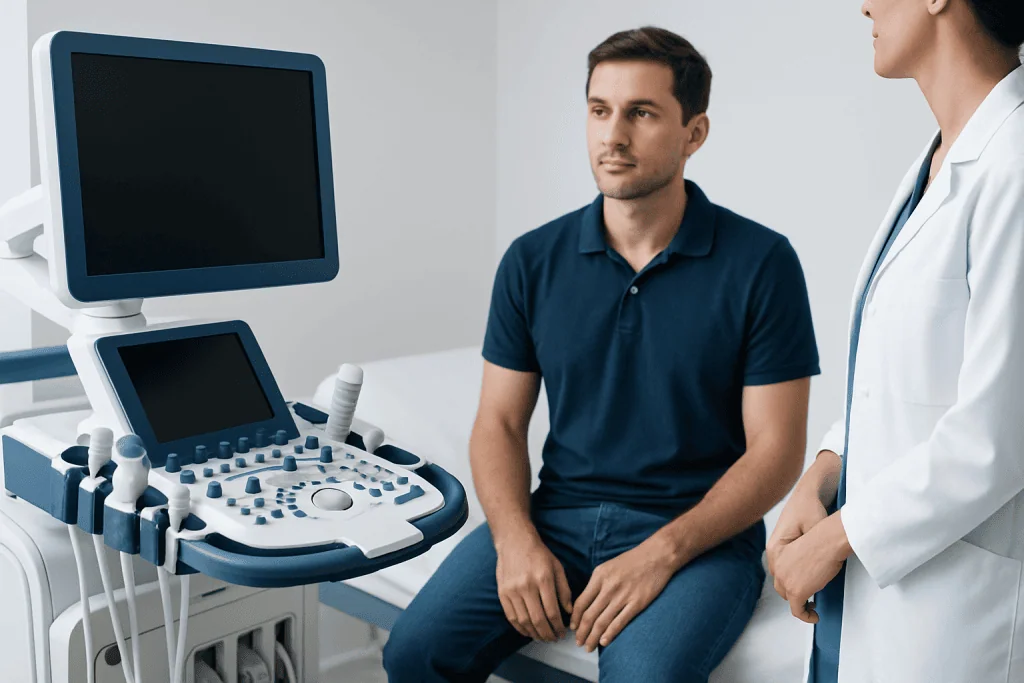
Treatment may be considered for a person with persistent scrotal pain that has not improved with supportive measures, provided other causes of pain have been evaluated. It may also be discussed for infertility when there is a clinically detectable varicocele and abnormal semen findings, although repair does not guarantee pregnancy and female-partner factors remain important.
In adolescents, clinicians may monitor a varicocele over time or recommend treatment when there is a meaningful difference in testicular size, concerns about development, pain or changes in semen parameters in older adolescents. Regular follow-up can be appropriate when there are no concerning changes.
People with a small varicocele seen only on ultrasound, normal examinations and no symptoms often do not benefit from a procedure. Before recommending intervention, a urologist may perform a physical examination, review reproductive history and arrange scrotal ultrasound or semen testing when clinically appropriate.
- Persistent discomfort that affects daily activities
- Infertility with an appropriate clinical evaluation
- Testicular growth concerns or shrinkage
- A desire to understand options after conservative care has not helped
How Varicocele Procedures Work
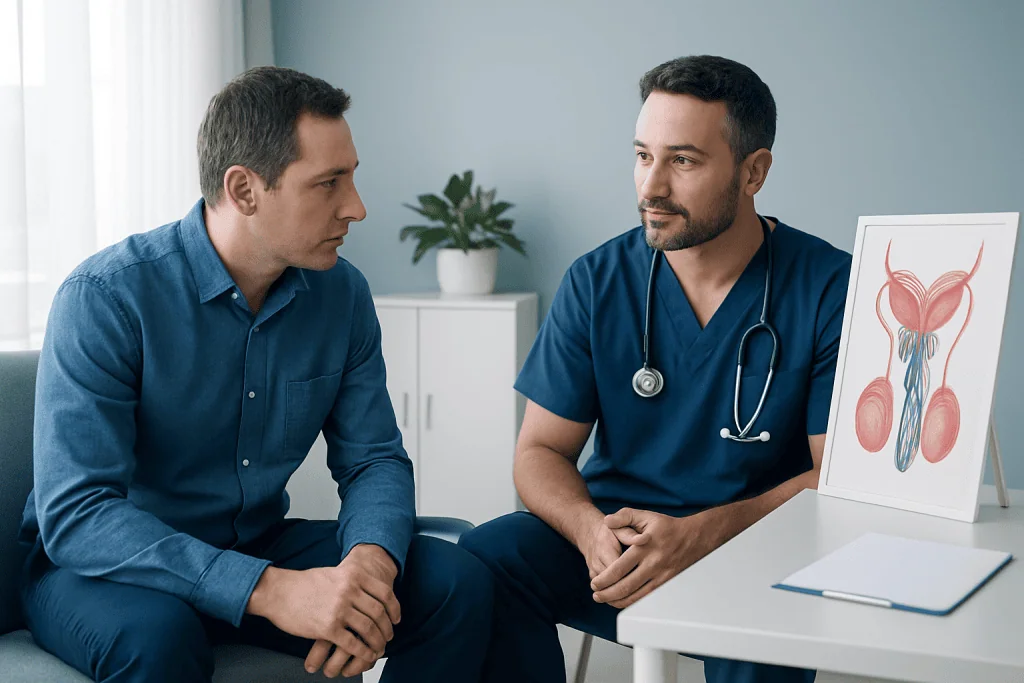
The goal of treatment is to stop abnormal backward blood flow in the enlarged scrotal veins while preserving the artery and lymphatic vessels that support the testicle. This can be achieved with surgery, called varicocelectomy, or with a minimally invasive radiology procedure called embolization.
During varicocelectomy, a surgeon identifies and closes the affected veins through a small incision, commonly in the groin or lower abdomen. Microsurgical techniques use magnification to help distinguish veins from the testicular artery and lymphatic channels. Laparoscopic surgery is another surgical approach in selected circumstances.
Embolization is performed through a small catheter inserted into a vein, typically in the neck or groin. Using imaging guidance, the interventional radiologist reaches the affected vein and blocks it with coils, a medical plug or a sealing agent. This redirects blood flow away from the varicocele without a scrotal incision.
The best technique varies by anatomy, prior treatment, local expertise, medical factors and patient preference. A clinician can explain which approach is available and whether it is suitable for an individual situation.
What Happens During Varicocelectomy or Embolization?
Before treatment, the team reviews medications, allergies, bleeding risk and relevant medical conditions. Instructions about eating, drinking and medicines depend on the planned procedure and type of anesthesia. It is important to disclose use of blood-thinning medicines, supplements and any history of contrast reactions or kidney disease.
For surgical repair, anesthesia is administered and a small incision is made. The surgeon identifies the problematic veins, closes or divides them, and preserves important nearby structures whenever possible. The incision is then closed. The procedure is often completed on the same day, though individual plans may differ.
For embolization, local anesthetic and sometimes sedation are used. A catheter is guided through the veins using X-ray imaging, contrast dye may be used to map blood flow, and the target veins are blocked. The catheter is removed and pressure is applied at the entry site. Patients are monitored briefly before going home if recovery is uncomplicated.
Neither procedure is designed to treat every possible cause of testicular or pelvic pain. If symptoms are not clearly linked to the varicocele, a specialist may recommend further evaluation before treatment.
Benefits, Side Effects and Possible Complications
Potential benefits include less varicocele-related discomfort, improved testicular growth in selected adolescents, and improvement in semen parameters for some adults with infertility. Improvements in semen quality, when they occur, usually take several months because sperm development takes time. Fertility outcomes vary, and no treatment can promise a pregnancy.
Short-term effects after repair can include tenderness, mild swelling, bruising, tiredness after anesthesia, and discomfort at the incision or catheter-entry site. These commonly improve during the first days to weeks. Supportive underwear, rest, prescribed or recommended pain relief and following activity guidance can make recovery more comfortable.
The potential complications should be discussed clearly before consent. Recurrence or persistence of the varicocele can occur if veins remain open or alternative drainage pathways develop. A hydrocele may develop if lymphatic channels are affected, though techniques that preserve lymphatics can reduce this risk. Infection, bleeding or blood collection are uncommon but possible after surgery.
Rare complications include injury to the testicular artery, which could affect blood supply to the testicle, and complications related to anesthesia. With embolization, there can be temporary back or flank discomfort, contrast-related reactions, access-site bleeding, migration of an embolic device or inability to access and close the target vein. Serious complications are uncommon, but every procedure carries some risk.
Recovery Timeline and Self-Care After Treatment
Recovery differs by procedure, the person’s overall health and the extent of treatment. After microsurgical or other open repair, many people return to light daily activities within several days, while strenuous exercise, heavy lifting and sexual activity may need to wait until the treating team confirms it is safe. Embolization often has a shorter recovery period, but activity restrictions still apply initially.
It is normal to have some local soreness and swelling early in recovery. A scrotal support garment may be advised after surgery. Keeping the incision or catheter-entry site clean and dry, taking medicines only as instructed, and attending follow-up appointments can support healing.
Follow-up may include a physical examination and, when fertility is relevant, repeat semen analysis after an appropriate interval. Pain relief can take time, and people who had longstanding pain should understand that treatment may not remove discomfort completely if another cause is also present.
Acibadem International’s multidisciplinary specialists and JCI-accredited hospitals evaluate and treat varicocele for international patients, with treatment plans based on individual symptoms, fertility goals and clinical findings.
When to Seek Medical Care
Medical review is appropriate for a new scrotal lump, persistent aching, a noticeable change in testicular size, or fertility concerns. A varicocele is usually not an emergency, but a healthcare professional should assess new symptoms because several conditions can cause scrotal swelling or pain.
Urgent assessment is important for sudden severe testicular pain, rapid swelling, nausea or vomiting with scrotal pain, fever, or redness and warmth of the scrotum. These symptoms can be caused by conditions that need prompt treatment and should not be assumed to be due to a varicocele.
After a procedure, patients should contact their treating team for worsening rather than improving pain, increasing swelling, fever, persistent bleeding, drainage from an incision, redness spreading around a wound, trouble passing urine, or concerning symptoms at a catheter-entry site. Following the specific discharge instructions from the procedure team is essential.
Frequently asked questions
Is varicocele treatment dangerous?
Varicocele treatment is generally considered safe, but no procedure is completely risk-free. Possible complications include recurrence, hydrocele, bleeding, infection and temporary pain or swelling; serious complications are uncommon. A specialist can explain the risks that apply to the selected technique and the individual’s health.
What is the most common side effect after varicocele surgery?
Mild soreness, swelling and bruising around the surgical area are common during early recovery. These effects usually settle gradually with rest, supportive underwear and the aftercare plan provided by the surgical team. Persistent or worsening symptoms should be reviewed.
Can a varicocele come back after treatment?
Yes, recurrence or persistence is possible after either surgery or embolization. It may happen when small veins remain open, new drainage routes develop, or the target vein cannot be fully treated. Follow-up helps determine whether symptoms or examination findings suggest recurrence.
Can varicocele surgery affect testosterone or fertility?
In selected people, varicocele repair may improve semen parameters and may support testicular function, but results vary. It does not guarantee improved testosterone levels, conception or relief of pain. Fertility assessment should consider both partners and other possible causes of infertility.
How long does it take to recover from varicocele treatment?
Many people resume light activities within a few days, although recovery after surgery may take longer than after embolization. Heavy exercise, lifting and sexual activity are usually restricted for a period determined by the treating team. Full recovery and any changes in semen results may take weeks to months.
Does a varicocele always need treatment?
No. Many varicoceles are painless and do not affect testicular health or fertility, so observation is often appropriate. Treatment is more commonly considered for ongoing pain, fertility concerns with abnormal semen findings, or signs of impaired testicular growth or size.
References
- American Urological Association
- European Association of Urology
- Mayo Clinic
- National Institute of Diabetes and Digestive and Kidney Diseases
- Society of Interventional Radiology
This article is for general information only and is not a substitute for professional medical advice. Please consult a qualified doctor about your individual situation.
Varicocele in Turkey — costs, top hospitals & a free quote
JCI-accredited · board-certified surgeons · reply within 24h
Add us as a Preferred Source to see more of our trusted health content across Google Search, AI Overviews and Discover.

More from the Health Library



Related Specialists
Dr. Aykut Türken
Orthopedic Surgery & Traumatology
Dr. Hasan Abbasguliyev
Radiology
Assoc. Prof. Dr. İlke Özer Aslan
Gynecology & Obstetrics
Dr. Okan Acicbe
Aesthetic Plastic & Reconstructive Surgery