Schizophrenia Art for Expression and Emotional Wellbeing

Artwork cannot confirm, rule out or measure the severity of schizophrenia. Creative activities may offer a non-verbal way to explore thoughts, emotions and daily experiences.
Key Takeaways
- Artwork cannot confirm, rule out or measure the severity of schizophrenia.
- Creative activities may offer a non-verbal way to explore thoughts, emotions and daily experiences.
- Art therapy is usually used alongside, not instead of, medication, psychological therapy and practical support.
- A trained art therapist can help make creative work safer and more useful when distressing symptoms are present.
- New hallucinations, paranoia, severe confusion or thoughts of self-harm require prompt professional assessment.
Schizophrenia art refers to artwork created by people living with schizophrenia and the use of creative activities as a supportive part of recovery. Art may help some people express experiences, reduce stress and build confidence, but it cannot diagnose schizophrenia or replace evidence-based mental health care.
What Does Schizophrenia Art Mean?
Schizophrenia art is a broad, non-medical term. It may describe visual art, writing, music, photography, craftwork or other creative work made by people who live with schizophrenia. It can also refer to art therapy, a structured form of psychotherapy that uses creative activity and discussion with a qualified therapist.
People sometimes look for a particular “schizophrenia art style.” In reality, there is no single appearance, subject or artistic trait that identifies schizophrenia. People with the condition have diverse interests, skills and perspectives, and their artwork may be abstract, detailed, conventional, experimental, private or intended for public sharing.
Creative work can communicate feelings or experiences that are hard to put into words. However, interpreting art as proof of a mental health diagnosis can be misleading and stigmatizing. Schizophrenia is diagnosed through a careful clinical assessment of symptoms, health history, functioning and possible alternative explanations.
How Art Can Support Recovery
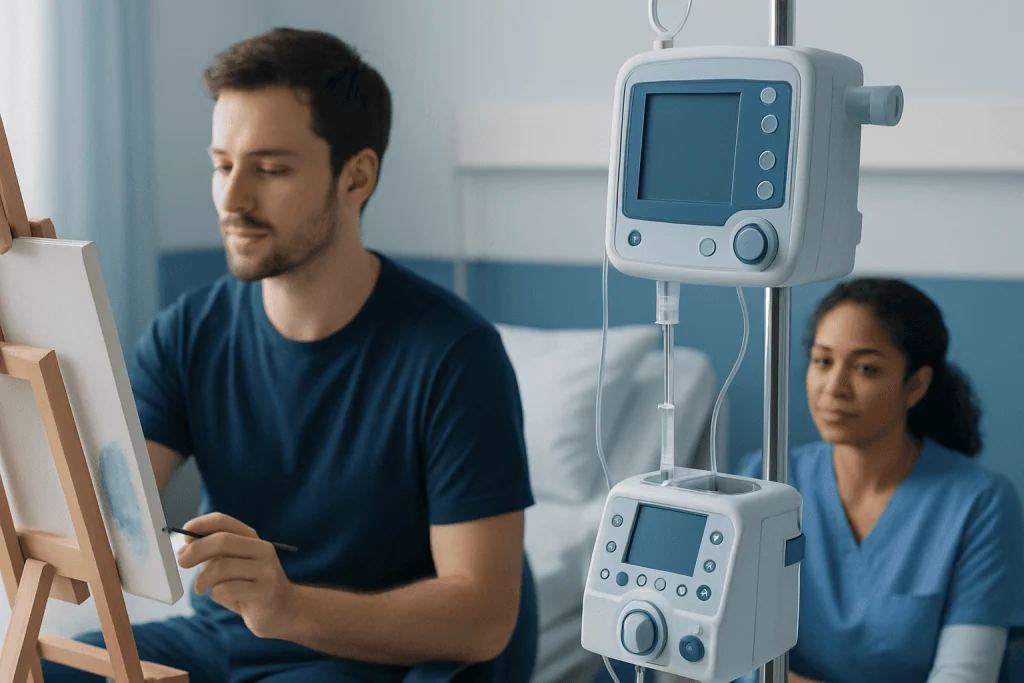
For some people, making art creates a manageable focus during difficult periods. Drawing, painting, collage, clay work or music may provide structure, a sense of accomplishment and an opportunity to reconnect with personal interests. These benefits can matter because schizophrenia may affect motivation, concentration, social participation and everyday routines.
Art can also provide a way to explore emotions, relationships, hopes and the impact of living with unusual perceptions or beliefs. In a therapeutic setting, the goal is not to judge artistic quality or to decode images. Instead, the therapist supports the person in deciding what the work means to them and how it relates to their wellbeing.
Creative groups may reduce isolation by offering social contact in a less pressured environment. Not everyone enjoys art or finds it helpful, and that is completely valid. Recovery plans should reflect the person’s preferences, culture, strengths, symptoms and practical needs.
Art Therapy and Creative Activities Are Not the Same
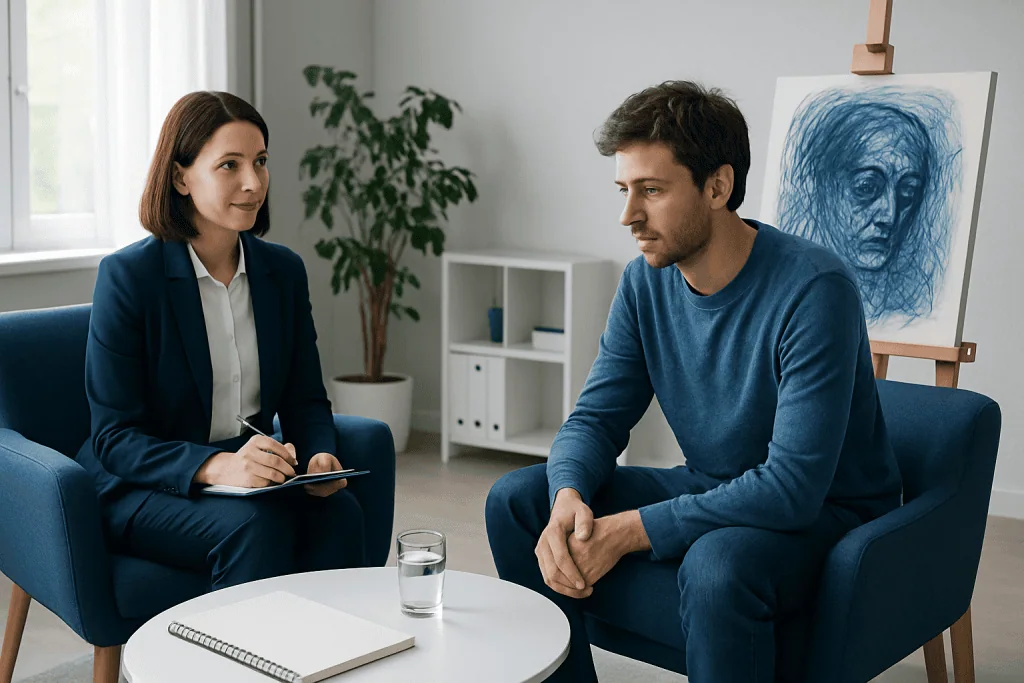
Art therapy is delivered by a trained, regulated or credentialed professional, depending on the country. It combines art-making with therapeutic support and may take place individually or in a group. Sessions often focus on reflection, emotional regulation, communication and personal goals rather than on producing a finished piece.
Creative activities outside therapy can also be beneficial. A person might keep a sketchbook, join a community class, make music, use coloring materials or create digital images. These activities can be enjoyable parts of self-care, but they are not a substitute for assessment or treatment when psychotic symptoms are active or worsening.
Evidence suggests that arts-based approaches may improve engagement, expression or quality of life for some individuals, but results vary. They should be viewed as complementary support within a broader care plan. Decisions about treatment should be made with a psychiatrist or other qualified mental health professional.
Understanding Schizophrenia Beyond Artistic Expression
Schizophrenia is a long-term mental health condition that can affect how a person thinks, feels, perceives reality and functions in daily life. Symptoms may include hallucinations, delusions, disorganized speech or behavior, reduced motivation, emotional withdrawal, difficulty concentrating and changes in social functioning. Symptoms and their impact differ greatly from one person to another.
Art cannot distinguish schizophrenia from other conditions that can involve psychosis, including mood disorders, severe depression, substance-related conditions, neurological illness or medication effects. A clinician may consider physical health, sleep, substance use, family history and psychological wellbeing as part of a full assessment.
For clear information about the condition itself, see schizophrenia. Receiving an accurate diagnosis can help a person and their family understand available support, plan treatment and identify early signs that additional care may be needed.
Where Art Fits Within Evidence-Based Treatment
Effective schizophrenia care is individualized and often includes antipsychotic medication, psychological interventions, education, support for family members and help with housing, work, education or daily living. Medication can reduce or prevent distressing psychotic symptoms for many people, while psychological and social support can strengthen coping skills and recovery.
Psychological care may include approaches designed for psychosis, family interventions and support for anxiety, depression, trauma or substance use where relevant. psychiatric care can help coordinate assessment, medicines and ongoing monitoring. A clinician should be told about all therapies and complementary activities a person is using.
Art therapy may be considered when it matches the person’s interests and goals. It may be particularly useful for people who find direct conversation difficult, but it should never require someone to discuss artwork before they feel ready. If creative work increases distress, fear or confusion, the activity can be paused and discussed with the treating team.
Practical Ways to Use Creativity Safely
A low-pressure approach is often most helpful. Choosing simple, accessible materials, setting a short time limit and focusing on the process rather than the result can make creativity feel more manageable. Some people prefer working alone, while others benefit from a trusted friend, family member, peer group or therapist nearby.
It can be useful to notice how an activity affects mood, energy, sleep and symptoms. For example, a person may write down whether they felt calmer, more activated, overwhelmed or disconnected afterward. This information can support conversations with their mental health team and help identify the kinds of activities that feel restorative.
- Choose a quiet, comfortable place and stop if the activity becomes upsetting.
- Maintain regular sleep, meals, medication routines and appointments alongside creative interests.
- Avoid using art as the only way to manage severe symptoms or a mental health crisis.
- Share artwork only when and where the person feels comfortable; privacy and consent are important.
When to Seek Medical Care
Medical advice is important when a person develops hallucinations, strongly held beliefs that others do not share, marked confusion, major changes in behavior, severe withdrawal, inability to manage daily needs or a rapid decline in functioning. Early assessment can identify possible causes and allow treatment and support to begin sooner.
Urgent help is needed if there are thoughts of self-harm or suicide, thoughts of harming someone else, inability to stay safe, severe agitation, prolonged lack of sleep, or symptoms that place the person at immediate risk. Contact local emergency services, a crisis service or go to the nearest emergency department. A trusted person should stay with the individual if this can be done safely.
Acibadem International’s multidisciplinary specialists and JCI-accredited hospitals can assess and treat schizophrenia for international patients. Ongoing care should be coordinated with qualified mental health professionals, with a plan that includes both symptom management and personal recovery goals.
Frequently asked questions
Can art diagnose schizophrenia?
No. There is no drawing, painting style or other artistic feature that can diagnose schizophrenia. Diagnosis requires a detailed assessment by a qualified clinician, including symptoms, medical history and possible physical or substance-related causes.
Can people with schizophrenia be creative?
Yes. People living with schizophrenia can be creative in the same varied ways as anyone else. Creativity is not a diagnostic sign of schizophrenia, and having schizophrenia does not define a person’s talents or identity.
Is art therapy effective for schizophrenia?
Art therapy may help some people with expression, engagement, confidence and emotional wellbeing. Its benefits differ between individuals, so it is best used as part of a personalized treatment plan rather than as a replacement for established medical and psychological care.
What happens during an art therapy session?
A trained art therapist offers materials and a supportive setting for creative work. The person may discuss the process or meaning of their work if they wish, with the focus on their own experience rather than on interpreting images as diagnostic evidence.
Can making art make psychosis worse?
Creative activity is often safe and enjoyable, but any activity can feel overwhelming during a period of severe distress. If art-making increases fear, agitation, confusion, unusual beliefs or sleep disruption, it is sensible to pause and speak with a mental health professional.
When should a family member seek help for someone with possible psychosis?
Prompt professional advice is appropriate when there are new hallucinations, paranoia, confused thinking, marked behavioral changes or difficulty coping with everyday life. Emergency help is needed when there is immediate risk of self-harm, harm to others or inability to remain safe.
References
- World Health Organization
- National Institute of Mental Health
- National Institute for Health and Care Excellence
- American Psychiatric Association
- British Association of Art Therapists
This article is for general information only and is not a substitute for professional medical advice. Please consult a qualified doctor about your individual situation.
Schizophrenia in Turkey — costs, top hospitals & a free quote
JCI-accredited · board-certified surgeons · reply within 24h
Add us as a Preferred Source to see more of our trusted health content across Google Search, AI Overviews and Discover.

More from the Health Library

Louse: An Evidence-Based Guide for Patients
Sore Throat Spray: An Evidence-Based Guide for Patients

Hypertension: What Patients Need to Know
Holistic Remedies for Add: An Evidence-Based Guide for Patients

Nasal Spray Addiction — Explained by Medical Evidence, Not Myths