How to Prevent Stretch Marks During Body Changes

Stretch marks are common and usually do not indicate a health problem. Genetics, hormones, rapid growth, pregnancy, weight changes, and corticosteroid use can all contribute.
Key Takeaways
- Stretch marks are common and usually do not indicate a health problem.
- Genetics, hormones, rapid growth, pregnancy, weight changes, and corticosteroid use can all contribute.
- Moisturizers can ease dryness and itching but have limited evidence for preventing stretch marks.
- New, widespread, unexplained, or rapidly developing marks should be assessed by a clinician.
- Earlier treatment may modestly improve the appearance of newer stretch marks, but complete removal is unlikely.
Stretch marks are very common, harmless skin changes that occur when skin stretches or hormonal changes affect its supporting fibers. Although no method can reliably prevent every stretch mark, gradual weight changes, balanced nutrition, and appropriate medical guidance may reduce risk in some situations.
How to Prevent Stretch Marks: What Helps Most
Stretch marks, also called striae, are very common and usually harmless. They cannot always be prevented because inherited skin characteristics and hormones play an important role, but avoiding rapid changes in body size where possible and supporting overall skin health may help reduce their likelihood or severity.
For most people, the practical approach is to aim for gradual, sustainable weight change; eat a varied diet that provides enough protein, vitamins, and minerals; stay well hydrated; and use moisturizers if the skin feels dry or itchy. During pregnancy, regular prenatal care and weight-gain guidance tailored to the individual are more useful than relying on a single cream or oil.
It is helpful to set realistic expectations. Lotions, cocoa butter, oils, and vitamin E products may make skin feel more comfortable, but evidence that they consistently prevent stretch marks is limited. Stretch marks are not caused by poor hygiene, and developing them does not mean a person has done anything wrong.
What Stretch Marks Are and Why They Form
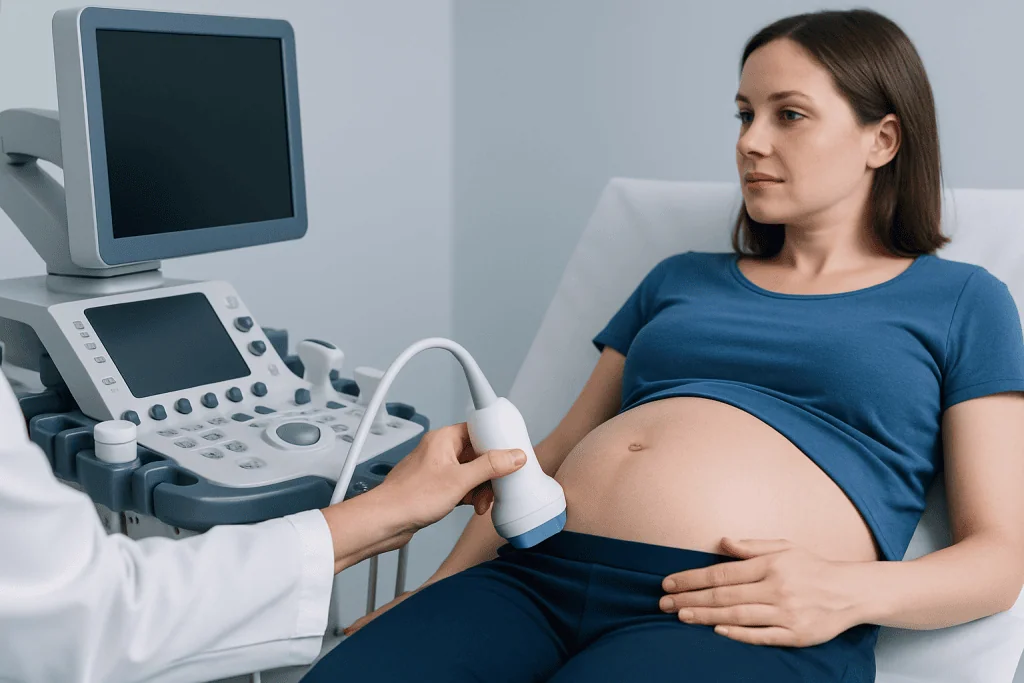
Stretch marks are narrow, streak-like areas of skin that develop when the skin stretches relatively quickly or when hormonal factors affect collagen and elastin, the fibers that support skin structure. Early stretch marks may look pink, red, purple, reddish-brown, or dark brown depending on skin tone. Over time, they usually become lighter, flatter, and less noticeable.
They often appear on the abdomen, breasts, hips, buttocks, thighs, upper arms, shoulders, or lower back. They may feel mildly itchy or tender when first developing, but they are not contagious and do not damage internal organs.
Many people develop stretch marks during puberty, pregnancy, periods of weight gain or loss, or muscle-building. They can also occur with certain medical conditions or medicines. A clinician may refer to stretch marks as striae distensae; this is the medical term for the same common skin finding.
Common Causes and Risk Factors

Rapid growth or body-size change is one of the most common contributors. Adolescents may notice stretch marks during growth spurts, while adults may develop them during pregnancy, substantial weight change, or periods of rapid muscle growth. The amount and speed of stretching matter, but they do not fully explain why some people develop marks and others do not.
Family history is important. A person whose close relatives developed stretch marks during pregnancy or puberty may be more likely to develop them as well. Skin type, age, and the body’s response to hormones can also influence risk.
Long-term use of corticosteroid medicines, especially strong topical steroids used over large areas or systemic corticosteroids, can make skin thinner and more prone to stretch marks. Rarely, widespread purple stretch marks together with easy bruising, muscle weakness, high blood pressure, or changes in body shape can be associated with excess cortisol. These symptoms warrant medical assessment, including evaluation for conditions such as Cushing syndrome.
Prevention Strategies With Realistic Expectations
When weight change is planned, such as during a nutrition or fitness program, gradual change is generally kinder to the body than rapid cycles of gain and loss. A healthcare professional, registered dietitian, or qualified trainer can help create an approach that is safe and realistic for the person’s health needs.
A balanced eating pattern supports normal skin repair and overall health. This includes adequate protein and a variety of fruits, vegetables, whole grains, and healthy fats. Drinking enough fluids is also sensible for general wellbeing, although hydration alone has not been proven to prevent stretch marks.
Keeping the skin comfortable can be worthwhile. Fragrance-free moisturizers may reduce dryness and itchiness, particularly during pregnancy or growth periods. They should be applied gently and regularly, but they should not be viewed as a guaranteed preventive treatment. Products containing retinoids should not be used during pregnancy unless specifically advised by a qualified clinician.
- Follow individualized prenatal guidance on healthy weight gain.
- Avoid unsupervised rapid dieting or extreme bulking routines.
- Use corticosteroid medicines only as prescribed and ask about safe duration and application.
- Choose gentle skin care and avoid irritation from harsh exfoliants or unregulated products.
What Can Improve Existing Stretch Marks?
Stretch marks commonly fade naturally over months or years. They may not disappear completely, but their color and contrast with surrounding skin often become less noticeable. Treatment is optional and is usually considered when marks cause distress or remain prominent after they have matured.
Topical retinoid treatments may help some newer stretch marks, particularly when prescribed and monitored by a dermatologist. They are not appropriate during pregnancy or breastfeeding unless a clinician specifically confirms they are suitable. Over-the-counter creams, oils, and supplements often make broad claims, but their results are variable and usually modest.
Dermatology procedures such as laser-based treatments, microneedling, radiofrequency, or other resurfacing approaches may improve texture or color for selected people. Outcomes vary by skin type, stretch-mark age, location, and treatment method. A consultation can help clarify whether dermatology assessment and treatment options are appropriate and what degree of improvement is realistic.
When to Seek Medical Care
Most stretch marks need no medical testing or treatment. It is sensible to arrange a medical review if they appear suddenly, become widespread quickly, develop without an obvious reason, or are accompanied by symptoms such as easy bruising, unusual weakness, persistent high blood pressure, marked fatigue, or unexpected changes in body weight or body shape.
A person should also speak with a clinician if they use corticosteroid tablets, injections, inhalers, or strong skin creams and notice new stretch marks or fragile skin. The clinician can review whether the medicine is contributing and whether the treatment plan needs adjustment. Prescribed medication should not be stopped abruptly without medical advice.
For new stretch marks, a doctor will usually ask about pregnancy, puberty, weight or exercise changes, family history, medications, and other symptoms. They may examine the skin and, when signs suggest an underlying hormonal cause, arrange blood or urine testing or refer the person to an endocrinology or dermatology specialist. Acibadem International’s multidisciplinary specialists and JCI-accredited hospitals can assess skin and hormonal concerns for international patients.
Frequently asked questions
Can stretch marks be prevented completely?
No. Stretch marks cannot be prevented completely because genetics, hormones, and normal body changes strongly affect whether they develop. Gradual weight changes and overall healthy habits may reduce risk for some people, but they do not guarantee prevention.
Do cocoa butter and oils prevent stretch marks during pregnancy?
Cocoa butter and oils can moisturize the skin and may relieve dryness or itching. However, research does not show that these products reliably prevent stretch marks during pregnancy. They can be used for comfort if they do not irritate the skin.
Are stretch marks a sign of weight gain?
They can occur with weight gain, but they are not always related to it. Stretch marks are also common during puberty, pregnancy, rapid muscle growth, and hormonal changes. Some people develop them despite little or no noticeable change in weight.
Do stretch marks go away?
Stretch marks usually fade over time, becoming lighter and less raised or noticeable. They may not disappear completely. Treatments may offer modest improvement, especially for newer marks, but results differ from person to person.
When are stretch marks a reason to see a doctor?
Medical advice is recommended if stretch marks appear suddenly or extensively without a clear reason, or if they occur with easy bruising, weakness, major weight changes, or other unusual symptoms. Review is also important for people using corticosteroid medicines who develop new marks.
Can retinol help stretch marks?
Prescription retinoids may improve the appearance of some early stretch marks, although results are not guaranteed. They should be discussed with a dermatologist and must generally be avoided during pregnancy and breastfeeding unless a clinician advises otherwise.
This article is for general information only and is not a substitute for professional medical advice. Please consult a qualified doctor about your individual situation.
Explore treatments in Turkey — costs, top hospitals & a free quote
JCI-accredited · board-certified surgeons · reply within 24h
Add us as a Preferred Source to see more of our trusted health content across Google Search, AI Overviews and Discover.
Check your numbers in seconds
BMI, calories, due date, blood pressure and 30+ more clinical calculators — free, instant, doctor-reviewed ranges.

More from the Health Library
Why Do I Feel Bad for Someone Whos Vomitin? Here Is What the Evidence Says

Do Vegans Eat Eggs? A Doctor-Reviewed Answer

Overexplaining Symptoms: Could Stress, Anxiety, or Another Condition Be Involved?

Can You Reverse a Vasectomy? Causes, Explanations, and Next Steps

Menstrual Cycle Phases and Symptoms: Common Causes, Related Conditions, and When to See a Doctor