Blew the Vein: An Evidence-Based Guide for Patients

A blown vein usually refers to a small vein injury caused by a needle during blood collection, an injection, or IV placement. Bruising and mild soreness are common and generally settle over days to a few weeks as the body reabsorbs trapped blood.
Key Takeaways
- A blown vein usually refers to a small vein injury caused by a needle during blood collection, an injection, or IV placement.
- Bruising and mild soreness are common and generally settle over days to a few weeks as the body reabsorbs trapped blood.
- Cold compresses soon after the injury and gentle warmth later may help comfort and recovery.
- Increasing pain, rapidly expanding swelling, numbness, skin color changes, or signs of infection should be assessed promptly.
- People taking blood-thinning medicines or those with bleeding disorders may bruise more easily and should seek individualized advice.
“Blew the vein” is an informal term often used when a needle used for a blood draw, injection, or IV damages or passes through a vein. It can cause a bruise, tenderness, or swelling, but most minor vein injuries improve on their own with time and basic care.
What Does “Blew the Vein” Mean?
“Blew the vein” is a nonmedical phrase that usually means a vein was irritated or injured while a needle was being inserted for a blood test, intravenous (IV) line, injection, or blood donation. The needle may have gone through the vein wall, entered only partly, or caused a small amount of blood to leak into the surrounding tissue.
This leakage can produce a hematoma, which is a collection of blood under the skin. It often appears as a blue, purple, or dark red bruise and may be tender to touch. Although the appearance can be concerning, a small hematoma after a needle procedure is common and usually not dangerous.
The phrase can also be used when an IV no longer works because fluid is not flowing properly into the vein. In this situation, a healthcare professional will usually stop using that site and place a new IV if treatment still requires one.
What It May Feel and Look Like
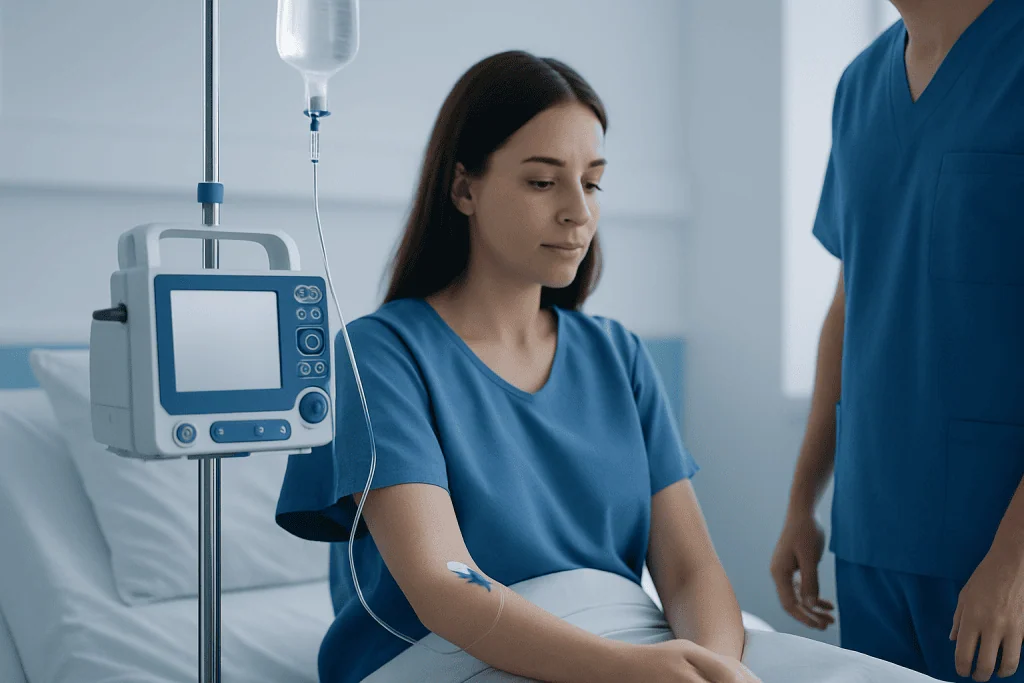
Symptoms often begin during the procedure or shortly afterward. A person may notice a brief sharp pain, burning, pressure, or a stinging sensation around the needle site. Bruising may become more visible over the following hours or days as blood spreads beneath the skin.
A small raised lump, local swelling, and soreness are also possible. The color of a bruise commonly changes as it heals, moving from purple or blue to green, yellow, or brown. This change is part of the normal breakdown and reabsorption of blood pigments by the body.
Not every unsuccessful needle attempt means that a vein has been “blown.” Veins can be difficult to access because they are small, deep, mobile, less visible, or temporarily narrowed. A healthcare professional may need to try a different location, use a smaller needle, or use ultrasound guidance in some circumstances.
- Mild bruising and tenderness are usually expected after a minor needle-related vein injury.
- A bruise may look larger than the actual injury because blood can spread under the skin.
- Most superficial vein injuries do not permanently damage the vein or affect circulation.
Why a Vein Can Be Injured During a Needle Procedure
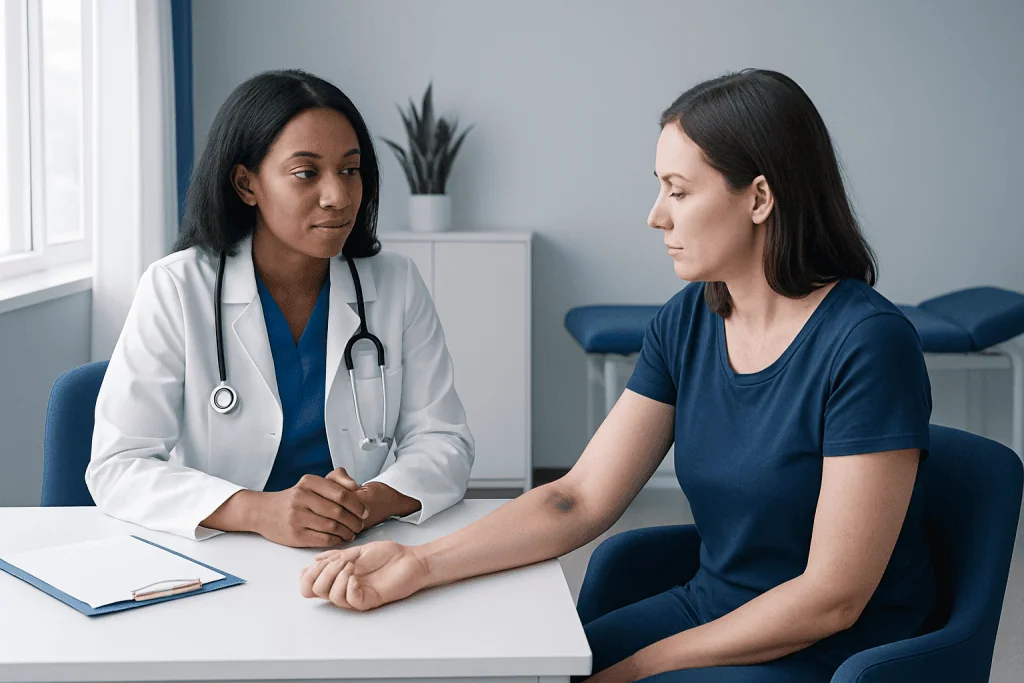
Vein injuries can occur even when a procedure is performed carefully. The walls of superficial veins are thin, and veins may roll or move when the skin is touched. A needle may pass through the far side of the vein, or the vein may not seal immediately after the needle is removed.
Some people are more likely to have difficult veins or to bruise after a blood draw. This includes older adults, people who are dehydrated, those with fragile skin, and people whose veins are less accessible due to body composition, previous IV treatments, or frequent blood tests. Cold temperatures can also make veins narrower and harder to access.
Medicines that affect blood clotting, including anticoagulants and some antiplatelet medicines, can increase bruising or prolong bleeding after a needle stick. Certain medical conditions can also affect clotting or platelet function. People should not stop prescribed medicines before a blood test or procedure unless their clinician specifically advises them to do so. For broader information about bleeding concerns, see bleeding disorders.
What to Do After a Blown Vein
After a blood draw or injection, steady direct pressure is one of the most useful steps. The person should keep the arm still and press firmly over the site with gauze or a clean tissue for the time advised by the healthcare professional. People who take blood-thinning medicines may need to hold pressure longer.
For a new bruise or swelling, a cool pack wrapped in a cloth may be applied for short periods during the first day. This may help limit discomfort and swelling. The skin should be protected from direct ice contact, which can cause skin injury. Keeping the arm gently elevated may also be comfortable if there is swelling.
After the first 24 to 48 hours, a warm—not hot—compress may help relieve soreness and encourage normal circulation in the area. Avoid heavy lifting, strenuous arm exercise, repeated pressure, or massage directly over a fresh bruise until it is settling. If pain relief is needed, a clinician or pharmacist can advise on options that are suitable for the person’s health history and medicines.
It is generally best to leave the site alone rather than repeatedly checking, squeezing, or trying to drain a lump. A hematoma under the skin usually resolves naturally. If an IV causes pain, burning, swelling, or leaking fluid, the person should tell the healthcare team immediately so the site can be checked.
How Long Does a Blown Vein Take to Heal?
A small bruise from a needle procedure often starts to improve within several days. Larger bruises or hematomas may take one to two weeks, and occasionally longer, to fade completely. Recovery depends on the amount of bleeding under the skin, the location of the injury, the person’s age, and whether they take medicines that affect clotting.
The injured superficial vein itself usually heals without lasting problems. The body redirects blood through many other veins in the arm, so one minor vein injury does not usually impair circulation. However, a vein that has been used repeatedly for IV access can become temporarily less suitable for another attempt while bruising and inflammation settle.
It can be helpful to monitor the area rather than expecting immediate disappearance. The bruise should gradually become less tender and stop expanding. If it is becoming more painful, increasingly swollen, warm, or red, medical assessment is appropriate because these features may point to a complication rather than routine healing.
Reducing the Chance of Bruising at Future Blood Draws
Bruising cannot always be prevented, but a few practical steps may make blood draws and IV placement easier. Drinking adequate fluids before a routine blood test, when permitted, may help veins become more accessible. Wearing a warm layer or warming the hands beforehand can also help, particularly in a cool environment.
It is important to tell the healthcare professional about previous difficult blood draws, a history of fainting, easy bruising, bleeding disorders, allergies, and medicines that affect bleeding. This information can help them select an appropriate site and plan. People with very difficult access may benefit from a clinician experienced in vascular access or from ultrasound-guided placement when clinically indicated.
After the needle is removed, following the instructions on pressure and activity can reduce the chance of a larger bruise. Avoid bending the arm forcefully right away, as this may dislodge the early clot at the puncture site. If frequent venous access is needed as part of medical care, clinicians can discuss the safest access options for the individual situation.
When to Seek Medical Care
Most bruises after a needle procedure can be managed at home. However, a person should contact a healthcare professional promptly if swelling is rapidly increasing, pain is severe or worsening, bleeding does not stop with firm pressure, or the arm or hand becomes numb, weak, pale, blue, or unusually cold.
Medical review is also important if there is spreading redness, warmth, pus, fever, red streaks, or a tender cord-like vein. These findings may suggest infection or inflammation that needs assessment. A large, persistent, or recurrent bruise may also warrant evaluation, especially when it occurs without a clear injury.
Urgent care is appropriate for significant bleeding, new shortness of breath, chest pain, fainting, or symptoms of a serious allergic reaction after an injection. People taking anticoagulants, those with known clotting problems, and anyone who is unsure about the severity of symptoms should seek individualized medical advice.
Acibadem International’s multidisciplinary specialists and JCI-accredited hospitals support international patients with assessment and treatment for vascular, bleeding, and procedure-related concerns when needed.
Frequently asked questions
Is a blown vein dangerous?
In most cases, a blown vein after a blood draw or IV attempt is a minor injury that causes local bruising and soreness. It usually heals without long-term effects. Severe pain, worsening swelling, color changes in the hand, or infection symptoms should be assessed promptly.
Can a blown vein be repaired?
A small superficial vein injury does not usually need repair. The vein wall and surrounding tissue normally heal naturally, while blood continues to travel through other nearby veins. More significant vascular injuries are uncommon after routine needle procedures and need medical evaluation.
Should a bruise after a blood draw be massaged?
A fresh bruise should generally not be massaged because pressure may increase bleeding under the skin or worsen tenderness. A cool compress during the first day may be more appropriate. Gentle warmth after 24 to 48 hours can be soothing if the area is improving.
Why did my vein collapse during an IV?
A vein can collapse or stop accepting fluid if it is small, dehydrated, constricted, irritated, or affected by the position of the catheter. This does not necessarily mean permanent damage has occurred. The healthcare professional will assess the IV site and use a different vein if needed.
How can I tell if a bruise is healing normally?
A healing bruise usually becomes less painful and slowly changes color over time. It should not continue to enlarge after the early period following the procedure. Worsening pain, rapidly increasing swelling, warmth, redness, drainage, or numbness should be checked by a clinician.
Do blood thinners make a blown vein worse?
Blood-thinning medicines can make bleeding under the skin more likely or cause a bruise to become larger and last longer. They should not be stopped without medical advice. After a blood draw, holding firm pressure for longer and reporting unusual bleeding can be helpful.
References
- National Heart, Lung, and Blood Institute
- MedlinePlus, U.S. National Library of Medicine
- NHS
- Centers for Disease Control and Prevention
This article is for general information only and is not a substitute for professional medical advice. Please consult a qualified doctor about your individual situation.
Explore treatments in Turkey — costs, top hospitals & a free quote
JCI-accredited · board-certified surgeons · reply within 24h
Add us as a Preferred Source to see more of our trusted health content across Google Search, AI Overviews and Discover.

More from the Health Library

Breakfast Cereals Oats — Explained by Medical Evidence, Not Myths

Upj Obstruction: What Patients Need to Know

Belsomra — Explained by Medical Evidence, Not Myths

Compression Socks: An Evidence-Based Guide for Patients

Flight of Ideas: What Patients Need to Know