Bandaged Finger: A Complete Medical Overview
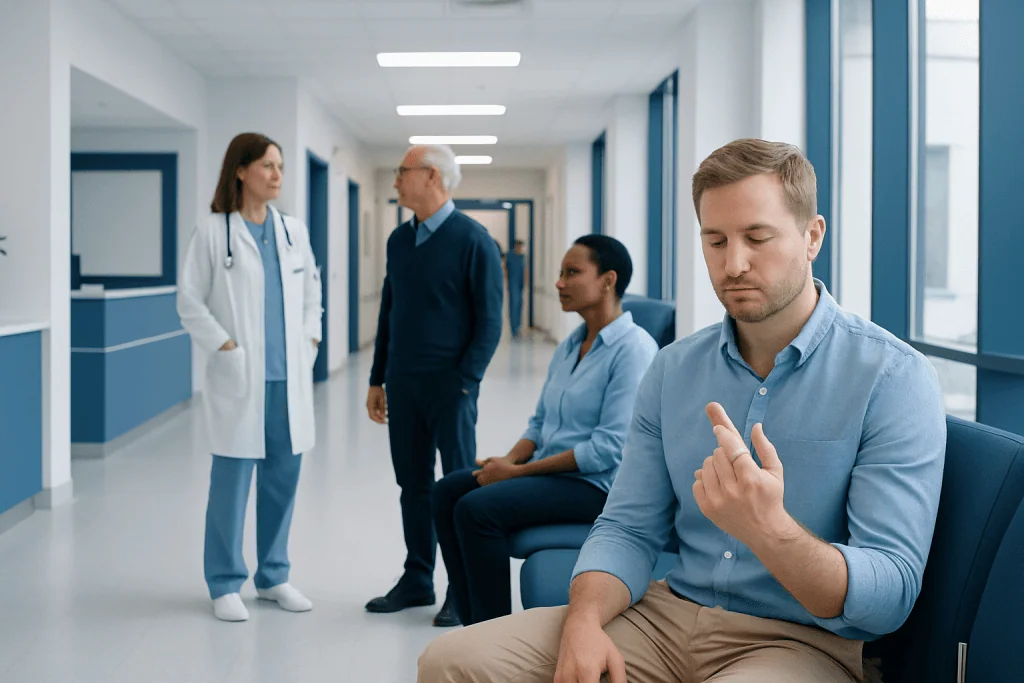
A finger bandage should protect the injury without restricting circulation or movement unnecessarily. Clean minor wounds with running water, then cover them with a sterile non-stick dressing.
Key Takeaways
- A finger bandage should protect the injury without restricting circulation or movement unnecessarily.
- Clean minor wounds with running water, then cover them with a sterile non-stick dressing.
- A bandage that causes tingling, numbness, coldness, swelling or blue discoloration should be loosened or removed promptly.
- Deep cuts, uncontrolled bleeding, deformity, loss of movement, bite wounds and possible fractures need timely medical assessment.
- Keeping the hand elevated and following clinician advice can reduce swelling and support recovery.
A bandaged finger can protect a minor cut, blister, nail injury or sprain from dirt and repeated friction while healing takes place. The bandage should be clean, secure but not tight, and checked regularly for pain, numbness, color changes or signs of infection.
What a Bandaged Finger Is For
A bandaged finger is commonly used after a minor cut, scrape, blister, nail-area injury, mild sprain or other small injury to the skin and soft tissues. The purpose is to protect the area from bacteria, dirt, friction and repeated bumps while supporting comfort during normal daily activities. A bandage does not repair a serious injury on its own, but it can be an important part of first aid and recovery.
The best type of covering depends on the injury. A small superficial wound may only need a sterile adhesive strip or non-stick pad. An injured finger joint may be supported with a light wrap or, in some circumstances, “buddy taping” to the neighboring finger. More significant injuries may require a splint, stitches, a specialist dressing or another treatment chosen by a healthcare professional.
A bandage should feel supportive rather than constricting. It should not cause throbbing, tingling, numbness, increased pain, coldness or a pale, blue or purple fingertip. These symptoms can suggest that the dressing is too tight or that swelling is affecting circulation, and the bandage should be loosened or removed while medical advice is sought if symptoms do not resolve.
Common Reasons a Finger Needs Bandaging
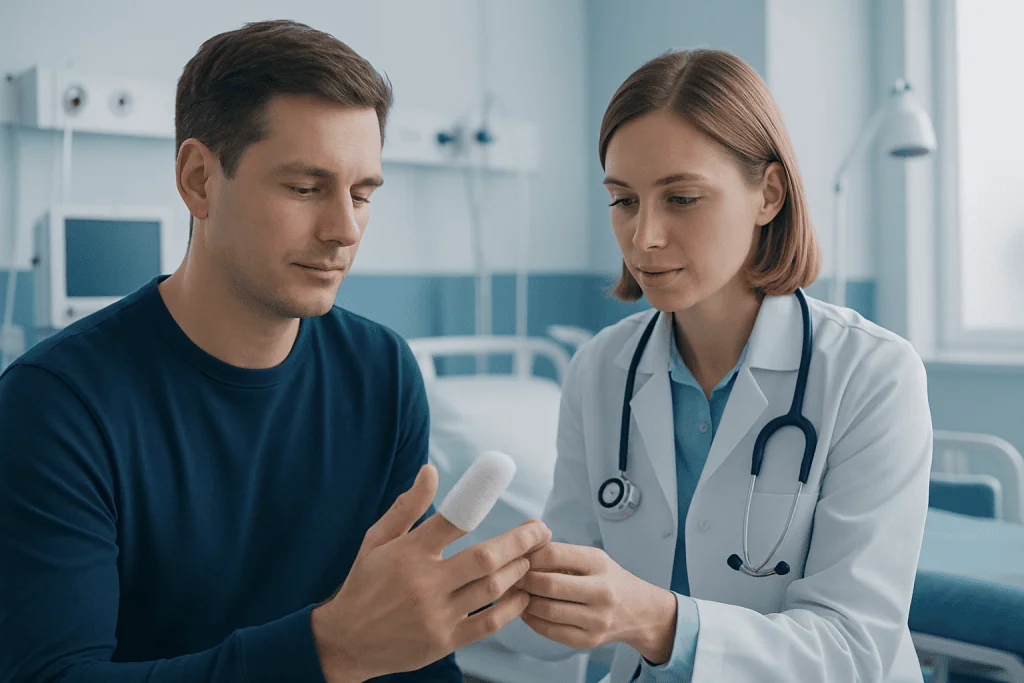
Finger injuries are frequent because the hands are used throughout the day. Paper cuts, kitchen cuts, gardening scratches, minor burns and blisters can break the skin and benefit from a protective dressing. A clean covering may also prevent a person from repeatedly touching or reopening the wound.
Sprains and “jammed” fingers can occur when the finger is bent beyond its normal range, often during sports, falls or everyday accidents. These injuries may cause pain, stiffness, swelling and bruising around a joint. Although a light supportive dressing can sometimes help, a painful swollen finger may also have a fracture, dislocation or tendon injury, so it should not automatically be treated as a simple sprain.
Nail and fingertip injuries may happen after trapping a finger in a door, dropping an object on the hand or cutting near the nail. These can be more painful than they look, and bleeding beneath the nail, a partially detached nail or a deep fingertip cut may need assessment. People with diabetes, reduced sensation, circulation problems or a weakened immune system should be especially careful with even small hand wounds.
How to Apply and Change a Finger Bandage Safely
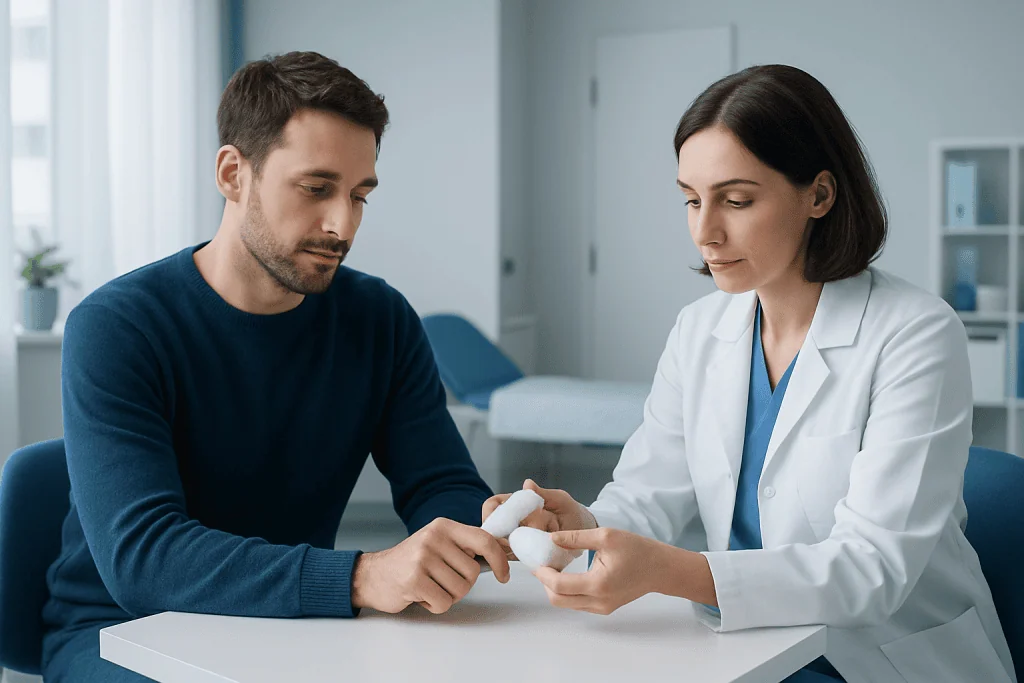
For a minor wound, hands should be washed before providing care. If bleeding is present, gentle direct pressure with clean gauze or cloth can help. Once bleeding has stopped, the wound can usually be rinsed under clean running water. Mild soap may be used on the surrounding skin, but harsh chemicals, repeated alcohol use or hydrogen peroxide can irritate healing tissue.
After gently patting the area dry, place a sterile non-stick dressing over the wound and secure it with an adhesive strip, tape or a light finger wrap. Avoid wrapping tape directly over an open wound. The fingertip should remain visible whenever practical, so circulation can be monitored. Remove rings from the affected hand early if swelling is expected.
Change the dressing at least daily, or sooner if it becomes wet, dirty, loose or soaked with blood or drainage. Each change is an opportunity to look for worsening redness, warmth, swelling, pus-like discharge, an unpleasant odor or increasing tenderness. Minor wounds should gradually become less painful and begin to close; a wound that is deteriorating needs medical review.
- Keep the bandage clean and dry during daily activities.
- Use a waterproof glove for short water exposure if advised, then replace any damp dressing.
- Do not place a tight elastic band, string or narrow tape around a finger.
- Follow specific instructions from a clinician after stitches, surgery or a fracture treatment.
Recognizing Problems Under a Bandage
Swelling can increase during the first day or two after an injury, particularly if the hand is held down for long periods. Elevating the hand above heart level when resting may help reduce swelling. However, a bandage should always be rechecked after swelling changes because a dressing that initially felt comfortable can become too tight.
Signs of reduced circulation include a cool fingertip, pale or bluish color, numbness, pins-and-needles sensations, worsening pressure or inability to move the finger normally. A person can also compare the injured fingertip with the opposite hand. If the finger looks markedly different or symptoms continue after loosening the wrap, urgent medical evaluation is appropriate.
Infection is another concern when skin has been broken. Mild localized soreness may be expected at first, but spreading redness, warmth, increasing swelling, cloudy drainage, fever or red streaking up the hand or arm should not be ignored. These symptoms do not always mean a serious infection, but they require prompt clinical assessment to determine whether treatment is needed.
Finger Support, Splints and Movement
Some finger injuries need more than a simple bandage. A clinician may recommend a splint to hold a bone, joint or tendon in a protected position. The type of splint and the length of time it is worn depend on the exact injury, so it is important not to improvise prolonged immobilization without guidance. Incorrect splinting can lead to stiffness, skin pressure and delayed recovery.
Buddy taping, where an injured finger is gently secured to the adjacent finger with padding between them, is sometimes used for selected mild sprains or stable fractures. It should only be used when a healthcare professional considers it suitable or when clear first-aid advice has been provided. The taped fingers need regular checks for rubbing, swelling and circulation changes.
Unless a clinician has instructed otherwise, gentle movement of uninjured joints may help prevent stiffness. However, forceful stretching, gripping, sports participation or repeated impact should be avoided while pain and swelling are significant. Injuries involving tendons or joints can be easy to underestimate; early assessment can help preserve normal hand function.
When to Seek Medical Care
Medical care is recommended for a cut that is deep, gaping, heavily contaminated, caused by a bite or puncture, or continues to bleed after sustained direct pressure. Assessment is also important when there is a visible deformity, severe swelling, inability to bend or straighten the finger, loss of sensation, a crushed fingertip, or concern that bone may be broken or displaced.
A person should seek urgent care if the fingertip becomes blue, pale, cold or numb, especially when symptoms persist after loosening a bandage. Urgent review is also appropriate for rapidly spreading redness, fever, pus-like drainage, red streaks, severe worsening pain or any concern for infection. Tetanus vaccination status may need to be reviewed after certain wounds, particularly dirty or puncture wounds.
Children, older adults and people with diabetes, poor circulation, immune suppression or reduced feeling in the hands may benefit from earlier medical advice for a finger injury. At Acibadem International, multidisciplinary specialists and JCI-accredited hospitals assess and treat hand injuries for international patients, including wounds and suspected fractures that require further evaluation.
Prevention and Everyday Self-Care
Many finger injuries can be reduced by using appropriate gloves during gardening, cleaning, manual work and food preparation. Safe knife handling, keeping workspaces well lit and avoiding distractions when using tools also lower the chance of cuts and crush injuries. Rings should be removed before activities where the hand could catch on equipment.
After an injury, rest from activities that worsen pain and protect the finger from repeated knocks. Keeping the dressing clean, eating a balanced diet and avoiding smoking can support normal wound healing. Pain-relief medicines may be appropriate for some people, but they should be used according to the product label or advice from a pharmacist or clinician, particularly for people with other health conditions or regular medicines.
If a finger remains painful, stiff or swollen beyond the expected recovery period, a clinician can look for injuries that were not obvious initially. Persistent hand symptoms may need examination and imaging to identify a fracture, ligament problem, tendon injury or another cause. Timely care can help guide safe return to everyday hand use.
Frequently asked questions
How tight should a bandaged finger be?
A bandaged finger should be comfortably secure, not tight. The fingertip should remain warm and normally colored, without tingling, numbness, throbbing or increasing pain. If these symptoms occur, loosen or remove the bandage and seek medical advice if they do not settle.
Should a finger wound be kept covered or uncovered?
Most minor finger wounds benefit from a clean dressing initially because hands are exposed to friction, dirt and frequent contact. The dressing should be changed when wet, dirty or loose. A healthcare professional may give different advice for a particular wound, burn, surgical incision or nail injury.
Can a bandaged finger get wet?
A dressing should generally be kept dry because moisture can loosen it and increase skin irritation. Brief water exposure may be managed with a waterproof covering, but a wet dressing should be replaced promptly. Follow any specific care plan given by a clinician.
Is a swollen finger always a fracture?
No. Swelling can occur with bruises, sprains, cuts and minor soft-tissue injuries as well as fractures. However, marked swelling, deformity, severe pain, tenderness over bone or trouble moving the finger should be assessed because a fracture or dislocation is possible.
How long should a finger stay bandaged?
The duration depends on the injury and how quickly the skin heals. A superficial cut may need protection for only a few days, while more significant wounds or fractures may require longer and should follow clinician instructions. The bandage should be reviewed daily and changed as needed.
What are signs that a finger wound may be infected?
Possible signs include increasing redness, warmth, swelling, pain, pus-like drainage, an unpleasant smell or fever. Red streaks moving away from the wound require prompt medical attention. Early assessment is especially important for bites, puncture wounds and people with diabetes or reduced immunity.
References
- American Academy of Orthopaedic Surgeons
- American Society for Surgery of the Hand
- Centers for Disease Control and Prevention
- National Health Service
- Mayo Clinic
This article is for general information only and is not a substitute for professional medical advice. Please consult a qualified doctor about your individual situation.
Explore treatments in Turkey — costs, top hospitals & a free quote
JCI-accredited · board-certified surgeons · reply within 24h
Add us as a Preferred Source to see more of our trusted health content across Google Search, AI Overviews and Discover.