Bleach on Skin — Explained by Medical Evidence, Not Myths

Rinse bleach from the skin immediately with cool or lukewarm running water and remove contaminated clothing or jewelry. Do not mix bleach with vinegar, ammonia, alcohol, or other cleaners, as dangerous gases may form.
Key Takeaways
- Rinse bleach from the skin immediately with cool or lukewarm running water and remove contaminated clothing or jewelry.
- Do not mix bleach with vinegar, ammonia, alcohol, or other cleaners, as dangerous gases may form.
- Mild redness or dryness may settle after rinsing, but blistering, persistent pain, numbness, or a large affected area needs medical assessment.
- Bleach in the eyes, breathing difficulty after fumes, or swallowing bleach requires urgent medical advice.
- Use gloves, ventilation, correct dilution, and secure storage to reduce accidental exposure.
Bleach on skin can cause irritation or a chemical burn, depending on the product strength, amount, contact time, and whether the skin is intact. Prompt rinsing with plenty of running water is the most important first-aid step; do not try to neutralize bleach with other household products.
Bleach on Skin: What to Do First
Bleach on skin should be washed off immediately under cool or lukewarm running water. For a small household exposure, prompt rinsing often limits irritation, but concentrated bleach or prolonged contact can damage the skin and cause a chemical burn.
Remove contaminated clothing, watches, rings, or other items while rinsing, because liquid trapped against the skin can prolong exposure. Wash the area gently with water; a mild soap may be used after thorough rinsing if it does not cause further discomfort. Avoid vigorous scrubbing, which can irritate already affected skin.
Do not attempt to neutralize bleach with vinegar, lemon juice, ammonia, or another cleaning product. Mixing chemicals can create heat or harmful fumes and may worsen an injury. If there is uncertainty about the product, its concentration, or the amount involved, contacting a poison center or healthcare professional can provide product-specific guidance.
Why Bleach Can Irritate or Burn Skin
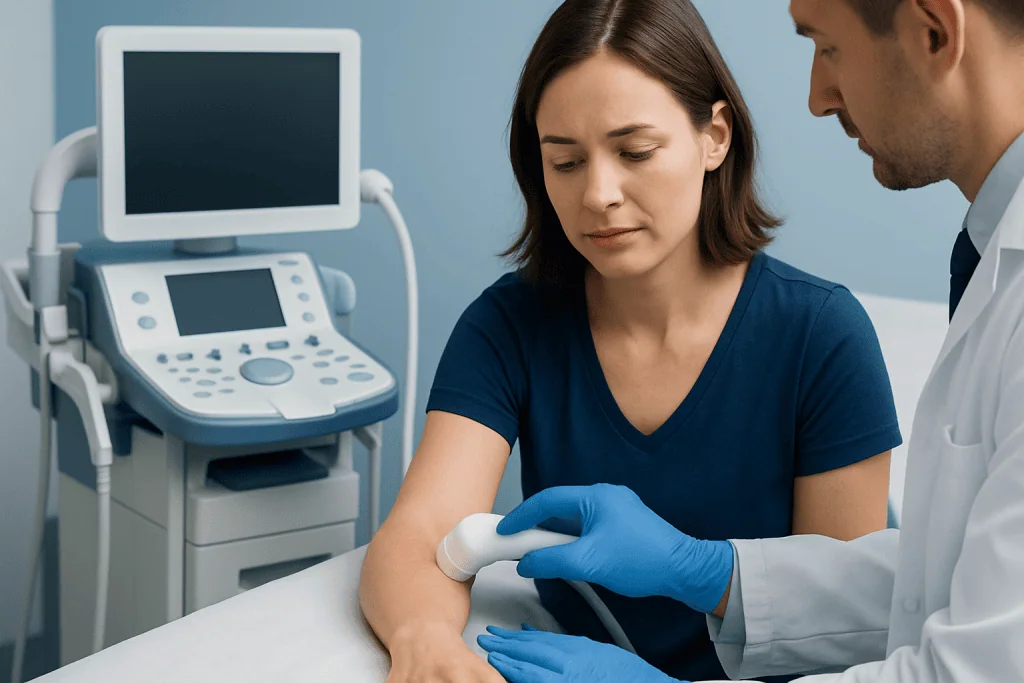
Most household chlorine bleaches contain sodium hypochlorite, an alkaline chemical that breaks down stains and disinfects surfaces. Its ability to react with organic material also explains why it can disrupt the skin barrier, especially when it remains on the skin for more than a brief period.
The outcome varies widely. Diluted household bleach that is rinsed off quickly may cause only temporary dryness, itching, or redness. Stronger industrial products, undiluted bleach, repeated exposure, occlusive clothing or gloves, and contact with broken skin can lead to more significant inflammation or a chemical burn.
People with eczema, very dry skin, allergies affecting the hands, or an existing rash may be more sensitive because their skin barrier is less protective. Bleach does not safely treat acne, fungal infections, wounds, or skin discoloration when applied directly without clinical guidance. For persistent inflammation after contact, a clinician may assess for contact dermatitis.
Signs to Watch for After Exposure

Symptoms can begin immediately or develop over the next several hours. Mild irritation may include redness, dryness, tightness, itching, or a stinging sensation. These symptoms should gradually improve after decontamination rather than continue to intensify.
A more serious chemical injury may cause ongoing or severe pain, marked swelling, whitening or darkening of the skin, numbness, peeling, open areas, or blisters. The visible appearance does not always show the full depth of an injury, so persistent symptoms deserve professional assessment.
Bleach fumes can also irritate the nose, throat, and lungs, particularly in a poorly ventilated room or after bleach has been mixed with another cleaner. Coughing, wheezing, chest tightness, shortness of breath, dizziness, or significant throat irritation should not be managed as a skin problem alone and require urgent advice.
- Eye exposure can cause pain, tearing, redness, light sensitivity, or blurred vision.
- Hand exposures may be more troublesome around nails, between fingers, or beneath jewelry.
- Children and older adults may need closer observation, particularly if the exposure details are unclear.
Safe Home Care for a Mild Skin Exposure
After rinsing, gently pat the skin dry and avoid further contact with cleaning products, fragrances, exfoliants, or hot water until the area has recovered. A plain, fragrance-free moisturizer or petroleum-based barrier product can help with dryness if the skin is intact and there are no blisters or open areas.
Keep the area clean and avoid picking at peeling skin. If clothing rubs against the irritated area, choose loose, soft fabric. It is generally best not to cover a mild exposure tightly, as trapped moisture and friction can make irritation worse.
Do not apply household remedies such as vinegar, baking soda paste, toothpaste, essential oils, or alcohol. These products do not reverse bleach exposure and may cause additional irritation. A pharmacist or clinician can advise whether any medicine is appropriate if itching or inflammation remains troublesome.
If symptoms do not begin improving within a day or two, or if they recur with routine cleaning tasks, a doctor can help identify whether ongoing irritation, allergy, or another skin condition is involved. A dermatology assessment may be useful for persistent or recurrent hand symptoms.
When to Seek Medical Care
Urgent medical care is appropriate for bleach in the eyes, trouble breathing, wheezing, chest pain, fainting, severe coughing, or suspected swallowing. For eye exposure, begin flushing immediately with clean running water and continue while arranging urgent assessment. Do not delay flushing to search for eye drops or another product.
A clinician should also assess a skin exposure that causes blisters, an open wound, severe or increasing pain, loss of sensation, extensive redness or swelling, color changes, or involvement of the face, genitals, hands, feet, or a large body area. Seek advice promptly for exposures to concentrated, industrial, or unknown bleach products.
Medical evaluation is sensible when a child has been exposed, when bleach has contacted already damaged skin, or when symptoms are not clearly improving after careful rinsing. Bring the product container or a photograph of its label if possible, but do not handle leaking containers without suitable protection.
Acibadem International’s multidisciplinary specialists and JCI-accredited hospitals can assess chemical skin injuries and related eye or respiratory symptoms for international patients when in-person care is needed.
Preventing Bleach Exposure at Home and Work
Read the product label before use and follow the manufacturer’s instructions for dilution, surface contact time, ventilation, and protective equipment. Use bleach only for its intended purpose, in a well-ventilated area, and keep it away from food preparation surfaces unless the label specifically permits that use and appropriate rinsing is completed.
Wear appropriate household gloves when handling bleach, particularly during extended cleaning. Replace damaged gloves and wash hands after removing them. Gloves should not be relied on indefinitely: liquid can enter through tears or around the cuff, and prolonged moisture inside gloves can itself irritate the skin.
Never mix bleach with other cleaning products. In particular, combining it with ammonia, acidic cleaners, vinegar, or some toilet and drain products can release irritating or dangerous gases. Use one product at a time, rinse surfaces as directed, and ensure adequate fresh air before using another cleaner.
Store bleach in its original labeled container, tightly closed and out of reach of children and pets. Do not transfer it into drink bottles, food containers, or unmarked spray bottles. These simple steps prevent many accidental exposures and make it easier for healthcare teams to identify the product if an accident occurs.
Frequently asked questions
How long should bleach be rinsed off the skin?
Start rinsing immediately with plenty of cool or lukewarm running water. Continue for at least 15 minutes, and longer if burning, pain, or irritation persists. Remove contaminated clothing and jewelry while rinsing.
Can bleach on skin cause a chemical burn?
Yes. Concentrated bleach, prolonged contact, or exposure on damaged skin can cause a chemical burn. Blisters, severe pain, numbness, peeling, marked swelling, or changing skin color should be assessed by a healthcare professional.
Should vinegar be used to neutralize bleach on skin?
No. Vinegar and other acids should not be applied to bleach-exposed skin, and bleach should never be mixed with household cleaners. Rinsing with running water is the safest immediate response.
What if bleach gets into the eyes?
Flush the eye immediately with clean lukewarm running water, keeping the eyelids open as much as possible. Remove contact lenses if they come out easily, but do not delay flushing. Eye exposure needs urgent medical or poison-center advice, especially if pain, redness, or vision changes continue.
Is diluted bleach safe for skin?
Bleach should not be applied directly to skin unless a clinician has given specific instructions for a particular medical reason. Even diluted bleach can irritate sensitive or damaged skin. Products intended for skin should be chosen and used according to healthcare guidance.
What happens if bleach fumes are inhaled while cleaning?
Move to fresh air promptly and avoid further exposure. Mild throat or nose irritation may improve after leaving the area, but wheezing, persistent coughing, chest tightness, dizziness, or shortness of breath requires urgent medical advice. Symptoms can be more serious if bleach was mixed with another cleaning product.
References
- American Academy of Dermatology Association
- American Association of Poison Control Centers
- Centers for Disease Control and Prevention
- National Capital Poison Center
- World Health Organization
This article is for general information only and is not a substitute for professional medical advice. Please consult a qualified doctor about your individual situation.
Explore treatments in Turkey — costs, top hospitals & a free quote
JCI-accredited · board-certified surgeons · reply within 24h
Add us as a Preferred Source to see more of our trusted health content across Google Search, AI Overviews and Discover.