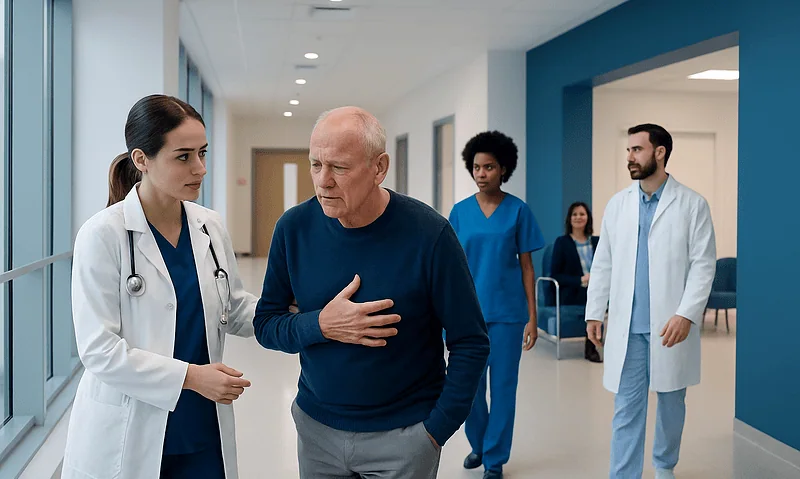
Phenomenon of Experiencing Something As Strangely New: An Evidence-Based Guide for Patients

Jamais vu is the temporary sense that something normally familiar feels unfamiliar or new. It is often described as the opposite of déjà vu, although both involve changes in familiarity and recognition.
Key Takeaways
- Jamais vu is the temporary sense that something normally familiar feels unfamiliar or new.
- It is often described as the opposite of déjà vu, although both involve changes in familiarity and recognition.
- Stress, sleep loss, anxiety, migraine, and repetitive attention may contribute to occasional episodes.
- Frequent, prolonged, or changing episodes can sometimes be associated with seizures or other neurological conditions.
- Urgent care is important if the experience occurs with weakness, speech problems, loss of awareness, severe headache, or confusion.
The phenomenon of experiencing something as strangely new can describe jamais vu: a brief feeling that a familiar person, place, word, or routine suddenly seems unfamiliar. It is often harmless when occasional, but repeated or disruptive episodes deserve medical assessment, particularly when they occur with other neurological symptoms.
What does it mean when something familiar feels strangely new?
The phenomenon of experiencing something as strangely new usually refers to a moment when a familiar experience unexpectedly feels unfamiliar. A person may look at a well-known word and feel that it seems odd or meaningless, enter a familiar room and briefly feel it is unknown, or momentarily fail to recognize the usual sense of familiarity around a close person or routine.
This experience is often called jamais vu, a French phrase meaning “never seen.” It is commonly described as the opposite of déjà vu, in which a new situation feels familiar. With jamais vu, recognition may still be present: the person may know logically that they have seen the place, word, or person before, while the normal feeling of familiarity is temporarily absent.
An isolated episode is not automatically a sign of disease. The brain’s systems for attention, memory, perception, and emotional familiarity do not always operate in exactly the same way, especially during tiredness or stress. However, the context, frequency, length, and associated symptoms are important when deciding whether medical advice is needed.
How jamais vu may feel in daily life
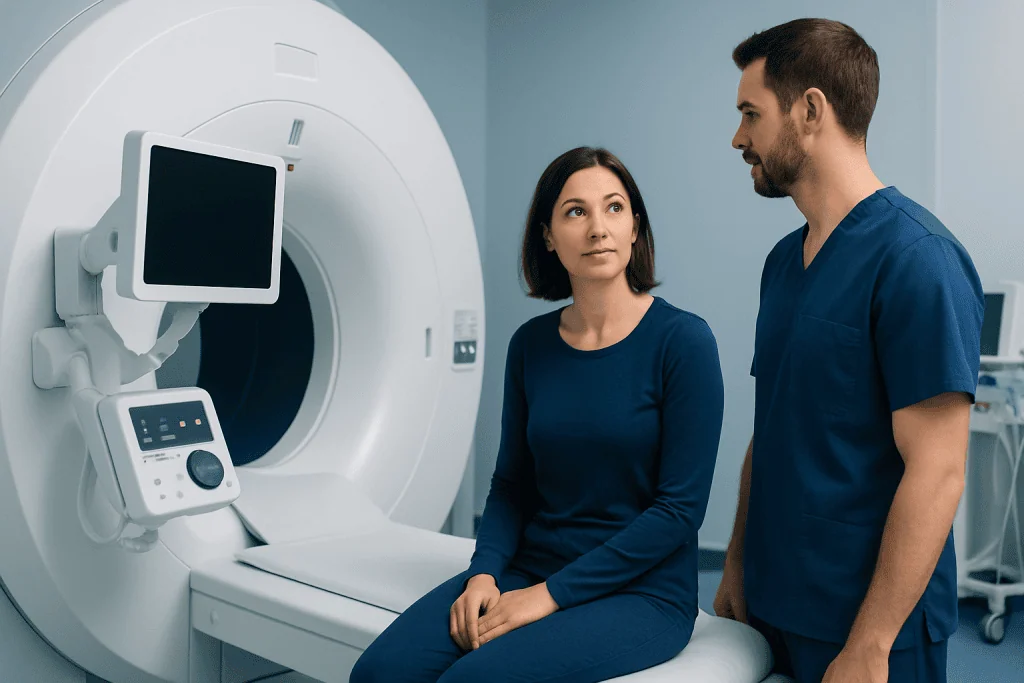
Jamais vu can be difficult to explain because it is a subjective experience rather than an outwardly visible symptom. Episodes are usually brief. Some people notice them while reading, speaking, driving a familiar route, performing a routine task, or seeing an everyday object. They may feel confused, unsettled, detached, or simply curious until the sensation passes.
A common example is word unfamiliarity. After repeatedly writing or saying the same word, it can briefly appear strange, incorrectly spelled, or disconnected from its meaning. This can happen in healthy people and may reflect how repetition changes attention to a word’s sounds and appearance.
Jamais vu is not the same as forgetting. In ordinary forgetfulness, a person may be unable to recall information. In jamais vu, they often retain factual knowledge but experience an unusual loss of emotional or perceptual familiarity. It is also different from deliberately encountering something new, and it does not by itself mean a person has dementia or a serious psychiatric illness.
- Brief and occasional: often linked with fatigue, stress, distraction, or repetition.
- Recurrent or intense: may warrant discussion with a clinician, especially if it affects safety or daily functioning.
- With altered awareness: needs prompt medical evaluation because some seizure types can affect recognition and awareness.
Why can familiar things suddenly feel unfamiliar?

There is no single explanation for every episode. Familiarity is produced by several brain processes working together: perception identifies what is being seen or heard, memory connects it with previous experience, and emotional networks create the feeling that it is known. A temporary mismatch between these processes may produce a sense of unfamiliarity even when memory remains intact.
Everyday factors can make these experiences more likely. Lack of sleep, emotional stress, anxiety, mental overload, illness, dehydration, alcohol, and some medications can affect concentration and perception. Migraine can also cause temporary neurological symptoms in some people, including unusual sensory or cognitive experiences. People with recurring migraine may notice patterns related to an attack or its warning phase.
In a smaller number of cases, recurrent jamais vu may occur as part of focal seizures, particularly seizures involving areas of the temporal lobe that help process memory and familiarity. Such episodes may be accompanied by staring, a rising sensation in the stomach, unusual smells or tastes, lip-smacking, repeated movements, confusion, or a gap in awareness. These features do not confirm epilepsy on their own, but they are important to report to a doctor.
Mental health conditions can also change feelings of connection to surroundings or to oneself. For example, anxiety, panic, trauma-related symptoms, and dissociative experiences may cause a sense of unreality. A qualified clinician can help distinguish these experiences from neurological causes based on the full history and examination.
How clinicians assess unfamiliarity experiences
There is no single test for jamais vu. Assessment starts with a careful description of the event. A doctor may ask what felt unfamiliar, how long the episode lasted, whether the person remained fully aware, what happened immediately before and after it, and whether there were triggers such as poor sleep, stress, migraine symptoms, substance use, or a recent medication change.
It can be helpful to keep a brief symptom record before an appointment. Notes may include the date and time, duration, sleep the previous night, meals, caffeine or alcohol intake, emotional stress, headache symptoms, menstrual cycle where relevant, and any observed changes in speech, behavior, movement, or awareness. If someone else witnessed the event, their observations can be especially useful.
A physical and neurological examination may be enough for occasional, uncomplicated episodes. If episodes are recurrent, involve loss of awareness, or suggest another neurological disorder, the clinician may recommend further evaluation. Depending on the situation, this can include blood tests, brain imaging, or an electroencephalogram (EEG), which records electrical activity in the brain and may help assess possible seizures.
When symptoms raise concern for seizures, referral to a neurologist may be appropriate. Evaluation for epilepsy focuses on the pattern of events rather than on one unusual sensation alone. Accurate diagnosis helps ensure that care addresses the likely cause and avoids unnecessary treatment.
Treatment and practical self-care
There is no specific treatment for a single, brief jamais vu episode in an otherwise well person. Care is directed toward any contributing factor or underlying condition. For many people, improving sleep, reducing overload, staying hydrated, eating regularly, and taking short breaks during mentally repetitive tasks may lessen the likelihood of transient unfamiliarity experiences.
When anxiety or stress appears to be contributing, supportive measures may include regular physical activity, relaxation practices, maintaining social contact, and speaking with a mental health professional. These steps do not dismiss the symptom; rather, they address common factors that can influence attention, perception, and the body’s stress response.
If a clinician diagnoses migraine, seizure disorder, or another medical condition, treatment is individualized. For example, management of possible seizure-related episodes may include specialist assessment and, when appropriate, epilepsy treatment. A person should not stop prescribed medicines or start supplements in response to these symptoms without professional advice.
Safety is important until the pattern is understood. If episodes cause confusion, impaired awareness, or difficulty concentrating, it may be sensible to avoid driving, swimming alone, climbing heights, or operating machinery until a clinician advises that these activities are safe.
When to seek medical care
Medical advice is recommended when the phenomenon of experiencing something as strangely new happens repeatedly, lasts longer than a few minutes, becomes more intense, causes distress, or interferes with work, school, relationships, or everyday safety. A routine appointment is also appropriate when episodes are new after a head injury, illness, a medication change, or increasing headaches.
Urgent medical care is needed if unfamiliarity occurs suddenly with signs that could indicate a neurological emergency. These include weakness or numbness on one side of the body, facial drooping, difficulty speaking or understanding speech, fainting, a severe sudden headache, loss of vision, a seizure, persistent confusion, or loss of consciousness. Emergency services should be contacted rather than waiting for the symptoms to pass.
A person should also seek prompt assessment if others notice staring spells, repeated automatic movements, unresponsiveness, memory gaps, or confusion after an episode. These observations may help identify whether an event could be seizure-related and whether further testing is necessary.
Acibadem International’s multidisciplinary specialists and JCI-accredited hospitals support international patients who need assessment and treatment for neurological symptoms, including recurrent episodes affecting memory, awareness, or perception.
A balanced perspective on unfamiliarity experiences
Feeling that something familiar is strangely new can be unsettling, but one brief experience is common enough to be understood as a temporary change in attention or familiarity processing. It is useful to notice the episode without assuming the worst, particularly if the person remains alert, it resolves quickly, and there are clear contributors such as lack of sleep or stress.
At the same time, recurrent symptoms should not be ignored. A clear description of the experience gives a doctor useful information and can help separate harmless familiarity changes from migraine, anxiety-related dissociation, seizures, or another condition. Seeking care is a practical step toward reassurance, diagnosis when needed, and an appropriate plan.
Family members can help by responding calmly, ensuring the person is safe, and noting what they observed. Avoid arguing about whether the experience is “real.” The sensation is real to the person having it, even when the familiar item or environment has not changed.
Frequently asked questions
What is the phenomenon of experiencing something as strangely new called?
It is often called jamais vu. It describes a temporary feeling that a person, place, word, object, or situation that is normally familiar has become unfamiliar. The person may still know logically that they have encountered it before.
Is jamais vu the opposite of déjà vu?
Jamais vu is commonly described as the opposite of déjà vu. Déjà vu makes a new experience seem familiar, while jamais vu makes a familiar experience seem new or unknown. Both are related to the brain’s processing of memory and familiarity.
Can stress or lack of sleep cause familiar things to feel strange?
Stress, anxiety, fatigue, and poor sleep can affect concentration, perception, and memory processing. These factors may make brief unusual familiarity experiences more likely. Persistent or distressing symptoms should still be discussed with a healthcare professional.
Does jamais vu mean someone has epilepsy?
No. Occasional jamais vu can occur in people without epilepsy and does not diagnose a seizure disorder. However, recurrent episodes, especially with loss of awareness, unusual sensations, automatic movements, or confusion afterward, should be assessed by a doctor.
Can migraine cause a sense of unfamiliarity?
Some people experience cognitive, sensory, or perceptual changes before, during, or after a migraine attack. A feeling of unfamiliarity may occur in this context, although it is not specific to migraine. A clinician can help determine whether the timing and other symptoms fit a migraine pattern.
When is a strange unfamiliarity feeling an emergency?
Emergency care is needed if it occurs with sudden weakness, facial drooping, speech difficulty, severe sudden headache, fainting, seizure activity, loss of consciousness, or persistent confusion. These symptoms can indicate a serious neurological problem and require immediate assessment.
References
- National Institute of Neurological Disorders and Stroke
- Epilepsy Foundation
- Mayo Clinic
- Cleveland Clinic
- National Health Service
This article is for general information only and is not a substitute for professional medical advice. Please consult a qualified doctor about your individual situation.
Explore treatments in Turkey — costs, top hospitals & a free quote
JCI-accredited · board-certified surgeons · reply within 24h
Add us as a Preferred Source to see more of our trusted health content across Google Search, AI Overviews and Discover.

More from the Health Library

Pancreatic Insufficiency: An Evidence-Based Guide for Patients
Bitter Taste in Mouth: An Evidence-Based Guide for Patients
Inflamed Gums: An Evidence-Based Guide for Patients
Tea Bags on Eyes for Puffy or Tired Eyelids

Left Eyes Hurts: What Patients Need to Know