Breath Smells Like Urine: A Complete Medical Overview

A urine-like or ammonia-like breath odor is not a diagnosis and should be considered alongside other symptoms. Dry mouth, dehydration, poor oral hygiene, fasting, and high-protein diets can contribute to unusual breath odor.
Key Takeaways
- A urine-like or ammonia-like breath odor is not a diagnosis and should be considered alongside other symptoms.
- Dry mouth, dehydration, poor oral hygiene, fasting, and high-protein diets can contribute to unusual breath odor.
- Persistent ammonia-smelling breath may occasionally be associated with impaired kidney function and needs medical assessment.
- Dental and medical evaluation can help identify whether the odor begins in the mouth or reflects an underlying health issue.
- Urgent care is important if unusual breath odor occurs with confusion, severe weakness, vomiting, breathing difficulty, or markedly reduced urination.
Breath that smells like urine or ammonia is usually related to odor-producing compounds in the mouth, dehydration, dietary changes, or reduced saliva flow. Less commonly, it can signal a medical condition affecting the kidneys, liver, metabolism, or digestive system, especially when it is persistent or accompanied by other symptoms.
What does it mean when breath smells like urine?
When breath smells like urine, people often describe it as an ammonia-like, sharp, sour, or chemical odor. Ammonia is a compound normally produced as the body breaks down protein and removes waste. Small amounts may be present in the mouth or breath for everyday reasons, particularly when a person is dehydrated or has a dry mouth.
The odor does not automatically mean that urine is present in the breath or that a serious illness is present. Most bad breath begins in the mouth, where bacteria break down food particles, dead cells, and proteins. However, a persistent urine-like odor can sometimes reflect changes elsewhere in the body, so it is reasonable to arrange a medical or dental assessment if it does not improve with hydration and regular oral care.
It can be helpful to notice when the smell occurs. For example, it may be stronger on waking, after exercise, during fasting, after eating a protein-rich diet, or during an illness that causes poor fluid intake. A clinician can use this pattern, together with symptoms and simple tests, to identify the likely cause.
Common reasons for an ammonia or urine-like breath odor
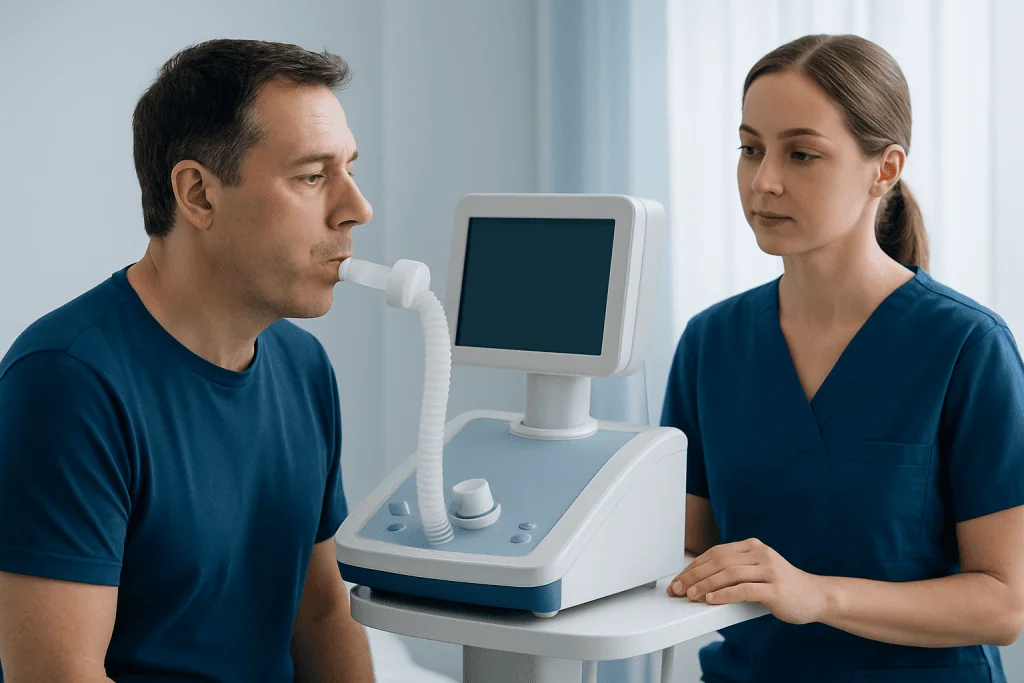
Dry mouth is a frequent contributor to unusual breath odor. Saliva washes away food debris and helps control bacteria. During sleep, dehydration, mouth breathing, smoking, alcohol use, or use of certain medicines, saliva production may fall. This allows odor-producing bacteria to build up, and the breath may smell stronger or more chemical-like.
Diet and metabolism can also affect breath. Fasting, very low-carbohydrate eating patterns, poorly controlled diabetes, vomiting, or prolonged strenuous exercise can change the way the body uses fuel. These changes may produce distinctive odors on the breath. A high-protein intake may also increase the amount of nitrogen-containing waste the body needs to process, sometimes contributing to an ammonia-like smell, especially if fluid intake is low.
Oral health problems are another common explanation. Gum disease, tooth decay, a tongue coating, poorly cleaned dental appliances, or infection around a tooth can lead to persistent bad breath. Nasal congestion, sinus infection, tonsil stones, and acid reflux may also contribute by allowing bacteria, mucus, or stomach contents to affect breath odor.
- Dehydration or reduced saliva flow
- Infrequent brushing, flossing, or tongue cleaning
- Gum disease, dental decay, or oral infection
- Fasting, restrictive diets, or high-protein eating patterns
- Smoking, alcohol, and some medicines
- Postnasal drip, tonsil stones, or reflux
Medical conditions that may need attention

In some cases, a urine-like or ammonia smell on the breath can be associated with reduced kidney function. Healthy kidneys filter waste products from the blood and remove them in urine. When kidney function is significantly impaired, certain waste products can build up. This may cause an ammonia-like taste or odor in the mouth, sometimes described as uremic breath. It is usually not the only symptom and may occur with fatigue, nausea, swelling, changes in urination, itching, or difficulty concentrating.
Kidney concerns are more important to consider in people with diabetes, high blood pressure, known kidney disease, recurrent urinary tract problems, a family history of kidney disease, or use of medicines that can affect the kidneys. A clinician may assess kidney health with blood tests, urine tests, blood pressure measurement, and, when needed, imaging. More information about kidney disease may be useful for people who have persistent symptoms or known risk factors.
Other illnesses can alter breath odor as well. Poorly controlled diabetes may cause a fruity or acetone-like odor, while severe liver disease can cause a musty or sweet smell. Certain gastrointestinal conditions, infections, and metabolic disorders may contribute in selected situations. Breath odor alone cannot reliably identify any one condition, which is why a full symptom review is important.
Symptoms that can help identify the cause
Because people adapt quickly to their own smell, a family member, partner, dentist, or clinician may notice the odor first. Keeping track of related symptoms can make an appointment more productive. Relevant details include how long the odor has been present, whether it is constant or intermittent, what makes it better or worse, and whether there have been changes in food intake, fluids, medicines, or oral hygiene.
Mouth-related causes may be more likely when there is a coated tongue, bleeding gums, tooth sensitivity, dry mouth, mouth sores, a bad taste, or visible dental problems. Nasal blockage, throat discomfort, frequent throat clearing, heartburn, or regurgitation can point toward upper airway or digestive contributors.
Symptoms that warrant particular attention include reduced urination, foamy urine, blood in the urine, ankle or facial swelling, persistent nausea, unexplained tiredness, loss of appetite, weight changes, fever, increased thirst, or frequent urination. These symptoms do not confirm a specific diagnosis, but they can guide appropriate testing and timely care.
How doctors evaluate persistent unusual breath odor
A dentist or primary care clinician will usually start with a history and examination. They may examine the teeth, gums, tongue, throat, nose, and neck, ask about diet and hydration, and review medicines and medical conditions. In many cases, treating an oral health issue or improving saliva flow and cleaning habits resolves the problem.
If the history suggests a medical cause, testing may include urinalysis and blood tests that measure kidney function, blood sugar, electrolytes, and liver-related markers. The exact tests depend on a person’s symptoms, health history, and examination findings. Imaging or referral to a kidney specialist, ear, nose and throat specialist, gastroenterologist, or dentist may occasionally be recommended.
People should avoid relying on breath odor as a home test for kidney disease or any other illness. Odors are subjective and can vary with foods, hydration, and oral bacteria. Laboratory testing and clinical assessment provide a much more reliable answer.
Practical self-care while arranging assessment
Simple steps can reduce odor caused by dry mouth or oral bacteria. Drinking water regularly, particularly during hot weather or exercise, supports saliva production. Brushing teeth twice daily with fluoride toothpaste, cleaning between teeth daily, and gently cleaning the tongue can reduce bacterial buildup. Dental appliances should be cleaned as directed by a dental professional.
It may help to limit tobacco, excess alcohol, and strongly scented foods if they seem to worsen the odor. Sugar-free gum or lozenges may stimulate saliva for some people, although those with dental conditions, diabetes, or digestive symptoms should choose products carefully and seek individualized advice where needed. Persistent dry mouth should be discussed with a clinician, especially if it began after a new medicine.
Extreme dieting, prolonged fasting, or major protein supplements should not be used to manage breath odor. A balanced eating pattern and adequate fluid intake are generally safer approaches. If gum disease, cavities, or another dental problem is suspected, arranging general dentistry care is an important first step.
When to seek medical care
A non-urgent appointment with a dentist or doctor is appropriate when breath smells like urine for more than a few days despite good hydration and oral care, when the odor repeatedly returns, or when it is associated with mouth pain, gum bleeding, reflux symptoms, or nasal and throat problems. Earlier assessment is advisable for anyone with diabetes, known kidney disease, high blood pressure, or a history of kidney problems.
Prompt medical assessment is needed if the odor occurs with swelling, very little urine, blood in the urine, ongoing vomiting, severe fatigue, confusion, shortness of breath, chest pain, fever with significant illness, or rapid worsening. These symptoms may indicate a condition that requires timely evaluation.
Acibadem International’s multidisciplinary specialists and JCI-accredited hospitals can assess persistent breath changes and related dental, metabolic, digestive, or kidney concerns for international patients. The appropriate care pathway depends on the individual’s symptoms and test results.
Frequently asked questions
Can dehydration make breath smell like urine?
Yes. Dehydration can reduce saliva production and concentrate compounds in the mouth, allowing bacteria to create stronger-smelling breath. Drinking fluids regularly and maintaining oral hygiene may help, but persistent odor should still be assessed.
Does ammonia breath always mean kidney disease?
No. Ammonia-like breath can occur with dry mouth, dehydration, dietary changes, fasting, poor oral hygiene, and dental problems. Significant kidney impairment is a less common but important possibility, particularly if there are changes in urination, swelling, nausea, or fatigue.
Can a high-protein diet cause urine-smelling breath?
A high-protein diet may contribute to an ammonia-like breath odor in some people, especially if they are not drinking enough fluids. This does not by itself indicate kidney disease, but people with kidney conditions should discuss major dietary changes with their clinician.
Should a person see a dentist or a doctor first?
A dentist is often a sensible first choice when there are signs of gum disease, tooth decay, dry mouth, or a coated tongue. A doctor may be more appropriate if there are general symptoms such as swelling, changes in urine, nausea, thirst, fatigue, or known medical conditions that affect the kidneys or metabolism.
Can diabetes cause unusual breath odor?
Yes. Changes in blood sugar and the way the body uses fat for energy can sometimes cause a fruity, sweet, or acetone-like breath odor. Anyone with diabetes who has nausea, vomiting, abdominal pain, rapid breathing, confusion, or very high blood sugar symptoms should seek urgent medical care.
How long should urine-smelling breath last before seeking help?
If it lasts more than a few days after improving hydration and oral care, or if it keeps returning, it is reasonable to arrange a dental or medical appointment. Medical care should be sought sooner if the odor is accompanied by concerning symptoms such as reduced urination, swelling, severe weakness, or vomiting.
This article is for general information only and is not a substitute for professional medical advice. Please consult a qualified doctor about your individual situation.
Medical weight-loss options in Turkey — costs & eligibility
JCI-accredited · board-certified surgeons · reply within 24h
Add us as a Preferred Source to see more of our trusted health content across Google Search, AI Overviews and Discover.
Check your numbers in seconds
BMI, calories, due date, blood pressure and 30+ more clinical calculators — free, instant, doctor-reviewed ranges.

More from the Health Library

Murphy Sign: An Evidence-Based Guide for Patients

Neck Hump — Explained by Medical Evidence, Not Myths

Z Pack — Explained by Medical Evidence, Not Myths

Bulging of Fontanelle: A Complete Medical Overview

Enlarged Spleen: A Complete Medical Overview