Hypothalamus Diagram: What Patients Need to Know
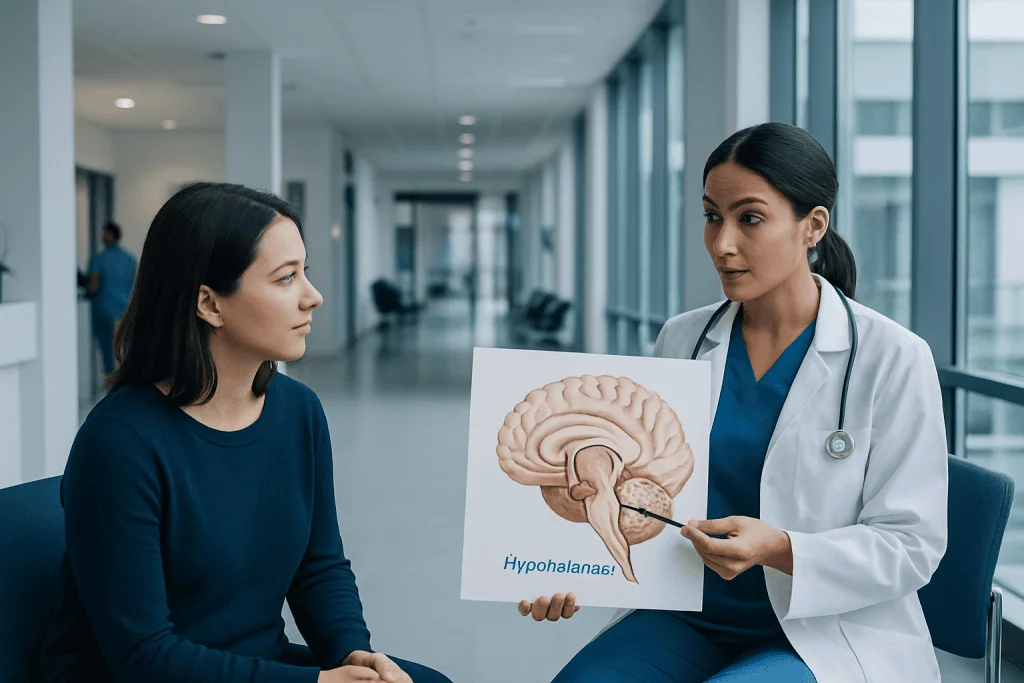
The hypothalamus is a small region at the base of the brain with wide-reaching effects on body balance. It communicates closely with the pituitary gland to regulate several hormone systems.
Key Takeaways
- The hypothalamus is a small region at the base of the brain with wide-reaching effects on body balance.
- It communicates closely with the pituitary gland to regulate several hormone systems.
- A diagram commonly shows its position beneath the thalamus, near the optic nerves and above the pituitary gland.
- Symptoms of hypothalamic dysfunction vary and may include changes in thirst, appetite, sleep, temperature control or hormone-related functions.
- Persistent or unexplained symptoms should be assessed by a qualified healthcare professional.
A hypothalamus diagram helps patients identify a small but important area deep within the brain, located below the thalamus and above the pituitary gland. It coordinates essential body functions including hormone release, body temperature, appetite, thirst, sleep and stress responses.
How to Read a Hypothalamus Diagram
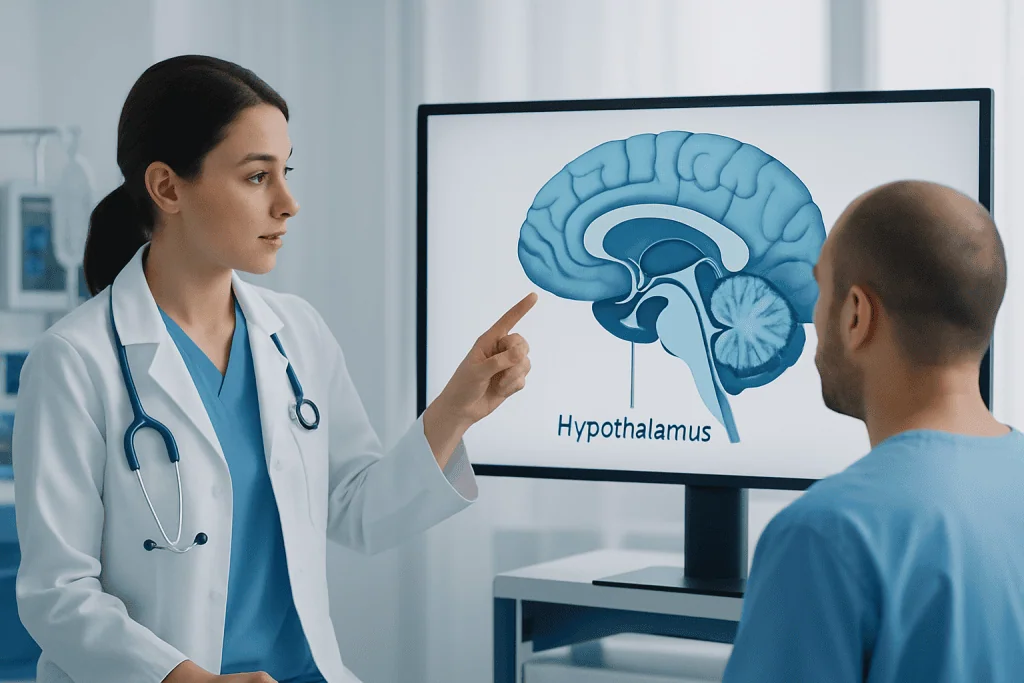
A hypothalamus diagram usually shows a small structure near the center and base of the brain. It sits beneath the thalamus, a larger relay area for sensory information, and directly above the pituitary gland. Although it is small, the hypothalamus is connected to many parts of the nervous system and endocrine system.
In a side-view, or sagittal, diagram of the brain, the hypothalamus is often marked just in front of and below the thalamus. It forms part of the floor and lower side walls of the third ventricle, a fluid-filled space within the brain. The pituitary stalk, also called the infundibulum, extends downward from the hypothalamus toward the pituitary gland.
Many diagrams also label nearby structures. These may include the optic chiasm, where optic nerves partly cross; the mammillary bodies, which are involved in memory-related circuits; and the pituitary gland. Seeing these landmarks can help explain why conditions affecting this region can influence vision, hormone regulation, sleep, appetite and other functions.
- Thalamus: located above the hypothalamus.
- Optic chiasm: located in front of the hypothalamus.
- Pituitary stalk: connects the hypothalamus to the pituitary gland.
- Pituitary gland: hangs below the hypothalamus and releases important hormones.
What the Hypothalamus Does
The hypothalamus helps the body maintain homeostasis, meaning a stable internal environment despite changes inside or outside the body. It receives information from the brain, blood and nervous system, then coordinates responses through nerves, hormones and behavior. Its work is largely automatic, so people do not need to consciously control these processes.
One key role is temperature regulation. When body temperature changes, the hypothalamus can trigger responses such as sweating, shivering, changes in skin blood flow and behavioral urges to seek warmth or cooling. It also contributes to the control of thirst and fluid balance by monitoring factors related to hydration in the bloodstream.
The hypothalamus also influences hunger, fullness, energy use and sleep-wake rhythms. Through connections with other brain areas, it takes part in stress responses, emotional behavior and reproductive functions. These processes are interrelated: for example, prolonged stress, poor sleep and illness can all affect appetite and hormone signaling.
Its hormone-related role is especially important. The hypothalamus produces releasing and inhibiting hormones that guide the pituitary gland. It also makes oxytocin and antidiuretic hormone, which are transported to and released from the posterior pituitary. Together, these systems influence growth, thyroid activity, adrenal function, reproduction, milk production and water balance.
Hypothalamus and the Pituitary Gland

The hypothalamus and pituitary gland are often described as a functional partnership. The hypothalamus sends chemical signals to the front portion of the pituitary through a specialized network of blood vessels. In response, the pituitary can release hormones that act on other glands and tissues throughout the body.
For example, hypothalamic signals affect pituitary hormones involved in thyroid regulation, cortisol production, growth, fertility and lactation. Feedback from hormones already circulating in the blood helps this system adjust its output. This feedback process helps avoid excessive or insufficient hormone production under usual circumstances.
The posterior pituitary works differently. It stores and releases antidiuretic hormone and oxytocin, which are produced in the hypothalamus. Antidiuretic hormone helps the kidneys conserve water, while oxytocin has roles in childbirth, breastfeeding and social bonding.
Because the hypothalamus and pituitary are so closely linked, some symptoms may overlap when either area is affected. A medical assessment may include consideration of both structures, particularly when a person has hormone changes along with headaches, visual symptoms, unusually high thirst or unexplained changes in growth, weight or puberty.
What Can Affect Hypothalamus Function
Hypothalamic dysfunction is not one single disease. It is a broad term for problems affecting the hypothalamus or its signaling pathways. Possible causes include tumors in or near the region, head injury, inflammation, infection, radiation treatment, surgery, genetic conditions or disorders affecting blood supply. In some cases, no clear cause is identified immediately.
Masses near the hypothalamus or pituitary may affect surrounding structures because space in this area is limited. Depending on their location, they may interfere with hormone signaling, the optic pathways or fluid balance. Pituitary conditions can therefore require careful evaluation alongside the hypothalamus; patients can learn more about pituitary adenoma in the relevant condition resource when this diagnosis is being considered.
Symptoms depend on the cause and on which pathways are involved. They may include persistent changes in appetite or body weight, unusual thirst or frequent urination, heat or cold intolerance, disrupted sleep, fatigue, menstrual changes, reduced libido, fertility concerns or changes in growth and development in children. These symptoms are common in many other conditions as well, so they do not by themselves confirm a hypothalamic problem.
Sudden or severe symptoms, especially those occurring with neurological changes, need prompt medical assessment. The goal is to identify the underlying cause rather than assume that any one symptom originates in the hypothalamus.
How Doctors Evaluate Possible Problems
Evaluation begins with a detailed medical history and physical examination. A clinician may ask about the timing of symptoms, sleep patterns, weight change, fluid intake, urine output, menstrual or sexual health, medications, previous head injuries and prior treatments. In children, growth patterns and pubertal development are also important.
Blood and urine tests may help assess hormone levels, thyroid function, adrenal function, electrolyte balance and blood glucose. Test selection and interpretation are individualized because hormone levels naturally vary with time of day, age, illness and medication use. A clinician may repeat tests or arrange more specialized endocrine testing when needed.
MRI is often the preferred imaging study for examining the hypothalamus, pituitary gland and nearby structures. It provides detailed images of soft tissue and can help identify structural changes. Visual field testing may also be recommended when a finding is close to the optic pathways or when a person notices changes in vision.
Assessment is commonly coordinated by an endocrinologist, neurologist, neurosurgeon, ophthalmologist or other specialists depending on the findings. The diagnosis is based on the complete clinical picture, rather than a diagram or scan result alone.
Treatment and Everyday Support
Treatment depends on the specific cause, symptoms and test results. Some people need treatment for an underlying growth, inflammation or other structural condition, while others need hormone replacement or medication to manage a hormone imbalance. Care plans are individualized and may involve ongoing monitoring.
When a pituitary or nearby brain lesion needs intervention, options may include observation with repeat imaging, medication, surgery, radiation therapy or a combination of approaches. Decisions should be made with specialists who can explain expected benefits, limitations and potential effects on hormone function. In selected cases, pituitary surgery may be considered as part of a broader treatment plan.
Supportive measures can also be useful alongside medical care. Maintaining regular sleep and meal routines, staying appropriately hydrated, recording symptoms and keeping follow-up appointments can help clinicians identify patterns and adjust treatment safely. People should not start, stop or change hormone-related medicines without medical advice.
Acibadem International’s multidisciplinary specialists and JCI-accredited hospitals assess and treat hypothalamic and pituitary-related conditions for international patients, with care tailored to the diagnosis and individual needs.
When to Seek Medical Care
Medical advice is appropriate for persistent, unexplained changes in thirst, urination, appetite, body weight, temperature tolerance, sleep, menstrual cycles, sexual function or fatigue. A doctor can review these symptoms in context and determine whether hormone testing, imaging or referral to a specialist is needed.
Prompt assessment is important for new headaches that are severe or worsening, vision changes, fainting, confusion, marked weakness, vomiting with headache, or excessive thirst and urination that develops quickly. These symptoms can have many causes, but they should not be ignored.
Parents and caregivers should seek medical advice if a child has concerns about growth, early or delayed puberty, persistent excessive thirst, significant weight changes or new sleep and behavior changes. Early evaluation can help clarify whether the concern is related to hormones, development, sleep or another health issue.
A hypothalamus diagram is useful for understanding brain anatomy, but it cannot diagnose a condition. A qualified clinician can connect symptoms, examination findings, laboratory results and imaging to provide appropriate guidance.
Frequently asked questions
Where is the hypothalamus located?
The hypothalamus is located deep within the brain, beneath the thalamus and above the pituitary gland. It is near the third ventricle and close to the optic chiasm, where some optic nerve fibers cross.
What does a hypothalamus diagram show?
A hypothalamus diagram shows the region’s location and its relationship to nearby brain structures, especially the thalamus, pituitary gland, optic chiasm and brain ventricles. It can help explain how a small area of the brain can influence hormones and automatic body functions.
What are the main functions of the hypothalamus?
The hypothalamus helps regulate temperature, thirst, appetite, sleep, stress responses and hormone signaling. It works closely with the pituitary gland to influence functions such as growth, thyroid activity, reproduction, adrenal hormone release and fluid balance.
Can hypothalamus problems cause weight changes?
They can contribute to changes in appetite, energy balance and body weight, depending on the affected pathway and underlying cause. However, weight change is common and may have many other explanations, including diet, sleep, medication, thyroid disorders and other health conditions.
How is hypothalamic dysfunction diagnosed?
Diagnosis usually involves a medical history, physical examination and targeted blood or urine testing. MRI may be used to examine the hypothalamus, pituitary gland and surrounding structures, while other tests depend on the symptoms present.
Is a hypothalamic disorder treatable?
Many causes and symptoms can be managed, but treatment depends on the underlying condition. Care may involve monitoring, hormone treatment, medication or treatment of a structural problem, with follow-up from relevant specialists.
References
- National Institute of Neurological Disorders and Stroke
- National Institute of Diabetes and Digestive and Kidney Diseases
- Endocrine Society
- Merck Manual Consumer Version
This article is for general information only and is not a substitute for professional medical advice. Please consult a qualified doctor about your individual situation.
Explore treatments in Turkey — costs, top hospitals & a free quote
JCI-accredited · board-certified surgeons · reply within 24h
Add us as a Preferred Source to see more of our trusted health content across Google Search, AI Overviews and Discover.

More from the Health Library

White Piedra — Explained by Medical Evidence, Not Myths

Omega 3 of 3 6 9 — Explained by Medical Evidence, Not Myths

Ashwagandha Testosterone — Explained by Medical Evidence, Not Myths
Liver Enzymes: A Complete Medical Overview

Central Heterochromia: What Patients Need to Know