

Traveling to Turkey for Treatment While Pregnant: Safety Questions to Ask First

Traveling to Turkey while pregnant can be safe with medical clearance, airline checks and a tailored care plan. Ask these key safety questions first.
If you are considering treatment in Turkey while pregnant, planning begins with a clear conversation between your pregnancy care team, the treating specialist and your airline. This guide helps you prepare practical safety questions, travel arrangements and contingency plans before you commit to travel.
At a glance
- First priority: Get individual clearance from your obstetrician or maternity care provider.
- Best time to assess travel: Before booking flights, treatment dates or accommodation.
- Documents to carry: Pregnancy records, medication list, insurance details and emergency contacts.
- Air travel: Airline policies and medical certificate requirements vary by gestational age.
- Care planning: Confirm how pregnancy-related concerns will be assessed during your stay.
- Emergency plan: Know the nearest appropriate maternity service and when to seek urgent help.
Start with your own pregnancy care team
Before arranging treatment abroad, speak with the clinician or maternity team who knows your pregnancy best. They can consider your gestational age, medical history, previous pregnancies, current symptoms, test results and any known risks. A general statement that travel is “usually fine” is not the same as advice tailored to you.
Ask whether your planned journey, treatment and return date are appropriate for your circumstances. This is particularly important if you have had bleeding, raised blood pressure, diabetes, a multiple pregnancy, placental concerns, preterm labour symptoms, severe nausea or vomiting, a history of pregnancy complications, or a condition requiring regular monitoring.
Request a concise medical summary that you can share securely with the international care team. It should include your estimated due date, blood group if known, allergies, current medicines, relevant scans or laboratory results, significant medical history and the contact details of your usual clinician. Keep both digital and printed copies with you rather than packing essential records in checked luggage.
Ask whether the treatment itself is appropriate during pregnancy
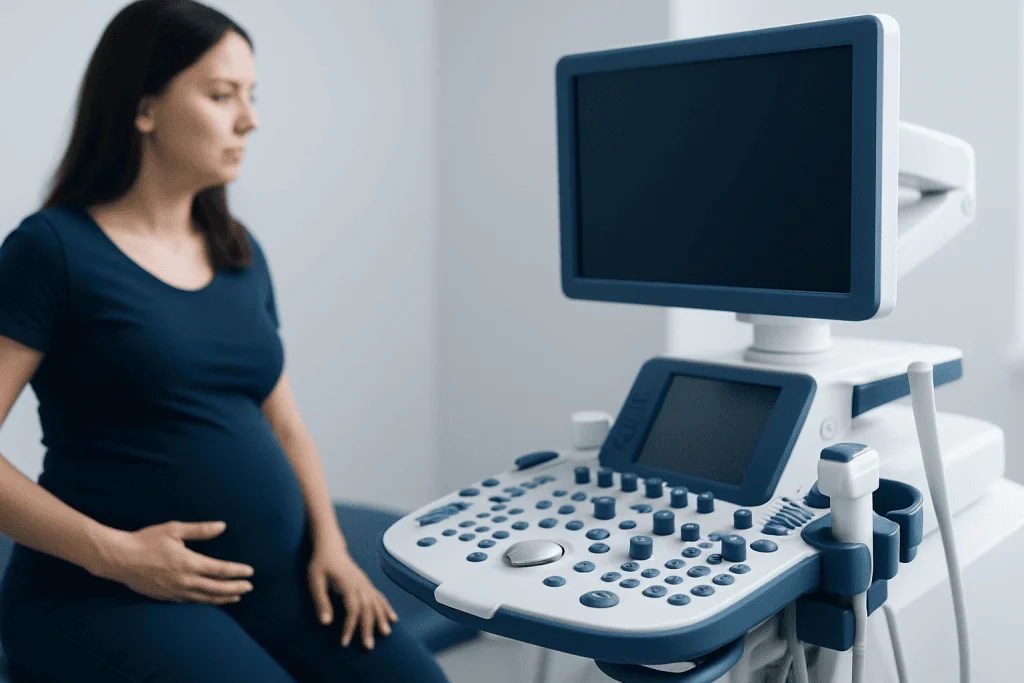
The central question is not simply whether it is possible to travel, but whether the proposed treatment should take place during pregnancy at all. Some care may be time-sensitive and appropriate with additional safeguards, while other consultations, procedures, medicines, imaging examinations or elective treatments may be better delayed until after delivery. The answer depends on the reason for treatment and your individual health situation.
Ask the treating specialist to explain the expected timing, what preparation is needed, whether sedation, anaesthesia, contrast agents, radiation or medications could be involved, and what alternatives exist. Ask specifically: “What pregnancy-related factors could change the plan?” and “What would make you recommend postponing?” Clear answers help you make an informed decision with your own maternity clinician.
At Acibadem International, international patient services can help gather relevant records before you travel and coordinate communication with the appropriate specialist team. JCI-accredited hospital processes support structured patient identification, clinical review and safety checks, but they do not replace the need for personalised advice from the clinicians responsible for your care.
Confirm the travel window and airline requirements

Air travel rules during pregnancy differ between airlines and can change depending on how many weeks pregnant you are, whether you are carrying more than one baby and whether there have been complications. Many airlines request a recent fit-to-fly letter later in pregnancy, and some have restrictions near the due date. Check the policy for every flight in your itinerary, including connecting flights and return travel.
When you ask for medical clearance, explain the full journey: flight duration, airport transfers, dates, planned activity level and expected time away. Do not book a non-refundable itinerary until you understand whether your healthcare team recommends travel and whether your airline needs a specific certificate format.
During a longer flight, follow the individual advice given by your clinician. Practical measures may include choosing an aisle seat, drinking regularly, wearing loose clothing, moving your legs while seated and walking when it is safe to do so. Ask whether compression stockings or any other precautions are suitable for you; do not begin medicines or preventive treatments solely because of travel without medical advice.
Plan where you will stay and how you will move around
A calm, flexible itinerary is usually safer and more comfortable than fitting treatment around a tightly packed trip. Choose accommodation with reliable access to the hospital, a lift if needed, a private bathroom, air conditioning or heating appropriate to the season, and easy options for food and drinking water. Build in rest time before and after appointments, especially after a flight.
Ask the international patient coordinator about travel time between the airport, hotel and hospital, as Istanbul traffic can affect scheduling. Acibadem International can assist eligible international patients with practical coordination, including interpreters and guidance on accommodation or transportation arrangements. Confirm what is included, who your main point of contact will be and how to reach the team outside routine appointment hours.
If you are travelling with a companion, agree in advance how they can support you: carrying documents, accompanying you to appointments, monitoring fatigue and helping if plans change. It is sensible to avoid driving yourself after any appointment that may involve sedation, medication that affects alertness or a lengthy period of observation.
Create a pregnancy-specific emergency plan
Before departure, know exactly what you would do if you developed a pregnancy-related concern while abroad. Ask which hospital location or maternity service is appropriate for an urgent assessment, how to contact the international patient team, and whether language assistance is available. Save key phone numbers in your phone and write them down in case your battery fails.
Seek urgent medical advice locally for symptoms such as vaginal bleeding, fluid leakage, severe or persistent abdominal pain, regular contractions, fainting, severe headache, visual changes, chest pain, shortness of breath, one-sided leg swelling or pain, fever, or a noticeable reduction in fetal movements when you would normally expect movement. This list is not complete; trust your instincts if something feels seriously wrong.
Ask in advance how pregnancy care would be handed over if you required admission or an unexpected change to your travel dates. You should also consider practical contingencies: a companion who can stay longer if needed, flexible booking options, access to funds, and a way to update family and your clinician at home.
Check insurance, records and communication before you leave
Read your travel and health insurance documents carefully. Pregnancy-related care is often covered differently from unexpected complications, routine maternity care, treatment for an existing condition or a planned procedure. Ask the insurer directly what is covered in Turkey, whether pre-authorisation is required, what limits apply and what evidence is needed if you need to change flights or extend your stay.
Bring a current medication list using generic drug names where possible, along with enough prescribed medication for the journey and extra time in case travel is disrupted. Keep medicines in original labelled packaging in your hand luggage. Do not stop, substitute or buy medicines abroad without advice from a qualified clinician or pharmacist familiar with your pregnancy.
Clear communication matters. Tell the care team your preferred language, any hearing, mobility or accessibility needs, and whether you would like an interpreter. Acibadem International patient services can help coordinate language support so that you can understand consent discussions, discharge information and follow-up instructions, rather than relying on a companion to interpret sensitive medical information.
Step by step
- Discuss the trip with your maternity clinician. Arrange a review before you make final bookings. Share why you are seeking treatment, your proposed dates, flight length and any planned procedure so advice can be specific to your pregnancy.
- Send relevant records for pre-travel review. Provide a recent pregnancy summary, medication list, allergies and important test results through the secure route requested by the care team. Ask whether any additional specialist review is needed before travel.
- Clarify the treatment and timing. Ask what will happen during appointments, what medicines or tests may be involved and whether alternatives are available. Confirm what circumstances would lead the specialist to delay, modify or cancel the plan.
- Check airline and return-flight rules. Review the pregnancy policy for each airline, including connections. Obtain a fit-to-fly letter if required and ensure the return date remains acceptable for your gestational age.
- Arrange practical support in Istanbul. Book accommodation that limits unnecessary travel and leaves room for rest. Confirm airport transfer options, interpreter arrangements, appointment locations and an after-hours contact route.
- Prepare your emergency and insurance plan. Save emergency numbers, hospital contact details and your insurer’s assistance line. Understand where to seek urgent maternity assessment and what your policy covers if your stay must be extended.
- Travel with essential documents in hand luggage. Carry your passport, insurance information, pregnancy summary, prescriptions and appointment confirmations with you. Give a trusted companion copies of key information where appropriate.
Your checklist
- Individual travel advice from your obstetrician or maternity care provider
- Recent pregnancy summary, including estimated due date and relevant medical history
- Treating specialist’s pre-travel review of your records where requested
- Confirmed airline pregnancy policy for outbound and return flights
- Fit-to-fly certificate in the airline’s required format, if applicable
- Travel insurance confirmation for pregnancy-related complications and planned care
- Enough prescribed medication in original packaging and hand luggage
- Hospital, international patient services and emergency contact numbers saved offline
- Flexible accommodation and transport plan with time for rest
- A companion or trusted contact who knows your itinerary and emergency plan
Key takeaways
- Your own maternity clinician should help determine whether travel is suitable for your individual pregnancy.
- Confirm whether the proposed treatment, medicines, tests and timing are appropriate during pregnancy before booking.
- Airline rules, insurance coverage and return-flight eligibility can change as pregnancy progresses.
- Carry a clear pregnancy summary and establish an emergency maternity plan before leaving home.
- International patient coordination, interpreters and travel support can reduce avoidable stress, but do not replace medical clearance.
Frequently asked questions
Is it safe to travel to Turkey for treatment while pregnant?
It may be possible for some people, but safety depends on your gestational age, pregnancy history, current health, reason for treatment and travel itinerary. You should obtain personalised advice from your obstetrician or maternity care provider and ensure the treating specialist has reviewed relevant information. If you have complications or concerning symptoms, travel may not be advisable.
When should I speak to the hospital in Turkey?
Contact the hospital before making final travel arrangements, ideally as soon as you are considering the trip. Share that you are pregnant and provide the requested records so the appropriate specialist team can assess practical and clinical considerations. Acibadem International patient services can help you understand which documents and appointments may be needed.
Do I need a doctor’s letter to fly while pregnant?
It depends on the airline, your gestational age, whether you are carrying multiples and your medical circumstances. Some airlines require a recent medical certificate later in pregnancy, while others may have different forms or restrictions. Check directly with every airline on your itinerary and ask your clinician to provide any required documentation.
What pregnancy records should I bring to Turkey?
Bring a recent maternity summary, estimated due date, blood group if known, scan and test information that is relevant to your care, medication list, allergies and contact details for your usual clinician. Keep copies in your hand luggage and securely accessible on your phone. If records are not in English, ask in advance whether translation is needed.
What should I do if I feel unwell during my trip?
Do not wait for a scheduled appointment if you have warning symptoms such as bleeding, fluid leakage, severe pain, regular contractions, breathing difficulty, chest pain, severe headache or reduced fetal movement when expected. Seek urgent medical assessment and contact the hospital’s designated emergency or international patient contact route. Keep your pregnancy records and insurance details readily available.
Will travel insurance cover pregnancy-related care in Turkey?
Coverage varies greatly by policy. Some policies cover unforeseen pregnancy complications but exclude routine maternity care, known conditions, planned treatment or care after a certain gestational age. Contact your insurer before travel, ask for confirmation in writing where possible and understand the process for obtaining pre-authorisation or emergency assistance.
Can Acibadem International arrange an interpreter and help with logistics?
International patient services can help coordinate practical aspects of your visit, such as interpreter support, appointments and guidance on travel or accommodation arrangements. Tell the team early about your language, mobility and pregnancy-related needs. Confirm the exact support available for your itinerary and retain direct contact details for your coordinator.
Add us as a Preferred Source to see more of our trusted health content across Google Search, AI Overviews and Discover.
More Patient Guides

When to Delay Travel for Treatment in Turkey Because of Cold, Flu, or Fever
Delay travel for treatment in Turkey if you have fever, worsening flu symptoms, or breathing difficulty; contact your care team before flying.
8 min read
Travel Vaccines and Infection Precautions Before Treatment in Turkey
Travel vaccines before treatment in Turkey depend on your itinerary, timing, and health. Plan 4-8 weeks ahead and review infection precautions with…
9 min read
When to Seek Urgent Help After Leaving the Hospital in Turkey
When to seek urgent help after leaving the hospital in Turkey: act fast for breathing trouble, chest pain, heavy bleeding, high fever,…
9 min read