

Traveling to Turkey for Biopsy Review: What Happens Before Treatment Is Confirmed
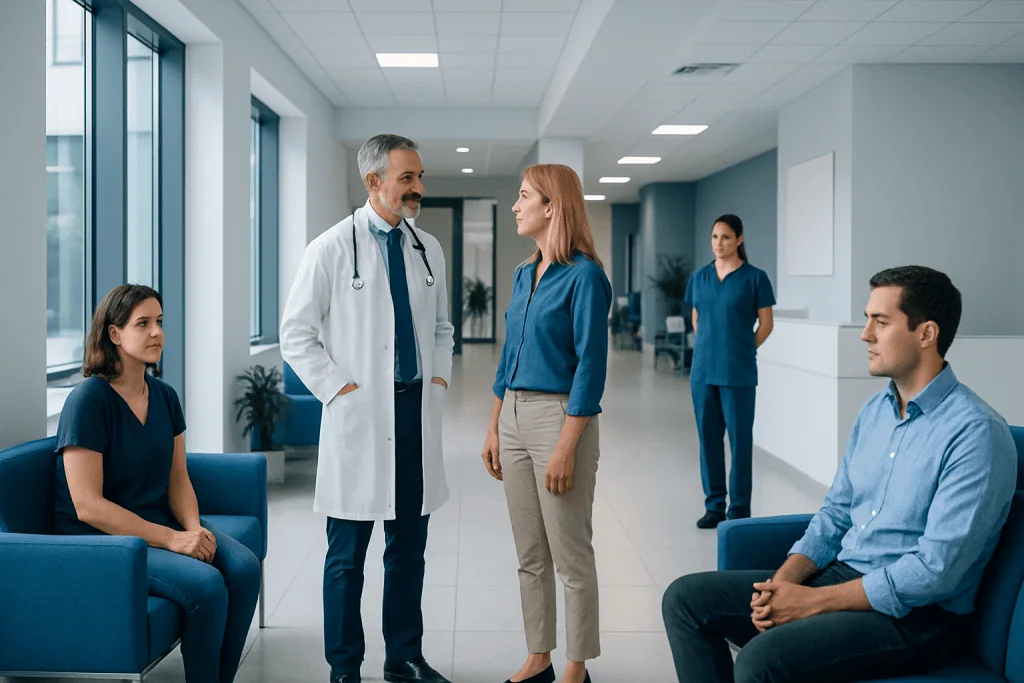
Biopsy review in Turkey helps confirm your diagnosis before treatment, using pathology slides, reports and specialist assessment in Istanbul.
Travelling for a biopsy review can help you and your doctors confirm the diagnosis, understand the available options and plan next steps before treatment is decided. This guide explains what to arrange, what happens during the review and how to prepare for a practical, well-organised visit to Turkey.
At a glance
- Main purpose: To confirm or clarify a diagnosis before treatment planning
- What to bring: Pathology report, slides or tissue blocks, imaging and medical records
- Timing: Depends on the material available and whether extra testing is needed
- Who may be involved: Pathologists, relevant specialists, radiologists and international patient coordinators
- Travel planning: Arrange records review and appointment timing before booking flights
- Possible next step: Treatment recommendation, further testing or a request for new tissue
Why a biopsy review may be requested before treatment
A biopsy is a sample of tissue or cells examined by a pathologist to help identify a condition, including cancer and other diseases. Before you start a major treatment, your care team may recommend a review of the original pathology material. This is sometimes called a pathology second opinion, expert review or biopsy slide review.
The purpose is not necessarily to question your original diagnosis. Pathology can be complex, and a second assessment may help confirm the diagnosis, refine the tumour type or grade, check relevant markers, or identify whether further laboratory testing could be useful. These details can affect whether surgery, medicines, radiotherapy, monitoring or another approach is considered.
If you are travelling internationally, it is especially helpful to complete as much record collection and pre-travel coordination as possible before you leave home. Acibadem International can help you understand which documents and pathology materials may be needed for the planned consultation, while the final requirements depend on your clinical situation and the receiving laboratory.
What records and pathology materials you may need
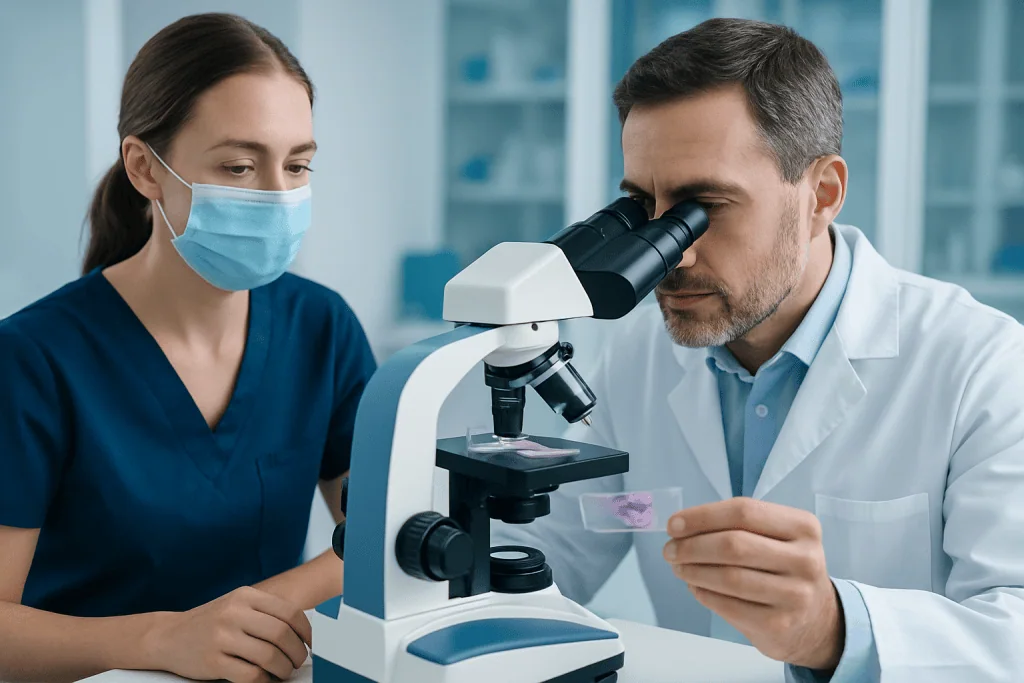
Your pathology report is essential, but it may not be enough on its own for a full review. The reviewing pathologist may need the original glass slides, unstained slides, paraffin tissue blocks, or digital pathology images from the laboratory where your biopsy was performed. Ask your local hospital or laboratory what material is available and how it can be released safely.
Bring or send a complete set of relevant records where possible: the pathology report, procedure or operative note, imaging reports, imaging files in their original digital format, blood test results, clinic letters and a summary of your symptoms and previous treatments. If records are not in English, ask in advance whether certified translations are required or whether an English medical summary will be sufficient.
Do not assume that all samples can be carried in the same way. Tissue blocks and slides are laboratory materials that need protective packaging, clear identification and appropriate documentation. Your international patient coordinator can explain the hospital’s preferred process, but your original laboratory must confirm whether it can release the material and what chain-of-custody paperwork is required.
- Request copies of every pathology report, including amendments.
- Ask for imaging files, not only written scan reports.
- Keep documents organised by date in a secure folder.
- Carry contact details for your original doctor and pathology laboratory.
Planning your journey before treatment is confirmed
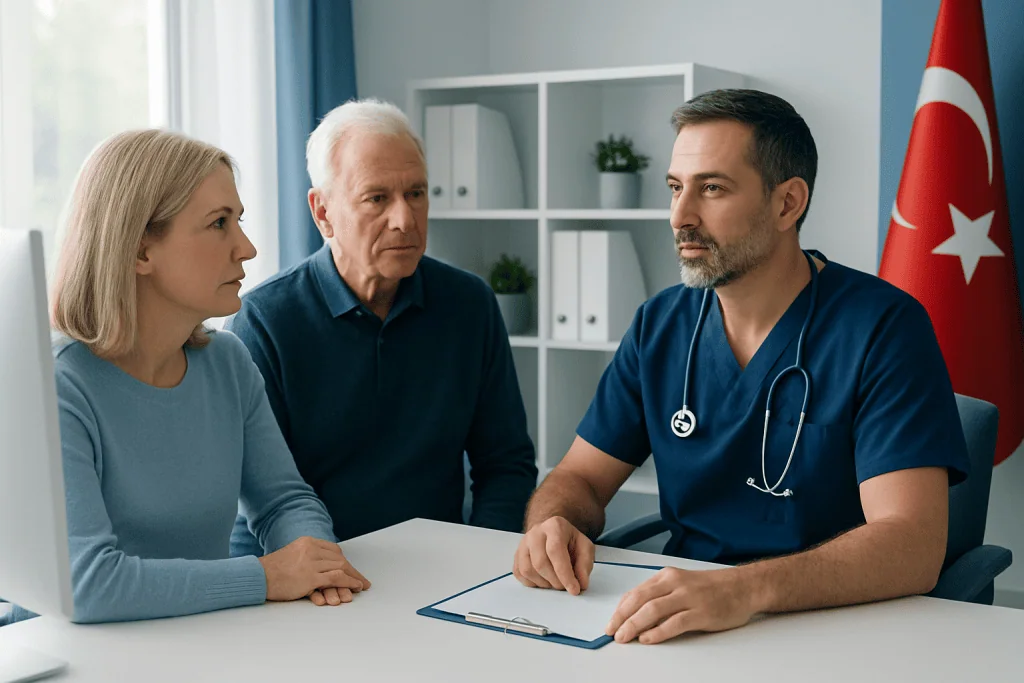
Where possible, contact the international patient team before booking non-refundable flights or accommodation. The team can help coordinate the first specialist appointment, advise on document submission and indicate whether pathology material should arrive before you travel. This reduces the risk of arriving before the necessary records are available for review.
Your length of stay may depend on the complexity of the case. A straightforward consultation may be arranged around a short visit, but pathology review, additional stains, molecular tests, imaging review or multidisciplinary discussion can take longer. Build flexibility into your travel plans and avoid committing to treatment dates until your clinical team has reviewed the findings with you.
Istanbul is served by major international airports and has a wide range of accommodation options. Consider staying somewhere that allows you to rest, eat regularly and travel comfortably to appointments. Acibadem International patient services can assist with practical arrangements such as interpreter coordination and, where available, travel and accommodation guidance.
What happens after you arrive for your biopsy review
Your visit commonly begins with registration, document checks and a consultation with the appropriate specialist. You may be asked about your symptoms, medical history, previous treatment, family history, allergies and regular medicines. It is useful to bring a written list, particularly if you have had care in more than one country.
The pathology team reviews the submitted material alongside the original report and clinical information. A specialist may also review your scans, because pathology and imaging findings are often interpreted together. In some cases, the diagnosis can be confirmed from the existing material; in others, the team may recommend additional tests or ask whether more tissue can be obtained.
At JCI-accredited Acibadem hospitals, relevant cases may be considered by a multidisciplinary team. This means specialists from different areas can discuss the pathology, imaging and your overall health before a treatment recommendation is made. The discussion is designed to support a coordinated plan, not to rush you into a decision.
Understanding possible outcomes of the review
There are several possible outcomes. The review may confirm the original diagnosis and support a treatment plan similar to the one already proposed. It may also add detail, such as a more specific subtype or laboratory marker, which can help your specialist discuss suitable options with you.
Sometimes the review finds that the sample is limited, damaged or not sufficient for all the tests needed. Your team may recommend retrieving additional material from the original laboratory, performing another biopsy, repeating an imaging test, or waiting for a specialist laboratory result. This can feel frustrating, but it may be important to make treatment decisions using the most reliable information available.
A different interpretation does not automatically mean that an earlier doctor made a mistake. Some conditions are difficult to classify, and scientific testing evolves over time. Ask your doctor to explain what has been confirmed, what remains uncertain, whether more testing would change management and what the practical timeline is for the next decision.
How to prepare for consultations and make decisions calmly
Bring a companion if you can, especially if you expect to discuss complex information. If you are travelling alone, ask whether an interpreter can be arranged in your preferred language. Acibadem International supports international patients with coordination and interpretation services so that you can focus on understanding the discussion and asking questions.
Before the appointment, write down your priorities. These may include confirming the diagnosis, preserving fertility or function, understanding recovery time, keeping care close to home, or knowing whether treatment can be safely delayed while further tests are completed. There is no need to make an immediate decision unless your clinical team explains that urgent action is needed.
Ask for a written summary of the findings and recommended next steps. This can be useful for your home doctor, insurer, family members and any later consultations. Before leaving Turkey, clarify who will contact you with pending results, how records will be shared securely and whether follow-up can take place remotely after you return home.
Step by step
- Share your initial information. Send your available pathology report, medical summary and recent imaging reports to the international patient team before travel. This helps identify the likely specialists involved and whether original slides or tissue blocks may be required.
- Request pathology materials from your local laboratory. Ask the laboratory that performed your biopsy about release of slides, blocks and any available digital images. Allow time for its internal approval process and keep copies of release documents for your records.
- Confirm the review and appointment plan. Confirm how the materials should be delivered, whether they need to arrive before your consultation and which appointments are planned. Keep travel arrangements flexible in case additional laboratory testing or a multidisciplinary review is needed.
- Travel with an organised medical file. Carry reports, imaging files, medication lists and contact details for your doctors in a secure hand-luggage folder where appropriate. Do not pack irreplaceable medical documents in checked baggage.
- Attend specialist and pathology discussions. Your clinical team reviews your history, pathology and relevant imaging to build a complete picture. Use the appointment to ask what is confirmed, what remains uncertain and what further tests, if any, are recommended.
- Receive the recommendation and written summary. Once findings are available, your doctor explains the proposed next steps and the reason for them. You may be advised to begin treatment, have further testing, obtain more tissue or arrange follow-up with your local team.
- Plan follow-up before you leave. Ask how you will receive pending results and how your records can be shared with your doctor at home. Confirm the contact route for questions after travel and discuss whether a remote consultation is appropriate.
Your checklist
- Current pathology report and any amended reports
- Original biopsy slides, tissue blocks or digital pathology files, if requested
- Written release paperwork from your original laboratory
- Imaging reports and original scan files
- Medical history summary, including previous treatments and surgeries
- List of medicines, allergies and supplements
- Passport, visa documents and travel insurance information
- Contact details for your home doctor and pathology laboratory
- Questions you want to ask during the consultation
Key takeaways
- A biopsy review can confirm or refine a diagnosis before treatment is chosen.
- Original slides or tissue blocks may be needed in addition to written reports.
- Arrange document review and sample logistics before booking fixed travel dates.
- Additional tests or a multidisciplinary discussion may extend the timeline.
- Ask for a written summary and a clear follow-up plan before returning home.
Frequently asked questions
Do I need to travel to Turkey for a biopsy review?
Not always. In some situations, pathology materials and records may be reviewed before travel, and a remote discussion may be possible depending on your case and local regulations. However, an in-person consultation, imaging review or further testing may still be recommended before treatment can be confirmed.
Can I bring biopsy slides or tissue blocks on the plane?
This depends on the material, your original laboratory's release process and the receiving hospital's instructions. Do not collect or transport samples without confirming the packaging, documentation and delivery requirements in advance. Keep pathology materials protected and carry any related paperwork with you.
How long does a pathology second opinion take?
The timeframe varies according to the diagnosis, quality of the material and whether additional stains or molecular tests are needed. Your coordinator or clinical team can provide a more realistic estimate once the records and samples have been assessed. It is sensible to leave flexibility in your travel schedule.
What if the new review differs from my original pathology report?
Your specialist should explain the difference in clear terms and describe whether it changes the recommended management. Differences can arise because of specialist expertise, additional tests, new clinical information or the complexity of the condition. You can request copies of both reports to discuss with your doctor at home.
Will I be offered treatment immediately after the review?
If the diagnosis and required information are clear, your team may discuss treatment options promptly. In other cases, more laboratory work, scans, a new biopsy or multidisciplinary review may be needed first. A recommendation should be based on your individual findings, health and preferences.
Can Acibadem International help with language and travel arrangements?
Acibadem International patient services can help coordinate appointments, medical document sharing and interpreter support for international patients. They may also provide practical guidance on travel and accommodation planning. Availability and arrangements should be confirmed for your individual visit.
What should I ask at my appointment?
Ask what the pathology review confirms, whether the sample is sufficient and whether any additional testing is needed. You may also ask about treatment options, expected decision timelines, which specialists are involved and how follow-up will be managed after you return home.
Add us as a Preferred Source to see more of our trusted health content across Google Search, AI Overviews and Discover.
More Patient Guides

Flying to Turkey with Recent Scan Results: How to Organize Reports and Images
Organize recent scan results for travel to Turkey by bringing reports, original image files, dates, and a clear medical summary for your…
8 min read
Questions to Ask Before Signing a Consent Form for Treatment in Turkey
Ask the right consent form questions before treatment in Turkey, including risks, alternatives, costs, language support and follow-up plans.
8 min read
Complications During Treatment Abroad: How International Patients in Turkey Can Prepare
Complications during treatment abroad can be managed with planning, clear contacts and follow-up support for international patients in Turkey.
8 min read