Endoscopy: When Is It Recommended for Upper Digestive Symptoms?

Upper endoscopy examines the esophagus, stomach, and duodenum using a thin flexible camera. It is commonly considered for ongoing heartburn, upper abdominal pain, nausea, vomiting, swallowing problems, or unexplained anemia.
Key Takeaways
- Upper endoscopy examines the esophagus, stomach, and duodenum using a thin flexible camera.
- It is commonly considered for ongoing heartburn, upper abdominal pain, nausea, vomiting, swallowing problems, or unexplained anemia.
- Urgent assessment is important for vomiting blood, black stools, progressive swallowing difficulty, unexplained weight loss, or severe persistent pain.
- Endoscopy can allow biopsies and some treatments, such as stopping certain types of bleeding or widening a narrowed area.
- Preparation usually includes fasting and arranging support home if sedating medicine is used.
Upper endoscopy, also called gastroscopy, lets a doctor examine the esophagus, stomach, and first part of the small intestine. It may help identify the cause of persistent upper digestive symptoms, particularly when symptoms do not improve with initial care or warning signs are present.
What Is an Upper Endoscopy?
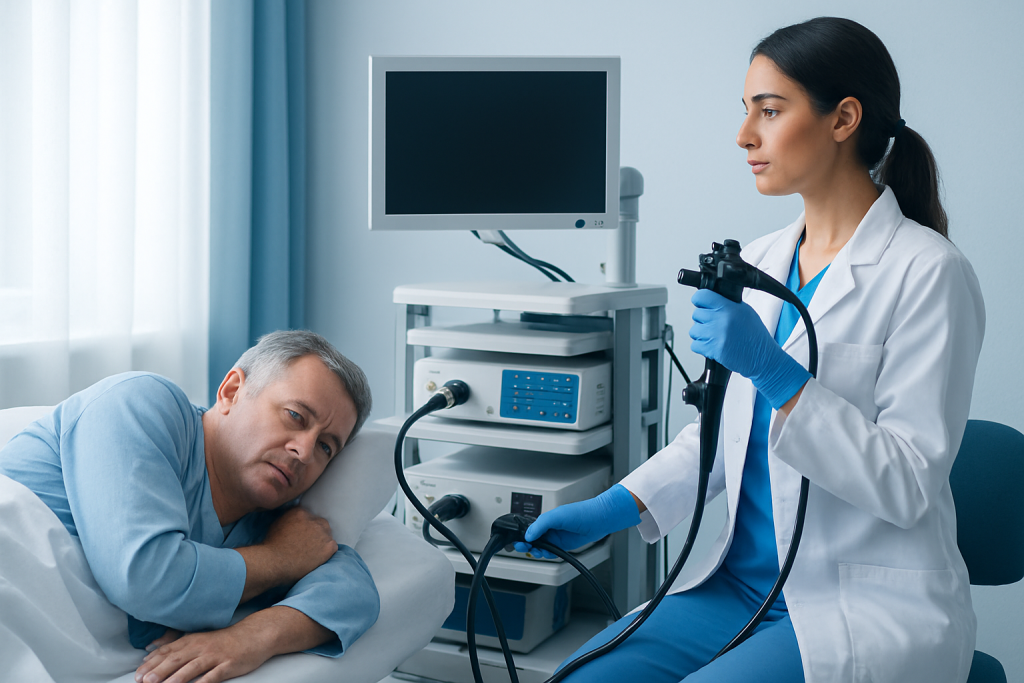
An upper endoscopy is a procedure used to examine the upper digestive tract. It is also called an esophagogastroduodenoscopy (EGD) or gastroscopy. During the procedure, a gastroenterologist passes a thin, flexible tube with a small camera through the mouth to view the esophagus, stomach, and duodenum, which is the first part of the small intestine.
It can help a doctor investigate symptoms and look for visible changes such as inflammation, ulcers, bleeding, narrowing, polyps, or abnormal growths. The procedure may also be used to take tiny tissue samples, called biopsies. A biopsy is often painless because the digestive tract lining does not sense cutting in the same way as the skin.
Upper endoscopy is not needed for every episode of indigestion or heartburn. Many mild, short-lived symptoms improve with lifestyle adjustments or a clinician-guided trial of medication. However, endoscopy becomes more useful when symptoms are persistent, unexplained, severe, recurrent, or associated with warning signs.
Symptoms That May Lead to an Endoscopy Recommendation
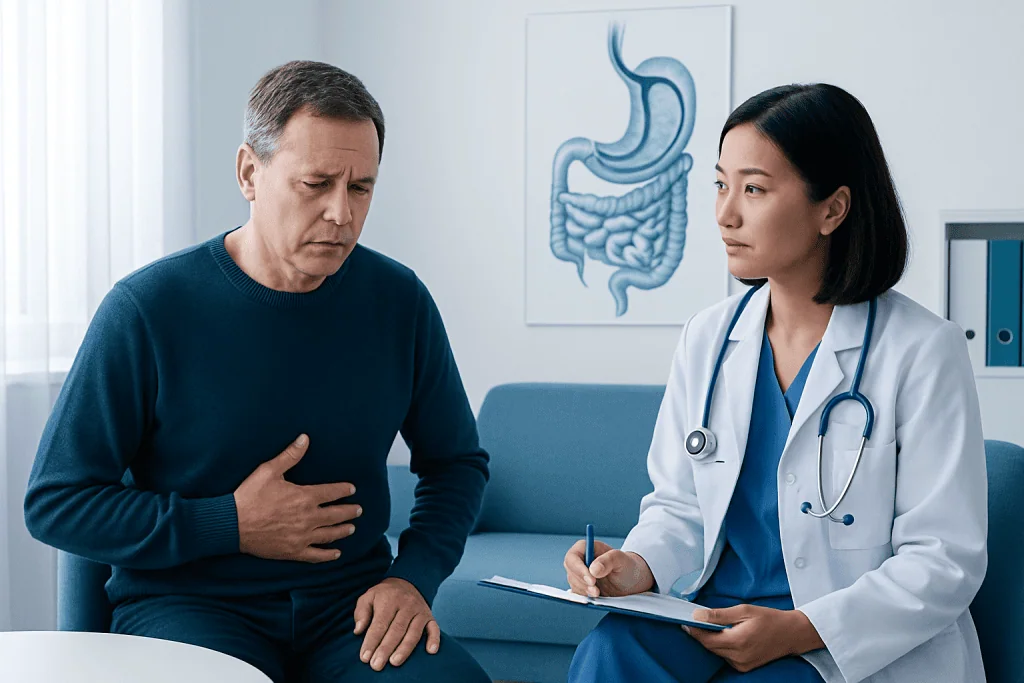
A doctor may suggest endoscopy when upper digestive symptoms continue despite appropriate initial treatment, interfere with eating or daily life, or have no clear explanation. The decision is individualized and takes account of a person’s age, medical history, medicines, family history, and overall risk.
Symptoms that may prompt discussion of upper endoscopy include persistent or frequent heartburn, regurgitation of food or acid, upper abdominal discomfort, ongoing indigestion, early fullness when eating, nausea, recurrent vomiting, or unexplained bloating. It may also be considered for chest discomfort once heart-related causes have been appropriately assessed.
Difficulty swallowing, pain with swallowing, or a sensation that food is sticking can require careful assessment. Endoscopy can identify problems such as inflammation from reflux, a narrowing of the esophagus, or conditions such as achalasia when relevant clinical features are present. Additional tests may still be needed because some swallowing disorders affect muscle function rather than the appearance of the lining.
- Heartburn or reflux that persists or returns despite treatment
- Upper abdominal pain that is ongoing or unexplained
- Repeated nausea or vomiting
- Difficulty or pain when swallowing
- Feeling full unusually quickly or reduced ability to eat normal portions
- Suspected ulcer disease or infection with Helicobacter pylori
Warning Signs That Need Prompt Medical Review
Some symptoms can indicate bleeding, obstruction, significant inflammation, or another condition requiring timely assessment. A person should seek urgent medical care for vomiting blood, material that looks like coffee grounds, black tarry stools, fainting, severe weakness, or sudden severe abdominal or chest pain. Emergency services may be appropriate when symptoms are severe or accompanied by breathing difficulty, confusion, or collapse.
A prompt appointment with a doctor is advisable for unintentional weight loss, persistent loss of appetite, progressive trouble swallowing, frequent vomiting, anemia without a clear cause, or a family history of certain upper digestive cancers. These symptoms do not always mean a serious condition is present, but they should not be ignored.
Doctors sometimes refer to these as alarm features. Their presence does not automatically mean that an endoscopy will be required, but it often lowers the threshold for investigating the upper digestive tract. The aim is to identify treatable causes early and to choose the most appropriate next step.
What Conditions Can Endoscopy Help Diagnose?
Endoscopy can help diagnose a range of conditions affecting the esophagus, stomach, and duodenum. These include gastroesophageal reflux disease and its complications, inflammation of the esophagus, stomach, or duodenum, peptic ulcers, hiatal hernia, and narrowing of the esophagus. It may also help assess suspected celiac disease or upper digestive bleeding.
A biopsy may be taken to test for Helicobacter pylori, a bacterium associated with gastritis and peptic ulcer disease, or to examine cells under a microscope. In some cases, tissue sampling helps evaluate conditions that cannot be confirmed by appearance alone, including eosinophilic esophagitis and certain precancerous changes.
Endoscopy can identify suspicious areas that may need further testing. It is an important diagnostic tool, but results are interpreted alongside symptoms, examination findings, blood tests, imaging, and sometimes functional tests. A normal endoscopy can also be helpful, as it may guide care toward other possible explanations for symptoms.
How to Prepare and What Happens During the Procedure
Preparation instructions depend on the reason for the procedure and the medicines a person takes. In most cases, patients need to avoid food for several hours beforehand so the stomach is empty and the doctor has a clear view. Clear liquids may be permitted until a specified time, but the endoscopy team’s instructions should always be followed carefully.
It is important to tell the clinical team about all medicines, allergies, pregnancy, diabetes, bleeding disorders, sleep apnea, and previous reactions to sedation or anesthesia. Some medicines, particularly blood thinners, diabetes medicines, and certain weight-loss medicines, may require individualized instructions. Patients should not stop prescribed medication without advice from the doctor managing their care.
Before the examination, the throat may be numbed with a local anesthetic spray. Many people receive sedation to help them feel calm and comfortable. The procedure itself often takes a short time, although the overall visit is longer because of preparation and recovery. The endoscope does not block breathing, and the team monitors the patient throughout.
Because sedating medicines can temporarily affect judgment and coordination, someone who receives sedation usually needs a responsible adult to take them home and stay available afterward. Driving, drinking alcohol, operating machinery, and making important decisions should be avoided for the period advised by the care team.
Treatment That May Be Done During Endoscopy
Upper endoscopy is not only a diagnostic procedure. Depending on the findings, the doctor may be able to treat certain problems during the same examination. For example, endoscopic techniques can sometimes control bleeding from an ulcer, remove certain polyps, retrieve a swallowed object, or dilate a narrowed section of the esophagus.
If an ulcer, inflammation, or reflux-related damage is found, treatment commonly includes medicines and measures to reduce irritation of the digestive lining. When H. pylori is identified, a clinician may prescribe an eradication regimen and arrange follow-up testing when appropriate. The exact plan depends on the diagnosis, symptoms, biopsy findings, and a person’s other health needs.
Some conditions need further evaluation or specialist procedures. For example, persistent reflux symptoms may require medication review, pH monitoring, or discussion of anti-reflux surgery in selected patients. If a serious abnormality is suspected, the doctor will explain the next investigations and treatment options in a clear, stepwise way.
Risks, Recovery, and Caring for Upper Digestive Symptoms
Upper endoscopy is generally considered a safe procedure when performed by trained clinicians. Common short-term effects include a mild sore throat, bloating, or temporary drowsiness after sedation. Serious complications are uncommon but can include bleeding, a reaction to sedation, infection, or a tear in the digestive tract. Risk can vary depending on the person’s health and whether treatment is performed during the procedure.
After the procedure, patients should follow the discharge instructions provided by the endoscopy team. Medical advice should be sought promptly for worsening chest or abdominal pain, fever, repeated vomiting, trouble breathing, vomiting blood, or black stools after an endoscopy. These symptoms are unusual, but they need assessment.
While waiting for medical review, people with uncomplicated upper digestive symptoms may benefit from eating smaller meals, avoiding lying down soon after eating, limiting triggers that reliably worsen symptoms, avoiding tobacco, and discussing alcohol use with a clinician. Maintaining a healthy weight where appropriate may also reduce reflux symptoms. These measures are supportive and do not replace medical assessment when warning signs are present.
Acibadem International’s multidisciplinary specialists and JCI-accredited hospitals diagnose and treat digestive conditions for international patients, with care plans guided by individual findings and clinical needs.
When to See a Doctor
A doctor should be consulted when heartburn, indigestion, upper abdominal pain, nausea, or vomiting persists for more than a short period, recurs frequently, or does not improve with measures recommended by a qualified clinician. A review is also sensible when symptoms disrupt sleep, reduce food intake, or affect work, school, or daily activities.
Urgent assessment is needed for signs of gastrointestinal bleeding, severe or escalating pain, inability to swallow liquids, persistent vomiting, dehydration, fainting, or marked weakness. People with known liver disease, previous ulcers, regular use of anti-inflammatory pain medicines, or medicines that increase bleeding risk should discuss new digestive symptoms promptly with their healthcare professional.
An endoscopy recommendation is based on the full clinical picture rather than a single symptom. Asking why the test is recommended, what it may show, how to prepare, and when to expect results can help patients feel informed and prepared.
Frequently asked questions
Is endoscopy painful?
Most people do not find upper endoscopy painful. A throat spray and, in many cases, sedation are used to improve comfort. Some people notice pressure, gagging briefly at the start, or bloating, but the clinical team supports them throughout the procedure.
How long does an upper endoscopy take?
The examination itself often takes a short time, commonly less than 30 minutes. The full visit takes longer because it includes check-in, preparation, sedation if used, and recovery. Procedures involving treatment or additional sampling may take longer.
Can endoscopy detect acid reflux?
Endoscopy can identify irritation or complications related to acid reflux, such as esophagitis, narrowing, or Barrett’s esophagus. However, some people with reflux symptoms have a normal-looking esophagus. In those cases, reflux monitoring or other tests may be considered.
Will a biopsy be taken during endoscopy?
A doctor may take biopsies if they would help clarify the cause of symptoms or assess an area of inflammation or abnormal tissue. Biopsies may also be used to test for Helicobacter pylori or celiac disease. Taking a biopsy is usually not felt during the procedure.
What should a person eat after an endoscopy?
After the throat numbness has worn off and swallowing feels normal, many people can begin with water and light food if their care team agrees. Following the specific discharge advice is important, especially if treatment was performed during the procedure. Alcohol should be avoided after sedation for the period advised by the team.
Can an endoscopy find stomach cancer?
Endoscopy can detect suspicious areas in the stomach or esophagus and allows biopsies for diagnosis. Most upper digestive symptoms are caused by noncancerous conditions, but warning signs such as unexplained weight loss, bleeding, or progressive swallowing difficulty should be assessed promptly. A biopsy, rather than endoscopic appearance alone, is usually needed to confirm cancer.
References
- National Institute of Diabetes and Digestive and Kidney Diseases
- American Society for Gastrointestinal Endoscopy
- National Health Service
- Mayo Clinic
- World Gastroenterology Organisation
This article is for general information only and is not a substitute for professional medical advice. Please consult a qualified doctor about your individual situation.
Persistent digestive symptoms? Get evaluated in Turkey
JCI-accredited · board-certified surgeons · reply within 24h
Add us as a Preferred Source to see more of our trusted health content across Google Search, AI Overviews and Discover.