Orthognathic Surgery Cost: What Patients Really Pay

A complete orthognathic surgery estimate should identify surgical, hospital, anesthesia, orthodontic and follow-up components. Insurance may cover medically necessary jaw surgery, but orthodontic treatment and some related services may have separate benefits or exclusions.
Key Takeaways
- A complete orthognathic surgery estimate should identify surgical, hospital, anesthesia, orthodontic and follow-up components.
- Insurance may cover medically necessary jaw surgery, but orthodontic treatment and some related services may have separate benefits or exclusions.
- Jaw surgery can be considered in adulthood; age 30 alone does not usually prevent candidacy.
- Recovery occurs in stages, with early swelling and dietary adjustments followed by months of bone healing and orthodontic refinement.
- Careful planning with an orthodontist and oral and maxillofacial surgeon helps clarify expected benefits, risks and personal costs.
Orthognathic surgery cost is not one fixed charge because care commonly includes orthodontics, detailed planning, surgery, anesthesia, hospital services and follow-up. The amount a person pays depends on the treatment plan, insurance benefits, coverage decisions and any non-medical expenses such as travel or time away from work.
Orthognathic Surgery Cost: What Is Included?
Orthognathic surgery cost varies because it is a coordinated treatment process rather than a single operation. What a patient ultimately pays may depend on the complexity of the jaw discrepancy, the care setting, insurance coverage, orthodontic needs and whether any services are outside the health plan. A written, itemized financial estimate is more useful than a headline figure because it shows what is included and what may be billed separately.
Common components of a treatment plan can include consultations, dental records, imaging, digital surgical planning, orthodontic treatment before and after surgery, surgeon fees, anesthesia, operating-room or hospital care, laboratory tests, prescribed medicines and follow-up appointments. Some plans also include procedures performed at the same time, such as chin surgery or removal of teeth, when clinically appropriate.
- Orthodontic treatment may have a separate provider, schedule and insurance benefit.
- Hospital and anesthesia services may be billed independently from the surgeon’s services.
- Deductibles, copayments, coinsurance and out-of-network rules can affect personal responsibility.
- Travel, accommodation, dietary supplies and time away from usual activities are practical costs to plan for.
Before committing to treatment, patients can ask which services are included in the estimate, whether the estimate assumes insurance approval, and what may change if the surgical plan changes. It is also sensible to ask how unexpected follow-up needs, such as treatment for a complication, would be handled financially.
How Jaw Surgery Works and Why It Is Recommended
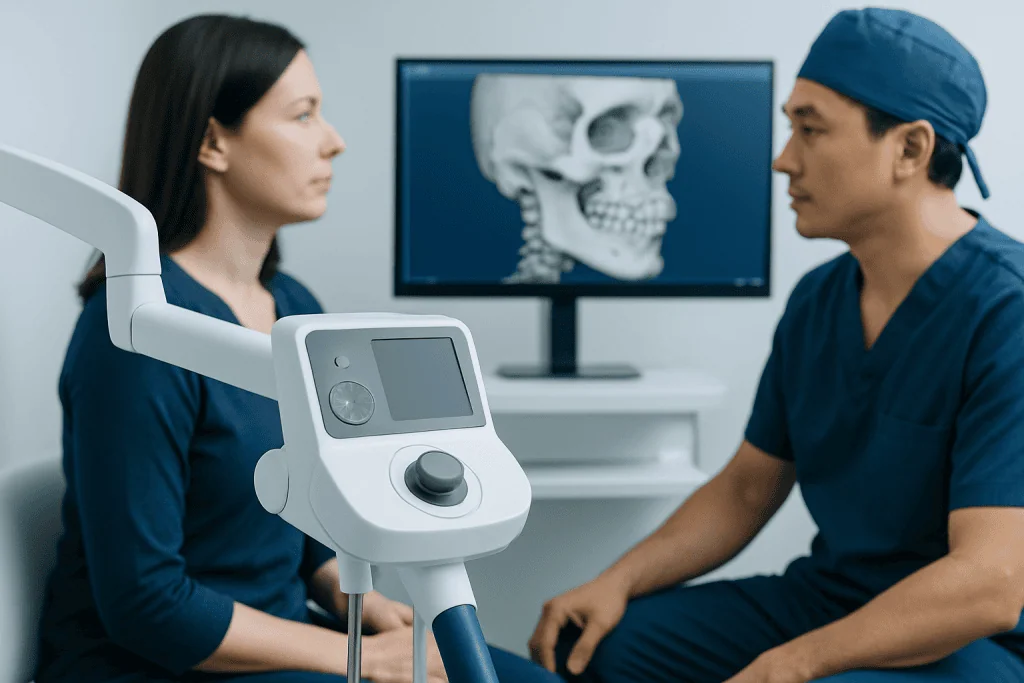
Orthognathic surgery, often called corrective jaw surgery, changes the position of the upper jaw, lower jaw or both jaws to improve how the teeth meet and how the jaws function. It may be recommended for a significant skeletal mismatch that cannot be corrected by braces alone. Depending on the individual, treatment may aim to improve chewing, speech, facial balance, chronic bite-related strain or breathing affected by jaw structure.
Care is usually planned jointly by an orthodontist and an oral and maxillofacial surgeon. The team assesses the bite, facial proportions, tooth position, jaw joints and airway-related symptoms when relevant. Photographs, dental scans, X-rays and three-dimensional imaging can help the team model jaw movement and explain the planned change.
Braces or clear orthodontic appliances may be used to place the teeth in their correct positions within each jaw before surgery. This preparation is important because surgery moves the jaw bones, while orthodontics aligns the teeth. In some cases, the bite may appear less even during this phase before the final surgical correction is completed.
Who May Be a Candidate for Orthognathic Surgery?

Potential candidates usually have a confirmed jaw-position difference that causes functional concerns or a substantial bite discrepancy. Examples include an underbite, overbite, open bite, facial asymmetry, difficulty chewing or speech concerns related to jaw alignment. A specialist assessment is needed because similar symptoms can sometimes have dental, joint or airway causes that require a different approach.
Is 30 too late for jaw surgery?
No. Being 30 is not generally too late for jaw surgery, and many adults have treatment after skeletal growth is complete. Candidacy depends more on the jaw condition, dental and gum health, general health, healing factors, nicotine use, treatment goals and willingness to complete the orthodontic and recovery phases.
A clinical team will also consider whether the teeth are stable, whether gum disease or tooth decay needs treatment first, and whether medical conditions are well managed. People with sleep-related breathing symptoms may need additional assessment, such as a sleep evaluation, before deciding whether jaw surgery is appropriate.
Step by Step: What Happens During the Procedure
Before surgery, the team confirms the treatment plan, reviews imaging and discusses anesthesia, diet, medicines and recovery arrangements. Orthognathic surgery is performed under general anesthesia. Most incisions are made inside the mouth, which usually avoids visible facial scars, although the exact approach depends on the planned procedure.
During surgery, the surgeon carefully divides the relevant jaw bone, moves it into the planned position and stabilizes it with small plates and screws. A surgical splint and orthodontic elastics may help guide the bite as it heals. The main stages commonly include:
- Preoperative planning and confirmation of jaw movements.
- Repositioning of the upper jaw, lower jaw or both, as needed.
- Fixation with plates and screws to hold the bones in position.
- Early monitoring in hospital and instructions for diet, oral hygiene and activity.
The length of surgery and whether an overnight hospital stay is needed depend on the procedures performed, health needs and the care team’s protocol. The surgeon can explain what applies to the individual plan and whether any additional facial procedures are being considered.
Recovery Timeline and Follow-Up
During the first several days after surgery, swelling, bruising, tiredness, nasal congestion after upper-jaw procedures and discomfort are common. The care team provides instructions for pain relief, oral hygiene, swelling management and a liquid or blended diet. It is important to follow these directions closely, especially regarding nutrition and cleaning around the teeth and gums.
Many people gradually return to light daily activities within the early recovery period, but the timing varies. Diet texture is advanced in stages as advised by the surgeon, and strenuous exercise or contact activities may need to be avoided until healing is sufficiently established. Follow-up visits allow the team to check the bite, incision sites, swelling and jaw stability.
Initial healing generally continues over several weeks, while bone healing, facial swelling resolution and bite settling can continue for months. Orthodontic treatment is often resumed or adjusted after surgery to refine the final bite. Patients should keep all planned appointments and report concerns such as worsening pain, drainage, fever or a sudden change in the bite.
Benefits, Risks and Informed Decisions
For appropriately selected patients, orthognathic surgery may improve the ability to bite and chew, help create a more stable bite and improve facial symmetry. It can also be part of treatment for selected people with airway obstruction related to jaw position. The expected benefit is individual, so the team should explain which symptoms surgery is likely to address and which concerns may need separate care.
Is jaw surgery very risky?
Jaw surgery is a major procedure, so it is not risk-free, but it is carefully planned and performed by specialist teams. Possible risks include bleeding, infection, unfavorable healing, changes in sensation of the lips, chin or gums, bite changes, jaw-joint symptoms, relapse of jaw position and risks related to general anesthesia. Changes in sensation are often temporary, but in some people they may persist.
Upper-jaw surgery can affect the nose or sinus area, while lower-jaw surgery has particular nerve-related considerations. In some cases, further orthodontic adjustment or additional treatment is needed. A clear discussion of benefits, alternatives and personal risk factors helps patients make a decision based on their own health needs rather than cost alone.
Paying for Care and Insurance Planning
How do people afford jaw surgery?
People use different approaches depending on their health system and personal circumstances. These may include insurance coverage for medically necessary treatment, staged payment arrangements offered by a provider, personal savings, approved health spending accounts where available, or carefully reviewed financing options. Before using credit or a loan, patients should understand interest, repayment terms and whether the arrangement covers all parts of care, including orthodontics and hospital services.
How to get orthognathic surgery covered by insurance?
Coverage commonly depends on whether the insurer considers surgery medically necessary rather than primarily cosmetic. Patients can ask their insurer for the written policy criteria, confirm network requirements, and request prior authorization before scheduling surgery. Supporting documentation may include specialist examinations, orthodontic records, photographs, imaging, bite measurements and sleep-study findings when breathing concerns are relevant. It is wise to obtain coverage decisions in writing, check benefits for each provider and appeal through the plan’s process if a claim is denied.
When to Seek Medical Care
People should arrange a dental or specialist assessment if they have persistent difficulty chewing, a bite that does not meet properly, jaw asymmetry, speech concerns related to jaw position, recurring bite-related tooth damage or sleep-related breathing symptoms. A prompt assessment is also appropriate when jaw pain, clicking or limited opening is affecting daily life, although these symptoms do not always mean surgery is needed.
After jaw surgery, patients should contact their surgical team promptly for increasing swelling, fever, foul-tasting drainage, uncontrolled pain, persistent vomiting, a sudden bite change or trouble taking fluids. Difficulty breathing, heavy bleeding or rapidly worsening facial swelling requires urgent emergency care. For international patients, Acibadem International’s multidisciplinary specialists at JCI-accredited hospitals diagnose and treat jaw conditions and can help coordinate appropriate clinical assessment.
Frequently asked questions
What is the difference between orthodontics and orthognathic surgery?
Orthodontics moves teeth within the jaw bones, while orthognathic surgery changes the position of the jaw bones themselves. Many patients need both because aligning the teeth helps create a stable bite after the jaws are repositioned.
Does insurance cover braces before and after jaw surgery?
Orthodontic coverage may be separate from coverage for hospital-based jaw surgery, even when surgery is approved as medically necessary. Patients should ask their insurer and orthodontic provider which stages are covered and whether annual or lifetime limits apply.
How long might someone be away from work or school after jaw surgery?
The needed time varies with the procedure, recovery progress and the physical demands of work or school. Many people need a period of reduced activity during early healing, while full recovery and dietary progression continue over a longer timeframe.
Will numbness after jaw surgery go away?
Temporary numbness or altered sensation, especially in the lower lip and chin after lower-jaw surgery, can occur because nerves are close to the surgical area. Sensation often improves as healing progresses, but a degree of altered sensation can persist for some patients.
Can orthognathic surgery help obstructive sleep apnea?
For selected people whose airway obstruction is related to jaw position, jaw surgery may be considered as part of treatment. A sleep specialist and surgical team should assess the cause and severity of sleep apnea before recommending any procedure.
What should patients ask for in a jaw surgery estimate?
Patients can ask for an itemized estimate covering surgical fees, anesthesia, hospital services, imaging, orthodontics, follow-up care and any anticipated additional procedures. They should also ask what insurance approval is assumed, what is excluded and whom to contact if the plan or estimate changes.
References
- American Association of Oral and Maxillofacial Surgeons
- American Association of Orthodontists
- National Health Service
- National Institute of Dental and Craniofacial Research
This article is for general information only and is not a substitute for professional medical advice. Please consult a qualified doctor about your individual situation.
Explore treatments in Turkey — costs, top hospitals & a free quote
JCI-accredited · board-certified surgeons · reply within 24h
Add us as a Preferred Source to see more of our trusted health content across Google Search, AI Overviews and Discover.