Does Radiation Make You Tired: How It Works, Results and What to Expect
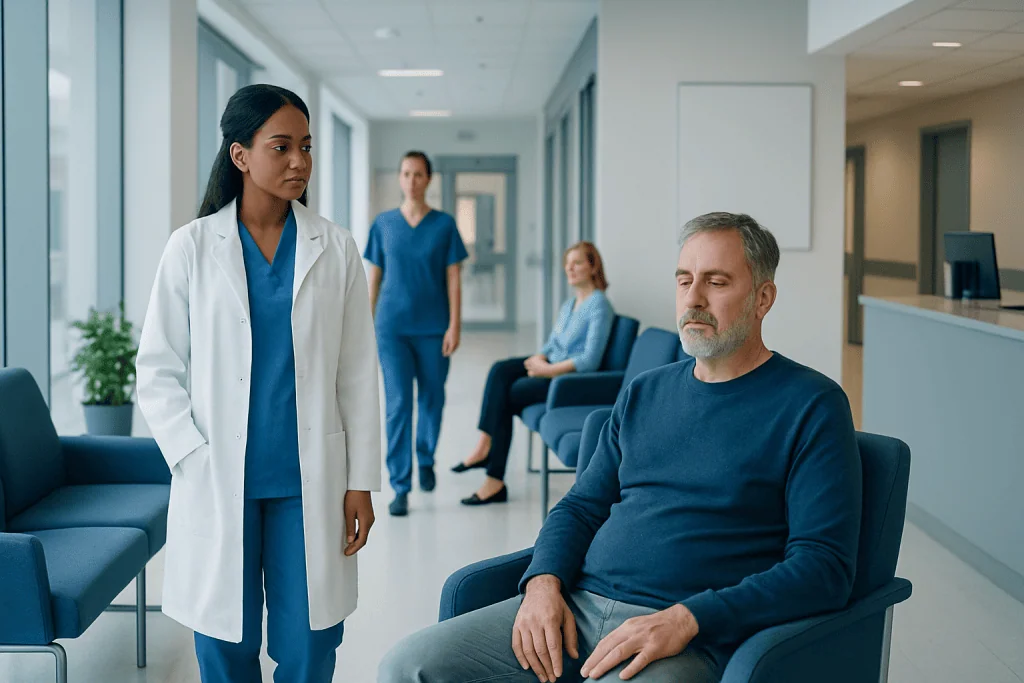
Radiation fatigue is common and may feel different from ordinary tiredness because rest does not always fully relieve it. Fatigue often increases over the course of treatment and usually starts to improve within weeks after treatment, although recovery varies.
Key Takeaways
- Radiation fatigue is common and may feel different from ordinary tiredness because rest does not always fully relieve it.
- Fatigue often increases over the course of treatment and usually starts to improve within weeks after treatment, although recovery varies.
- Skin changes and fatigue are among the most common general side effects, but effects depend strongly on the body area treated.
- Keeping appointments, pacing activities, staying hydrated, eating regularly, and reporting new symptoms can support recovery.
- Severe, sudden, or worsening fatigue should be discussed with the cancer care team because treatable causes such as anemia, infection, pain, or medication effects may be involved.
Yes, radiation therapy can make a person feel tired. This common effect may develop gradually during treatment and can reflect the body’s repair response, travel and appointment demands, emotional stress, sleep disruption, nutrition changes, or other health factors.
Overview: Does Radiation Make You Tired?
Yes. Radiation therapy can make a person tired, and this is often called radiation fatigue. It may begin after several treatments, build gradually over the treatment course, and feel like a persistent lack of energy that is not completely relieved by sleep.
Radiation uses carefully planned high-energy beams or particles to damage cancer cells so they can no longer grow and divide. Healthy cells near the treatment area can also be temporarily affected, and the body uses energy to repair them. Fatigue can also be influenced by the cancer itself, surgery, chemotherapy or immunotherapy, pain, poor sleep, worry, reduced activity, changes in appetite, anemia, and the practical demands of daily treatment visits.
Not everyone develops significant fatigue, and its severity is not a measure of whether radiation is working. The experience differs according to the treatment area, total treatment plan, other medicines and treatments, and a person’s general health. The radiation oncology team can help identify contributing factors and offer practical support.
How Radiation Therapy Works and Who May Need It
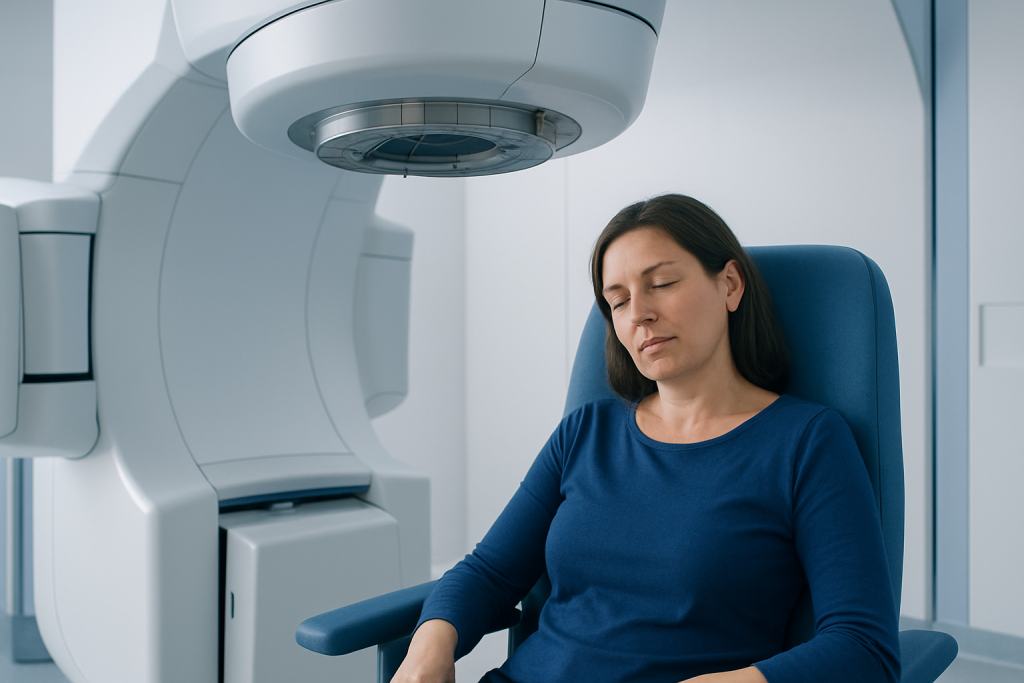
Radiation therapy is a local cancer treatment, meaning it is directed at a defined area of the body. Before treatment starts, specialists create an individualized plan designed to deliver an effective dose to the target while reducing exposure to nearby healthy tissues. External-beam radiation is the most common approach; some cancers may also be treated with internal radiation, known as brachytherapy.
A person may receive radiation to treat a cancer with curative intent, reduce the chance of cancer returning after surgery, shrink a tumor before another treatment, or relieve symptoms caused by cancer. It may be used alone or alongside surgery, systemic treatment, or both. Whether radiation is appropriate depends on the cancer type, location, stage, previous treatments, overall health, and personal treatment goals.
Candidacy is assessed by a radiation oncologist in collaboration with other members of the cancer team. The consultation includes discussion of expected benefits, likely short- and long-term effects, alternatives, and how treatment may fit around work, family responsibilities, travel, and other medical needs.
What Happens During Radiation Treatment?

Radiation treatment usually begins with a planning appointment called simulation. Imaging, often CT scanning, helps the team map the treatment area. Small positioning marks, a custom support device, or a mask for head and neck treatment may be used to help reproduce the same position accurately at every session.
Doctors, medical physicists, and dosimetrists use the planning images to design the radiation fields and protect normal tissues where possible. This preparation can take days to weeks, depending on the clinical situation. Patients are then given a schedule, which may range from one treatment to daily weekday sessions over several weeks.
For external-beam radiation, the actual treatment is painless and generally lasts only a few minutes, although positioning may take longer. The patient lies still while the machine moves around them; the radiation therapists monitor from another room and can communicate throughout. A person is not radioactive after external-beam radiation and can safely be around family and friends.
Weekly reviews commonly take place during the course to monitor side effects, including fatigue, skin changes, swallowing or bowel symptoms, and emotional wellbeing. Reporting concerns early allows the team to adjust supportive care promptly.
What Are the Two Most Common Side Effects of Radiation?
For many people receiving external-beam radiation, fatigue and skin changes in the treated area are the two most commonly reported general side effects. Skin may become pink, dry, itchy, tender, or darker in tone, similar to a sunburn. These effects are usually limited to the area receiving radiation and often appear gradually after treatment has started.
Other effects depend on the body part treated. Radiation to the head and neck can affect the mouth, throat, taste, saliva, or swallowing. Treatment to the chest may cause temporary throat irritation or cough, while treatment to the abdomen or pelvis can affect bowel or bladder habits. The care team explains the side effects most relevant to the individual plan before treatment begins.
Most early side effects are temporary and can be managed with supportive care. Longer-term effects are less common but may occur, which is why follow-up care matters. Patients should avoid applying creams, supplements, or skin products to the treatment area unless their radiation team has confirmed they are appropriate.
How Long Does It Take for Radiation Fatigue to Go Away?
Radiation fatigue commonly improves gradually after treatment ends, often over several weeks. Some people feel more tired for a short period immediately after the final session because the body is still responding to treatment. Others recover energy more slowly, particularly if they have had chemotherapy, major surgery, ongoing pain, anemia, sleep problems, or advanced cancer.
There is no single recovery timeline. A useful approach is to notice whether energy is gradually improving rather than expecting an immediate return to usual activity. Keeping a simple record of fatigue, sleep, appetite, and activity can help the clinical team recognize patterns and address possible causes.
If tiredness continues for months, becomes more intense, or interferes substantially with eating, walking, self-care, or daily responsibilities, it should be assessed. Blood tests or a review of medicines, mood, nutrition, sleep, pain, thyroid function, and other health conditions may identify factors that can be treated.
What I Wish I Knew Before Radiation?
Many patients find it helpful to know that radiation itself is not felt during an external-beam treatment session. The process is carefully planned, treatment staff provide clear positioning instructions, and there is regular contact with the team. However, side effects commonly develop over time rather than on the first day, so it is useful to plan ahead for changing energy levels.
Practical preparation can make treatment more manageable. People may wish to arrange help with transport, meals, childcare, or demanding tasks, especially later in the treatment course. Wearing comfortable clothing, bringing questions to appointments, and keeping the care team informed about new symptoms can reduce uncertainty.
It is also important to understand that maintaining some gentle movement, when medically safe, can support function and sleep even when a person feels tired. This does not mean pushing through exhaustion. The goal is balanced activity, regular rest, and realistic expectations while the body recovers.
Each treatment plan is different. Written instructions from the radiation oncology team take priority over general information because recommendations for skin care, exercise, diet, sexual health, work, and travel may depend on the treatment site and other medical treatments.
What Not to Do After Radiation Treatment?
After radiation treatment, patients should not ignore new, severe, or worsening symptoms, and they should not assume every symptom is simply part of recovery. They should continue attending follow-up visits and contact the team before starting new medicines, supplements, or topical skin products that could interfere with care or irritate treated skin.
It is generally wise to avoid exposing the treated skin to strong sunlight, very hot water, heating pads, ice packs, friction, adhesive tapes, or harsh fragranced products unless the treatment team advises otherwise. Treated skin may be more sensitive for a period of time. Loose clothing and gentle cleansing are often more comfortable.
People should also avoid overexertion when fatigue is significant. A gradual return to normal routines is usually preferable to trying to make up for missed activity all at once. Alcohol, smoking, and poor nutrition can make recovery more difficult; individualized advice is especially important for people receiving treatment for head and neck, lung, digestive, or pelvic cancers.
Radiation teams may recommend specific follow-up care based on the treatment area. Acibadem International’s multidisciplinary specialists and JCI-accredited hospitals support international patients receiving cancer diagnosis and treatment, including coordinated radiation oncology care.
When to Seek Medical Care
Patients should contact their radiation oncology team promptly if fatigue suddenly worsens, prevents basic self-care, is accompanied by fever, shortness of breath, chest pain, dizziness, fainting, confusion, or new weakness, or occurs with poor fluid intake. These symptoms can have causes other than radiation fatigue and may need timely assessment.
Medical advice is also important for severe skin pain, blistering, drainage, increasing redness, signs of infection, uncontrolled nausea or vomiting, ongoing diarrhea, painful urination, bleeding, or symptoms that make it difficult to eat or drink. The team can advise whether same-day review, urgent care, or emergency assessment is appropriate.
For nonurgent concerns, patients should mention persistent sleep disruption, low mood, anxiety, appetite changes, pain, or difficulty managing everyday activities at their next review, or sooner if these are troubling. Supportive care is an important part of radiation treatment and recovery.
Frequently asked questions
Does radiation make you tired right away?
Usually, radiation fatigue does not start immediately after the first treatment. It often develops gradually over days or weeks as treatment continues, although some people feel tired earlier because of stress, travel, disrupted sleep, or other cancer treatments. The pattern varies from person to person.
How long does it take for radiation fatigue to go away?
Many people notice improvement within several weeks after radiation ends. Recovery can take longer when fatigue is affected by chemotherapy, anemia, pain, poor sleep, nutrition problems, or another medical condition. Persistent or worsening fatigue should be discussed with the cancer care team.
What are the two most common side effects of radiation?
Fatigue and skin changes in the treatment area are among the most common side effects of external-beam radiation therapy. Skin reactions can include redness, dryness, itchiness, tenderness, or darkening. Other effects depend on the part of the body being treated.
What I wish I knew before radiation?
Many patients find it reassuring to know that external-beam radiation is painless during delivery and that side effects typically build gradually rather than appearing all at once. Planning for rest, transport, meals, and support at home can be helpful. The treatment team can explain what is most likely for the specific treatment area.
What not to do after radiation treatment?
Avoid irritating treated skin with harsh products, strong sun exposure, heat or ice packs, and friction unless the radiation team says these are safe. Do not push through severe fatigue or ignore new symptoms. It is also important to ask the care team before using new supplements, medicines, or topical products.
Is radiation fatigue a sign that treatment is working?
No. Fatigue does not show whether radiation is or is not working. It is a common body response that can result from treatment, cancer, emotional stress, sleep changes, and other factors. Treatment response is assessed through clinical reviews, imaging, laboratory tests, or other follow-up methods chosen by the oncology team.
References
- National Cancer Institute
- American Cancer Society
- American Society for Radiation Oncology
- Macmillan Cancer Support
- National Health Service
This article is for general information only and is not a substitute for professional medical advice. Please consult a qualified doctor about your individual situation.
Oncology care in Turkey — second opinion and treatment plan
JCI-accredited · board-certified surgeons · reply within 24h
Add us as a Preferred Source to see more of our trusted health content across Google Search, AI Overviews and Discover.

More from the Health Library


Related Specialists

Dr. Ayşe Özdemir
Dermatology
Selvî Yüce
Physical Medicine & Rehabilitation
Dr. Melike Erdener Çalışkan
Anesthesiology
Fzt. Kezban Ataş
Physical Medicine & Rehabilitation