

Flap Surgery: Procedure, Recovery and Results

Flap surgery transfers living tissue with a blood supply, unlike a skin graft, which relies on the wound bed to develop a new blood supply. The type of flap depends on the wound’s size, location, depth, blood flow and the patient’s overall health.
Key Takeaways
- Flap surgery transfers living tissue with a blood supply, unlike a skin graft, which relies on the wound bed to develop a new blood supply.
- The type of flap depends on the wound’s size, location, depth, blood flow and the patient’s overall health.
- Early monitoring is important because blood-flow problems can affect a flap, particularly in the first days after surgery.
- Initial healing often takes weeks, while swelling, scar maturation and final functional recovery may continue for months.
- Pain is usually manageable with an individualized plan, and following wound-care and activity instructions supports recovery.
Flap surgery is a reconstructive procedure that moves living tissue, along with some or all of its blood supply, from one area of the body to another. It may help close complex wounds, restore tissue after cancer surgery or injury, and improve function as well as appearance.
Overview: What Is Flap Surgery?
Flap surgery is a reconstructive operation in which a surgeon moves healthy tissue from one part of the body to another while preserving or reconnecting its blood supply. The transferred tissue may include skin and fat alone, or it may also include muscle, fascia, bone, cartilage or nerve tissue. This makes flap surgery particularly useful when a wound is deep, exposed structures need coverage, or nearby tissue has been damaged by trauma, infection, radiation or previous surgery.
Skin flap surgery differs from a skin graft. A graft is removed completely from its original blood supply and placed on a prepared wound, where it must establish a new blood supply. A flap brings its own circulation or is connected to blood vessels at the new site, which can provide more durable coverage for complex defects.
Flaps may be local, meaning tissue is moved from near the wound; regional, meaning tissue is rotated or transferred from a nearby body region; or free, meaning tissue is fully detached and reconnected to blood vessels using microsurgery. The most suitable approach is individualized after careful surgical assessment.
How Flap Surgery Works and Who May Be a Candidate
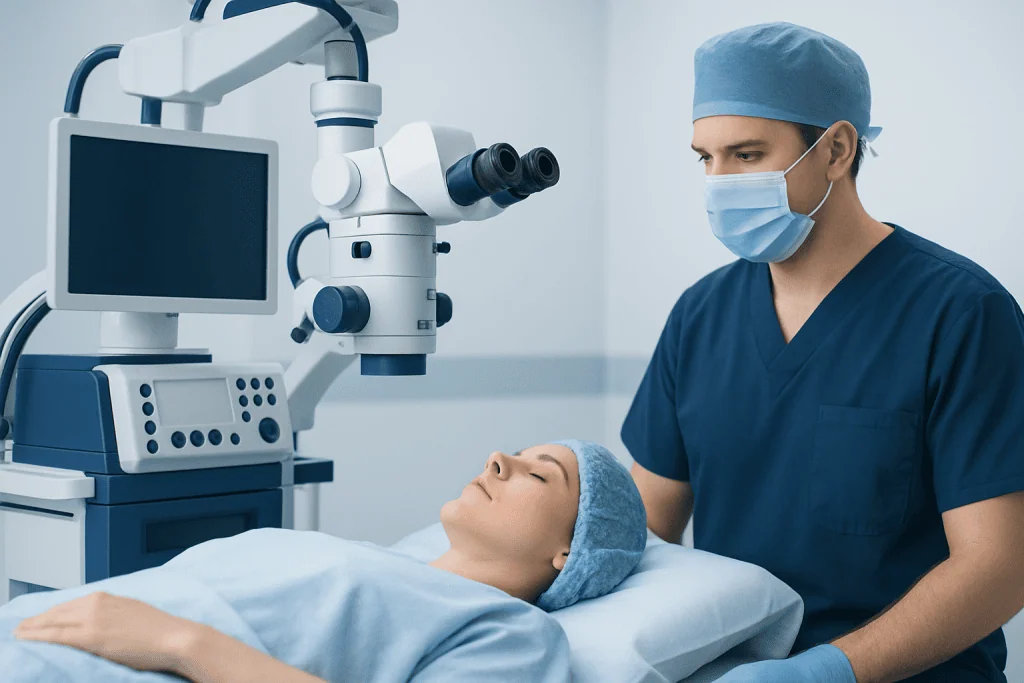
The central principle of flap surgery is reliable blood flow. The surgeon selects tissue that can safely reach the area requiring reconstruction and that has an appropriate thickness, texture and function for the purpose. For example, a facial wound may require thin, flexible tissue, while a lower-leg wound with exposed tendon or bone may require more robust coverage.
People may be considered for flap reconstruction after cancer removal, serious injury, burns, pressure injuries, chronic wounds, infection-related tissue loss, or surgery in an area with limited healthy tissue. It may also be used in breast reconstruction and in reconstructive procedures involving the head and neck, hands, legs or abdomen.
Suitability depends on the wound and on general health. Surgeons consider circulation, diabetes control, smoking or nicotine use, nutrition, medications, prior radiation, infection, blood-clotting risks and the availability of donor tissue. Some patients need wound preparation, treatment of infection, or medical optimization before reconstruction can proceed.
- Local flaps are often used for smaller defects near the surgical area.
- Pedicled flaps remain attached to their original blood vessels while being moved into place.
- Free flaps are transferred to a separate body area and connected to recipient vessels under magnification.
What Happens During a Flap Procedure?
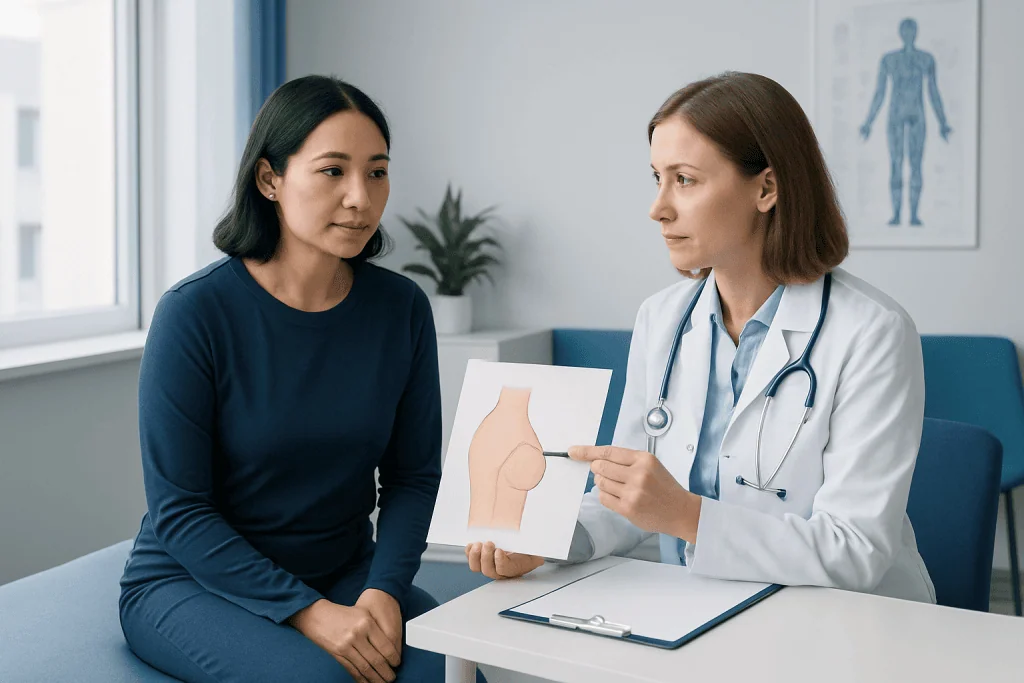
Before surgery, the reconstructive team assesses the wound, reviews imaging and medical history where needed, and plans both the recipient site and donor site. The procedure is usually performed under general anesthesia for larger reconstructions, although some smaller local flap procedures may be possible with local anesthesia and sedation.
First, the surgeon removes unhealthy tissue if necessary and prepares the wound. Next, the planned flap is raised carefully with the blood vessels that nourish it. A local or pedicled flap is moved into the defect while maintaining its vascular connection. In free flap surgery, the flap is detached and the surgeon connects its tiny arteries and veins to vessels near the reconstruction site using microsurgical techniques.
The flap is shaped and secured to provide coverage without excess tension. The donor site may be closed directly, reconstructed with a skin graft, or managed with dressings depending on its size and location. Drains may be placed temporarily to reduce fluid collection. After surgery, the team checks the flap regularly for color, warmth, swelling and blood flow.
Benefits, Limits and Possible Risks
A successful flap can close a difficult wound with well-vascularized tissue, protect exposed bone, tendon, nerves or implants, and help preserve movement or other function. It can also restore contour and appearance after tissue removal. Compared with simpler closure techniques, flap reconstruction can sometimes offer more durable coverage in areas with poor local healing conditions.
Like all surgery, flap procedures have potential risks. These include bleeding, infection, wound separation, fluid collection, scarring, numbness, delayed healing, donor-site problems and complications related to anesthesia. A flap may develop reduced arterial inflow or venous drainage, which can threaten tissue survival and may require urgent assessment or further surgery.
Not every flap heals in the same way or produces the same cosmetic result. Previous radiation treatment, vascular disease, diabetes, active infection and nicotine exposure can increase the chance of complications. Surgeons discuss anticipated benefits, alternatives and individual risks before recommending a procedure.
Recovery Timeline and Aftercare
Recovery after flap surgery varies substantially according to the flap type, body area, size of the reconstruction and a person’s health. A small local skin flap may be managed as an outpatient procedure, while free-flap reconstruction commonly requires a hospital stay for frequent circulation checks. The first several days are especially important because this is when blood-flow complications are most likely to be identified.
In the first one to two weeks, patients may have swelling, bruising, tightness, drainage and limited movement around the surgical area. Dressings, drains and stitches are managed according to the surgical plan. The care team may recommend elevation, positioning instructions, activity restrictions, compression in selected cases, and rehabilitation to protect the reconstruction and restore movement safely.
Patients should avoid smoking, vaping and other nicotine products unless their treating clinician specifically advises otherwise, because nicotine can reduce blood flow and impair healing. A balanced diet with sufficient protein and fluids, good diabetes management where relevant, and attending follow-up visits are practical parts of recovery. Acibadem International’s multidisciplinary specialists and JCI-accredited hospitals provide reconstructive assessment and follow-up care for international patients.
How Long Does It Take to Heal From Flap Surgery?
Early wound healing generally takes several weeks, but complete recovery from flap surgery often takes longer. Many incisions have meaningful initial healing by about two to six weeks, depending on the procedure and location. More extensive reconstructions may require several months before swelling settles, strength returns and scars mature.
The flap and donor site may heal at different rates. A person may feel well enough for light daily activities relatively soon, yet still need restrictions on lifting, exercise, pressure on the area or certain movements. Return to work depends on the physical demands of the role and should be guided by the surgeon.
Regular follow-up allows the team to assess circulation, healing, scar changes and function. Rehabilitation may be important after procedures involving a limb, face, breast, abdomen or areas where mobility is affected. Patients should follow their own surgeon’s timetable rather than comparing recovery with someone else’s.
Why Is Day 3 the Hardest After Surgery?
Some people find the second or third day after surgery more uncomfortable than the first day. Anesthetic medicines and medications given during the procedure have worn off, while normal inflammation, swelling and stiffness may become more noticeable. Reduced mobility, sleep disruption and the practical adjustment to dressings or drains can also make this stage feel challenging.
This pattern is not universal, and increasing discomfort should not simply be ignored. Pain that is severe, suddenly worsening or not controlled by the prescribed plan deserves medical advice. The same is true of a flap that becomes unusually pale, blue, cool, very swollen, increasingly dark, or develops new drainage or odor.
Taking prescribed medicines as directed, resting in the recommended position, maintaining hydration and asking for help with routine tasks can make the early recovery period more manageable. The surgical team can adjust the care plan if pain, nausea, constipation or other postoperative symptoms are difficult to manage.
What Is the Success Rate of Skin Flap Surgery?
There is no single success rate for skin flap surgery because outcomes vary by flap type, surgical site, reason for reconstruction, blood-vessel quality, prior treatments and overall health. Many flaps heal successfully when appropriately planned, performed and monitored, but no procedure can guarantee flap survival or a particular cosmetic or functional outcome.
Local flaps, pedicled flaps and free flaps have different technical demands and risk profiles. In free-flap surgery, early monitoring is designed to detect circulation problems quickly, as timely intervention may help protect the reconstruction. The surgeon can explain expected outcomes based on the specific operation rather than relying on a general number.
Preparation matters. Avoiding nicotine, controlling chronic conditions, addressing infection, following activity restrictions and attending appointments all help support the best possible healing environment. If a complication occurs, treatment may range from dressing changes and antibiotics to procedures that improve drainage, blood supply or wound coverage.
How Painful Is a Flap Procedure?
Flap surgery can cause pain, tenderness, tightness and swelling at both the reconstructed area and the donor site. The degree of discomfort depends on the size and location of the flap, the type of anesthesia, whether muscle or bone was involved, and each person’s pain sensitivity. For many patients, the donor site can be as noticeable as the flap site during early healing.
Pain is typically managed with a personalized combination of approaches. These may include prescribed pain medicines, non-opioid options when appropriate, local or regional anesthesia techniques, positioning, ice only if specifically approved, and gradual activity. Patients should not add over-the-counter medicines or supplements without checking with their clinical team, since some can affect bleeding or healing.
New burning pain, spreading redness, rapidly increasing pressure, loss of sensation, fever or pain that becomes worse instead of gradually improving should be reported. Prompt review is particularly important after a free flap or any reconstruction where circulation must be protected.
When to Seek Medical Care
Patients should contact their surgical team promptly if they notice a sudden change in the flap’s color or temperature, increasing swelling, new bleeding, wound opening, pus-like drainage, a foul odor, fever, or pain that is severe or escalating. These symptoms do not always mean a serious complication, but early assessment can be important after reconstructive surgery.
Emergency care is appropriate for severe shortness of breath, chest pain, fainting, uncontrolled bleeding, or symptoms of a severe allergic reaction. People with diabetes, poor circulation or immune suppression should have a low threshold for seeking advice about a wound concern.
For planned reconstruction, a consultation with a plastic and reconstructive surgeon helps clarify whether flap surgery is needed or whether another option, such as direct closure, skin grafting or staged wound care, may be more appropriate. The final plan should reflect the person’s medical needs, recovery goals and preferences.
Frequently asked questions
What is the difference between a flap and a skin graft?
A flap is tissue moved with its own blood supply preserved or surgically reconnected. A skin graft is completely separated from its original blood supply and must receive new circulation from the wound bed. Flaps are often used when a wound is deeper or needs stronger, better-vascularized coverage.
Will a flap procedure leave scars?
Yes, flap surgery creates scars at the reconstruction site and usually at the donor site. Scars often appear more noticeable early on and gradually soften and fade over months. The surgeon may recommend scar care after the incisions have healed sufficiently.
How long will I stay in hospital after flap surgery?
The length of stay depends on the operation. Smaller local flaps may be treated as an outpatient procedure, while larger or microsurgical free flaps often require several days of inpatient monitoring. The care team will explain the expected plan before surgery.
Can smoking affect flap surgery recovery?
Yes. Smoking, vaping and other nicotine exposure can constrict blood vessels and reduce tissue oxygen delivery, increasing the risk of poor wound healing and flap complications. Patients should discuss a safe nicotine-cessation plan with their clinician well before surgery.
Can a flap fail after surgery?
A flap can develop blood-flow problems, particularly soon after surgery, and this may threaten part or all of the transferred tissue. Surgical teams monitor flaps closely for early signs such as color, temperature and swelling changes. Prompt assessment can be important if a concern develops.
When can I exercise after flap surgery?
The timing depends on the location and extent of reconstruction. Gentle walking may be encouraged early in many cases, but lifting, stretching, impact exercise and pressure on the flap may need to be avoided for longer. Patients should restart exercise only according to their surgeon’s instructions.
References
- American Society of Plastic Surgeons
- American College of Surgeons
- National Institute of Diabetes and Digestive and Kidney Diseases
- MedlinePlus
- Mayo Clinic
This article is for general information only and is not a substitute for professional medical advice. Please consult a qualified doctor about your individual situation.
Oncology care in Turkey — second opinion and treatment plan
JCI-accredited · board-certified surgeons · reply within 24h

More from the Health Library
Related Specialists

Prof. Dr. Rezan Topaloğlu
Pediatric Nephrology
Fzt. Tuğçe Kahraman
Physical Medicine and Rehabilitation
Dr. Hasan Yeşilkaya
Internal Medicine
Dr. Özlem Bodur Yalçın
Internal Medicine