How Does a Bone Marrow Transplant Work: Procedure, Recovery and Results

A bone marrow transplant is usually an infusion of stem cells through a vein, rather than an operation on the bone. Transplants may use a person's own stem cells or cells from a compatible donor.
Key Takeaways
- A bone marrow transplant is usually an infusion of stem cells through a vein, rather than an operation on the bone.
- Transplants may use a person's own stem cells or cells from a compatible donor.
- Preparation treatment creates space for new cells and may treat the underlying disease, but it can temporarily weaken immunity.
- Recovery is gradual and requires close monitoring for infection, bleeding, graft-versus-host disease and other complications.
- Many people return to active daily lives after recovery, although follow-up care and some precautions may continue long term.
A bone marrow transplant, also called a hematopoietic stem cell transplant, works by giving healthy blood-forming stem cells to a person whose bone marrow is not making healthy blood cells or needs to be replaced after intensive treatment. The new cells travel through the bloodstream to the bone marrow, where they can begin producing red blood cells, white blood cells and platelets.
How does a bone marrow transplant work?
Bone marrow is the soft tissue inside certain bones where blood-forming stem cells produce red blood cells, white blood cells and platelets. A bone marrow transplant replaces or restores these stem cells when the marrow has been damaged by disease, intensive chemotherapy or radiation, or when it produces abnormal cells.
Despite its name, the transplant is usually not a surgical procedure involving the bones. Healthy stem cells are delivered through an intravenous line, much like a blood transfusion. They circulate in the bloodstream, travel to the bone marrow spaces and begin the process of making new blood cells. This process is called engraftment.
There are two main approaches. In an autologous transplant, doctors collect and store the person’s own stem cells before high-dose treatment, then return them afterward. In an allogeneic transplant, cells come from a compatible donor, such as a relative, an unrelated volunteer donor, or sometimes cord blood. An allogeneic transplant can also provide an immune effect against certain cancers, but it has additional immune-related risks.
Who may be a candidate for a bone marrow transplant?
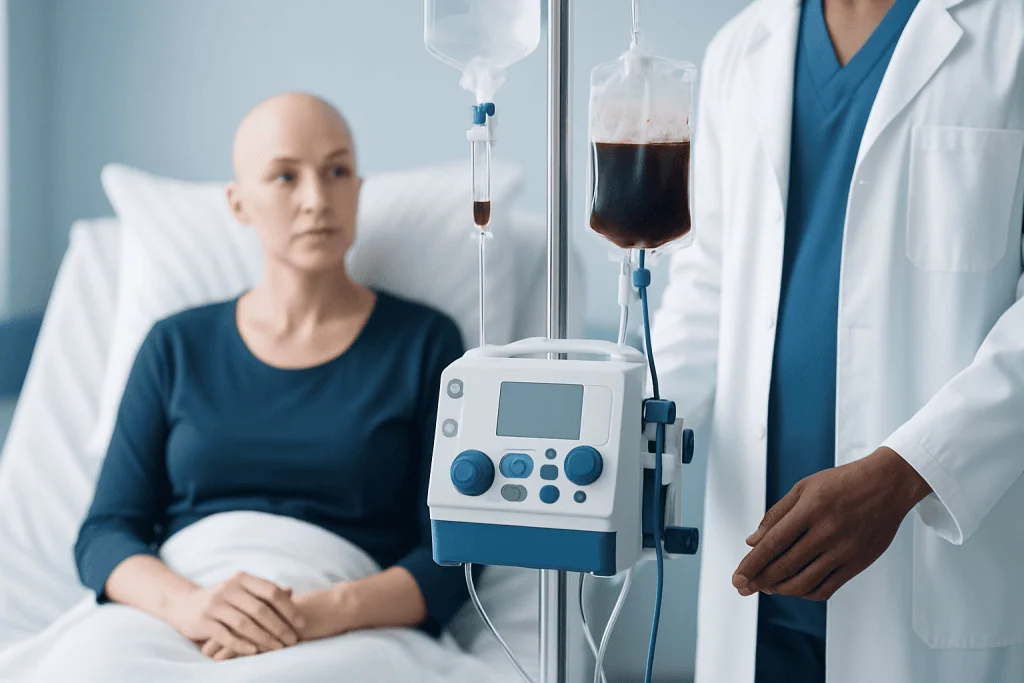
A transplant may be considered for blood cancers such as leukemia, lymphoma or multiple myeloma, as well as selected noncancerous conditions. These may include severe aplastic anemia, some inherited blood disorders, immune deficiencies and certain metabolic diseases. Whether transplantation is appropriate depends on the condition, its stage or response to treatment, and the expected benefit compared with other options.
Assessment is individualized. The transplant team considers age, general fitness, heart, lung, liver and kidney function, infection status, prior treatment, emotional support and the ability to attend frequent follow-up visits. Age alone does not determine eligibility; overall health and the type of transplant are often more important.
For donor transplantation, testing identifies the best available match, commonly using human leukocyte antigen (HLA) typing. A close match can lower some complications but does not eliminate them. The team also discusses alternatives, including standard therapy, targeted treatment, immunotherapy or supportive care where appropriate.
Bone marrow transplant procedure: step by step

Before transplantation, the patient has detailed blood tests, imaging and organ-function assessments. For an autologous transplant, stem cells are usually collected from the blood after medicines encourage them to move from the marrow into circulation. Donor stem cells are collected in a similar way in many cases; less often, they are collected directly from pelvic bone marrow under anesthesia.
Next comes conditioning. This may involve chemotherapy, radiation therapy, immune-suppressing medicines, or a combination of treatments. Conditioning can destroy diseased marrow or cancer cells, reduce the immune system’s ability to reject donor cells, and make room for incoming stem cells. The intensity varies: some patients need high-dose conditioning, while others may receive reduced-intensity treatment because of age, health or diagnosis.
On transplant day, thawed or freshly collected cells are infused through a central venous catheter. The infusion itself generally takes hours rather than days and is not usually painful. In the following weeks, frequent blood counts show whether engraftment is occurring. The period before white blood cells recover is especially important because infection and bleeding risks are higher.
Transplant care involves hematology, oncology, infectious disease, nursing, nutrition, pharmacy, psychology and rehabilitation support. Where appropriate, patients can learn more about bone marrow transplant treatment and the planning involved in a specialist transplant program.
Recovery timeline and follow-up care
Recovery differs substantially according to the underlying illness, transplant type, conditioning regimen and whether complications occur. During the first several weeks, many patients remain in hospital or attend a transplant center very frequently. Blood counts may be low, and transfusions, antimicrobial medicines, intravenous fluids, nutrition support and symptom treatment may be needed.
Engraftment often begins within weeks, although the exact timing varies. Early recovery commonly includes fatigue, appetite changes, nausea, mouth soreness, altered taste, diarrhea or constipation, and emotional strain. Even after blood counts improve, the immune system takes longer to rebuild. People receiving donor cells may need immune-suppressing medicines and monitoring for many months or longer.
In the first months, follow-up appointments may include blood tests, medication adjustments, infection surveillance and assessment of organ function. Vaccines generally need to be repeated on a carefully planned schedule because previous immune protection may no longer be reliable. The transplant team provides individualized guidance about food safety, visitors, travel, work and returning to exercise.
Recovery also includes practical and emotional support. Patients may benefit from help with transport, caregiving, nutrition and mental health during a demanding period. Acibadem International’s multidisciplinary specialists and JCI-accredited hospitals provide diagnosis and transplant care for international patients, with follow-up plans tailored to the person’s clinical needs.
What are the hardest days after a bone marrow transplant?
For many patients, the hardest days are often the period after conditioning and before engraftment, commonly during the first few weeks after the stem cell infusion. Blood counts can be at their lowest during this time, which can lead to profound tiredness and a greater need for monitoring, transfusions and infection prevention.
Side effects from conditioning can also peak then. These may include nausea, vomiting, diarrhea, mouth and throat inflammation, pain, poor appetite and changes in taste. Symptoms can usually be treated, and transplant teams closely monitor patients to adjust supportive care promptly.
For allogeneic transplant recipients, difficult periods can also occur later if graft-versus-host disease develops. In this condition, donor immune cells react against the recipient’s tissues. It may affect the skin, digestive system, liver, eyes, mouth or other organs, and should be assessed promptly by the transplant team.
What are the downsides of bone marrow transplant?
A bone marrow transplant can be life-saving or offer the best chance of long-term disease control for selected people, but it is intensive treatment with meaningful risks. Conditioning can cause short-term side effects, including fatigue, nausea, diarrhea, mouth sores, hair loss and temporary infertility. It can also affect organs such as the heart, lungs, liver or kidneys in some patients.
Low blood counts increase the risk of serious infection, bleeding and anemia until the new marrow begins working. Donor transplantation adds risks of graft rejection or graft failure and graft-versus-host disease. Some complications are treatable, but they may require prolonged medicines, hospital care or changes to the recovery plan.
Long-term concerns can include hormonal changes, infertility, cataracts, bone health changes, chronic graft-versus-host disease and a small risk of later cancers. The balance of risks and potential benefits is different for each diagnosis and transplant type. Before proceeding, patients should receive a clear explanation of realistic goals, alternatives and expected follow-up.
- Autologous transplant uses the person’s own cells and does not cause graft-versus-host disease.
- Allogeneic transplant can provide a donor immune effect against disease but requires immune compatibility assessment and closer immune monitoring.
- Supportive care before, during and after transplant is an essential part of reducing complications.
Can a person live normal life after a bone marrow transplant?
Many people can return to school, work, family activities, exercise and other meaningful routines after a bone marrow transplant. The pace of recovery varies, and it may take months to regain stamina and longer for the immune system to recover. Some people have ongoing symptoms or need continued treatment, particularly after a donor transplant.
A healthy long-term routine usually includes regular medical follow-up, recommended vaccinations, balanced nutrition, physical activity introduced gradually, good sleep and avoiding tobacco. The transplant team may advise periodic screening for late effects even when the person feels well.
Returning to normal does not necessarily mean returning immediately to every previous activity. The safest plan is individualized and may be adjusted based on blood counts, medicines, exposure risks and overall recovery. Rehabilitation and psychological support can help people rebuild confidence and function over time.
What can't you do after a bone marrow transplant, and when should medical care be sought?
During early recovery, patients are generally advised to avoid exposure to people who are ill, crowded indoor settings when infection risk is high, untreated water, raw or undercooked foods, and activities likely to cause cuts or injuries when blood counts are low. Gardening or handling soil, cleaning animal waste and contact with certain animals may also need to be limited because of exposure to microbes. Restrictions change as the immune system recovers, so the transplant team’s advice should guide daily decisions.
Alcohol, smoking and non-prescribed supplements should be discussed with the care team, since they can affect medicines, organs or recovery. Patients should not stop immune-suppressing or preventive medicines without medical guidance. Travel, dental procedures, vaccines and return to work should also be planned with the transplant team.
Medical care should be sought urgently for fever or chills, new cough or shortness of breath, chest pain, severe vomiting or diarrhea, inability to keep fluids down, unusual bleeding or bruising, confusion, severe headache, a new rash, yellowing of the eyes or skin, or a sudden worsening in how the person feels. These symptoms do not always indicate a serious complication, but early assessment is important after transplantation.
Frequently asked questions
Is a bone marrow transplant painful?
The stem cell infusion is usually similar to receiving a blood transfusion and is not typically painful. Discomfort is more often related to the central line, conditioning treatment or side effects such as mouth sores and nausea. The care team can provide medicines and supportive treatments to improve comfort.
How long does it take for a bone marrow transplant to work?
New stem cells commonly begin producing blood cells within weeks, a process known as engraftment. Full immune recovery takes longer and may take many months, especially after a donor transplant. The exact timeline depends on the transplant type, treatment regimen and individual health.
What is the difference between a bone marrow transplant and a stem cell transplant?
These terms are often used interchangeably because both replace blood-forming stem cells. Most modern transplants use stem cells collected from circulating blood, while some use cells collected directly from bone marrow or from cord blood. The aim is the same: to restore healthy blood and immune cell production.
Can bone marrow transplant cure cancer?
For some blood cancers, transplantation can offer the possibility of long-term remission or cure. However, it is not suitable for every cancer or every person, and outcomes depend on the disease, its response to previous treatment, transplant type and other health factors. A transplant specialist can explain the expected role of transplant in an individual's treatment plan.
How long do patients stay in hospital after a bone marrow transplant?
The length of stay varies by transplant type, treatment intensity, local care model and complications. Some patients remain in hospital through the period of low blood counts, while others receive much of their care as outpatients with frequent visits. The transplant team will explain the likely plan before treatment begins.
Can family members visit after a bone marrow transplant?
Visitors may be allowed, but precautions are important because the patient may have very limited immunity. Anyone who is unwell or recently exposed to a contagious illness should not visit. Hand hygiene, visitor screening and masking policies may be used according to the transplant center's guidance.
References
- National Cancer Institute
- American Society of Hematology
- Centers for Disease Control and Prevention
- National Marrow Donor Program
- European Society for Blood and Marrow Transplantation
This article is for general information only and is not a substitute for professional medical advice. Please consult a qualified doctor about your individual situation.
Bone Marrow Transplant in Turkey — costs, top hospitals & a free quote
JCI-accredited · board-certified surgeons · reply within 24h
Add us as a Preferred Source to see more of our trusted health content across Google Search, AI Overviews and Discover.

Organ Transplantation
Kidney, liver and bone-marrow transplantation programs with dedicated coordination.
5 specialists in this unit