Can You Have Laser Surgery Twice: Procedure, Recovery and Results

A second laser eye procedure may be an option, but it is not appropriate for every person. An ophthalmologist checks corneal thickness, shape, eye surface health, prescription stability, and the cause of reduced vision before recommending treatment.
Key Takeaways
- A second laser eye procedure may be an option, but it is not appropriate for every person.
- An ophthalmologist checks corneal thickness, shape, eye surface health, prescription stability, and the cause of reduced vision before recommending treatment.
- Repeat treatment can be performed as a flap lift, surface laser procedure, or another individualized approach depending on the first operation and eye findings.
- Recovery varies by technique; blurred vision, dryness, glare, and light sensitivity can occur temporarily.
- New vision symptoms, eye pain, redness, or a sudden loss of vision require prompt medical assessment.
Can you have laser surgery twice? In many cases, a second laser vision correction procedure, often called an enhancement, may be possible when vision changes or a small residual prescription remains. Suitability depends mainly on corneal health and thickness, stable eyesight, the original procedure, and a comprehensive assessment by an ophthalmologist.
Can Laser Eye Surgery Be Done Twice?
Yes, laser eye surgery can sometimes be done twice. A repeat procedure is usually called a laser enhancement or retreatment, and it may be considered when a person has a remaining glasses prescription after the first operation or develops a new refractive change over time. It is not automatically needed or suitable simply because vision is no longer perfect.
The decision is based on safety rather than convenience. An ophthalmologist needs to confirm that the cornea has enough healthy tissue, its shape is stable, the prescription has remained stable, and reduced vision is not due to another eye condition such as dry eye, cataract, retinal disease, or corneal irregularity.
Laser vision correction includes procedures such as LASIK, PRK, and SMILE. The safest way to approach a possible second treatment depends on which procedure was performed first, how long ago it was done, and the results of current eye testing. For some people, glasses, contact lenses, lens-based surgery, or treatment for dry eye may be safer than further corneal laser treatment.
Why Vision Can Change After Laser Surgery
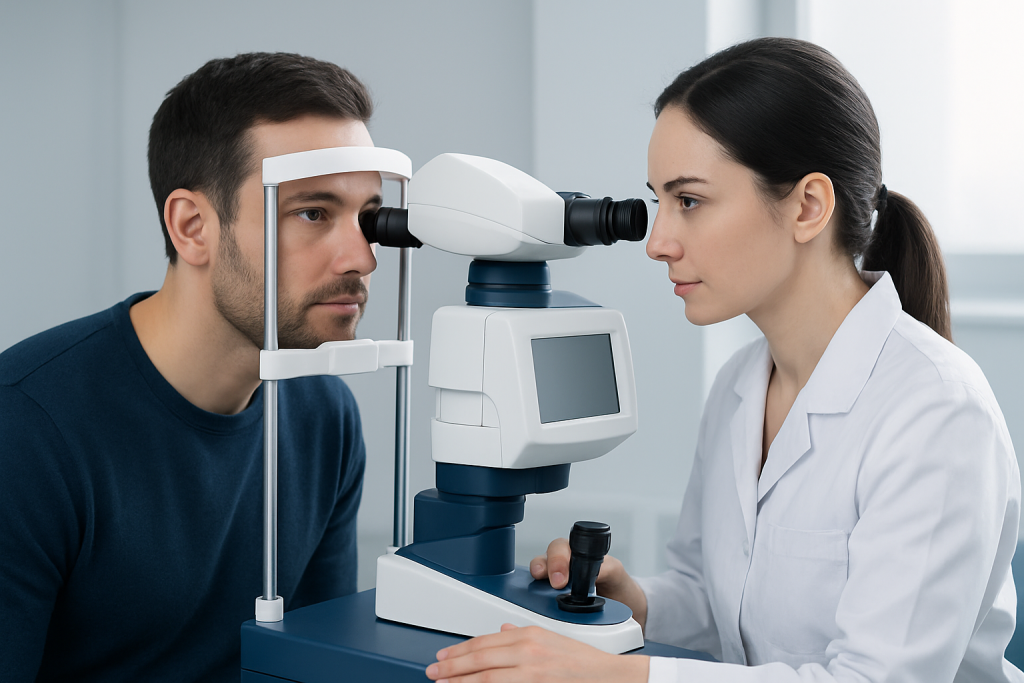
Laser refractive surgery reshapes the cornea so that light focuses more accurately on the retina. It can reduce dependence on glasses or contact lenses for nearsightedness, farsightedness, and astigmatism. However, the eye remains a living tissue and vision can change with healing, age, health conditions, or natural changes in the lens inside the eye.
Some people have a small residual refractive error after the original procedure. Others experience regression, meaning that part of the original prescription gradually returns. This can occur months or years after treatment. A small prescription does not necessarily require an enhancement if it does not interfere meaningfully with daily activities.
After approximately age 40, many people develop presbyopia, an age-related reduction in near focusing ability. Laser surgery performed earlier in life cannot prevent this normal change, so reading glasses may still become necessary. Later in adulthood, cataracts can also affect vision; in that setting, cataract surgery rather than repeat laser corneal surgery may be the more appropriate option.
Who May Be a Candidate for a Second Procedure?

A person may be considered for a second procedure when their refraction is stable, their cornea is sufficiently thick and regular, and the expected benefit outweighs the risks. Stability is particularly important because treating an actively changing prescription can lead to another unsatisfactory result. The eye surgeon will also review the original surgical records where available.
Testing usually includes a detailed refraction, visual acuity assessment, corneal topography or tomography to map corneal shape, pachymetry to measure corneal thickness, and an examination of the tear film and eyelids. Dilated examination of the lens and retina may also be needed, especially for people with new symptoms or increasing age.
Repeat surgery may not be advised in people with thin or irregular corneas, suspected keratoconus, significant dry eye disease, uncontrolled diabetes, active eye inflammation, or unstable vision. Pregnancy and breastfeeding can temporarily affect refraction and dry eye symptoms, so elective laser treatment is commonly postponed until hormonal and visual changes have settled.
- Appropriate candidates have realistic expectations about what an enhancement can achieve.
- The goal is clearer functional vision, not a guarantee of permanently perfect eyesight.
- Some people are better served by glasses, contact lenses, dry-eye care, or a lens-based procedure.
How a Second Laser Eye Procedure Works
The method used for repeat correction is individualized. After a previous LASIK procedure, the surgeon may sometimes carefully lift the existing corneal flap and apply additional laser reshaping underneath it. In other cases, particularly when more time has passed or the cornea requires a different approach, a surface laser procedure such as PRK may be recommended.
Before treatment, the eye is numbed with anesthetic drops. The patient remains awake, and the laser portion is typically brief. The surgeon uses measurements from the preoperative assessment to guide removal of a very small amount of corneal tissue. A protective contact lens may be placed after surface laser treatment while the outer corneal layer heals.
The procedure itself is only one part of care. Preoperative planning, corneal imaging, postoperative drops, follow-up visits, and attention to symptoms are essential to safe recovery. People considering another procedure can discuss the available approaches during an assessment for laser eye surgery.
Recovery Timeline and Expected Results
Recovery depends on the technique used. After a flap-based enhancement, many people notice improved vision within days, although fluctuating clarity and dryness can continue for several weeks. After PRK or another surface treatment, the first days can be more uncomfortable, and vision often improves more gradually over several weeks to months.
Common short-term effects include burning or grittiness, watering, light sensitivity, blurred vision, glare around lights, and dry-eye symptoms. Eye drops are usually prescribed to support healing and reduce inflammation or infection risk. Patients should use them exactly as directed and avoid rubbing their eyes.
Most people are advised to take a short break from driving, swimming, eye makeup, dusty environments, and contact sports according to their surgeon’s instructions. Follow-up appointments allow the ophthalmologist to monitor corneal healing, check vision, and identify concerns early. Final visual results can take time, particularly after surface-based procedures.
A successful enhancement may reduce the need for glasses or contact lenses, but it cannot stop future age-related changes in vision. Some people may still use glasses for nighttime driving, reading, detailed work, or occasional activities.
Benefits, Risks, and Important Limitations
The potential benefit of a second laser procedure is improved uncorrected vision when a residual prescription is causing symptoms or limiting everyday activities. It may help reduce dependence on glasses or contacts, but the likely improvement should be assessed against the additional amount of corneal tissue that would need to be treated.
Risks are similar to those of initial laser vision correction and can include dry eye, glare, halos, reduced contrast sensitivity, undercorrection, overcorrection, and the possible ongoing need for glasses or contact lenses. Less commonly, infection, inflammation, flap-related problems after LASIK, haze after PRK, or corneal weakening can occur. These complications are uncommon but important to discuss before deciding on surgery.
Repeated corneal laser treatment is not suitable for every visual concern. For example, blurred vision caused by cataracts or retinal disease will not be corrected by reshaping the cornea. A thorough assessment helps ensure that treatment addresses the real cause of the problem and that another procedure is not performed when it is unlikely to help.
When to Seek Medical Care
Anyone considering a second laser eye procedure should arrange a non-urgent review with an ophthalmologist, particularly if vision has changed after previously successful surgery. New difficulty with night driving, frequent squinting, headaches associated with visual effort, or increased reliance on glasses can all be reasons to have the eyes checked.
Prompt medical assessment is needed for sudden vision loss, severe or increasing eye pain, significant redness, injury to the eye, flashes of light, a sudden increase in floaters, or a dark curtain-like shadow in the field of vision. These symptoms may indicate conditions that need urgent care and should not be assumed to be a routine consequence of past laser surgery.
Acibadem International’s multidisciplinary specialists and JCI-accredited hospitals can assess vision changes and discuss appropriate treatment options for international patients. A personalized examination remains the safest way to determine whether repeat laser correction is appropriate.
Frequently asked questions
Can you have LASIK more than once?
LASIK can sometimes be repeated as an enhancement if the eye is healthy and there is sufficient corneal tissue remaining. An ophthalmologist must first determine why vision has changed and whether another laser procedure is the safest option.
How long should you wait before a second laser eye surgery?
The waiting period depends on the original procedure, healing, and prescription stability. The surgeon generally waits until vision and corneal measurements have stabilized before considering an enhancement, which may take several months or longer.
Does a second laser eye surgery hurt?
Numbing eye drops are used, so pain during the procedure is usually minimal. Some discomfort, grittiness, tearing, and light sensitivity can occur afterward, especially after surface-based treatments such as PRK.
Is repeat laser eye surgery riskier than the first procedure?
A second procedure requires careful planning because it uses additional corneal tissue and may involve different technical considerations. The individual level of risk depends on corneal thickness, shape, eye surface health, the original procedure, and the planned technique.
Can laser surgery fix age-related need for reading glasses?
Laser surgery cannot stop presbyopia, the natural age-related reduction in near focusing ability. Some people may be candidates for monovision correction, but this involves trade-offs and should be discussed carefully with an eye surgeon.
What if I am not suitable for a laser enhancement?
If another laser procedure is not advisable, glasses or contact lenses may provide safe and effective correction. Depending on age and eye health, treatment for dry eye or a lens-based procedure may also be discussed.
References
- American Academy of Ophthalmology
- U.S. Food and Drug Administration
- Royal College of Ophthalmologists
- National Eye Institute
This article is for general information only and is not a substitute for professional medical advice. Please consult a qualified doctor about your individual situation.
Laser Surgery in Turkey — costs, top hospitals & a free quote
JCI-accredited · board-certified surgeons · reply within 24h

Ophthalmology
Comprehensive eye care from laser vision correction to retina, cornea and cataract surgery.
75 specialists in this unit