Colon Cancer Treatment Options: How It Works, Results and What to Expect
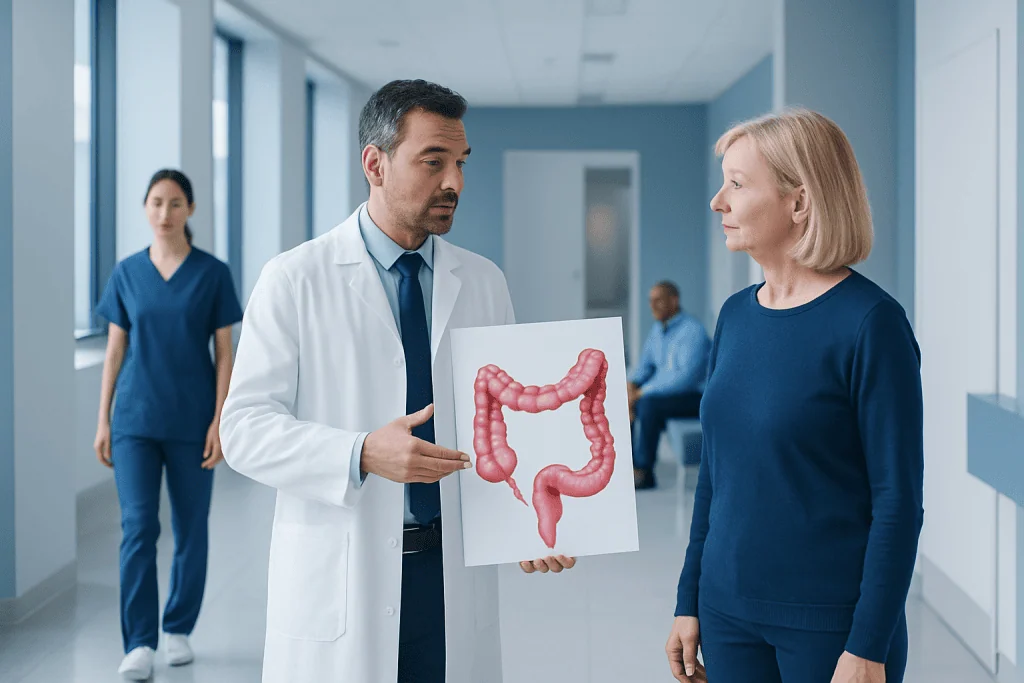
Treatment planning is individualized and commonly involves colorectal surgeons, medical oncologists, radiologists and pathologists. Surgery can remove many early and locally advanced colon cancers, often followed by pathology-guided decisions about additional treatment.
Key Takeaways
- Treatment planning is individualized and commonly involves colorectal surgeons, medical oncologists, radiologists and pathologists.
- Surgery can remove many early and locally advanced colon cancers, often followed by pathology-guided decisions about additional treatment.
- Chemotherapy, targeted therapy and immunotherapy may be appropriate in selected stages and tumor types.
- Recovery and outlook depend on the operation, stage, tumor biology, treatment response and general health.
- Regular follow-up after treatment helps detect recurrence, manage long-term effects and support overall wellbeing.
Colon cancer treatment options are tailored to the cancer’s stage, location, biology and the person’s overall health. Surgery is often the main treatment for localized disease, while chemotherapy and other medicines may be used before or after surgery or to control cancer that has spread.
Overview: how colon cancer treatment works
Colon cancer treatment options aim to remove or destroy cancer, reduce the chance that it returns, control disease that has spread, and preserve quality of life. The most suitable approach depends on where the tumor is in the colon, whether it has reached nearby lymph nodes or distant organs, the tumor’s molecular features, previous treatments and the person’s preferences and fitness for treatment.
For many people with cancer confined to the colon or nearby lymph nodes, surgery is the central treatment. Medicines such as chemotherapy may be recommended after surgery when there is a meaningful risk of microscopic cancer cells remaining. For advanced disease, systemic treatments that travel through the bloodstream may shrink or slow cancer and may sometimes make surgery possible for selected areas of spread.
A multidisciplinary team reviews scans, biopsy results and pathology findings to create a plan. This coordinated approach can include colorectal surgery, medical oncology, gastroenterology, radiology, pathology, nutrition and supportive-care specialists. The plan may change as new test results or treatment responses become available.
Treatment options and how they are chosen
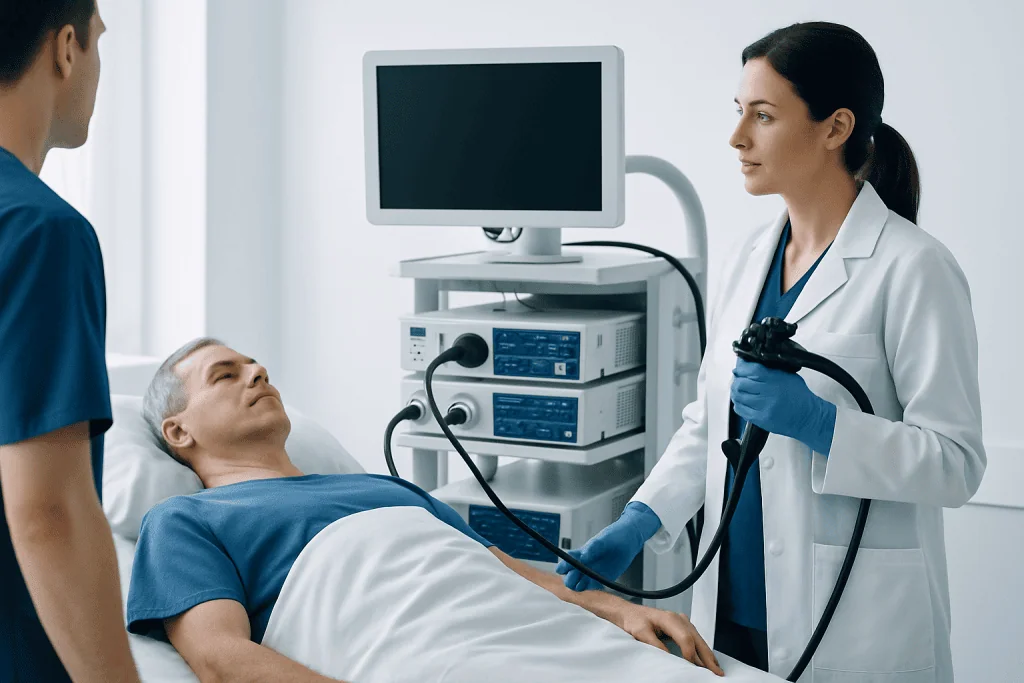
Early cancers limited to a polyp may occasionally be completely removed during colonoscopy. When cancer has grown into the bowel wall or beyond, a colon resection is usually needed. The surgeon removes the affected part of the colon, surrounding tissue and nearby lymph nodes, then reconnects the healthy bowel ends when safe to do so. Depending on the situation, this may be performed through open, laparoscopic or robotic-assisted techniques.
Chemotherapy uses medicines to target rapidly dividing cancer cells. It may be given after surgery for stage III colon cancer and for some higher-risk stage II cancers. In some cases of metastatic colon cancer, chemotherapy is used first to control disease. It is often combined with other medicines, and treatment schedules are adjusted according to response and side effects.
Targeted therapies act on particular signals that help cancer cells grow or form blood vessels. Immunotherapy helps the immune system recognize cancer cells and is most likely to benefit tumors with specific molecular features, such as mismatch repair deficiency or microsatellite instability. Molecular testing of the tumor helps identify whether these options may be appropriate.
- Surgery: commonly used for localized cancer and selected metastatic disease.
- Chemotherapy: may lower recurrence risk or treat cancer beyond the colon.
- Targeted therapy: may be added for appropriate advanced tumors.
- Immunotherapy: may be effective for particular biomarker-defined cancers.
- Supportive care: addresses symptoms, nutrition, emotional wellbeing and treatment effects at every stage.
Radiotherapy is not routinely used for colon cancer because the colon moves within the abdomen. However, it may occasionally be considered for particular symptoms or sites of disease. It is more commonly part of treatment planning for rectal cancer, which is anatomically and clinically different from colon cancer.
Surgery: candidacy, steps, recovery and possible risks
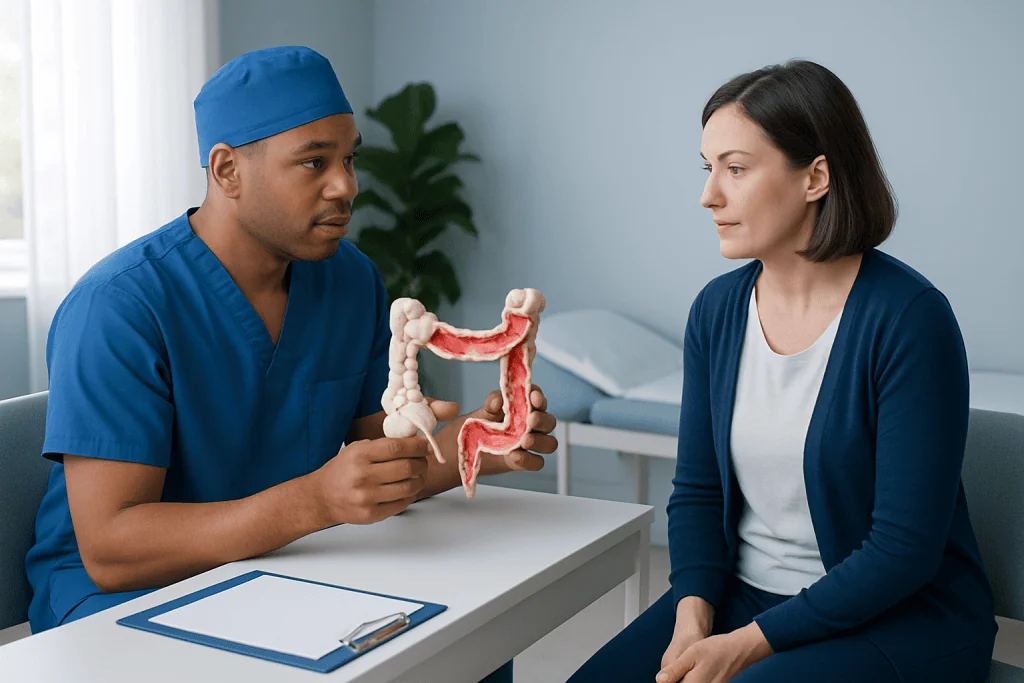
A person may be a candidate for colon cancer surgery when the tumor can be safely removed and their general health permits an operation. Before surgery, the team usually reviews colonoscopy and biopsy findings, blood tests and imaging such as CT scans. Nutrition, heart and lung health, medicines and previous abdominal operations may also influence preparation and surgical technique.
During a colectomy, the patient receives general anesthesia. The surgeon identifies and removes the segment of colon containing the tumor, along with its blood supply and regional lymph nodes. The removed tissue is examined by a pathologist, who confirms the cancer stage, checks surgical margins and reports features that help guide decisions about further treatment. Most patients have a bowel reconnection, called an anastomosis; a temporary or permanent stoma is needed only in some circumstances.
Hospital recovery varies, but many people begin walking and gradually restarting fluids and food soon after surgery. Pain control, breathing exercises and early movement help lower complication risks. Bowel habits can be irregular for several weeks or months as the digestive system adapts. Returning to desk-based activities may take a few weeks, while recovery from more physically demanding work or open surgery can take longer.
Potential benefits include complete removal of localized cancer and accurate staging. Possible risks include bleeding, infection, blood clots, pneumonia, bowel obstruction, leakage at the bowel connection and changes in bowel function. The surgical team explains individual risks and the symptoms that need urgent review after discharge. colon cancer treatment is planned around the person’s clinical findings and goals of care.
What is the success rate of treating colon cancer?
There is no single success rate for colon cancer treatment because outcomes vary substantially by stage at diagnosis, tumor biology, treatment response and overall health. Cancers found before they have spread are generally more likely to be treated with curative intent, often with surgery. When cancer has reached lymph nodes or distant organs, treatment may still be highly effective, but the goals and likely outcomes are different.
Pathology results after surgery provide important information about the likelihood of recurrence. These include how deeply the tumor grew, whether lymph nodes contained cancer, whether margins are clear, and whether there are high-risk microscopic features. Molecular tests can also identify cancers that may respond especially well to particular systemic treatments.
Doctors discuss prognosis using population-based information, but these figures cannot predict an individual outcome. A person’s care team can provide a more meaningful estimate after reviewing their stage, scans, pathology and response to treatment. Follow-up appointments are an important part of care because they allow early assessment of symptoms and surveillance for recurrence.
How long does colon cancer stay in stage 1?
Colon cancer does not remain in a stage for a predictable length of time. Stage 1 means that the cancer has grown into the inner layers of the colon wall but has not reached nearby lymph nodes or distant organs. Staging describes what is found at a particular point in time; it does not function as a clock.
Some colon cancers grow slowly, while others behave more aggressively. Growth can be influenced by tumor genetics and biological characteristics that are not always apparent from symptoms alone. This is why screening and timely assessment of concerning symptoms are important: they can identify cancers and precancerous polyps before progression occurs.
When stage 1 colon cancer is removed completely, surgery alone is commonly sufficient. The pathology report and follow-up plan still matter, as they confirm the diagnosis and help ensure that future colonoscopies and monitoring occur at appropriate intervals.
How fast does colon cancer spread to other organs?
The speed at which colon cancer spreads cannot be determined reliably for an individual without clinical assessment. Many colon cancers develop gradually from precancerous polyps over years, but once invasive cancer is present, behavior can vary. Some tumors remain localized for a long time, while others may spread earlier because of their biological features.
Colon cancer most often spreads through lymphatic channels or the bloodstream, commonly to the liver and sometimes the lungs or other areas. CT, MRI or other imaging tests are used to check for spread when cancer is diagnosed or when symptoms and blood tests suggest it may be needed. These tests also help the team decide whether treatment should start with surgery or medication.
Symptoms alone cannot show how quickly a cancer is growing or whether it has spread. New or persistent rectal bleeding, an unexplained change in bowel habits, ongoing abdominal discomfort, unexplained weight loss or iron-deficiency anemia should be evaluated by a qualified clinician rather than monitored at home.
Can you live a long life after colon cancer?
Yes. Many people live for many years after colon cancer, particularly when it is found and treated at an earlier stage. Even when cancer has spread, advances in surgery, systemic therapy, molecular testing and supportive care can help some people live longer while maintaining daily function and comfort.
Long-term health after treatment includes scheduled surveillance, usually with medical visits, blood tests, colonoscopy and imaging when clinically indicated. The follow-up plan is personalized according to stage, treatment and the risk of recurrence. It also gives patients an opportunity to discuss bowel changes, fatigue, neuropathy, emotional concerns, sexual health and nutrition.
Healthy habits support recovery and general wellbeing but do not replace medical follow-up. Regular physical activity as tolerated, a balanced dietary pattern, avoiding tobacco, limiting alcohol and maintaining a healthy weight may be discussed with the care team. A dietitian can provide individualized guidance after bowel surgery or during chemotherapy.
When to seek medical care
Medical assessment is recommended for rectal bleeding, blood in the stool, a bowel habit change that persists, unexplained iron-deficiency anemia, persistent abdominal pain or bloating, unintended weight loss, or ongoing fatigue without a clear cause. These symptoms are common and can have causes other than cancer, but they deserve timely evaluation.
Anyone with a personal history of colon polyps or inflammatory bowel disease, or a close relative with colorectal cancer or certain inherited cancer syndromes, should ask a clinician about an individualized screening plan. Screening can detect precancerous polyps and early cancers before symptoms develop.
During or after treatment, urgent medical advice is needed for severe or worsening abdominal pain, persistent vomiting, fever, chest pain, shortness of breath, heavy bleeding, a swollen painful leg, or signs of dehydration. Acibadem International’s multidisciplinary specialists and JCI-accredited hospitals support international patients with diagnosis, treatment planning and follow-up for colon cancer.
Frequently asked questions
What are the main colon cancer treatment options?
The main options are surgery, chemotherapy, targeted therapy, immunotherapy and supportive care. The combination depends on the cancer stage, location, molecular test results and the person’s general health. Surgery is commonly the primary treatment for localized colon cancer.
Is chemotherapy always needed after colon cancer surgery?
No. Chemotherapy is not routinely needed after surgery for every colon cancer. It is commonly considered for stage III disease and may be considered for selected stage II cancers with features associated with a higher recurrence risk. The final decision is based on the surgical pathology report and an individual discussion of expected benefits and side effects.
Can colon cancer be cured with surgery alone?
Surgery alone can be curative for many early-stage colon cancers when the tumor is completely removed. Whether additional treatment is recommended depends on the cancer stage and pathology findings. Follow-up remains important even after apparently complete removal.
How long does recovery take after colon cancer surgery?
Initial hospital recovery often lasts several days, although this varies by procedure and individual health. Energy, appetite and bowel function may take weeks to months to settle. The care team gives specific guidance about activity, wound care, diet and returning to work.
What tests help choose colon cancer treatment?
Colonoscopy with biopsy, pathology examination and imaging scans are central to treatment planning. Tumor molecular testing may assess mismatch repair status, microsatellite instability and other markers that can influence use of immunotherapy or targeted treatments. Blood tests and an overall health assessment also guide safe treatment choices.
Can colon cancer come back after treatment?
Colon cancer can recur after treatment, but the risk varies by stage, pathology features and treatment received. Scheduled surveillance can help identify recurrence or new polyps early. Patients should report new persistent symptoms between planned appointments.
References
- World Health Organization
- National Cancer Institute
- American Cancer Society
- European Society for Medical Oncology
- National Comprehensive Cancer Network
This article is for general information only and is not a substitute for professional medical advice. Please consult a qualified doctor about your individual situation.
Colon Cancer in Turkey — costs, top hospitals & a free quote
JCI-accredited · board-certified surgeons · reply within 24h