Latissimus Dorsi Flap Breast Reconstruction: Procedure, Recovery and Results

The procedure uses the latissimus dorsi muscle, along with a small amount of skin and fat, transferred from the back while keeping its blood supply connected. It can be a useful option when abdominal tissue is unsuitable or when chest skin needs healthy, well-vascularized tissue after radiation.
Key Takeaways
- The procedure uses the latissimus dorsi muscle, along with a small amount of skin and fat, transferred from the back while keeping its blood supply connected.
- It can be a useful option when abdominal tissue is unsuitable or when chest skin needs healthy, well-vascularized tissue after radiation.
- Recovery commonly involves a short hospital stay, surgical drains and several weeks of gradually increasing activity.
- Expected effects include scars, temporary discomfort and back tightness; complications such as fluid collection, wound problems or implant-related issues are possible.
- Results can look natural and balanced, but revision procedures or nipple reconstruction may be considered as part of the reconstructive process.
Latissimus dorsi flap breast reconstruction is a form of autologous reconstruction that moves tissue from the upper back to the chest to help recreate a breast after mastectomy. It is a well-established option that may be used alone in selected cases, but is commonly combined with an implant or tissue expander to provide enough volume.
Overview: How Latissimus Dorsi Flap Breast Reconstruction Works
Latissimus dorsi flap breast reconstruction is surgery that uses tissue from the upper back to rebuild all or part of a breast. The latissimus dorsi is a broad muscle that helps with shoulder and arm movement. During reconstruction, the surgeon moves this muscle, usually with an oval area of overlying skin and a small amount of fat, from the back to the chest.
The tissue is generally transferred while its main blood vessels remain attached. This is called a pedicled flap. The flap is brought beneath the skin through the armpit area and shaped over the chest. Because the transferred tissue does not usually provide enough volume for a full breast on its own, an implant or temporary tissue expander is often placed beneath or alongside it.
This approach may be performed at the same time as a mastectomy, known as immediate reconstruction, or months or years later, known as delayed reconstruction. The choice depends on cancer treatment plans, general health, body shape, previous operations and personal priorities. Breast reconstruction options should be discussed with a plastic and reconstructive surgeon as part of individualized planning.
Who May Be a Candidate?
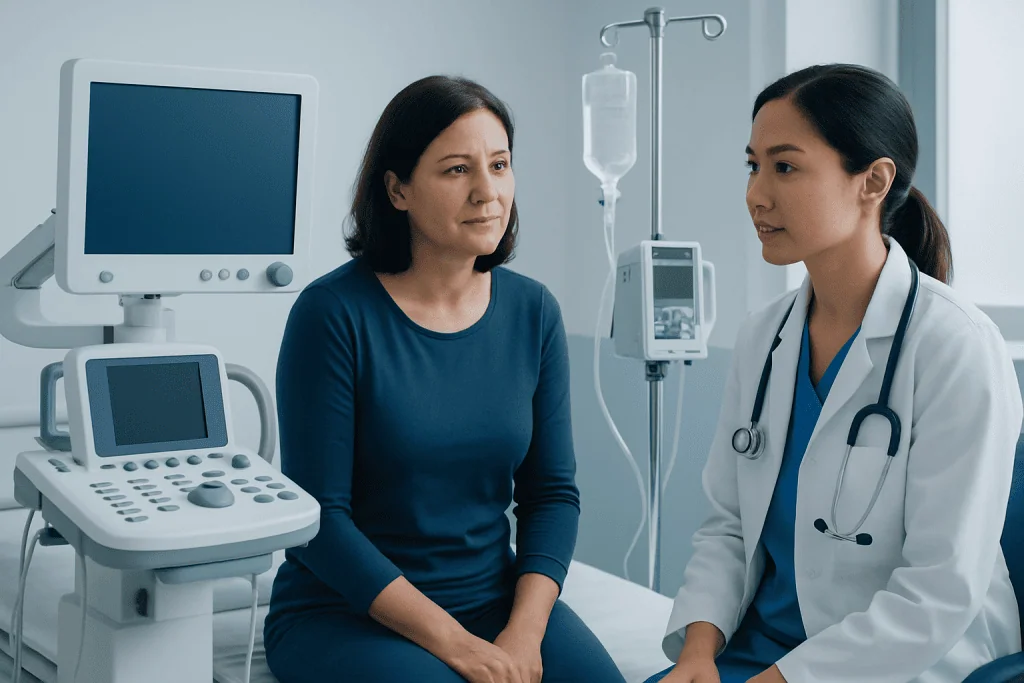
A latissimus dorsi flap may be considered for people having reconstruction after mastectomy for breast cancer or after risk-reducing mastectomy. It can be particularly helpful when the chest skin has been affected by radiotherapy, when there is not enough skin for an implant-only reconstruction, or when other donor sites such as the abdomen are not suitable.
Some people choose this procedure because it uses their own living tissue to cover and support an implant. It may also be an option after a previous implant reconstruction has had complications, such as scarring around the implant or poor skin healing. For individuals being treated for breast cancer, reconstruction timing is coordinated carefully with the breast surgeon and oncology team.
Candidacy is not determined by one factor alone. The surgical team considers smoking status, diabetes management, circulation, body weight, prior chest or back surgery, shoulder function, planned radiation treatment and expectations about scars and breast size. People who rely heavily on upper-body strength for work, sports or mobility should discuss the possible effect on back and shoulder function in detail.
- It may suit people who need additional healthy tissue over the chest.
- It may be useful if abdominal flap surgery is not preferred or is medically unsuitable.
- It may not be ideal for everyone with significant shoulder weakness or certain back conditions.
- A consultation helps compare this method with implant-based and other tissue-flap options.
What Happens During the Procedure?

The operation is performed under general anesthesia. If reconstruction follows a mastectomy immediately, the breast surgeon performs the mastectomy first, then the reconstructive surgeon begins the flap procedure. The total length of surgery varies according to whether one or both breasts are reconstructed, whether an implant is used and whether other procedures are performed at the same time.
The surgeon makes an incision on the back, usually positioned so that the resulting scar can be covered by a bra strap or swimsuit in many cases. The latissimus dorsi muscle, with its attached skin and fat when needed, is carefully released while preserving its main blood supply. It is then tunneled under the skin toward the chest and positioned to create breast shape and coverage.
If more volume is needed, the surgeon places an implant or tissue expander. An expander is gradually filled after surgery and may later be exchanged for a permanent implant. Drains are commonly placed in the back and chest to remove fluid while tissues heal. The surgeon closes the incisions and applies dressings or a supportive garment.
The reconstruction may include later stages, such as adjustment of the reconstructed breast, surgery to improve symmetry of the other breast, nipple reconstruction or tattooing of the nipple-areola area. These choices are optional and are guided by the person’s goals.
How Long Does It Take to Recover From a Latissimus Dorsi Breast Reconstruction?
Recovery is gradual. Many people stay in hospital for a few days, although the exact length depends on the extent of surgery, pain control, drain output and overall recovery. Surgical drains often remain in place for one to several weeks and are removed when the amount of fluid has fallen to a safe level.
During the first one to two weeks, tiredness, soreness and limited arm movement are common. Most people can manage light self-care and short walks with support, but should avoid lifting, pushing, pulling and strenuous household tasks. The surgical team provides individualized instructions on showering, wound care, sleeping positions and compression garments where appropriate.
Many patients return to light daily activities and some desk-based work within several weeks. More demanding work, driving, gym exercise, swimming and heavy lifting usually need to wait until the surgeon confirms healing is adequate. It can take around six to eight weeks to feel substantially more comfortable, while swelling settles and scars mature over several months. If additional cancer treatment or revision surgery is needed, the overall process may take longer.
Gentle shoulder and arm exercises are commonly introduced under clinical guidance to prevent stiffness and restore movement. A physiotherapist may be involved, especially when there is reduced shoulder range of motion, cording after lymph node surgery or persistent weakness.
How Painful Is Latissimus Dorsi Flap Surgery?
People experience pain differently, but discomfort after latissimus dorsi flap surgery is expected and is usually manageable with a planned pain-relief approach. Soreness may be felt in the chest, armpit and back donor site. Some people describe tightness or a pulling sensation, particularly when moving the arm or changing position in bed.
The care team may use a combination of pain-relieving medicines, local anesthetic techniques and non-medication measures such as supportive positioning and gentle movement. Pain should become steadily easier to manage over the first days and weeks. Taking prescribed medication as directed and performing recommended exercises can support comfort and recovery.
Numbness, tingling or altered sensation around scars may occur because small skin nerves are affected during surgery. Sensation can improve over time, but it may not fully return. Ongoing severe pain, pain that worsens rather than improves, or pain with increasing redness, fever or swelling should be reported promptly to the surgical team.
Benefits, Risks and Possible Problems
A key benefit of this reconstruction is that it brings well-supplied tissue from the back to the chest. This can improve coverage and healing in areas where skin has been thinned, scarred or exposed to radiation. The flap can create a soft contour and may provide support for an implant. It also avoids surgery on the abdomen, which may matter to some patients.
All operations carry risks. Possible early complications include bleeding, infection, delayed wound healing, blood clots, anesthetic complications and changes in skin or flap circulation. Fluid collection under the back skin, called a seroma, is one of the more frequent donor-site issues and may need drainage in clinic. Scars are permanent but usually fade and soften over time.
Problems with latissimus dorsi flap breast reconstruction can also include back tightness, weakness with certain pulling or climbing movements, shoulder stiffness, contour changes at the donor site, asymmetry and persistent numbness. Most people adapt well because other muscles assist shoulder movement, but the impact can be more noticeable in swimmers, climbers, wheelchair users and people whose work requires repetitive upper-body strength.
When an implant is used, implant-specific risks also apply. These include capsular contracture, rupture, infection, movement of the implant and the possible need for future replacement or removal. The surgeon explains risks in relation to each person’s cancer treatment, anatomy and preferred reconstruction plan. Breast cancer treatment planning can help coordinate surgical reconstruction with oncology care.
Do Breasts Look Good After Reconstruction?
Breast reconstruction aims to restore a breast shape and help a person feel more comfortable in clothing and in their body, but it cannot recreate the original breast exactly. A latissimus dorsi flap can provide a natural-feeling layer of the person’s own tissue over the chest, and the final contour may be balanced with the opposite breast through careful planning or, when desired, a symmetry procedure.
Appearance develops over time. In the early period, the reconstructed breast can look high, swollen, firm or uneven. As swelling reduces and tissues settle, the breast shape usually becomes more natural. Scars also change gradually, often remaining noticeable at first before flattening and fading over many months.
Symmetry may be influenced by body changes, aging, radiotherapy, implant position and the natural breast’s size and shape. Some people choose later refinements, such as fat grafting, scar revision, implant adjustment or nipple-areola reconstruction. Photographs of typical results and a clear discussion of realistic goals can help people make informed decisions before surgery.
At Acibadem International, multidisciplinary specialists in breast surgery, plastic and reconstructive surgery, oncology and rehabilitation can coordinate evaluation and treatment for international patients in JCI-accredited hospitals.
When to Seek Medical Care
Anyone considering reconstruction should arrange a consultation with a qualified breast and plastic reconstructive surgeon. It is especially important to seek advice before surgery if there is a history of radiation therapy, previous breast operations, shoulder problems, diabetes, smoking or medications that can affect bleeding or healing. A clinician can explain how these factors may influence the safest approach.
After surgery, urgent medical advice is needed for a fever, rapidly worsening pain, increasing redness or warmth around an incision, foul-smelling drainage, sudden swelling, heavy bleeding, shortness of breath, chest pain or one-sided leg swelling. These symptoms do not always indicate a serious complication, but they need prompt assessment.
Patients should also contact their team if drains stop working, become dislodged, produce a sudden major change in fluid, or if dressings are soaked. Attending scheduled follow-up visits allows the team to monitor healing, remove drains, review pathology and adjust rehabilitation guidance.
Frequently asked questions
What is a latissimus dorsi flap breast reconstruction?
It is a breast reconstruction technique that transfers the latissimus dorsi muscle from the upper back to the chest while maintaining its blood supply. The flap may include skin and fat, and it is often combined with an implant or tissue expander to create sufficient breast volume.
How long does it take to recover from a latissimus dorsi breast reconstruction?
Initial recovery commonly takes several weeks, with gradual improvement in comfort and arm movement. Many people need about six to eight weeks before resuming more normal daily routines, although complete settling of swelling, scars and strength can take several months.
How painful is latissimus dorsi flap surgery?
Pain and tightness in the chest, armpit and upper back are common after surgery, especially during the first days. A tailored pain-management plan and guided movement usually make symptoms manageable, and discomfort should gradually improve rather than worsen.
Do breasts look good after reconstruction?
Many people are pleased with the contour and clothing fit achieved through reconstruction, but results vary and no reconstruction exactly reproduces the original breast. The breast may look swollen or uneven early on, then settle over time; additional refinement procedures can be considered if desired.
What are the problems with latissimus dorsi flap breast reconstruction?
Possible issues include fluid collection at the back donor site, infection, wound-healing problems, scars, numbness, shoulder stiffness and back tightness. If an implant is used, implant-related complications such as capsular contracture or future implant surgery are also possible.
Will taking the latissimus dorsi muscle affect arm strength?
Most people retain good everyday shoulder and arm function because other muscles compensate. However, some may notice weakness or fatigue with activities that involve pulling, climbing, swimming or repetitive overhead movement, particularly during recovery.
References
- American Society of Plastic Surgeons
- American Cancer Society
- National Cancer Institute
- Breastcancer.org
- NHS
This article is for general information only and is not a substitute for professional medical advice. Please consult a qualified doctor about your individual situation.
Breast Reconstruction in Turkey — costs, top hospitals & a free quote
JCI-accredited · board-certified surgeons · reply within 24h

Plastic, Reconstructive & Aesthetic Surgery
Reconstructive and aesthetic procedures for the face and body, performed by experienced surgeons.
29 specialists in this unit