Mesothelioma Specialist: An Evidence-Based Patient Guide

Mesothelioma is a rare cancer that most often affects the pleura, the lining around the lungs, and less often the abdominal lining or other tissues. A mesothelioma specialist commonly works with pathologists, thoracic surgeons, medical oncologists, radiation oncologists, pulmonologists and palliative-care professionals.
Key Takeaways
- Mesothelioma is a rare cancer that most often affects the pleura, the lining around the lungs, and less often the abdominal lining or other tissues.
- A mesothelioma specialist commonly works with pathologists, thoracic surgeons, medical oncologists, radiation oncologists, pulmonologists and palliative-care professionals.
- Accurate biopsy interpretation and staging are essential before deciding between surgery, systemic therapy, radiation therapy, clinical trials and symptom-focused care.
- Newer treatment approaches include immunotherapy and combinations of systemic therapies, although suitability depends on cancer type, stage and overall health.
- Pleural mesothelioma outlook varies substantially; an individual prognosis requires discussion with the treating team rather than reliance on averages alone.
- Prompt medical review is important for persistent chest symptoms, unexplained breathlessness, abdominal swelling or a known history of asbestos exposure.
A mesothelioma specialist is an oncology clinician with focused experience in diagnosing and treating mesothelioma, usually working within a multidisciplinary team. Because this cancer is uncommon and treatment decisions can be complex, specialist assessment can help ensure pathology, staging, symptom care and treatment options are reviewed together.
Overview: What Does a Mesothelioma Specialist Do?
A mesothelioma specialist is a doctor with particular experience in the assessment and treatment of mesothelioma, a rare cancer arising from mesothelial cells. These cells form protective linings around organs. The most common form, pleural mesothelioma, develops in the lining surrounding the lungs; peritoneal mesothelioma affects the lining of the abdomen. Less commonly, mesothelioma can occur around the heart or testes.
For a person with suspected or confirmed disease, specialist care is valuable because diagnosis can be difficult and treatment is highly individual. A mesothelioma specialist may be a medical oncologist, thoracic surgeon, surgical oncologist, radiation oncologist or pulmonologist whose practice includes this condition. They should work closely with a wider team to review imaging, biopsy samples, fitness for treatment and personal priorities.
Good mesothelioma patient information should explain both cancer-directed treatment and supportive care. Supportive care addresses breathlessness, pain, fatigue, nutrition, emotional wellbeing and practical concerns at every stage; it is not limited to end-of-life care. A mesothelioma patient advocate, cancer nurse specialist or social worker may also help patients and families prepare questions, understand choices and access services.
Symptoms, Causes and Why Expert Assessment Matters
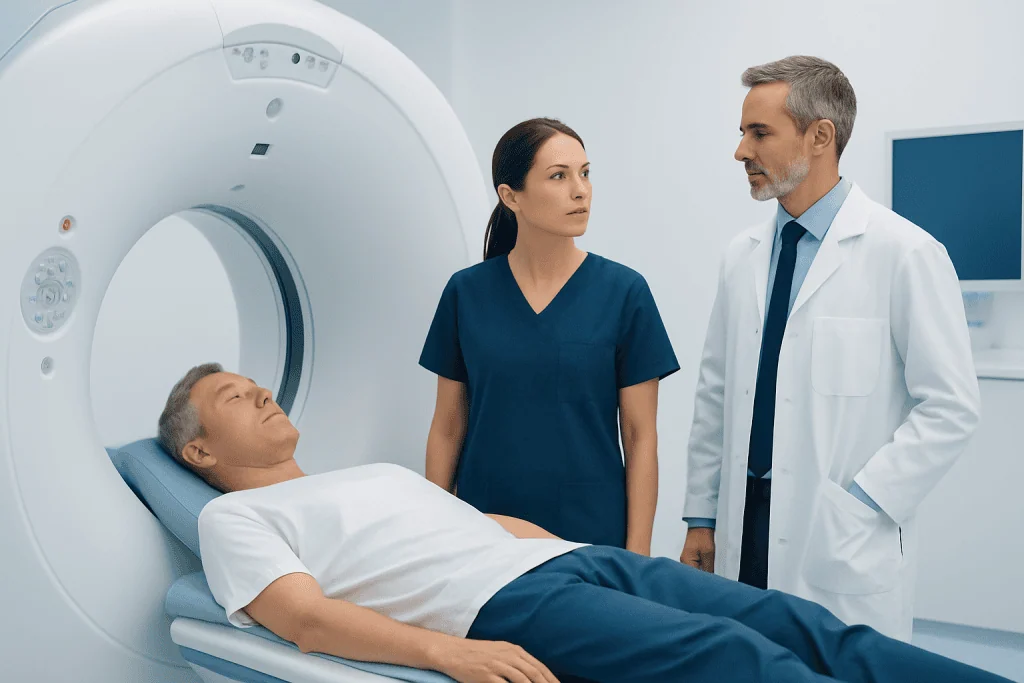
Symptoms depend on where mesothelioma begins. Pleural mesothelioma may cause increasing shortness of breath, chest or shoulder pain, a persistent cough, tiredness, reduced appetite, weight loss or fluid around the lung, called a pleural effusion. Peritoneal mesothelioma may lead to abdominal pain or swelling, nausea, changes in bowel habits, loss of appetite or fluid in the abdomen.
These symptoms are not specific to mesothelioma and are more commonly caused by other conditions. However, they deserve assessment when they persist, worsen or occur alongside a history of asbestos exposure. The disease can develop decades after exposure. Not everyone with asbestos exposure develops mesothelioma, and some people diagnosed with mesothelioma do not recall a known exposure.
A specialist team helps distinguish mesothelioma from other cancers and non-cancerous causes of pleural or abdominal disease. This distinction matters because the cell type, location and extent of disease influence treatment. Mesothelioma diagnosis guidelines generally emphasize specialist pathology review, appropriate imaging and discussion at a multidisciplinary cancer meeting.
People may encounter legal information about occupational exposure, including the term mesothelioma expert witnesses. Medical care and legal advice are separate matters. For health decisions, the priority is obtaining a clear diagnosis and discussing evidence-based options with the treating clinical team.
How Is Mesothelioma Diagnosed and Staged?
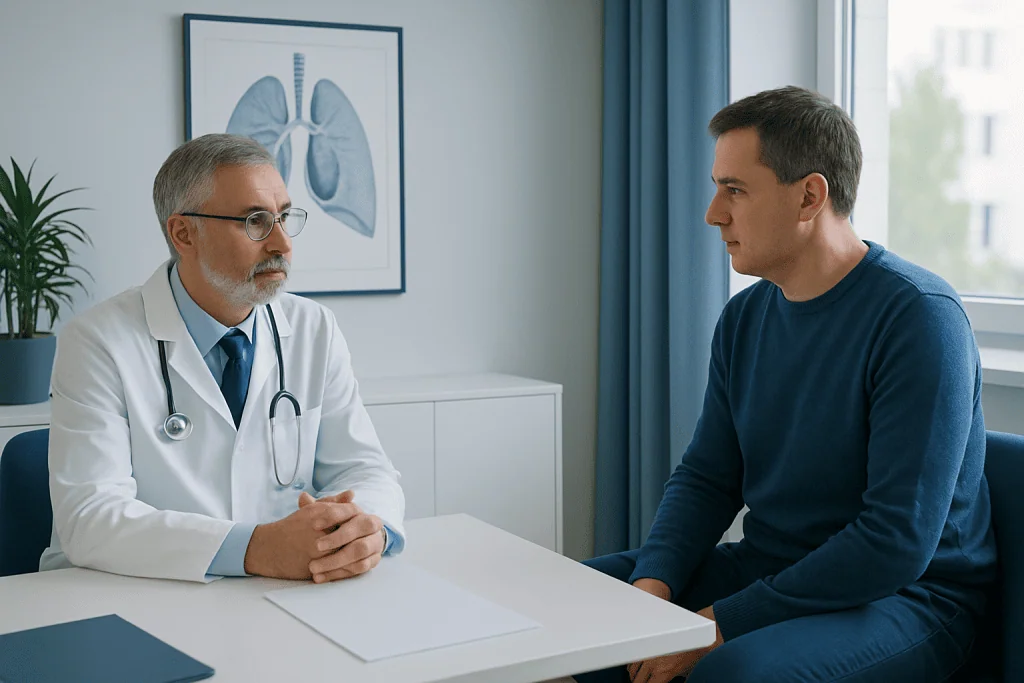
Diagnosis usually starts with a medical history, physical examination and imaging. A clinician may request chest X-ray, computed tomography (CT), positron emission tomography (PET-CT) or magnetic resonance imaging (MRI), depending on the suspected site and purpose of the scan. Imaging can show fluid, thickening or masses, but it cannot always confirm the exact cancer type.
A tissue sample is usually needed for a definite diagnosis. Depending on the location, this may involve a needle biopsy guided by imaging, thoracoscopy to examine the pleural space, laparoscopy to examine the abdomen, or another targeted procedure. A specialist pathologist examines the sample using microscopy and laboratory tests that help identify the mesothelioma subtype and distinguish it from other cancers.
After confirmation, the team assesses stage and treatment fitness. This may include further scans, lung-function testing, heart assessment, blood tests and evaluation of day-to-day functioning. Staging describes how far cancer has spread, while treatment fitness considers whether a person could safely tolerate surgery or systemic treatment.
Seeking a second pathology opinion or having biopsy material reviewed at an experienced center can be reasonable, particularly when the diagnosis is uncertain or a major treatment decision is planned. Patients can ask whether their case will be discussed by a multidisciplinary team and what information supports the proposed plan.
Treatment Planning With a Mesothelioma Specialist
A mesothelioma treatment plan is based on the site of disease, histologic subtype, stage, symptoms, general health, lung and heart function, previous treatments and the patient’s goals. Some people may be candidates for treatment intended to control disease aggressively; for others, the safest and most helpful plan focuses on systemic therapy, symptom relief and quality of life. These approaches can overlap.
Systemic treatments travel through the bloodstream and may include chemotherapy, immunotherapy or, in selected circumstances, other medicines. Immunotherapy helps the immune system recognize or respond to cancer, but it can also cause immune-related side effects in organs such as the lungs, bowel, liver, skin or hormone glands. Regular monitoring and prompt reporting of new symptoms are important.
Surgery is considered only for carefully selected patients, typically after detailed staging and assessment at an experienced center. The goal may be to remove visible tumor where feasible or to control fluid and symptoms. Radiation therapy can sometimes be used for symptom relief or as part of a broader plan, but its role depends on the location of disease and nearby healthy organs.
Clinical trials may offer access to carefully studied approaches not yet part of standard care. A specialist can explain the purpose, possible benefits, uncertainties, extra visits and eligibility requirements. Participation is voluntary, and standard treatment and supportive care remain important options.
- Medical oncology: plans chemotherapy, immunotherapy and monitoring.
- Thoracic or surgical oncology: assesses whether surgery or diagnostic procedures are appropriate.
- Radiation oncology: evaluates targeted radiation for selected situations.
- Pulmonology and palliative care: help manage breathlessness, fluid, pain and other symptoms.
What Is the New Treatment for Mesothelioma?
There is no single “new treatment” that is right for every person with mesothelioma. One important modern development is immunotherapy, including immune checkpoint inhibitor medicines used alone or in combinations for selected patients with unresectable pleural mesothelioma. In some situations, immunotherapy may be used as an alternative to, or alongside, chemotherapy-based strategies depending on current guidance, approvals and individual clinical factors.
Research is also examining new combinations of immunotherapy, chemotherapy, targeted approaches and treatment given before or after surgery. Some studies investigate therapies delivered directly into a body cavity or other specialized methods. A treatment being researched is not automatically safer or more effective than established care, which is why trial discussions should include potential risks, practical demands and alternatives.
For mesothelioma involving the chest, procedures may be used to remove or limit recurrent pleural fluid and reduce breathlessness. Options can include drainage, pleurodesis or an indwelling pleural catheter, depending on the situation. These procedures are generally intended to improve comfort and breathing rather than cure the cancer.
Benefits and risks should be weighed in a personalized discussion. Possible benefits of cancer treatment include slowing disease growth, reducing symptoms or extending time with controlled disease. Risks can include fatigue, nausea, infection risk, blood-count changes, surgical complications, radiation-related irritation and immune-related adverse effects. The team should explain which symptoms require urgent contact.
If Surgery Is Considered: Candidacy, Steps and Recovery
Mesothelioma surgery is not appropriate for everyone. Candidacy depends on whether disease appears confined enough for a meaningful surgical approach, the cancer subtype, expected benefit, lung and heart reserve, other health conditions and the person’s wishes. A multidisciplinary review is particularly important because surgery can be extensive and recovery can take time.
The process usually begins with staging scans, pathology confirmation and cardiopulmonary testing. If surgery is recommended, the surgeon explains the proposed operation, alternatives, possible need for additional treatment and expected effects on breathing and daily function. The exact procedure differs between patients and may range from symptom-directed pleural procedures to more extensive tumor-removing surgery.
During the operation, the surgical team uses general anesthesia and manages the affected tissues according to the planned approach. Afterward, patients are monitored in hospital for pain control, breathing, fluid drainage, mobility and signs of complications. Physiotherapy, breathing exercises and gradual activity are commonly part of early recovery.
Recovery timelines vary considerably with the procedure and the individual. Less invasive procedures may allow recovery over days to weeks, while major thoracic or abdominal surgery can require a longer hospital stay and several weeks to months of rehabilitation. Potential complications include bleeding, infection, blood clots, air leaks, fluid accumulation, pneumonia, pain and reduced exercise tolerance. The care team should provide individualized recovery instructions and follow-up plans.
Is Mesothelioma One of the Worst Cancers?
Mesothelioma is often described as a serious cancer because it may be diagnosed after it has already spread locally or beyond its original site, and it can affect breathing, energy and daily comfort. It is also relatively rare, which can make early recognition and access to experienced care especially important. However, calling any cancer “the worst” is not medically precise and may increase fear without helping decision-making.
Outcomes differ between individuals. Important factors include the site of disease, cell subtype, stage, response to treatment, age, overall health and access to supportive care. Some people experience meaningful symptom control and periods of stable disease with modern treatment, while others need a care plan centered primarily on comfort and function.
A realistic conversation with a mesothelioma specialist can balance hope with clear information. Patients may ask what the treatment is intended to achieve, what changes might be expected, how success will be measured and how symptoms will be managed. Bringing a relative, taking notes or requesting a written summary can make complex discussions easier to absorb.
Emotional support is part of high-quality cancer care. Counseling, patient support groups, spiritual care and practical assistance can be helpful for both patients and caregivers. Seeking support does not change the medical facts, but it can make decisions and day-to-day coping more manageable.
What Is the Average Life Expectancy for Someone With Pleural Mesothelioma?
There is no single average life expectancy that can reliably predict what will happen to an individual with pleural mesothelioma. Published survival figures vary widely because they reflect patients diagnosed in different years, at different stages, with different cell types and with access to different treatments. Statistics also cannot fully capture a person’s general health, treatment response or personal goals.
In general, pleural mesothelioma is a life-limiting illness for many people, particularly when diagnosed at an advanced stage. Median survival figures reported in research may be measured in months or a few years, but these are population estimates rather than deadlines. Some people live shorter or longer than these estimates, and treatment advances can also change outcomes over time.
The most useful prognosis discussion is individual and ongoing. A mesothelioma specialist can explain what is known from stage, pathology and scan results, while acknowledging uncertainty. Patients can ask whether the estimate refers to untreated disease, outcomes with a particular treatment, or a group of patients unlike their own.
Quality of life should be discussed alongside life expectancy. Managing breathlessness, pain, sleep, nutrition, anxiety and fatigue can improve daily wellbeing regardless of the treatment path. Early involvement of palliative-care professionals can complement oncology treatment and provide practical support for patients and families.
What Is the Best Hospital for Mesothelioma and When to Seek Medical Care
There is no universally best hospital for mesothelioma for every patient. A suitable center has clinicians experienced in mesothelioma, access to expert pathology and advanced imaging, regular multidisciplinary case review, thoracic and medical oncology expertise, symptom-management services and clear communication about clinical trials when appropriate. Practical factors, such as travel, language support, family support and continuity of follow-up, also matter.
It can be helpful to ask how often the team manages mesothelioma, whether pathology will be reviewed by a specialist, which treatment options are available, whether a second opinion is supported and who to contact between appointments. Acibadem International’s multidisciplinary specialists and JCI-accredited hospitals diagnose and treat mesothelioma for international patients, with care plans developed around clinical assessment and individual needs.
Medical care should be sought promptly for persistent or worsening shortness of breath, chest pain, recurrent fluid around the lung, unexplained abdominal swelling or pain, coughing up blood, marked unintentional weight loss, or new symptoms in someone with previous asbestos exposure. Emergency evaluation is appropriate for severe breathing difficulty, sudden chest pain, fainting, confusion or coughing up a significant amount of blood.
There is no proven way to prevent mesothelioma completely after past exposure, but avoiding further asbestos exposure remains important. People who may encounter asbestos at work should follow occupational safety regulations and use properly trained, licensed professionals for asbestos assessment or removal. Routine screening is not generally recommended for everyone with past exposure; an individual clinician can advise based on symptoms and exposure history.
Frequently asked questions
What should a patient ask a mesothelioma specialist?
Patients may ask what type and stage of mesothelioma they have, whether the pathology has been reviewed by an experienced specialist, and what the treatment goal is. It is also reasonable to ask about expected benefits, side effects, clinical trials, symptom support, second opinions and the practical demands of each option.
Can mesothelioma be diagnosed with a blood test?
No blood test alone can confirm mesothelioma. Blood tests may help assess general health and organ function, but diagnosis usually requires imaging and a biopsy examined by an expert pathologist.
Does every person with pleural mesothelioma need surgery?
No. Surgery is suitable only for selected people after careful assessment of stage, cancer characteristics, heart and lung function, other medical conditions and likely benefit. Many patients receive systemic treatment, symptom-directed procedures, supportive care or a combination of approaches instead.
Is immunotherapy suitable for all mesothelioma patients?
Immunotherapy can be an option for some people, especially in particular settings of pleural mesothelioma, but it is not right for everyone. Previous treatment, autoimmune conditions, organ function, cancer subtype and treatment availability all affect the decision.
How can a mesothelioma patient advocate help?
A mesothelioma patient advocate can help a patient prepare for appointments, organize questions, understand care pathways and locate support resources. They do not replace the clinical team, but they can help patients participate confidently in shared decision-making.
Can asbestos exposure cause mesothelioma decades later?
Yes. Mesothelioma may occur many years, often decades, after asbestos exposure. A person with a relevant exposure history should tell their clinician, especially if persistent chest or abdominal symptoms develop.
References
- National Cancer Institute
- American Cancer Society
- National Comprehensive Cancer Network
- European Society for Medical Oncology
- World Health Organization
This article is for general information only and is not a substitute for professional medical advice. Please consult a qualified doctor about your individual situation.
Oncology care in Turkey — second opinion and treatment plan
JCI-accredited · board-certified surgeons · reply within 24h