Vasectomy Surgical: Procedure, Recovery and Results

Vasectomy blocks the vas deferens so sperm no longer enter the semen. It is intended as permanent contraception and should be chosen only after careful consideration.
Key Takeaways
- Vasectomy blocks the vas deferens so sperm no longer enter the semen.
- It is intended as permanent contraception and should be chosen only after careful consideration.
- Most people return to light activities within a few days, while full comfort commonly takes about one to two weeks.
- Backup contraception is essential until a semen analysis confirms that sperm are absent or at an acceptably low level.
- Complications are uncommon but can include bleeding, infection, persistent discomfort, or procedure failure.
Vasectomy surgical is a minor procedure designed to provide permanent contraception by interrupting the tubes that carry sperm from the testicles. It does not affect testosterone, erections, orgasm, or the appearance of semen, but it is not immediately effective and requires follow-up semen testing.
Overview: What Is Vasectomy Surgical?
Vasectomy surgical is a procedure for permanent male contraception. A urologist blocks or divides the two vas deferens, the small tubes that transport sperm from the testicles to the urethra. Sperm can no longer mix with semen in the usual way, preventing pregnancy when the procedure has been confirmed to be successful.
The procedure is usually performed with local anaesthetic in an outpatient setting. It is generally quick, and most people go home the same day. Vasectomy does not remove the testicles or change the body’s production of testosterone.
It is important to understand that vasectomy is not effective immediately. Sperm can remain in the reproductive tract for a period after the operation, so another reliable contraceptive method is needed until a follow-up semen test confirms clearance.
How Vasectomy Works and Who May Be a Candidate
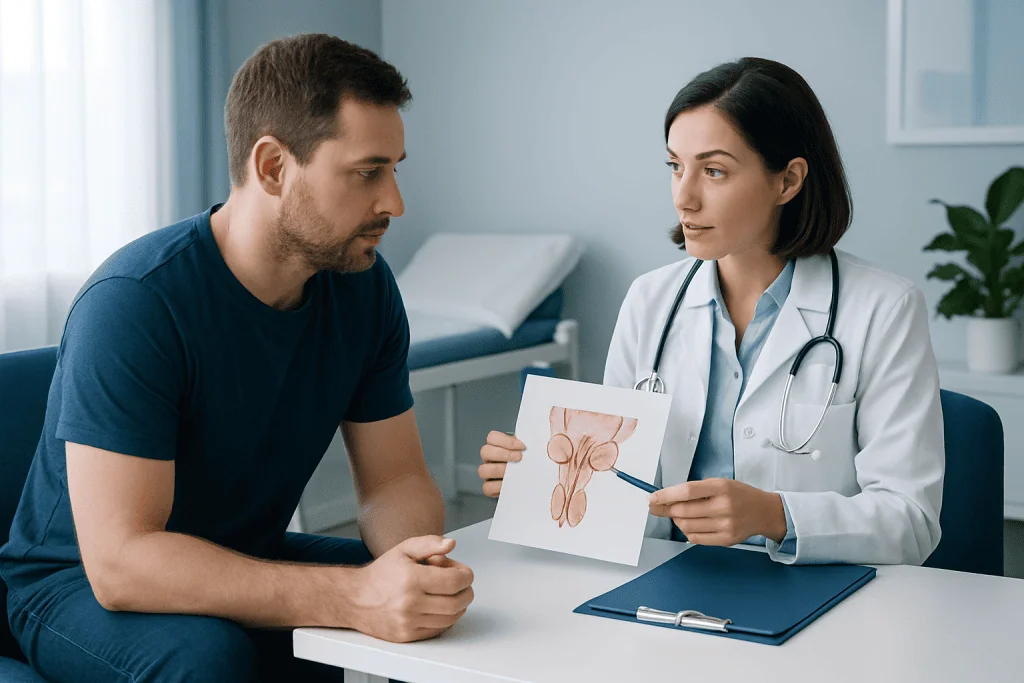
The testicles continue to make sperm after vasectomy, but the sperm are naturally broken down and absorbed by the body. Semen is still produced by the prostate and seminal vesicles, so ejaculation continues and usually looks and feels the same. The volume of semen may change so little that it is not noticeable.
Vasectomy may be suitable for an adult who is certain that they do not want biological children in the future, or do not want more children. It is often considered when a couple wants a highly effective permanent method of contraception without relying on ongoing medicines or devices.
Before proceeding, a clinician reviews medical history, current medicines, bleeding risks, previous scrotal surgery, allergies and reproductive goals. A vasectomy should not be chosen during a period of uncertainty or pressure from another person. Although reversal may sometimes be attempted, it is more complex and less predictable than vasectomy itself.
Vasectomy does not protect against sexually transmitted infections. Condoms remain important when there is a risk of infection, including with new or untested sexual partners.
Vasectomy Procedure: What Happens Step by Step
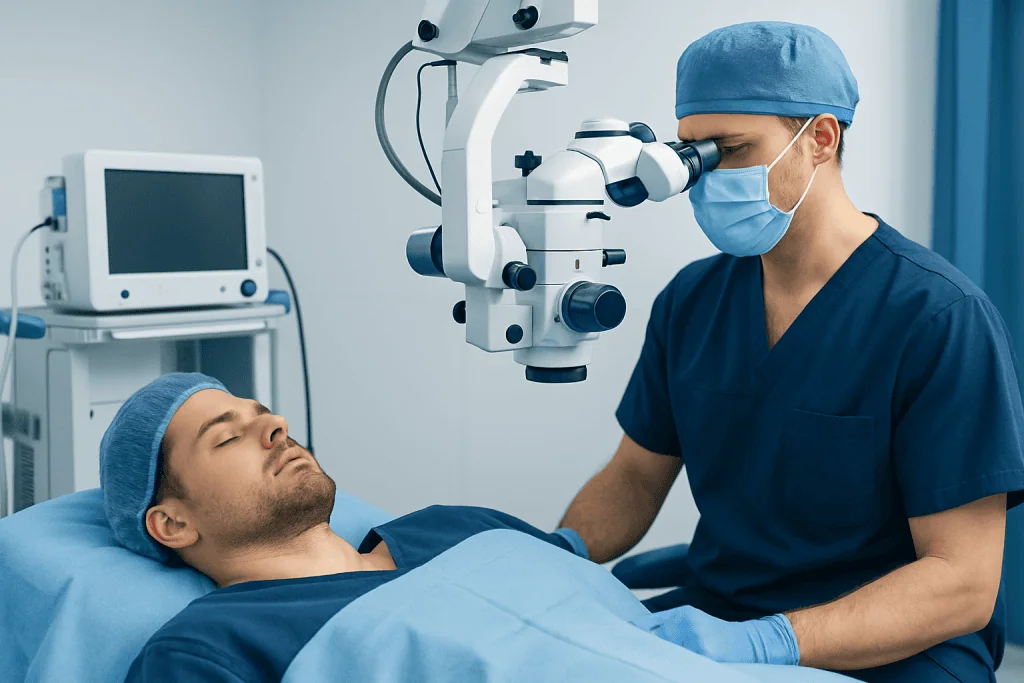
Before the appointment, the urologist gives instructions about medicines, bathing, food and arranging transport if needed. Some people may be advised to avoid medicines or supplements that increase bleeding risk, but this should only be done after advice from the prescribing clinician. The scrotal area may be trimmed or cleaned according to the clinic’s instructions.
During the procedure, local anaesthetic is injected into the skin and tissues of the scrotum. The urologist then reaches each vas deferens through one or two small openings, or through a small puncture in a no-scalpel technique. A short section may be removed, and the tube ends are sealed, tied, clipped, separated or treated with heat, depending on the method used.
The small opening may be closed with dissolvable stitches or may be left to heal naturally. The procedure itself often takes less than an hour, though appointment time can be longer for preparation and recovery instructions. Patients can discuss vasectomy treatment options with a urology specialist before deciding which approach is appropriate.
Afterwards, a dressing and supportive underwear may be recommended. The clinician explains pain relief options, wound care, activity limits and the schedule for semen analysis.
Vasectomy Surgery Recovery: Rest, Comfort and Timeline
Vasectomy surgery recovery is usually straightforward, but allowing time for healing can reduce swelling and discomfort. Resting at home for the remainder of the procedure day and the following day is commonly advised. Supportive underwear, a wrapped cold pack used intermittently, and clinician-approved pain relief can help during the first 24 to 48 hours.
How long should I rest after getting a vasectomy? Most people should plan for one to two days of relative rest, avoiding long walks, heavy lifting, cycling, running and strenuous work. Desk-based work may be possible after a couple of days if the person feels comfortable, while physically demanding jobs may require more time away.
How long to feel 100% after a vasectomy? Mild tenderness, bruising or swelling can last for several days, and many people feel fully comfortable within one to two weeks. However, recovery varies. Strenuous exercise is often postponed for about one week or until discomfort and swelling have settled, while sexual activity can usually resume when it feels comfortable and the incision is healing well.
The vasectomy procedure and recovery time also include the period needed to confirm infertility. A semen sample is typically tested several weeks to months after surgery, according to the urologist’s instructions. Until the result confirms success, pregnancy remains possible and backup contraception must be used.
How Does Your Body Change After a Vasectomy?
How does your body change after a vasectomy? The main physical change is that sperm no longer travel into the semen. Sperm production continues in the testicles, and unused sperm are absorbed by the body. This is a normal process and does not cause sperm to build up in a harmful way.
Vasectomy does not lower testosterone or cause male menopause. It does not normally alter facial or body hair, muscle mass, voice, energy level, libido, erections, orgasm or urinary function. Because sperm make up only a small part of semen, most people notice no meaningful change in ejaculation.
Some people experience temporary swelling, bruising or sensitivity around the scrotum during healing. Emotional responses also vary. A person may feel relieved about contraception, while another may need time to adjust to the decision’s permanence. Discussing concerns openly with a clinician or counsellor before the procedure can be helpful.
Benefits, Limitations and Potential Downsides
Vasectomy is a highly effective form of permanent contraception once follow-up testing confirms it has worked. It avoids the need for ongoing contraceptive prescriptions, repeated procedures or daily planning. It also places no hormonal burden on the person having the vasectomy.
What is the downside of getting a vasectomy? The most important limitation is permanence: future fertility should not be assumed, even though reversal procedures are sometimes possible. Vasectomy also requires a short recovery period, does not protect against sexually transmitted infections, and is not immediately effective.
Possible early risks include bleeding under the skin, a collection of blood called a haematoma, infection, bruising, swelling and short-term pain. Less commonly, a small sperm granuloma can form, chronic scrotal pain may persist, or the vas deferens can reconnect, allowing sperm to return to the semen. Follow-up semen testing helps identify whether the procedure has been successful.
Any individual concerns, including a history of chronic testicular pain, prior scrotal surgery or anxiety about permanent contraception, should be discussed with a urologist before treatment.
When to Seek Medical Care
Contact the treating clinic promptly if there is worsening rather than improving pain, increasing redness or warmth of the scrotum, fever, pus or foul-smelling drainage, or bleeding that does not stop with gentle pressure. Rapidly enlarging swelling, severe bruising or a large, painful scrotal lump also needs medical assessment.
Medical advice is also appropriate for pain that continues beyond the expected recovery period, pain that interferes with daily life, or concerns about wound healing. A clinician can check for infection, a haematoma, inflammation or other causes and recommend suitable care.
People should not assume that pregnancy is impossible until their clinician confirms the semen test result. If pregnancy occurs or is suspected after vasectomy, the couple should contact a healthcare professional. Acibadem International’s multidisciplinary specialists and JCI-accredited hospitals provide assessment and treatment for international patients considering or recovering from vasectomy.
Frequently asked questions
Is vasectomy surgical painful?
Local anaesthetic is used so the procedure itself should not be painful, although brief pressure or pulling sensations may be felt. Mild soreness, swelling and bruising are common for several days afterwards and can usually be managed with rest, scrotal support and clinician-recommended pain relief.
How long does vasectomy surgery recovery take?
Many people can return to light daily activities and desk work within two to three days, depending on comfort and the nature of their work. Bruising or tenderness may take one to two weeks to settle, and strenuous activity is usually delayed until healing is progressing well.
Can someone get a partner pregnant after a vasectomy?
Yes, pregnancy can occur until semen testing confirms that the vasectomy has worked. Sperm may remain in the reproductive tract for weeks or months after the procedure, so another contraceptive method is needed until the treating clinician confirms it can be stopped.
Does vasectomy affect erections, sex drive or orgasm?
Vasectomy does not normally affect testosterone, erections, sexual desire or orgasm. It blocks sperm transport rather than the nerves, blood vessels or hormone-producing tissues involved in sexual function.
Is vasectomy reversible?
A reversal operation may be possible in some cases, but it is more complicated than vasectomy and pregnancy cannot be guaranteed afterwards. For this reason, vasectomy should be treated as a permanent decision.
When can sex resume after a vasectomy?
Sexual activity can usually resume when the person feels comfortable and the incision area is healing well, often after about a week. Ejaculation is safe for the surgical site once comfortable, but backup contraception is still essential until semen testing confirms success.
References
- American Urological Association
- European Association of Urology
- National Health Service
- Mayo Clinic
This article is for general information only and is not a substitute for professional medical advice. Please consult a qualified doctor about your individual situation.
Vasectomy in Turkey — costs, top hospitals & a free quote
JCI-accredited · board-certified surgeons · reply within 24h