Rns Implant: An Evidence-Based Patient Guide

RNS is intended for adults with drug-resistant focal-onset seizures when one or two seizure-onset areas can be identified. The system includes a small skull-mounted neurostimulator and one or two leads placed at seizure-onset areas.
Key Takeaways
- RNS is intended for adults with drug-resistant focal-onset seizures when one or two seizure-onset areas can be identified.
- The system includes a small skull-mounted neurostimulator and one or two leads placed at seizure-onset areas.
- RNS records brain activity and provides responsive stimulation; clinicians adjust settings over repeated follow-up visits.
- Recovery commonly involves a brief hospital stay and several weeks of gradual healing, while stimulation is programmed and refined over time.
- RNS, VNS and epilepsy surgery serve different needs; the best option depends on seizure type, seizure location, health and personal priorities.
An RNS implant is a surgically placed device for selected people with drug-resistant focal epilepsy. It continuously monitors brain activity and can deliver small electrical pulses when it detects seizure patterns, aiming to reduce seizure frequency over time rather than provide an immediate cure.
RNS implant overview: what it is and how it works
An RNS implant, short for responsive neurostimulation, is an implanted medical device used to help manage drug-resistant focal epilepsy. Focal seizures start in a specific area of the brain. RNS may be considered when seizures continue despite appropriate trials of anti-seizure medicines and when testing identifies one or two brain regions where seizures begin.
The system has a small neurostimulator placed within the skull and one or two thin leads positioned at or near the seizure-onset area. The device continuously records electrical brain activity. When it recognizes a pattern associated with an individual’s seizures, it can deliver brief, carefully programmed electrical stimulation intended to interrupt or modify that abnormal activity.
RNS does not remove the part of the brain causing seizures, and it is not usually expected to stop every seizure immediately. Its benefit is typically assessed over months and years, as the epilepsy team reviews stored brain recordings and adjusts treatment settings. It is one option within the broader care of epilepsy, alongside medication, lifestyle support and, for some people, other procedures.
Who may be a candidate for an RNS implant?
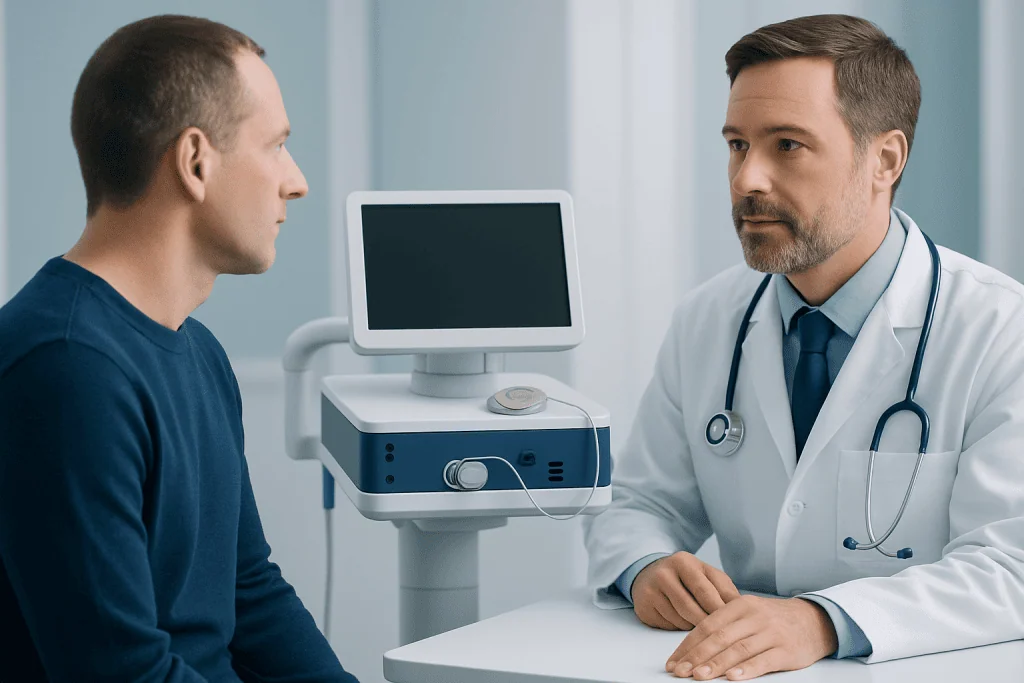
RNS is generally considered for adults with focal-onset seizures that remain uncontrolled despite trials of suitable anti-seizure medications. A key requirement is that a comprehensive epilepsy assessment can identify no more than two likely seizure-onset areas that can be reached safely with the leads. The device may be useful when removing the seizure-producing tissue could affect important functions such as language, movement or memory.
Assessment is individualized and usually takes place in a specialist epilepsy center. It may include a detailed seizure history, medication review, MRI or other brain imaging, prolonged video electroencephalography (EEG), neuropsychological assessment and sometimes invasive EEG monitoring. These investigations help confirm the seizure type and locate where seizures start.
RNS may not be suitable for every person with epilepsy. The team considers the number and location of seizure sources, surgical risks, ability to attend follow-up programming, other health conditions and whether an implanted device is appropriate. Pregnancy plans, infection risks, blood-thinning medicines and prior cranial surgery should be discussed openly with the care team.
People may also hear about vagus nerve stimulation (VNS). VNS implant indications differ from RNS indications: VNS stimulates the vagus nerve in the neck and may be used for a wider range of drug-resistant epilepsy patterns, without requiring a precise brain seizure focus. A specialist can explain whether either approach, or another epilepsy treatment, fits the individual situation.
RNS implant procedure: what happens step by step
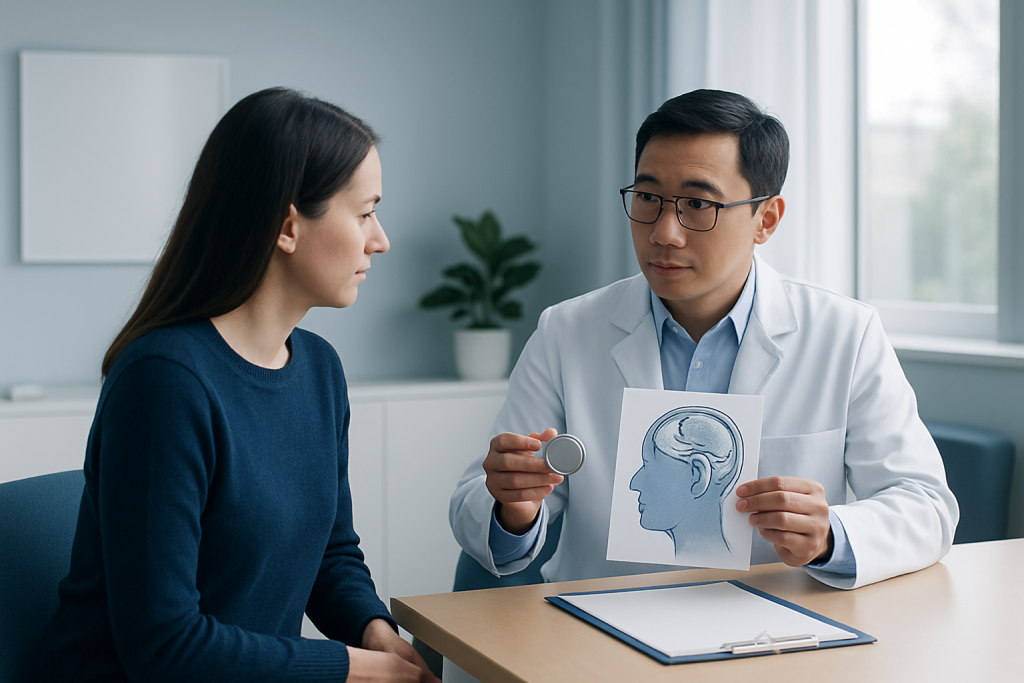
Before surgery, the neurosurgery and epilepsy teams plan the lead locations using the person’s imaging and seizure-monitoring results. The individual receives instructions about medicines, fasting and preparation for anesthesia. Anti-seizure medicines are often continued unless the treating team gives different advice.
During the operation, performed under general anesthesia, the surgeon makes an opening in the skull to place the neurostimulator flush with the skull. One or two leads are then positioned in or on the brain near the identified seizure-onset area. The device is connected to the leads and secured, and the surgical sites are closed.
After surgery, the person is monitored in hospital, often for one or more days depending on their recovery and medical needs. Imaging may be performed to confirm lead placement. The device may record brain activity soon after implantation, but stimulation is commonly activated and adjusted after initial healing according to the epilepsy team’s plan.
Ongoing care is an essential part of treatment. The device data are reviewed during follow-up, often alongside a seizure diary, to help the clinical team tailor detection and stimulation settings. In experienced multidisciplinary programs, epilepsy surgery evaluation and treatment considers RNS alongside resective surgery, laser-based procedures and other neuromodulation options.
How long does it take to recover from an RNS implant?
Recovery varies, but many people spend a short period in hospital after the procedure and then continue recovering at home over several weeks. Headache, tenderness at the incision, swelling and fatigue can occur early on. These symptoms usually improve as the surgical wounds heal, although each person’s course is different.
The surgeon will give specific instructions about wound care, bathing, activity, driving and returning to work or school. Strenuous activity, contact sports and actions that could injure the head are commonly limited during early recovery. Follow-up appointments allow the team to check healing, remove sutures or staples if needed, and begin or refine device programming.
Healing from surgery and seeing the full treatment effect are separate timelines. The device settings are personalized gradually, and seizure improvement may build over time rather than appearing immediately after implantation. People should continue prescribed anti-seizure medication unless their epilepsy specialist advises a change.
Contact the surgical team promptly for increasing redness, drainage, fever, worsening pain, a new neurological symptom or concerns about the incision. Sudden or prolonged seizures should be managed according to the person’s existing seizure action plan and local emergency guidance.
Benefits, risks and daily considerations
The main potential benefit of RNS is a reduction in seizure frequency or severity for appropriately selected people with drug-resistant focal epilepsy. The device also provides long-term recordings of brain activity, which can give the clinical team useful information about seizure patterns. However, outcomes vary, and RNS is not a cure or a replacement for ongoing epilepsy care.
As with any brain operation, risks include bleeding, infection, pain, swelling, wound problems, changes in neurological function and anesthesia-related complications. Device-specific issues can include lead movement or breakage, device malfunction, need for additional surgery, and stimulation-related sensations or symptoms. The treating team discusses individual risks before surgery.
People with implanted neurostimulation systems should tell healthcare professionals, dentists and imaging staff about the device before tests or procedures. They should carry the device identification information provided by their clinical team. This is similar to the practical role of a VNS implant card, which helps clinicians verify the implanted system and its safety instructions.
Medical procedures can have device-related restrictions. For example, certain forms of electromagnetic treatment, diathermy and some surgical equipment may require special precautions or may be unsuitable. Recommendations depend on the exact RNS model and settings, so manufacturer guidance and the epilepsy team’s instructions should always be followed.
Is it safe to have an MRI with an RNS implant?
MRI safety with an RNS implant depends on the exact neurostimulator model, lead configuration and the MRI conditions specified by the manufacturer. Some newer RNS systems are MRI-conditional, meaning MRI may be possible only when specific requirements are met. Older systems or certain situations may have different restrictions.
Before any MRI is scheduled, the person should contact their epilepsy specialist or device clinic. The MRI facility needs to confirm the device model, review the manufacturer’s current MRI instructions and coordinate any needed device checks or programming changes. An MRI should never be arranged on the assumption that all implanted RNS devices have the same compatibility.
Other imaging examinations may be considered when clinically appropriate, but the radiology team should still be informed about the implant. Carrying device identification details and asking the epilepsy team for written guidance can help prevent delays and support safe imaging decisions.
Can you feel the RNS device?
Most people can feel a firm area beneath the scalp where the neurostimulator is positioned, particularly when touching the scalp. In many cases, the device is not highly noticeable in day-to-day life once swelling has settled, although appearance and sensation vary with head shape, hair and the surgical site.
Many people do not feel the electrical stimulation itself. If stimulation causes a noticeable sensation, discomfort, muscle twitching or another symptom, the epilepsy team should be informed. Settings can often be reviewed and adjusted, but new symptoms should not be self-managed by changing medicines or delaying medical advice.
Persistent tenderness, a prominence that seems to change, skin thinning over the device, drainage or signs of infection warrant prompt contact with the surgical team. Follow-up visits are designed not only to adjust the device but also to assess comfort, wound health and everyday functioning.
Which is better, VNS or RNS?
Neither VNS nor RNS is universally better; they work differently and are selected for different clinical situations. RNS is a brain-responsive system that requires one or two identifiable seizure-onset areas. VNS is placed in the chest with a lead to the vagus nerve in the neck and provides intermittent nerve stimulation, without needing the seizure focus to be precisely localized.
RNS may be especially relevant when focal seizures arise from one or two areas that cannot safely be removed. VNS may be considered for people with focal or generalized seizure patterns, multifocal seizures, or seizures that cannot be localized well enough for a brain-targeted device. Both treatments are generally used in addition to, not automatically instead of, anti-seizure medication.
Questions such as a VNS implant CPT code are administrative and depend on the country, insurer, procedure details and billing rules; they do not determine which treatment is clinically appropriate. Similarly, VNS implant contraindications and VNS implant restrictions must be reviewed individually, including device interactions, MRI conditions and planned medical procedures.
A multidisciplinary epilepsy team can compare the likely benefits, limitations and practical demands of VNS, RNS and other options. Acibadem International’s multidisciplinary specialists at JCI-accredited hospitals evaluate and treat epilepsy for international patients, coordinating neurology, neurosurgery, imaging and follow-up care where appropriate.
When to seek medical care
Anyone having suspected seizures, recurrent episodes of lost awareness, unexplained falls, unusual movements or periods of confusion should seek medical assessment. A prompt review is particularly important when seizures continue despite medication, change in pattern, cause injury or interfere with work, school, sleep or independence. Referral to an epilepsy specialist can clarify diagnosis and treatment options.
Emergency care is needed for a seizure lasting longer than the time specified in the person’s seizure action plan, repeated seizures without recovery between them, serious injury, breathing difficulty, a seizure in water, or a first seizure with ongoing confusion. Local emergency services should be contacted when urgent help is needed.
After an RNS implant, the surgical team should be contacted urgently for signs of infection, wound opening, new weakness, speech difficulty, severe or escalating headache, or a substantial change in seizures. Regular review remains important even when seizures improve, because device settings and the wider treatment plan may need adjustment.
Frequently asked questions
What is an RNS implant used for?
An RNS implant is used to help reduce seizures in selected adults with drug-resistant focal epilepsy. It is designed for situations where one or two seizure-onset areas can be identified and targeted with implanted leads. It is usually part of a broader epilepsy treatment plan.
Does an RNS implant cure epilepsy?
RNS is not considered a cure for epilepsy. Its goal is to reduce seizure burden by detecting abnormal brain activity and delivering responsive stimulation. Some people continue to have seizures and usually remain under regular epilepsy care, including medication management.
How long does it take to recover from an RNS implant?
Initial recovery commonly includes a short hospital stay followed by several weeks of wound healing and gradual return to usual activities. The exact schedule depends on the surgery, overall health and the surgeon’s instructions. Device programming and seizure improvement may continue to evolve over months or longer.
Is it safe to have an MRI with an RNS implant?
MRI may be possible for certain RNS systems under specific MRI-conditional requirements, but eligibility depends on the exact device model and manufacturer instructions. The epilepsy device team and MRI department must review the implant details before scanning. A person should never assume MRI is safe without this confirmation.
Can you feel the RNS device?
A person may be able to feel the neurostimulator as a firm area beneath the scalp. Most people do not feel the stimulation pulses, but individual experiences differ. New discomfort, visible skin changes or unusual sensations should be discussed with the epilepsy team.
Which is better, VNS or RNS?
The better choice depends on the type and location of seizures, previous treatments, medical history and personal goals. RNS requires identifiable focal seizure-onset areas, while VNS can be used without pinpointing a specific brain focus. An epilepsy specialist can compare the options after a full assessment.
References
- National Institute of Neurological Disorders and Stroke
- Epilepsy Foundation
- International League Against Epilepsy
- U.S. Food and Drug Administration
- NeuroPace, Inc. Instructions for Use
This article is for general information only and is not a substitute for professional medical advice. Please consult a qualified doctor about your individual situation.
Explore treatments in Turkey — costs, top hospitals & a free quote
JCI-accredited · board-certified surgeons · reply within 24h
Add us as a Preferred Source to see more of our trusted health content across Google Search, AI Overviews and Discover.