Bowel and Bladder Dysfunction Treatment: How It Works, Results and What to Expect

Bowel and bladder symptoms can occur separately or together and may result from pelvic floor, digestive, urinary or neurological conditions. Assessment aims to identify reversible causes and to check for complications such as urinary retention, infection, constipation or skin problems.
Key Takeaways
- Bowel and bladder symptoms can occur separately or together and may result from pelvic floor, digestive, urinary or neurological conditions.
- Assessment aims to identify reversible causes and to check for complications such as urinary retention, infection, constipation or skin problems.
- Many people benefit from structured routines, fluid and diet adjustments, pelvic floor therapy and appropriately selected medicines.
- Neuromodulation, catheter-based approaches and surgery may be considered when conservative treatment is not sufficient.
- New loss of bladder or bowel control with leg weakness, numbness around the groin or severe back pain needs urgent medical assessment.
Bowel and bladder dysfunction treatment is tailored to the underlying cause, the type of symptoms and their effect on daily life. Care may combine bowel and bladder routines, pelvic floor rehabilitation, medicines, devices or procedures, with specialist follow-up to protect health and improve independence.
Overview: How bowel and bladder dysfunction treatment works
Bowel and bladder dysfunction treatment works by finding the cause of symptoms and building a practical plan to improve continence, regular emptying and quality of life. Treatment can involve simple daily measures, rehabilitation, medication, continence products, catheter techniques, nerve stimulation or, in selected cases, surgery. The best approach depends on whether symptoms involve leakage, urgency, constipation, incomplete emptying or a combination of these problems.
The bladder and bowel rely on coordinated muscles, nerves and brain signals. Problems can develop after childbirth, pelvic surgery, prostate conditions, aging-related changes, constipation, infections, medication effects or neurological disorders. Some people have a functional bowel or bladder problem, while others have neurogenic dysfunction caused by conditions affecting the brain, spinal cord or peripheral nerves.
Care is usually coordinated across urology, gastroenterology or colorectal care, neurology, rehabilitation medicine, nursing and pelvic floor physiotherapy. The goal is not simply to reduce accidents; it is also to preserve kidney and bowel health, avoid avoidable complications and help the person participate comfortably in everyday life.
Is bladder and bowel dysfunction serious?
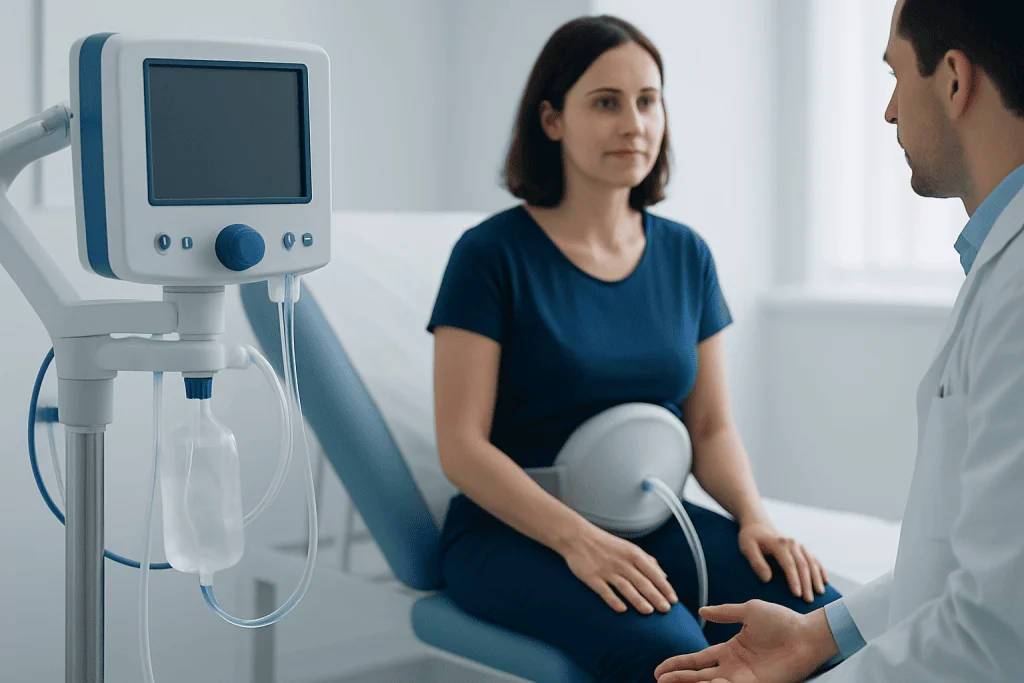
Bladder and bowel dysfunction can range from mild and manageable to medically important, depending on its cause and severity. Urgency, occasional leakage or constipation are common and often respond well to assessment and conservative care. However, ongoing urinary retention, recurrent urinary infections, severe constipation, faecal impaction or significant incontinence should not be ignored because they can affect health, skin integrity, sleep, confidence and daily activities.
When dysfunction is related to a neurological condition, regular follow-up may be especially important. Incomplete bladder emptying can, in some circumstances, increase pressure in the urinary system and affect the kidneys. A planned programme of bladder emptying, bowel management and monitoring can substantially reduce these risks.
Sudden symptoms deserve particular attention. New inability to pass urine, sudden loss of bowel control, numbness around the buttocks or genital area, weakness in the legs, or severe back pain with new bladder or bowel changes may indicate a spinal emergency and requires urgent assessment.
What are the symptoms of loss of bowel and bladder function?

Loss of bowel and bladder function does not always mean complete loss of control. Symptoms may be intermittent, gradual or sudden, and they can affect urine storage, emptying, bowel movement frequency or control of stool and gas. Keeping a short symptom diary can help a clinician understand patterns related to meals, fluids, activity, medicines and toilet access.
- Bladder symptoms: urgency, frequent urination, waking at night to urinate, urine leakage, difficulty starting urine flow, a weak stream, straining, a feeling of incomplete emptying, or repeated urinary infections.
- Bowel symptoms: constipation, hard stools, infrequent bowel movements, straining, bloating, incomplete evacuation, stool leakage, inability to defer a bowel movement, or loss of awareness of rectal fullness.
- Associated symptoms: pelvic pain, back pain, leg weakness, altered sensation, sexual difficulties, fatigue or skin irritation related to leakage.
Symptoms can overlap with other conditions. For example, constipation can worsen urinary urgency and leakage by placing pressure on the bladder. Likewise, limited mobility, cognitive changes and certain medicines can affect both bowel and bladder function, which is why an individual assessment is important.
Causes, candidacy and assessment at a bowel and bladder clinic
People are candidates for assessment when urinary or bowel symptoms persist, interfere with daily life, recur despite basic self-care, or occur with a known neurological, pelvic or spinal condition. Evaluation is also appropriate for recurrent urinary infections, troublesome constipation, leakage, suspected retention or a recent meaningful change in function.
Potential causes include overactive bladder, pelvic floor weakness or poor coordination, enlarged prostate, pelvic organ prolapse, chronic constipation, inflammatory bowel conditions, diabetes, medication effects and nerve-related disorders. Neurological causes can include stroke, multiple sclerosis, Parkinsonian conditions, spinal cord injury, spinal stenosis and peripheral neuropathy. Where appropriate, clinicians may also consider related spinal cord injury or other neurological disorders that affect nerve signalling.
At a bowel and bladder clinic, the first visit usually includes a detailed history, review of medicines, physical examination and discussion of goals. The team may ask the person to complete bladder and bowel diaries. Tests may include urine testing, blood tests, ultrasound to measure urine remaining after voiding, kidney imaging, urodynamic testing to assess bladder storage and emptying, and selected bowel investigations.
The assessment is designed to identify treatable contributors and match treatment to the person’s abilities, preferences and home situation. It may also identify whether a person needs support from a pelvic floor physiotherapist, continence nurse, neurologist, gastroenterologist, colorectal specialist or urologist.
How do you fix bladder and bowel dysfunction?
There is no single fix for all types of bowel and bladder dysfunction. Treatment is most effective when it addresses the cause and uses a consistent daily plan. For many people, the first steps include timed toileting, adequate but not excessive fluid intake, adjustment of bladder irritants where relevant, regular physical activity, constipation management and review of medicines that may worsen symptoms.
Pelvic floor rehabilitation can improve muscle strength, coordination and toileting habits for selected people with urinary or faecal leakage. A therapist may teach exercises, bladder training, urge-control strategies, relaxed voiding or techniques to make bowel emptying more predictable. Treatment should be individualized; some people have overactive or poorly coordinated pelvic floor muscles and need relaxation rather than strengthening alone.
Clinicians may prescribe medicines for overactive bladder, urinary flow problems, constipation or bowel urgency when suitable. In cases of incomplete bladder emptying, clean intermittent catheterization may be recommended as a safe, planned way to drain urine. Bowel programmes may include scheduled toileting and clinician-guided use of stool-softening or bowel-emptying medicines.
When symptoms continue despite conservative treatment, specialist options may include sacral neuromodulation, which uses gentle electrical stimulation to influence nerves involved in bladder and bowel control. Other procedures, such as botulinum toxin treatment for selected bladder conditions or reconstructive surgery, are considered only after careful investigation and shared decision-making.
Step by step: procedures, recovery and expected results
The treatment pathway normally begins with non-invasive measures and review appointments rather than an immediate procedure. If a procedure is appropriate, clinicians explain its purpose, alternatives, likely benefits, limitations and possible complications. The specific steps vary considerably between treatments, so the care team provides individualized instructions before and after any intervention.
For nerve stimulation approaches, assessment may involve a temporary test phase to see whether symptoms improve before a longer-term device is considered. For bladder injections or catheter-related interventions, preparation may include urine testing and discussion of the possibility of temporary difficulty emptying the bladder. Surgical procedures are reserved for particular anatomical or functional problems and require more detailed preoperative planning.
Recovery can be rapid after clinic-based treatment, while implant procedures or surgery may require days to weeks of activity adjustments and follow-up. Improvement may be gradual, particularly with pelvic floor therapy, bowel retraining or medication adjustments. A symptom diary helps measure changes in leakage episodes, urgency, bowel regularity and comfort rather than relying on memory alone.
Potential benefits include fewer accidents, more predictable toileting, better sleep, greater confidence and reduced complications from retention or constipation. Risks depend on the treatment and can include medication side effects, urinary infection, temporary retention, pain or device-related issues. Promptly reporting fever, worsening pain, inability to urinate or a sudden change in neurological symptoms supports safe care.
Self-care, prevention and when to seek medical care
Not every cause can be prevented, but everyday measures can reduce symptom burden. A regular toileting schedule, sufficient fluids, gradual dietary fibre changes when appropriate, movement within a person’s ability and good skin care can all help. People should avoid severely restricting fluids to control leakage, as concentrated urine may irritate the bladder and contribute to dehydration or constipation.
It is useful to seek non-urgent medical advice for persistent leakage, urgency, constipation, difficulty emptying the bladder, recurrent urinary infections, blood in urine or stool, or symptoms affecting work, sleep or social life. Earlier assessment often makes it easier to identify contributing factors and create an effective plan.
Urgent medical care is needed for sudden inability to pass urine; new bowel or bladder incontinence with severe back pain; weakness or numbness in the legs; numbness in the saddle area; fever with urinary symptoms; or severe abdominal swelling and pain. These symptoms do not always indicate a serious cause, but they need timely evaluation.
Acibadem International’s multidisciplinary specialists and JCI-accredited hospitals can assess and treat bowel and bladder dysfunction for international patients, coordinating urology, neurology, rehabilitation and digestive care when needed.
Frequently asked questions
Is bladder and bowel dysfunction serious?
It can be serious when it is caused by a neurological problem, leads to urinary retention, repeated infections, severe constipation or affects kidney function. Many cases are treatable and do not represent an emergency, but persistent or worsening symptoms should be assessed. Sudden changes with leg weakness, groin numbness or severe back pain need urgent care.
How do you fix bladder and bowel dysfunction?
Treatment depends on the underlying cause and may include timed toileting, dietary and fluid adjustments, pelvic floor rehabilitation, medicines and bowel or bladder emptying plans. Some people benefit from nerve stimulation, catheter techniques or surgery. A clinician can determine which options are appropriate after assessing symptoms and tests.
What happens at a bowel and bladder clinic?
The clinic team reviews symptoms, medical history, medicines and daily habits, often using bladder and bowel diaries. Assessment may include an examination, urine tests, ultrasound, tests of bladder function or selected bowel investigations. The person then receives an individualized management plan and follow-up support.
What are the symptoms of loss of bowel and bladder function?
Symptoms may include urine or stool leakage, intense urgency, constipation, difficulty starting urination, incomplete emptying, weak urine flow or reduced awareness of the need to use the toilet. Some people also have recurrent urinary infections, abdominal bloating or skin irritation. Sudden onset with neurological symptoms needs urgent medical assessment.
Can constipation make bladder symptoms worse?
Yes. A full bowel can place pressure on the bladder and may worsen urgency, frequency, leakage or incomplete emptying. Treating constipation is therefore often an important part of a bladder treatment plan. Dietary changes and laxative medicines should be discussed with a healthcare professional when symptoms are ongoing.
Can bowel and bladder dysfunction improve with pelvic floor therapy?
Pelvic floor therapy can help many people with leakage, urgency and muscle coordination problems. It may include tailored exercises, bladder training, bowel routines and strategies for emptying without straining. It is most effective when the programme is matched to the individual diagnosis rather than using generic exercises alone.
References
- National Institute of Diabetes and Digestive and Kidney Diseases
- American Urological Association
- National Institute for Health and Care Excellence
- International Continence Society
- Mayo Clinic
This article is for general information only and is not a substitute for professional medical advice. Please consult a qualified doctor about your individual situation.
Persistent digestive symptoms? Get evaluated in Turkey
JCI-accredited · board-certified surgeons · reply within 24h
Add us as a Preferred Source to see more of our trusted health content across Google Search, AI Overviews and Discover.

More from the Health Library



Related Specialists

Fzt. Gizem Erbil
Physical Medicine & Rehabilitation
Dr. Alper Tunga Özbek
Pediatrics
Assoc. Prof. Dr. İlker Özgür Koska
Radiology
Dyt. Hüda Sevimli
Nutrition & Diet