Surgical Removal of Dermoid Cyst: Procedure, Recovery and Results
Dermoid cysts are usually benign growths that can occur in the ovary, skin, or less commonly other areas of the body. The surgical approach depends on the cyst’s location, size, symptoms, imaging findings, and a person’s overall health and fertility plans.
Key Takeaways
- Dermoid cysts are usually benign growths that can occur in the ovary, skin, or less commonly other areas of the body.
- The surgical approach depends on the cyst’s location, size, symptoms, imaging findings, and a person’s overall health and fertility plans.
- For ovarian dermoid cysts, surgeons often aim to remove the cyst while preserving healthy ovarian tissue whenever possible.
- Recovery after laparoscopic surgery is usually shorter than after open surgery, but individual healing times vary.
- New or worsening pain, fever, persistent vomiting, heavy bleeding, wound problems, or breathing symptoms require prompt medical advice.
Surgical removal of a dermoid cyst is commonly recommended when a cyst is painful, growing, causing complications, or cannot be confidently identified with imaging. The operation and recovery vary by the cyst’s location, with many ovarian dermoid cysts treated using minimally invasive surgery when appropriate.
Overview: Surgical Removal of a Dermoid Cyst
Surgical removal of dermoid cyst involves taking out the cyst and, when possible, preserving the surrounding healthy tissue. It is usually a planned procedure rather than an emergency, although urgent treatment may be needed if an ovarian cyst twists the ovary, ruptures, or causes severe symptoms.
A dermoid cyst is a type of mature teratoma, a usually noncancerous growth that may contain tissues such as skin, hair, fat, or teeth. In the ovary, it is often called a mature cystic teratoma. Dermoid cysts may also develop in the skin, particularly around the head and neck, and their treatment is tailored to the body area involved.
Not every dermoid cyst needs immediate surgery. Small cysts that have reassuring features and cause no symptoms may sometimes be monitored with clinical review and imaging. A specialist can explain whether observation or surgery is the safer option in an individual situation.
Why Removal May Be Recommended and Who Is a Candidate
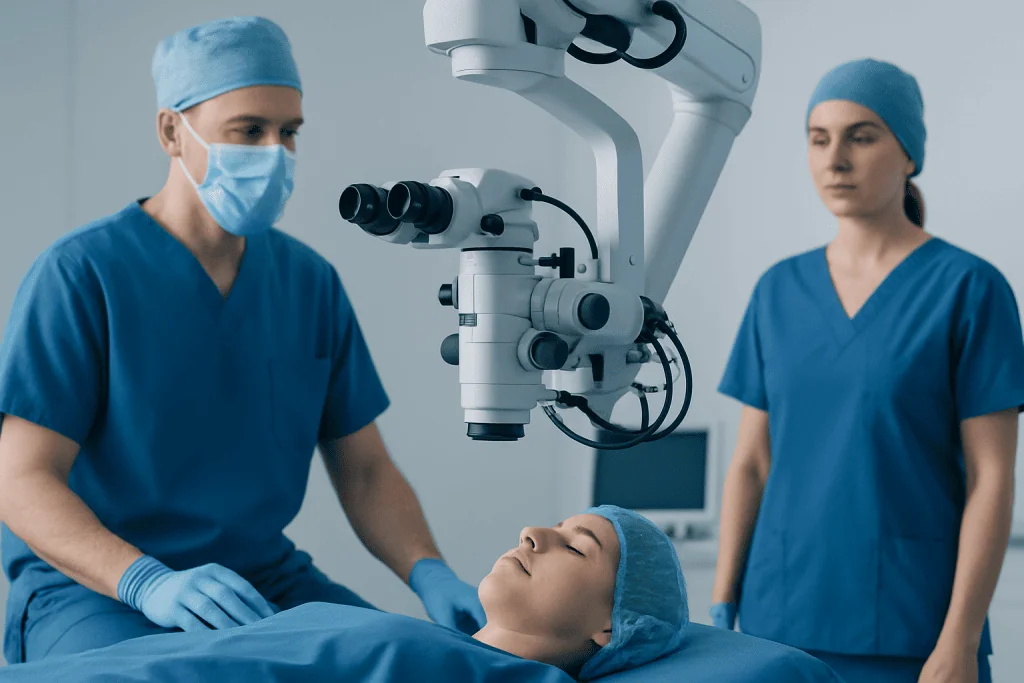
Doctors may recommend removal when a dermoid cyst is causing pain, pressure, visible swelling, repeated inflammation, or concern about infection. Surgery may also be advised if imaging shows growth, the diagnosis remains uncertain, or the cyst has features that make complications more likely.
For ovarian dermoid cysts, decisions also consider cyst size, risk of ovarian torsion, age, symptoms, pregnancy plans, and whether there is any concern for malignancy. Although most ovarian dermoid cysts are benign, the removed tissue is typically examined by a pathology laboratory to confirm the diagnosis.
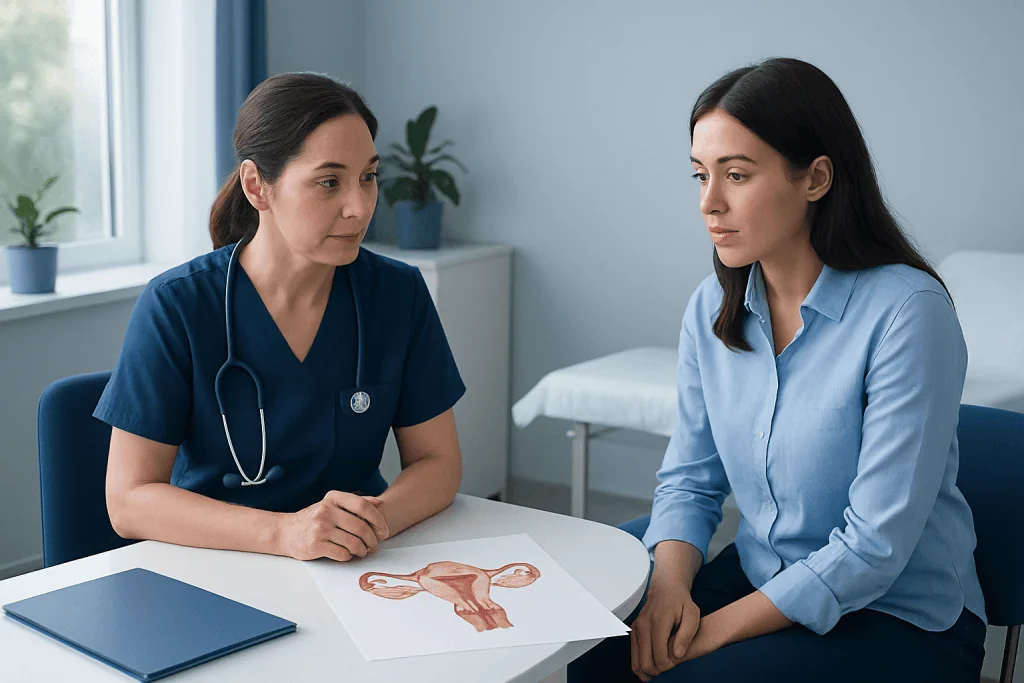
Before surgery, the care team reviews medical history, medicines, allergies, previous operations, and anesthesia risks. Tests may include ultrasound or other imaging, blood tests, and a pregnancy test when relevant. People taking blood-thinning medicines, diabetes medicines, or supplements should ask the surgical team whether these need adjustment before the procedure.
- Cystectomy removes the cyst while retaining the ovary or other nearby structure where feasible.
- Oophorectomy removes an ovary and may be considered when the ovary cannot be safely preserved or when other clinical factors apply.
- Excision is the term often used for removal of a skin or superficial dermoid cyst.
How Dermoid Cyst Removal Surgery Works
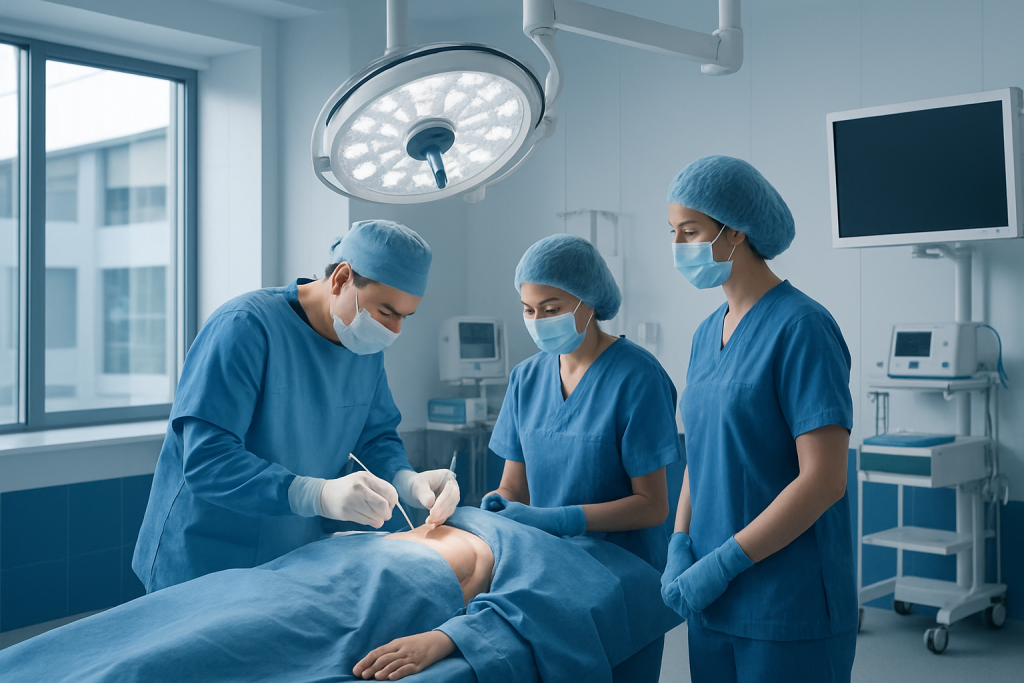
The details of surgical removal of dermoid cyst depend primarily on where it is located. Ovarian surgery is usually performed by a gynecologic surgeon under general anesthesia. A skin dermoid cyst may be removed under local anesthesia, sedation, or general anesthesia depending on its depth, location, size, and the patient’s age.
For an ovarian cyst, minimally invasive laparoscopy is often considered when suitable. The surgeon makes a few small abdominal incisions, inserts a camera and fine instruments, and separates the cyst from healthy ovarian tissue as carefully as possible. The cyst may be placed in a protective retrieval bag before removal to reduce spillage of its contents into the abdomen.
If the cyst is very large, difficult to access, suspicious on imaging, or associated with complications, an open operation through a larger abdominal incision may be the safest approach. The final decision can sometimes be made during surgery, based on what the surgeon finds and what is needed for safe removal.
For a superficial dermoid cyst, the surgeon makes an incision over or near the cyst, carefully removes it intact where possible, and closes the wound with sutures. The goal is complete excision, because leaving cyst tissue behind can allow it to return.
Step-by-Step: What Happens on the Day of Surgery
On the day of surgery, the patient checks in, meets the anesthesia and surgical teams, and has an opportunity to discuss questions and confirm consent. Fasting instructions are important because anesthesia may be used. A support person may be needed to take the patient home after same-day surgery.
After anesthesia is given, the surgical area is cleaned and prepared. During laparoscopic ovarian surgery, the abdomen is gently inflated with gas to create working space, and a camera provides a magnified view. The surgeon identifies the cyst, removes it using the planned technique, checks for bleeding, and closes the small incisions.
The removed cyst is sent for pathological examination. Afterward, the patient is observed in a recovery area while anesthesia wears off. Many laparoscopic and superficial cyst procedures are performed as day surgery, while an open abdominal procedure or a more complex case may require a hospital stay.
Care plans can involve gynecology, radiology, anesthesia, pathology, and fertility specialists when relevant. Acibadem International’s multidisciplinary specialists and JCI-accredited hospitals assess and treat dermoid cysts for international patients, including coordinated surgical and follow-up care.
What Should I Expect After Dermoid Cyst Removal Surgery?
Immediately after surgery, temporary tiredness, mild nausea, and discomfort around the incision are common. After laparoscopy, some people also have shoulder-tip discomfort for a short time because of the gas used during the operation. Pain relief, walking, fluids, and gradually returning to regular meals are usually encouraged according to the surgeon’s instructions.
Small amounts of vaginal spotting can occur after gynecologic surgery. Abdominal bloating, constipation, and mild cramping may also occur, especially after anesthesia or when opioid pain medicines are used. Drinking fluids, eating fibre as tolerated, and moving gently can help, but the care team should be contacted if symptoms are severe or persistent.
Incision care matters. The patient should keep wounds clean and dry as instructed, avoid soaking in baths or swimming until cleared, and watch for increasing redness, warmth, drainage, or separation of the wound edges. Follow-up is used to review healing and pathology results.
For ovarian dermoid cysts, removing one cyst does not completely prevent another from developing later in the same or opposite ovary. Ongoing gynecologic care and follow-up imaging may be advised based on the individual findings.
Is Dermoid Cyst Removal a Major Surgery?
Dermoid cyst removal can range from a relatively minor outpatient procedure to major abdominal surgery, depending on the cyst’s location and the operation required. Removal of a small, superficial skin cyst is commonly less extensive than removal of an ovarian cyst under general anesthesia.
Laparoscopic ovarian cystectomy is still a real operation and requires anesthesia, recovery time, and attention to possible complications, but it generally uses smaller incisions than open surgery. An open abdominal operation is more extensive and usually involves a longer hospital stay and recovery period.
The operation may be more complex when a cyst is very large, firmly attached to nearby tissues, twisted, ruptured, infected, or concerning for cancer. A surgeon can describe the expected level of surgery after reviewing imaging, symptoms, medical history, and the reason for removal.
How Long Does a Dermoid Cyst Removal Take to Heal?
Healing time varies with the type of surgery and the part of the body treated. After removal of a small superficial dermoid cyst, many people return to light activities within several days, although the skin and deeper tissues continue to heal for weeks. Sutures may dissolve or need removal at a planned appointment.
After laparoscopic removal of an ovarian dermoid cyst, many people feel able to resume gentle daily activity within one to two weeks. Full recovery, including return to more strenuous exercise and heavy lifting, may take around two to four weeks, depending on the procedure and the surgeon’s advice.
Open abdominal surgery generally requires more time. Recovery can take four to six weeks or longer, particularly if additional procedures were needed. Returning to activity should be gradual, and the patient should follow individualized guidance about work, driving, sexual activity, exercise, and lifting.
Recovery is not a competition. Pain should steadily improve rather than worsen, and fatigue may last longer than expected in some people. Follow-up review is the right time to discuss persistent symptoms, pathology results, and plans for future fertility or monitoring.
How Many Days Should I Rest After Ovarian Cyst Surgery?
After laparoscopic ovarian cyst surgery, most people need several days of focused rest at home, with short walks encouraged from the first day or two if the surgeon approves. Many can return to desk-based work in about one to two weeks, but the right timing depends on pain control, energy levels, job demands, and the extent of surgery.
After open ovarian surgery, a longer period away from work and routine responsibilities is common. Four to six weeks may be needed before resuming normal physical activities, though some people require more time. Heavy lifting, strenuous exercise, and driving should be avoided until the surgeon confirms it is safe.
Rest should be balanced with gentle movement to support circulation and bowel function. The patient should not push through significant pain or fatigue. A clinician should be asked for personalized return-to-work and activity guidance, particularly for physically demanding jobs or caregiving responsibilities.
Benefits, Risks, and When to Seek Medical Care
The main benefit of surgery is that it removes the cyst, can relieve symptoms, and provides a definite tissue diagnosis. For ovarian cysts, cystectomy may preserve ovarian tissue and reproductive potential. Surgery can also reduce the risk of future torsion or rupture from a cyst that is likely to cause problems.
Potential risks include bleeding, infection, blood clots, adverse reactions to anesthesia, injury to nearby organs, scarring, and the need to change from laparoscopy to open surgery. With ovarian surgery, there may also be loss of ovarian tissue, adhesion formation, cyst recurrence, or—less commonly—the need to remove an ovary. These risks are individual and should be discussed before surgery.
When to seek medical care: urgent assessment is important for sudden severe abdominal or pelvic pain, fainting, fever, repeated vomiting, heavy vaginal bleeding, chest pain, shortness of breath, or a swollen and painful leg. After surgery, the surgical team should also be contacted for worsening pain, fever, persistent vomiting, inability to pass urine, heavy bleeding, or signs of a wound infection.
Scheduled follow-up remains important even when recovery feels smooth. It allows the team to review pathology, monitor healing, and answer questions about returning to activities or managing future gynecologic care.
Frequently asked questions
Can a dermoid cyst be removed without removing the ovary?
Often, yes. For many ovarian dermoid cysts, surgeons perform a cystectomy, which removes the cyst while preserving as much healthy ovarian tissue as possible. Whether this is appropriate depends on the cyst’s size, location, appearance, complications, and the condition of the ovary.
Is laparoscopic surgery possible for an ovarian dermoid cyst?
Laparoscopic surgery is commonly used for ovarian dermoid cysts when it is clinically appropriate. It uses small incisions and may support a quicker recovery than open surgery. Some cysts require an open approach for safety, especially if they are large, complex, or concerning on imaging.
Will a dermoid cyst grow back after removal?
A completely removed cyst generally does not regrow in the same place. However, a new dermoid cyst can develop, and ovarian dermoid cysts can occasionally occur in the opposite ovary. A doctor can advise whether follow-up imaging is useful.
Can I get pregnant after ovarian dermoid cyst removal?
Many people can become pregnant after ovarian dermoid cyst removal, particularly when the ovary is preserved. Fertility depends on several factors, including age, ovarian reserve, the extent of surgery, and any other reproductive conditions. People planning pregnancy should discuss this with their gynecologist before surgery.
What foods should I eat after ovarian cyst surgery?
After anesthesia, people are often advised to start with fluids and light foods as tolerated, then return gradually to a balanced diet. Fluids and fibre-rich foods may help prevent constipation, unless the surgical team provides different instructions. Persistent vomiting, inability to eat or drink, or severe bloating should be reported.
When can I exercise after dermoid cyst surgery?
Gentle walking is usually encouraged soon after surgery if approved by the care team. More strenuous exercise, swimming, abdominal workouts, and heavy lifting should wait until the incisions and deeper tissues have healed and the surgeon gives clearance. The timeline is often shorter after laparoscopy than after open abdominal surgery.
References
- American College of Obstetricians and Gynecologists
- National Health Service
- Mayo Clinic
- Merck Manual Consumer Version
- Society of American Gastrointestinal and Endoscopic Surgeons
This article is for general information only and is not a substitute for professional medical advice. Please consult a qualified doctor about your individual situation.
Explore treatments in Turkey — costs, top hospitals & a free quote
JCI-accredited · board-certified surgeons · reply within 24h
Add us as a Preferred Source to see more of our trusted health content across Google Search, AI Overviews and Discover.