Endoscopic Surgery: Procedure, Recovery and Results
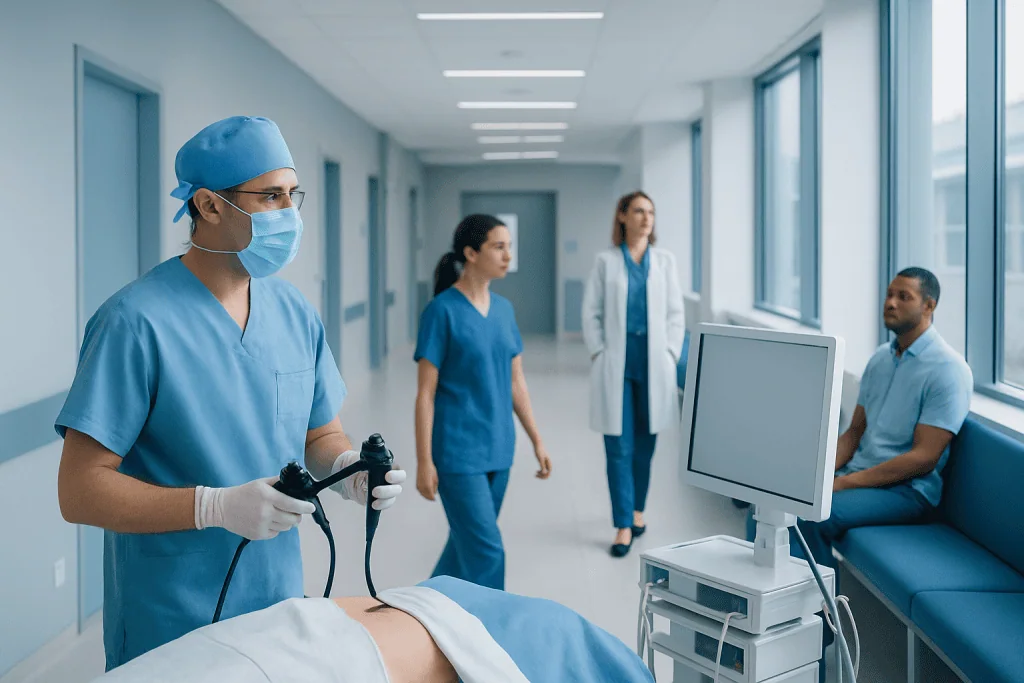
Endoscopic surgery may be used to diagnose, remove, repair, drain, or control bleeding in internal organs. Many procedures are performed through natural body openings, while some use small skin incisions.
Key Takeaways
- Endoscopic surgery may be used to diagnose, remove, repair, drain, or control bleeding in internal organs.
- Many procedures are performed through natural body openings, while some use small skin incisions.
- Simple diagnostic endoscopy usually has a brief recovery, whereas therapeutic procedures may require days to weeks of healing.
- The risks are generally low but can include bleeding, infection, medication reactions, and rarely perforation.
- Follow-up instructions, including diet, medicines, activity limits, and warning signs, should be tailored by the treating team.
Endoscopic surgery is a minimally invasive approach in which a doctor uses an endoscope—a thin, flexible tube with a camera and working instruments—to examine, biopsy, or treat areas inside the body. Recovery is often shorter than after open surgery, but the timeline depends on the organ treated, the type of procedure, sedation used, and a person’s overall health.
What Is Endoscopic Surgery?
Endoscopic surgery is a broad term for procedures performed with an endoscope, a narrow instrument that carries a light and camera. The camera sends detailed images to a monitor, allowing the doctor to see inside an organ or body cavity and guide very small instruments when treatment is needed. Depending on the procedure, the endoscope may pass through the mouth, nose, rectum, urinary passage, or a small incision.
Not every endoscopy is surgery. A diagnostic endoscopy may only inspect tissue or collect a biopsy. A therapeutic endoscopic procedure can remove a polyp or early abnormal tissue, stop internal bleeding, widen a narrowing, remove certain stones, place a stent, or drain an infection. The exact technique is selected according to the condition, its location, imaging findings, and the person’s health needs.
Compared with conventional open surgery, endoscopic techniques can reduce tissue disruption and may support a shorter hospital stay and earlier return to daily activities. However, they are not automatically the best or safest option for every problem. Some conditions need laparoscopic, robotic, radiologic, or open surgical treatment instead.
How Endoscopic Surgery Works and Who May Be a Candidate
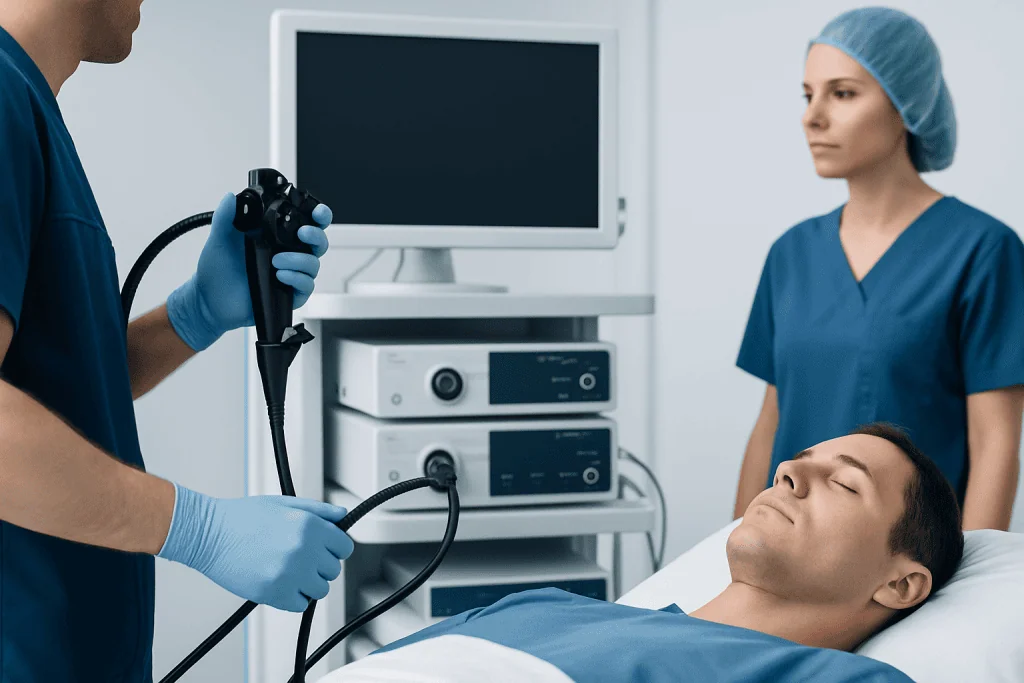
Endoscopic techniques are used across several specialties. In digestive care, upper endoscopy and colonoscopy can identify and treat bleeding, polyps, strictures, and selected early cancers. Endoscopic ultrasound and endoscopic retrograde cholangiopancreatography may help evaluate or treat disorders of the bile ducts and pancreas. Procedures in the airways, urinary tract, sinuses, joints, and reproductive organs may also use endoscopic equipment.
A person may be considered for endoscopic treatment when the target area can be safely reached, the condition is suitable for minimally invasive management, and the expected benefit outweighs the risks. For example, some superficial or early digestive tract lesions can be removed during endoscopy through techniques called endoscopic mucosal resection or endoscopic submucosal dissection. These options are assessed carefully because deeper or more advanced disease may require a different treatment plan.
Before recommending a procedure, the clinical team reviews symptoms, examination findings, blood tests, scans, previous procedures, allergies, medicines, and medical conditions such as heart or lung disease. Blood thinners, diabetes medicines, and certain supplements may need special planning. People should not stop prescribed medication independently; the doctor or procedural team will give individualized instructions.
For digestive tract concerns, evaluation may involve related conditions such as colon cancer or pancreatic cancer, depending on the findings. The goal is to establish an accurate diagnosis and choose the least invasive effective treatment while maintaining safety.
What Happens During the Procedure?

Preparation begins before the procedure. Depending on the type of endoscopy, this can include fasting for several hours, following a bowel-cleansing plan, arranging transport home after sedation, and reviewing consent. The team explains why the procedure is being performed, what it may involve, and alternatives where appropriate.
During the procedure, a nurse and doctor monitor breathing, heart rate, blood pressure, and oxygen levels. Some people receive a local anesthetic spray, while others receive sedative medication, deeper anesthesia, or general anesthesia. The endoscope is gently advanced to the treatment area. Carbon dioxide or air may be used to improve visibility, which can cause temporary bloating afterward.
If treatment is needed, the doctor may pass instruments through the endoscope to take samples, remove tissue, inject medication, apply clips, widen a narrowed area, retrieve a stone, or place a stent. Endoscopic mucosal resection is one example of a technique used to remove selected abnormal areas from the lining of the digestive tract.
Endoscopic resection procedure time varies substantially. A straightforward diagnostic examination may take less than an hour, while a complex resection or procedure involving several treatment steps can take longer. The clinical team can provide a more meaningful estimate after reviewing the planned technique and individual findings.
Benefits, Limitations and Possible Risks
A key benefit of endoscopic surgery is access to internal areas without a large incision in many cases. This may mean less postoperative pain, fewer wound-care needs, less visible scarring, and a quicker return to eating or normal movement than is typical after open surgery. It can also allow diagnosis and treatment during the same session.
Its limitations are equally important. Endoscopic treatment is technically specialized and may not be possible if a lesion is too large, deeply invasive, difficult to reach, or associated with complications. In some cases, endoscopy clarifies that surgery or another treatment is the more appropriate next step. Tissue removed during an endoscopic procedure is often examined in a laboratory to guide follow-up care.
Possible risks depend on the procedure and location but may include throat discomfort, bloating, nausea, bleeding, infection, aspiration, a reaction to sedation or anesthesia, and injury to surrounding tissue. A rare but serious complication is perforation, meaning a hole or tear in the wall of an organ. Some people require observation in hospital, additional endoscopic treatment, or surgery if a complication occurs.
Risk is influenced by the complexity of the procedure, age, medical history, use of blood-thinning medicines, and whether treatment rather than inspection alone is performed. Discussing expected benefits, alternatives, and personalized risks with the treating doctor supports informed decision-making.
How Many Days Should I Rest After an Endoscopy?
After a simple diagnostic endoscopy with sedation, most people rest for the remainder of the day and return to light routine activities the next day. They should not drive, operate machinery, drink alcohol, make important legal or financial decisions, or stay alone if their sedation team has advised supervision until the effects of sedation have fully worn off.
Rest needs are longer after therapeutic procedures, including removal of larger polyps, dilation of a narrowing, placement of a stent, or endoscopic resection. The doctor may advise avoiding strenuous exercise, heavy lifting, travel, or certain foods for several days. The specific guidance depends on the organ treated and whether there was bleeding risk or a deeper tissue resection.
People should follow the discharge instructions rather than relying on a standard number of days. A gradual return to walking and gentle activity is often appropriate when the person feels well, but new or worsening symptoms should be discussed with the care team. A responsible adult may need to accompany the patient home after sedation.
How Long Does Endoscopic Surgery Take to Heal?
Endoscopic surgery recovery time can range from one day to several weeks. Diagnostic procedures usually involve only short-lived effects, such as mild throat irritation, gas, cramping, or tiredness after sedation. Healing takes longer when tissue has been removed, a narrowing has been treated, or the procedure addressed bleeding or a complex condition.
Endoscopic resection recovery time depends on the size and depth of the removed area, the organ involved, whether clips or other closure methods were used, and pathology results. Some people are monitored overnight, particularly after advanced gastrointestinal resection. Temporary dietary modifications and medicines to protect the treated area may be recommended.
The treatment team may arrange follow-up endoscopy, laboratory review, or imaging to confirm healing and ensure the underlying condition has been fully assessed. It is important to attend these appointments even when symptoms have improved, because follow-up can identify recurrence, healing problems, or a need for further care.
For people needing coordinated digestive and cancer-related assessment, endoscopic submucosal dissection may be considered in carefully selected cases. The best recovery plan is individualized and should account for the procedure performed rather than the name “endoscopy” alone.
How Long Does It Take to Feel Normal After an Endoscopy?
Many people feel normal by the following day after an uncomplicated diagnostic endoscopy. Sedation can leave a person drowsy, less coordinated, or mildly nauseated for the rest of the day. After an upper endoscopy, a scratchy throat may last briefly; after lower gastrointestinal endoscopy, bloating or gas often settles within hours.
After endoscopy surgery recovery involving tissue removal or a more complex intervention, feeling normal can take several days or longer. Appetite and energy may return gradually. The doctor may recommend a liquid or soft diet at first, followed by a stepwise return to regular foods, depending on the procedure and the reason it was performed.
Recovery should generally move in a positive direction. Persistent severe discomfort, inability to eat or drink, increasing weakness, or symptoms that worsen rather than improve should not be considered routine recovery. The procedural team should be contacted for advice.
Is Endoscopic Surgery a Major Surgery? When to Seek Medical Care
Endoscopic surgery is often described as minimally invasive, but it should still be treated as a medical procedure with meaningful preparation and recovery needs. A simple diagnostic endoscopy is usually not considered major surgery. In contrast, advanced endoscopic resections, complex bile duct procedures, or interventions performed under general anesthesia can be significant procedures, even if they do not involve a large incision.
Urgent medical assessment is needed after an endoscopic procedure for severe or worsening chest or abdominal pain, fever, shortness of breath, repeated vomiting, fainting, a swollen or rigid abdomen, black stools, vomiting blood, or large amounts of rectal bleeding. Small amounts of blood may occur after certain interventions, but any bleeding should be discussed promptly with the treating team, especially if it is persistent or accompanied by dizziness or weakness.
Before the procedure, medical care should also be sought for new acute symptoms such as severe abdominal pain, trouble swallowing, jaundice, unexplained bleeding, or rapid deterioration in general health. These symptoms can have many causes and require timely clinical evaluation rather than self-treatment.
Acibadem International’s multidisciplinary specialists and JCI-accredited hospitals provide assessment and treatment planning for international patients who may need endoscopic procedures and related care.
Frequently asked questions
What is the difference between endoscopy and endoscopic surgery?
Endoscopy refers to using an endoscope to look inside the body, take images, or collect tissue samples. Endoscopic surgery refers to treatment performed through the endoscope, such as removing tissue, stopping bleeding, widening a narrowing, or placing a stent. The boundary can overlap because some procedures include both diagnosis and treatment.
How many days should I rest after an endoscopy?
After a simple endoscopy with sedation, most people should rest for the rest of the procedure day and can often resume light activities the following day. More complex therapeutic procedures may require several days of reduced activity. The treating team’s discharge instructions should guide the return to work, exercise, driving, and travel.
How long does endoscopic surgery take to heal?
Healing may take as little as a day after a diagnostic procedure, while therapeutic endoscopic surgery can require days to weeks. Recovery is influenced by the type of treatment, the area treated, the amount of tissue removed, and any underlying health conditions. Follow-up instructions are important because internal healing may continue after a person feels better.
How long does it take to feel normal after an endoscopy?
Many people feel close to normal the next day after an uncomplicated diagnostic endoscopy. Drowsiness, bloating, gas, mild cramps, or a sore throat can occur temporarily. After more extensive treatment, fatigue and dietary adjustments may last longer.
Is endoscopic surgery a major surgery?
Many endoscopic procedures are minimally invasive and are not classified in the same way as open major surgery. However, advanced procedures can still be significant and may require anesthesia, hospital observation, and careful follow-up. The complexity depends on the condition being treated and the technique used.
Can I eat after endoscopic surgery?
The answer depends on the procedure. Some people can begin with fluids shortly after an uncomplicated examination, while others may need a temporary liquid or soft diet after tissue removal or treatment in the digestive tract. The procedural team will provide specific instructions about when and what to eat.
References
- American Society for Gastrointestinal Endoscopy
- National Institute of Diabetes and Digestive and Kidney Diseases
- National Health Service
- Mayo Clinic
- European Society of Gastrointestinal Endoscopy
This article is for general information only and is not a substitute for professional medical advice. Please consult a qualified doctor about your individual situation.
Oncology care in Turkey — second opinion and treatment plan
JCI-accredited · board-certified surgeons · reply within 24h
Add us as a Preferred Source to see more of our trusted health content across Google Search, AI Overviews and Discover.
Check your numbers in seconds
BMI, calories, due date, blood pressure and 30+ more clinical calculators — free, instant, doctor-reviewed ranges.