Hormone Therapy for Breast Cancer Metastasis: How It Works, Results and What to Expect

Hormone therapy is used for metastatic breast cancers that are hormone receptor-positive, meaning their cells have estrogen and/or progesterone receptors. Treatment may block estrogen receptors, lower estrogen production or degrade estrogen receptors; it is commonly paired with targeted therapy.
Key Takeaways
- Hormone therapy is used for metastatic breast cancers that are hormone receptor-positive, meaning their cells have estrogen and/or progesterone receptors.
- Treatment may block estrogen receptors, lower estrogen production or degrade estrogen receptors; it is commonly paired with targeted therapy.
- The goal is usually long-term cancer control rather than cure, and the length of benefit varies widely between individuals.
- Regular scans, blood tests and symptom reviews help the oncology team assess whether treatment is working and manage side effects.
- New or worsening symptoms should be discussed promptly, especially severe breathlessness, neurological symptoms, uncontrolled pain or signs of infection.
Hormone therapy for breast cancer metastasis is a key treatment for cancers that use estrogen or progesterone signals to grow. It is usually given as ongoing systemic treatment, often combined with targeted medicines, to control cancer, relieve symptoms and support quality of life.
Overview: how hormone therapy helps metastatic breast cancer
Hormone therapy for breast cancer metastasis, also called endocrine therapy, treats breast cancer that has spread beyond the breast and nearby lymph nodes and is hormone receptor-positive. These cancer cells depend partly on hormones, especially estrogen, for growth. By reducing estrogen’s effects or lowering the amount of estrogen in the body, treatment can slow cancer growth, shrink some tumors and ease cancer-related symptoms.
For many people with hormone receptor-positive, HER2-negative metastatic breast cancer, hormone therapy is a preferred first systemic treatment when there is no immediate organ-threatening complication. It is often less intensive than chemotherapy and can be taken for extended periods. Treatment planning also considers HER2 status, previous treatments, menopausal status, the sites of metastasis, symptoms, general health and personal priorities.
Metastatic breast cancer is generally managed as a long-term condition. Although treatment may not eliminate all cancer permanently, meaningful periods of disease control are possible. The oncology team reviews treatment response regularly and can adjust the approach if cancer begins to grow or side effects become difficult to manage.
How it works: types of hormone therapy and combinations
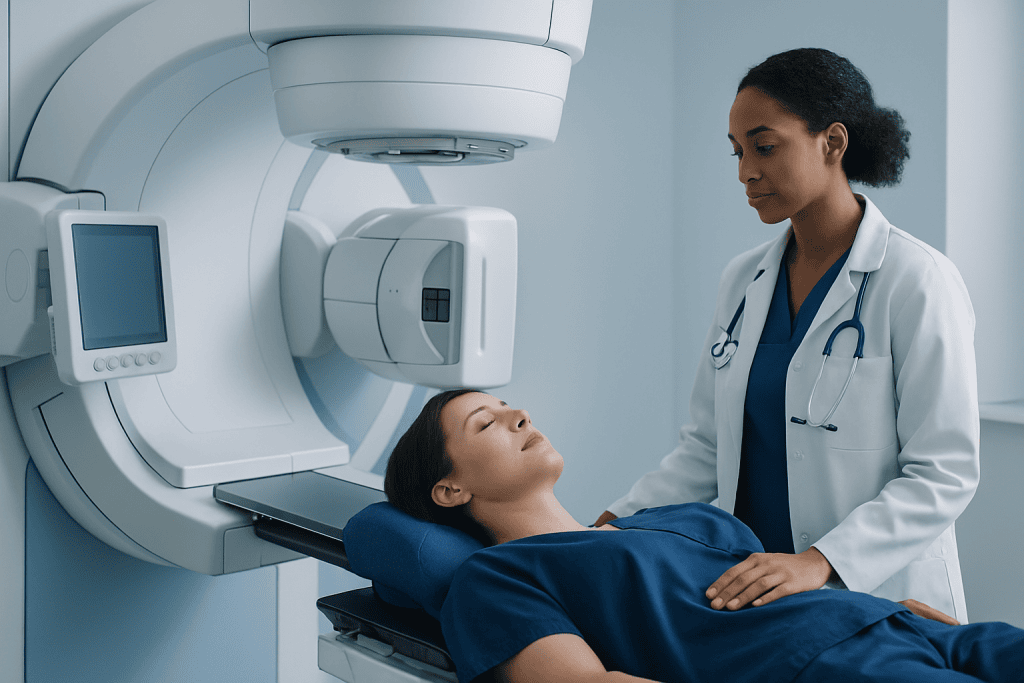
Different endocrine medicines interfere with hormone signaling in different ways. Selective estrogen receptor modulators, such as tamoxifen, block estrogen from stimulating breast cancer cells in certain tissues. Aromatase inhibitors reduce estrogen production in postmenopausal people, while selective estrogen receptor degraders block and break down estrogen receptors. In some premenopausal patients, medicines or surgery may be used to suppress ovarian estrogen production.
Hormone therapy is frequently combined with targeted medicines that act on pathways cancer cells use to divide or survive. For example, CDK4/6 inhibitors are often used with an aromatase inhibitor or an estrogen receptor degrader. Other targeted options may be considered when tumor testing identifies changes in genes or pathways that may guide treatment selection.
Some metastatic breast cancers may be treated differently. HER2-positive cancer generally requires HER2-directed treatment, while hormone receptor-negative disease does not respond to endocrine therapy. A biopsy of a metastatic site may be recommended when feasible because hormone receptor and HER2 results can sometimes differ from those of the original breast tumor.
Who is a candidate and how treatment is planned

Candidacy depends first on tumor testing. A pathology report showing estrogen receptor-positive and/or progesterone receptor-positive cancer indicates that endocrine treatment may be helpful. The oncology team also evaluates whether the cancer is growing slowly or rapidly, whether it is affecting vital organ function, and whether previous hormone medicines were effective.
People whose cancer returned during or soon after earlier hormone therapy may have endocrine-resistant disease, but they may still benefit from a different endocrine medicine, a targeted combination or another systemic treatment. If there is a visceral crisis, meaning cancer is causing an urgent threat to the function of an organ such as the liver or lungs, chemotherapy or another faster-acting treatment may be recommended instead.
Before treatment begins, clinicians review medical history, current medicines, menopause status, bone health, blood counts, liver function and potential medicine interactions. Imaging studies establish a baseline for comparison. Molecular testing of tumor tissue or blood may also identify mutations that influence the choice of targeted therapy.
- Hormone receptor and HER2 test results
- Previous treatments and how long they controlled the cancer
- Metastatic sites, symptoms and urgency of disease control
- Menopausal status and overall health
- Personal preferences, daily routines and treatment goals
What to expect: treatment steps, monitoring and recovery timeline
Hormone therapy is usually an outpatient treatment rather than a single procedure. After the initial consultation and baseline tests, the care team selects a medicine or combination. Some medicines are tablets taken at home, while others are injections given at scheduled clinic visits. If ovarian suppression is needed, it may involve regular injections or, less commonly, surgery.
There is usually no recovery period in the way there is after surgery. Most people can continue usual daily activities, though energy levels and routines may need adjustment during the first weeks. Side effects can emerge gradually, and the team may offer supportive care, change the schedule or modify medicines when appropriate.
Follow-up commonly includes symptom reviews, physical examinations, blood tests and imaging at intervals chosen by the oncology team. Tumor markers may be monitored in selected cases, but they are interpreted together with scans and clinical symptoms. A treatment response may take weeks to become clear; stable scans and controlled symptoms can be positive signs even when tumors do not visibly shrink.
Hormone therapy is continued for as long as it is controlling the cancer and remains tolerable. If scans or symptoms suggest progression, the team reassesses the cancer biology and discusses the next treatment line. This may include another endocrine-based combination, targeted therapy, chemotherapy, antibody-drug conjugates, radiation for a specific symptomatic area or supportive care measures.
Benefits, risks and side-effect management
The main potential benefit of hormone therapy is disease control with a treatment approach that is often compatible with everyday life. It can delay progression, reduce tumor-related symptoms and postpone the need for chemotherapy for some people. The likely benefit varies according to cancer biology and prior treatment exposure, so the oncology team should explain the expected role of each recommended medicine.
Common endocrine therapy effects can include hot flushes, fatigue, vaginal dryness or discharge, changes in mood, decreased sexual desire, muscle or joint aches and changes in bone density. The specific pattern depends on the medicine. Aromatase inhibitors may contribute to bone loss and joint symptoms, while tamoxifen can rarely increase the risk of blood clots or changes in the uterus.
Targeted medicines used with hormone therapy have their own risks. Depending on the medicine, these can include low blood counts, infection risk, diarrhea, rash, mouth sores, liver test changes, high blood sugar, blood pressure changes or heart rhythm concerns. Monitoring helps identify problems early. Patients should not stop anticancer medicines on their own; contacting the oncology team allows side effects to be assessed and treated safely.
Supportive care is an important part of metastatic cancer treatment. Pain management, nutrition support, physical activity adapted to energy levels, emotional support, bone-strengthening treatment where appropriate and palliative care can all improve comfort and quality of life alongside cancer-directed therapy.
What is the survival rate of hormonal therapy for breast cancer?
There is no single survival rate for hormonal therapy because outcomes vary substantially among people with metastatic breast cancer. Survival is influenced by the cancer’s hormone receptor and HER2 status, genomic features, where it has spread, response to treatment, previous therapies, general health and access to newer treatments.
Hormone therapy can extend the time cancer is controlled and is an important part of treatment for hormone receptor-positive metastatic disease. However, a person’s prognosis cannot be accurately predicted from broad survival statistics or from the use of one medicine alone. The treating oncologist can provide the most meaningful perspective using the individual’s disease features and treatment response.
Published survival data may also become outdated as treatment options develop. It can be helpful to ask the oncology team what the current treatment is intended to achieve, how response will be measured and what options may be available if the cancer progresses.
Does hormone therapy stop cancer from spreading?
Hormone therapy can slow or stop cancer growth for a time in hormone receptor-positive metastatic breast cancer. When it works, it may keep existing tumors stable, shrink tumors or delay the appearance of new areas of disease. Its effect is monitored with symptoms, examinations, scans and other appropriate tests.
It cannot guarantee that cancer will never spread or progress. Cancer cells can develop resistance to a particular hormone therapy over time, which is why follow-up is essential. If progression occurs, another endocrine medicine, a targeted combination or a different type of systemic treatment may still provide benefit.
For bone metastases, radiation therapy, surgery or bone-modifying medicines may be added when needed to treat pain, reduce fracture risk or stabilize a weakened bone. These treatments are selected according to the affected area and the individual’s symptoms.
How long can you live with metastatic breast cancer with treatment?
Life expectancy with metastatic breast cancer differs greatly from one person to another. Some people live for many years with carefully sequenced treatments, while others have more rapidly progressing disease. Hormone receptor-positive metastatic breast cancer often has several treatment options that can be used over time, particularly when the cancer remains responsive to endocrine approaches.
It is important to remember that population estimates cannot determine an individual outcome. The location and extent of metastases, tumor biology, treatment response, treatment tolerance and other health conditions all matter. Discussing prognosis can be emotionally difficult, but it may help patients and families make informed decisions and plan for what matters most to them.
Regular communication with the oncology team can clarify whether treatment is controlling the cancer and whether goals of care need to change. Early supportive and palliative care can be provided at any stage and focuses on symptom relief, function, emotional wellbeing and practical support.
How long does hormone therapy work for breast cancer?
Hormone therapy may work for months or years, but the duration is highly individual. In metastatic disease, it is continued as long as scans, symptoms and clinical assessment show that the cancer is controlled and side effects remain manageable. Combination treatment with targeted medicines may extend the period of control for suitable patients.
The length of response can be affected by whether the cancer previously received endocrine treatment, how quickly it returned after earlier therapy and whether it has genetic changes linked with resistance. A short response does not mean all hormonal approaches will fail; switching endocrine medicines or adding a different targeted medicine may be appropriate.
Patients can support safe treatment by attending monitoring appointments, reporting new symptoms and taking oral medicines as prescribed. The care team can help with missed doses, side effects and practical concerns so treatment decisions are based on the fullest possible picture.
When to seek medical care
People receiving treatment should contact their oncology team promptly for new or worsening symptoms, including persistent pain, increasing fatigue, loss of appetite, new lumps, unexplained weight changes or symptoms that interfere with daily activities. Reporting concerns early does not necessarily mean the cancer has progressed; infections, medicine side effects and other treatable conditions can cause similar symptoms.
Urgent medical assessment is needed for severe or sudden shortness of breath, chest pain, coughing blood, new weakness or numbness, loss of bladder or bowel control, severe headache, confusion, seizures, a high fever, uncontrolled vomiting or rapidly worsening pain. These symptoms can have several causes and should be assessed without delay.
Acibadem International’s multidisciplinary specialists and JCI-accredited hospitals diagnose and treat metastatic breast cancer for international patients, coordinating medical oncology, radiation oncology, pathology, imaging, supportive care and other relevant services.
Frequently asked questions
Is hormone therapy the same as chemotherapy for metastatic breast cancer?
No. Hormone therapy targets hormone signaling that drives hormone receptor-positive breast cancer, while chemotherapy directly affects rapidly dividing cells. Hormone therapy is often used before chemotherapy in suitable patients with hormone receptor-positive metastatic disease because it can provide disease control with a different side-effect profile.
Can hormone therapy be used if breast cancer has spread to the bones?
Yes. Hormone therapy is commonly used for hormone receptor-positive breast cancer that has spread to bone, provided there is no urgent need for faster disease control. Bone-directed medicines, radiation therapy, pain treatment or orthopedic care may also be recommended depending on symptoms and fracture risk.
Will hormone therapy cause menopause symptoms?
It can. Hot flushes, vaginal dryness, sleep changes, mood changes and reduced sexual desire can occur because treatment blocks estrogen activity or lowers estrogen levels. The oncology team can suggest safe ways to manage these effects and should be informed if symptoms are affecting quality of life.
How is response to hormone therapy monitored?
Response is assessed through symptoms, physical examinations, blood tests when appropriate and imaging scans such as CT, MRI, PET or bone scans. The schedule depends on the treatment plan and disease location. Stable disease may represent a successful treatment response in metastatic cancer.
Can hormone therapy be taken with targeted therapy?
Yes. Many people receive hormone therapy with a targeted medicine, particularly a CDK4/6 inhibitor, to improve cancer control. The choice depends on tumor characteristics, previous treatments, health factors and possible side effects.
What happens if hormone therapy stops working?
The oncology team will review scans, symptoms and any available tumor testing to confirm progression and choose the next option. This may include another endocrine-based regimen, a targeted therapy, chemotherapy, radiation for a specific problem or other supportive treatment. Several treatment lines may be available over time.
References
- American Society of Clinical Oncology
- National Cancer Institute
- European Society for Medical Oncology
- National Comprehensive Cancer Network
- World Health Organization
This article is for general information only and is not a substitute for professional medical advice. Please consult a qualified doctor about your individual situation.
Hormone Therapy in Turkey — costs, top hospitals & a free quote
JCI-accredited · board-certified surgeons · reply within 24h
Add us as a Preferred Source to see more of our trusted health content across Google Search, AI Overviews and Discover.

Medical Oncology Department
Medical treatment of cancer with chemotherapy, immunotherapy and targeted therapies under a multidisciplinary tumor board.
60 specialists in this unit