Treatment for Low Hb: How It Works, Results and What to Expect

Low hemoglobin is a laboratory finding that often reflects anemia, blood loss, nutrient deficiency, inflammation, kidney disease, or another medical condition. The most effective treatment for low Hb targets its cause; taking iron is helpful only when iron deficiency is confirmed or strongly suspected by a clinician.
Key Takeaways
- Low hemoglobin is a laboratory finding that often reflects anemia, blood loss, nutrient deficiency, inflammation, kidney disease, or another medical condition.
- The most effective treatment for low Hb targets its cause; taking iron is helpful only when iron deficiency is confirmed or strongly suspected by a clinician.
- Treatment may include dietary changes, oral or intravenous iron, vitamin B12 or folate replacement, management of bleeding or chronic disease, and occasionally blood transfusion.
- Hemoglobin may begin to rise within weeks after effective treatment, but restoring iron stores and preventing recurrence can take longer.
- Very low Hb or symptoms such as chest pain, fainting, severe shortness of breath, or active bleeding require urgent medical assessment.
Treatment for low Hb begins by identifying why hemoglobin is low, then correcting the underlying problem while supporting red blood cell production. Many people recover fully, but the timeline and treatment depend on the severity, symptoms, and cause of anemia.
Treatment for Low Hb: how it works
Treatment for low Hb means treating low hemoglobin, the oxygen-carrying protein inside red blood cells. A low result commonly indicates anemia, but anemia is not a single disease. It is a sign that the body has too few red blood cells, too little hemoglobin within them, or ongoing loss or destruction of red blood cells.
The best treatment depends on the cause. Iron deficiency from heavy menstrual bleeding, for example, is managed differently from anemia linked to kidney disease, inflammation, vitamin B12 deficiency, inherited blood conditions, or internal bleeding. A clinician will usually confirm the pattern on blood tests and investigate the likely source before recommending treatment.
In practical terms, treatment may replenish a missing nutrient, stop or reduce blood loss, improve production of red blood cells, manage an underlying illness, or rapidly improve oxygen delivery in severe cases. The aim is not only to raise the Hb number but also to address why it became low and reduce the chance that it returns.
Symptoms, benefits and how low Hb can feel
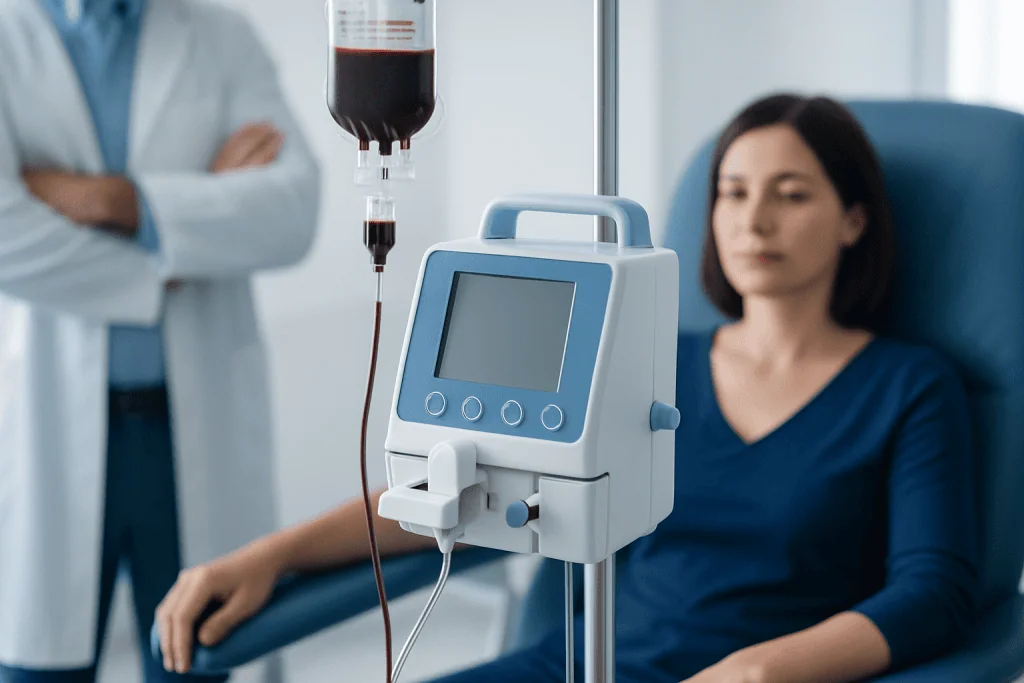
Low Hb can make a person feel tired, weak, light-headed, less able to exercise, or short of breath with activities that were previously manageable. Some people notice palpitations, headaches, reduced concentration, pale skin, cold hands and feet, or dizziness when standing. Symptoms depend on how low the Hb is, how quickly it fell, and whether there are heart, lung, or other health conditions.
A gradual decrease may cause fewer symptoms because the body has time to adapt. By contrast, a sudden decline due to significant bleeding can cause marked weakness, fainting, rapid heartbeat, low blood pressure, or breathlessness even before a laboratory result is available.
Successful treatment can improve energy, exercise tolerance, thinking, and day-to-day wellbeing. Benefits generally develop as the Hb rises and the cause is controlled, although fatigue may take time to resolve fully. Persistent symptoms should be reviewed rather than assumed to be due to anemia alone.
Who needs treatment and how the cause is diagnosed

Anyone with a confirmed low Hb should have the result interpreted in context. Healthy reference ranges vary with age, sex, pregnancy status, altitude, laboratory method, and individual medical history. A single mildly low value may be rechecked, while a substantial decrease, symptoms, pregnancy, or an unexplained result usually calls for timely assessment.
Diagnosis often starts with a complete blood count, including red cell size and other indices. Further tests may include ferritin and iron studies, vitamin B12 and folate, reticulocyte count, kidney function, inflammation markers, and tests for red cell breakdown. Depending on the situation, clinicians may also assess menstrual history, diet, medicines, gastrointestinal symptoms, urine findings, or possible bleeding.
People who may particularly need evaluation include those with heavy or prolonged periods, pregnancy, restrictive diets, digestive conditions that affect absorption, recent surgery, chronic kidney disease, cancer, long-term inflammatory disease, or a family history of blood disorders. In some cases, related conditions such as anemia require assessment by a hematology team.
- Iron deficiency may be caused by low intake, reduced absorption, or blood loss.
- Vitamin B12 or folate deficiency can impair healthy red blood cell formation.
- Chronic disease may reduce red blood cell production or alter iron availability.
- Bleeding from the digestive tract or reproductive system should be identified and treated.
Treatment plan: what happens step by step
The first step is clinical assessment: reviewing symptoms, medical history, medicines, diet, and any signs of bleeding. Blood tests help establish the type and severity of anemia. If the Hb is dangerously low, falling quickly, or causing significant symptoms, treatment may begin promptly while additional tests are arranged.
For iron deficiency, clinicians commonly recommend oral iron when it is appropriate and tolerated. It is usually continued long enough to rebuild both hemoglobin and body iron stores. Intravenous iron may be considered when oral iron is not tolerated, is not absorbed adequately, is unlikely to work quickly enough, or when there is ongoing need for iron replacement. Learn more about iron infusion treatment when intravenous replacement is being considered.
If testing identifies vitamin B12 or folate deficiency, replacement therapy is used alongside treatment of the underlying reason for the deficiency. When bleeding is responsible, the care plan may involve gynecology, gastroenterology, surgery, or other specialties to control the source. Anemia related to kidney disease, inflammatory disease, cancer treatment, or bone marrow conditions requires individualized management of the underlying condition.
Red blood cell transfusion is not routine for every low Hb result. It may be used in selected urgent situations, such as severe symptomatic anemia, substantial active bleeding, or concern that tissues are not receiving enough oxygen. The decision considers symptoms, rate of Hb decline, medical conditions, and the overall clinical picture rather than a number alone.
How long does it take for low hemoglobin to return to normal?
The time for low hemoglobin to return to normal varies widely. When the cause is identified and treatment is effective, Hb often starts improving within a few weeks. Complete correction may take several weeks to a few months, especially when iron stores also need to be replenished or there has been substantial blood loss.
Recovery can take longer if bleeding continues, nutrients are not absorbed well, treatment is not tolerated, or anemia is caused by chronic kidney disease, inflammation, infection, cancer, or a bone marrow disorder. Follow-up blood tests are important because they show whether the Hb is rising as expected and whether the treatment plan needs to change.
People should not stop prescribed iron or other replacement treatment solely because they feel better. Their clinician may recommend continuing treatment for a period after Hb improves to restore body stores and lower the risk of relapse. Conversely, iron should not be continued indefinitely without medical guidance, since excess iron can be harmful in some circumstances.
What is the lowest hemoglobin level you can live with?
There is no single lowest hemoglobin level that is safe for every person. Tolerance depends on age, overall health, heart and lung function, whether Hb fell suddenly or gradually, pregnancy status, and the cause of anemia. A number that causes few symptoms in one person may be dangerous in another.
Clinicians do not use Hb alone to decide urgency. They also assess breathing, heart rate, blood pressure, chest discomfort, fainting, active bleeding, mental alertness, and how quickly the value is changing. Very low Hb can reduce oxygen delivery to vital organs and may require hospital assessment and, in selected cases, transfusion.
Rather than trying to judge safety from an online threshold, a person with a markedly low result should contact the clinician who ordered the test promptly. Emergency assessment is needed for severe breathlessness, chest pain, collapse or near-collapse, confusion, rapid worsening weakness, or signs of significant bleeding such as vomiting blood, black stools, or heavy uncontrolled vaginal bleeding.
Can you recover from low hemoglobin? Prevention and self-care
Yes, many people can recover from low hemoglobin once the cause is found and appropriately treated. Recovery is especially common with correctable causes such as iron deficiency, vitamin deficiency, temporary blood loss, or an underlying condition that can be effectively managed. Some long-term conditions need ongoing monitoring and treatment rather than a one-time cure.
Food can support red blood cell health, but diet alone may not correct moderate or severe deficiency or ongoing blood loss. Iron-containing foods include meat, seafood, beans, lentils, tofu, fortified cereals, and leafy green vegetables. Vitamin C-rich foods can improve absorption of plant-based iron, while vitamin B12 is found mainly in animal foods and fortified products. A clinician or dietitian can offer tailored advice for vegetarian, vegan, pregnancy-related, or digestive-health needs.
It is sensible to attend follow-up appointments, take treatment as advised, and report side effects such as nausea, constipation, diarrhea, rash, or worsening symptoms. Avoid starting high-dose supplements without testing or medical advice, particularly if there is no confirmed deficiency. Acibadem International’s multidisciplinary specialists and JCI-accredited hospitals support diagnosis and treatment planning for international patients with low Hb and related conditions.
When to seek medical care
A person should arrange medical review for ongoing fatigue, new shortness of breath, dizziness, palpitations, pale skin, reduced exercise tolerance, or a laboratory report showing low Hb. Evaluation is particularly important if symptoms are new, persistent, unexplained, or affecting normal activities.
Urgent medical care is needed for chest pain, severe breathing difficulty, fainting, confusion, a racing heartbeat with weakness, or suspected significant blood loss. Black tar-like stools, blood in vomit or stool, coughing blood, and very heavy vaginal bleeding are also reasons for urgent assessment.
Low Hb during pregnancy, in infants and children, or in older adults should be reviewed by a qualified clinician because causes and treatment needs can differ. Prompt care is also important when Hb remains low despite prescribed treatment, as this may indicate ongoing bleeding, absorption problems, another deficiency, or a different underlying condition.
Frequently asked questions
How does low Hb make you feel?
Low Hb may cause tiredness, weakness, dizziness, headaches, shortness of breath on exertion, palpitations, and difficulty concentrating. Symptoms can be mild if the Hb decreases slowly, but a rapid fall can cause more severe symptoms. Some people have few symptoms, so blood testing remains important.
Can you recover from low hemoglobin?
Many people recover when the underlying cause is identified and treated. Iron or vitamin deficiencies, treatable bleeding, and some temporary illnesses can often be corrected. Long-term medical conditions may require ongoing treatment and monitoring to keep Hb at a healthy level.
Should everyone with low Hb take iron tablets?
No. Iron supplements are appropriate when iron deficiency is confirmed or considered likely by a clinician, but low Hb has many other causes. Taking iron when it is not needed can delay the correct diagnosis and may cause side effects or, rarely, contribute to iron overload.
Is a blood transfusion always needed for very low Hb?
No. Transfusion decisions are individualized and consider symptoms, active bleeding, the speed of Hb decline, and heart or lung health as well as the laboratory result. Some people can be treated with iron, vitamins, or treatment of the underlying cause, while others need urgent transfusion support.
What foods help improve hemoglobin?
Foods that support hemoglobin production include iron-rich foods such as meat, fish, beans, lentils, tofu, fortified grains, and dark leafy vegetables. Vitamin C-containing foods may improve absorption of plant-based iron. However, food alone may not be enough to correct clinically significant anemia or ongoing blood loss.
Why is my hemoglobin still low after treatment?
Hb may remain low if treatment has not been taken or absorbed adequately, if bleeding continues, or if the original diagnosis was incomplete. Chronic inflammation, kidney disease, inherited blood conditions, vitamin deficiencies, and bone marrow problems can also affect response. Follow-up testing and clinical review can identify whether the plan needs adjustment.
References
- World Health Organization
- National Heart, Lung, and Blood Institute
- American Society of Hematology
- National Institute of Diabetes and Digestive and Kidney Diseases
- National Health Service
This article is for general information only and is not a substitute for professional medical advice. Please consult a qualified doctor about your individual situation.
Explore treatments in Turkey — costs, top hospitals & a free quote
JCI-accredited · board-certified surgeons · reply within 24h
Add us as a Preferred Source to see more of our trusted health content across Google Search, AI Overviews and Discover.
Check your numbers in seconds
BMI, calories, due date, blood pressure and 30+ more clinical calculators — free, instant, doctor-reviewed ranges.

More from the Health Library



Related Specialists

Prof. Dr. Sabahattin Kaymakoğlu
Gastroenterology
Assoc. Prof. Dr. Afag Aghayeva
General Surgery
Assoc. Prof. Dr. Hasan Aldinç
Emergency Service
Dr. Oğuz Akar
Clinical Laboratory