Seizure Recovery Position: An Evidence-Based Patient Guide
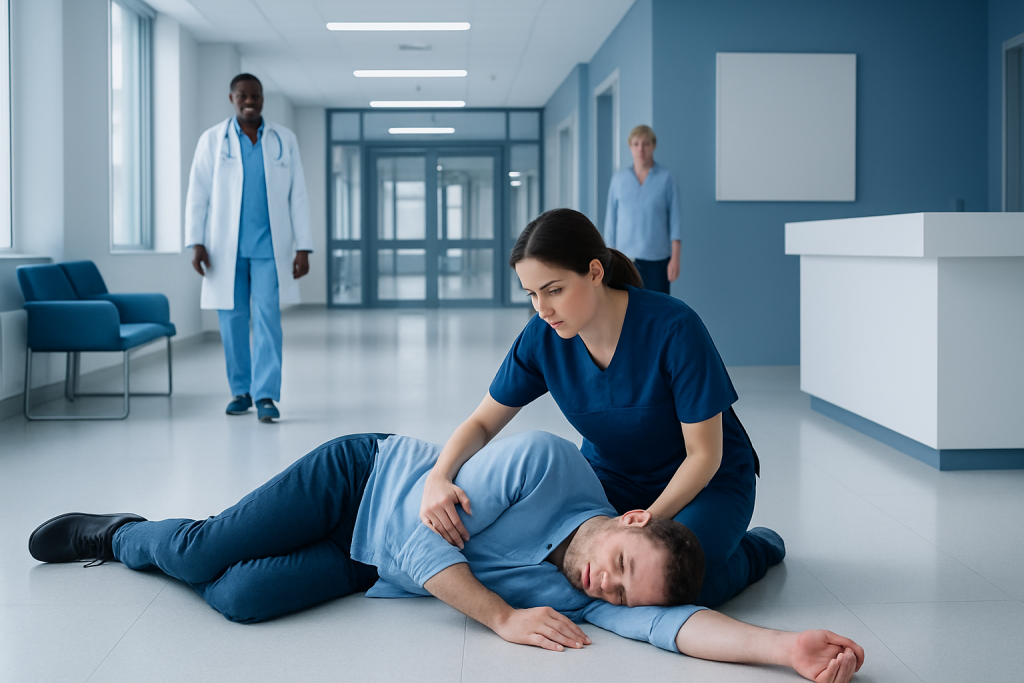
Place a person on their side after convulsions stop if they are breathing and it is safe to move them. Do not restrain movements, put anything in the mouth, or give food, drink, or oral medicine until full alertness returns.
Key Takeaways
- Place a person on their side after convulsions stop if they are breathing and it is safe to move them.
- Do not restrain movements, put anything in the mouth, or give food, drink, or oral medicine until full alertness returns.
- Time the seizure and monitor breathing, color, injuries, and recovery of awareness.
- Use an individualized seizure action plan for rescue medication; only trained, authorized people should give it.
- Emergency assessment is needed for a prolonged seizure, repeated seizures, breathing problems, injury, pregnancy, diabetes, or a first seizure.
The seizure recovery position is a side-lying first-aid position used after a convulsive seizure has stopped, provided the person is breathing and there is no concern for a major injury. It helps saliva or vomit drain from the mouth and supports a clear airway while the person gradually regains awareness.
Overview: what the seizure recovery position does
The seizure recovery position is a practical first-aid measure for someone who has had a convulsive seizure, such as a tonic-clonic seizure. Once the shaking has stopped, the person is gently placed on their side with their mouth angled toward the ground. This allows fluids to drain and makes it easier to observe breathing while the person is drowsy, confused, or asleep after the seizure.
The position is not a treatment that stops a seizure, and it does not replace emergency care when warning signs are present. Its purpose is airway support and injury prevention during the post-seizure period. If a person is already on their side, breathing normally, and is in a safe place, it may be enough to protect their head, loosen tight clothing around the neck, and stay nearby.
Seizure first aid should be calm, simple, and based on observation. A witness can note the time the seizure began and ended, whether there was a fall or injury, how the movements looked, and how long it takes the person to become responsive. This information can be useful for emergency clinicians and the person’s neurology team.
What is the best recovery position after a seizure?
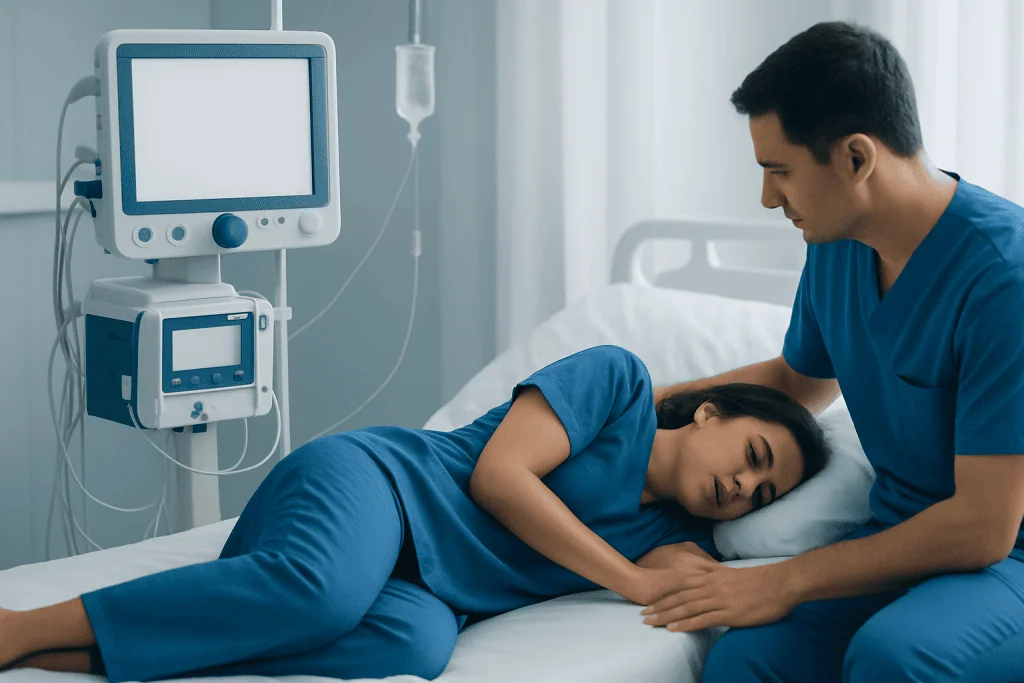
The best recovery position after a seizure is generally a stable side-lying position, often called the recovery position. Either side is acceptable: there is no universal rule that the person must lie on the left or right. For the question of seizure recovery position which side, the safer choice is usually the side that can be achieved gently without worsening a possible injury and that keeps the mouth facing downward or sideways for drainage.
Place the lower arm outward for support, bend the upper knee to prevent rolling forward, and tilt the head slightly back only as needed to help maintain an open airway. The person should not be left flat on their back if they are unconscious or very sleepy, because secretions or vomit may collect in the mouth and throat.
If there is a concern for serious neck, back, or hip injury after a fall, avoid unnecessary movement and call emergency services. If the person is not breathing normally after the convulsions stop, this is an emergency. Call local emergency services and follow dispatcher instructions, including cardiopulmonary resuscitation guidance if advised.
What are the 7 steps of the recovery position?
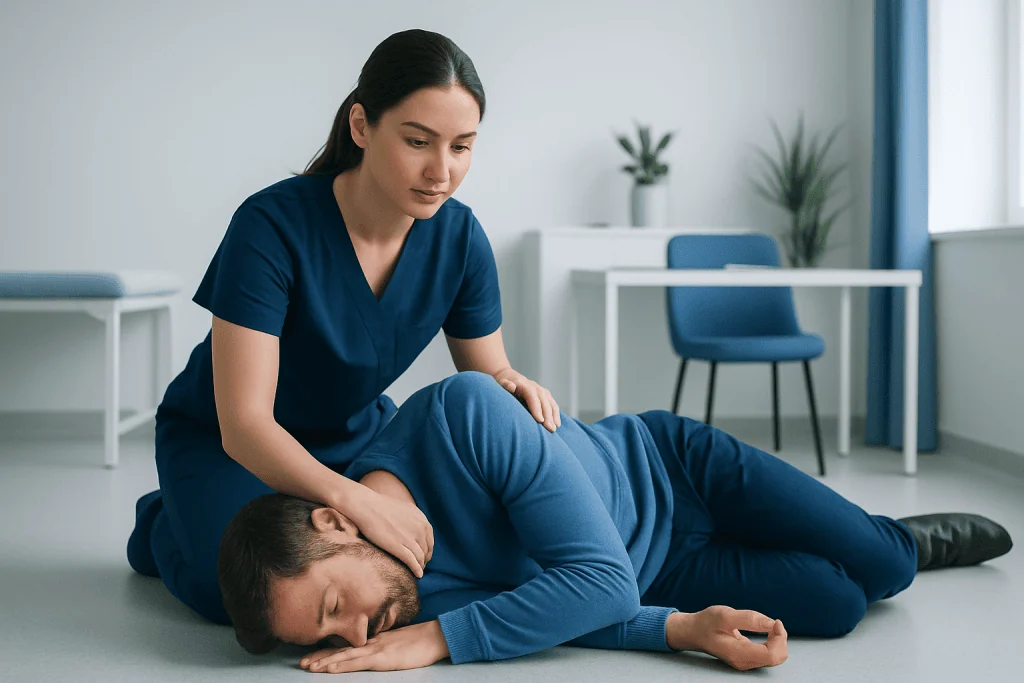
The following seizure recovery steps are appropriate after the active convulsions have stopped, when the person is breathing and it is safe to reposition them. A caregiver should use gentle movements and avoid forcing joints or limbs that seem painful or injured.
- 1. Check safety and time the seizure. Move hazards away, cushion the head if needed, and note when the seizure started.
- 2. Wait for the convulsions to stop. Do not hold the person down or try to stop the movements.
- 3. Check breathing and responsiveness. Look for normal breathing and observe the person’s color and condition.
- 4. Turn the person gently onto one side. Support the head and neck while rolling, particularly after a fall.
- 5. Position the head and mouth for drainage. Keep the mouth facing downward or sideways and clear only visible material from the lips or mouth; do not put fingers deep into the mouth.
- 6. Keep the airway open and the person comfortable. Loosen tight clothing around the neck, place something soft under the head if possible, and preserve privacy.
- 7. Stay, observe, and reassure. Continue monitoring breathing and recovery until the person is fully alert or emergency help takes over.
Nothing should be placed in the person’s mouth. A person cannot swallow their tongue during a seizure, and objects placed in the mouth can cause broken teeth, choking, or injury to the helper. Food, fluids, and oral medicines should wait until the person is fully awake and able to swallow safely.
How seizure precautions work: benefits, limits, and who needs a plan
Seizure precautions evidence based practice focuses on reducing foreseeable harm without unnecessary interventions. During a convulsive seizure, helpers should protect the person from nearby hard or sharp objects, cushion the head, avoid restraint, and time the event. Afterward, the side-lying position and close observation can reduce the risk of airway obstruction from saliva or vomit.
Recovery positions are most relevant for a person who remains sleepy, confused, or unresponsive after a generalized convulsive seizure. They may not be needed for every seizure type. For example, a person having a brief focal aware seizure may remain conscious and may simply need a calm, safe place to sit or lie down. Individual seizure types and recovery needs should be discussed with a clinician.
People diagnosed with epilepsy, and families or caregivers, benefit from a written seizure action plan. It can explain the person’s usual seizure pattern, known triggers, when to call emergency services, whether rescue medicine has been prescribed, and who is trained to give it. Epilepsy assessment and individualized planning are part of comprehensive epilepsy care.
What are the protocols for giving epilepsy rescue medications?
Epilepsy rescue medications are prescribed for selected people who have prolonged seizures or seizure clusters. The correct protocol is the person’s individualized seizure action plan and the instructions that come with the medicine. Rescue medicines may be given by a trained family member, caregiver, school health professional, or other authorized person when the plan’s specific criteria are met.
The plan should state which medicine to use, the route, the timing threshold, whether a second dose is allowed, when emergency services must be called, and what monitoring is needed afterward. Commonly prescribed rescue treatments may be administered through the nose, into the cheek, or rectally depending on the product and local practice. They should never be improvised, shared, or given as oral tablets to a person who is not fully awake.
After rescue medication, the person should be placed or kept in the recovery position if they are drowsy, and their breathing, color, and level of response should be observed closely. Emergency services are needed if breathing is slow or difficult, a seizure continues or recurs according to the plan, recovery is not as expected, or the caregiver is unsure how to proceed. A clinician can provide education on epilepsy treatment and a suitable emergency plan.
How long does it take to recover from a seizure?
Recovery time varies considerably. Some people become oriented within a few minutes, while others have a postictal period of tiredness, headache, muscle soreness, confusion, speech difficulty, or sleepiness lasting minutes to hours. After a long or intense convulsive seizure, fatigue may continue into the next day. The person should not be rushed to stand, walk, eat, drink, drive, or return to potentially hazardous activities until they are back to their usual level of awareness.
During recovery, speak calmly and use short, simple sentences. The person may not remember the seizure and can feel embarrassed, frightened, or disoriented. Explain briefly that they had a seizure, that they are safe, and that help is nearby. Avoid crowding them or asking many questions until they are more alert.
A recovery that is much longer than usual, worsening confusion, new weakness, ongoing vomiting, severe headache, or a significant injury needs medical assessment. For a person with known epilepsy, documenting changes from their typical seizures can help the treating clinician review whether further testing or treatment adjustments are needed.
When to seek medical care
Call local emergency services immediately if a seizure lasts about five minutes or longer, if one seizure follows another without full recovery, or if the person has trouble breathing or does not regain consciousness as expected. Urgent help is also appropriate after a first known seizure, a seizure in water, a serious fall or injury, or a seizure during pregnancy. People with diabetes who have a seizure should also receive urgent assessment because low blood glucose may be involved.
Emergency evaluation is appropriate when a person has unusual symptoms after a seizure, including persistent one-sided weakness, severe head pain, chest pain, fever with a stiff neck, or repeated vomiting. If a prescribed rescue medication has been used, follow the action plan regarding emergency contact and observation. When in doubt, it is safer to seek urgent professional advice.
For non-emergency follow-up, a doctor should review new seizures, a change in seizure frequency or pattern, medication side effects, and questions about safety at home, work, school, travel, swimming, or driving. Acibadem International’s multidisciplinary specialists and JCI-accredited hospitals support diagnosis and treatment planning for international patients with seizure disorders.
Frequently asked questions
Should someone be moved into the recovery position during a seizure?
During active convulsions, the priority is to protect the person from injury and avoid restraint. Once the shaking has stopped, gently place them on their side if they are breathing and it is safe to move them. If there may be a serious spinal injury, call emergency services and minimize movement unless airway protection is needed.
Can a person swallow their tongue during a seizure?
No. A person cannot swallow their tongue during a seizure. Do not put a spoon, fingers, cloth, or any other object into their mouth, as this can cause injury or choking.
Do I need to call an ambulance for every seizure?
Not every seizure requires an ambulance if the person has a known diagnosis, the seizure follows their usual pattern, stops promptly, and they recover as expected. Emergency help is needed for a seizure lasting about five minutes or longer, repeated seizures without recovery, breathing difficulty, serious injury, a first seizure, or any concerning change.
What should be monitored after a seizure?
Monitor normal breathing, skin color, responsiveness, and the time it takes for the person to recover. Note any injury, vomiting, unusual weakness, or another seizure. If prescribed rescue medicine is used, follow the individual action plan and observe closely for excessive sleepiness or breathing problems.
Can food, water, or medication be given after a seizure?
Food, water, and oral medicine should not be given until the person is fully awake, can sit safely, and can swallow normally. Drowsiness and confusion after a seizure can increase the risk of choking. Prescribed rescue medicines should only be given according to the person’s specific plan and approved route.
Is it normal to sleep after a seizure?
Sleepiness is common after many seizures, especially tonic-clonic seizures. The person should be positioned safely on their side if still drowsy and checked regularly for normal breathing and gradual improvement. Seek urgent care if they are difficult to wake, their breathing is abnormal, or their recovery is not typical for them.
References
- Centers for Disease Control and Prevention
- Epilepsy Foundation
- National Institute of Neurological Disorders and Stroke
- National Health Service
- World Health Organization
This article is for general information only and is not a substitute for professional medical advice. Please consult a qualified doctor about your individual situation.
Explore treatments in Turkey — costs, top hospitals & a free quote
JCI-accredited · board-certified surgeons · reply within 24h
Add us as a Preferred Source to see more of our trusted health content across Google Search, AI Overviews and Discover.

More from the Health Library



Related Specialists
Assoc. Prof. Dr. Berkin Toker
Orthopedic Surgery & Traumatology
Prof. Dr. Selçuk Sızmaz
Ophthalmology
Assoc. Prof. Dr. Emine Şatır
Gastroenterology
Dr. Lütfullah Çakır
Emergency Service