Chemo Expenses: How It Works, Results and What to Expect

Chemotherapy costs vary widely, so an individual estimate is more useful than a general price range. Expenses may include medicines, infusion visits, laboratory tests, imaging, anti-nausea treatment, hospital care and travel.
Key Takeaways
- Chemotherapy costs vary widely, so an individual estimate is more useful than a general price range.
- Expenses may include medicines, infusion visits, laboratory tests, imaging, anti-nausea treatment, hospital care and travel.
- The treatment plan is tailored to the cancer type, stage, overall health and treatment goal.
- Blood tests and symptom checks help the oncology team decide whether chemotherapy can proceed as planned.
- Response to chemotherapy is assessed through symptoms, examinations, blood tests and imaging, not by one sign alone.
- Urgent symptoms during chemotherapy, such as fever or breathing difficulty, need prompt medical advice.
Chemo expenses are not one fixed amount: they depend on the cancer being treated, the chemotherapy medicines and schedule, the place of care, needed tests, supportive treatments, and insurance or national health coverage. Before treatment begins, patients can ask for an itemized estimate and speak with a financial counselor or insurer about expected out-of-pocket costs.
Chemo Expenses: What Is Included in the Cost?
Chemo expenses include more than the chemotherapy medicine itself. A complete plan may involve oncology consultations, pathology review, blood tests, imaging, medicines given before or after chemotherapy, infusion-center charges, supplies, and treatment for side effects. If chemotherapy is delivered during a hospital admission, inpatient services can also be part of the overall cost.
The final amount differs substantially between individuals. Important factors include the type and stage of cancer, whether treatment is curative or intended to control symptoms, the medicine combination used, the number of cycles, the route of treatment, and the country and healthcare setting. Some modern targeted medicines or immunotherapies may be used alongside chemotherapy and have separate cost considerations.
Patients can ask the oncology team for a written, itemized treatment plan and cost estimate before starting. It is helpful to ask which services are included, which may be billed separately, whether pre-authorization is needed, and what support is available for travel, accommodation, fertility preservation, nutrition, or psychosocial care.
How Chemotherapy Works and Who May Be a Candidate
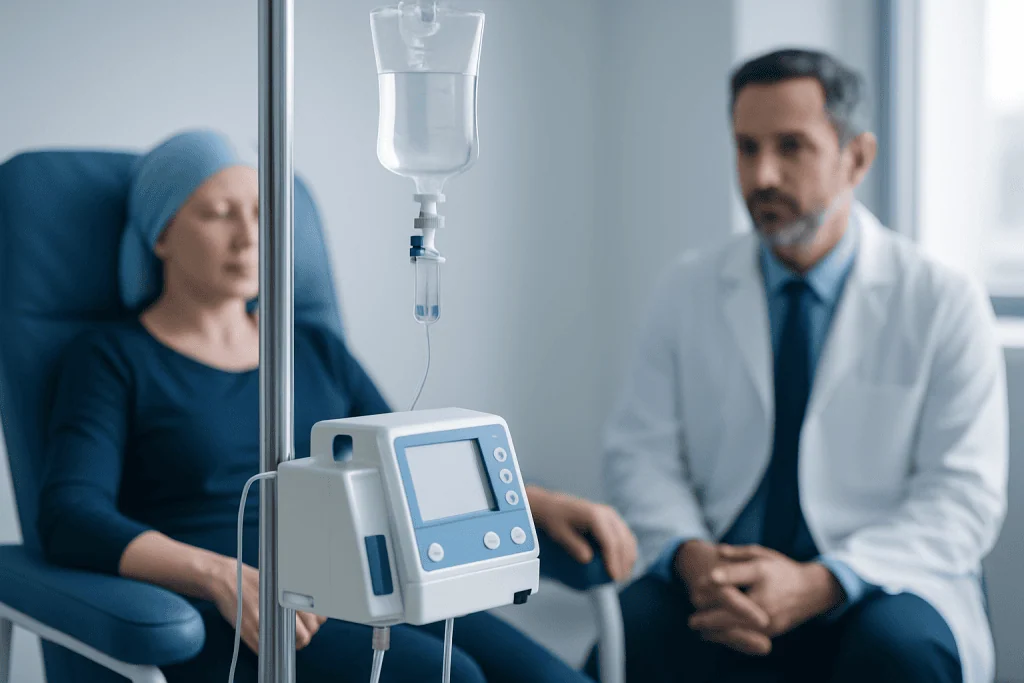
Chemotherapy uses medicines that damage or stop the growth of rapidly dividing cancer cells. It may be used before surgery to shrink a tumor, after surgery to lower the chance of cancer returning, with radiotherapy, or for advanced cancer to slow growth and relieve symptoms. It can be given alone or combined with other cancer treatments.
Candidacy is based on the specific cancer, its location and extent, tumor biology, previous treatments, and the person’s general health. The oncology team also considers blood counts, kidney and liver function, heart health where relevant, infection risk, pregnancy status, medicines already being taken, and a person’s preferences and goals.
Not everyone with cancer needs chemotherapy, and not every chemotherapy plan is the same. Some people may be better suited to surgery, radiotherapy, hormone therapy, targeted therapy, immunotherapy, active surveillance, or a combination of approaches. A personalized discussion helps ensure that the expected benefits are balanced with possible risks and practical demands.
What Happens During Chemotherapy Treatment?

Before treatment, the team confirms the diagnosis and develops a regimen, which is a planned combination of medicines and treatment dates. Baseline tests commonly include blood work and may include scans, heart assessment, or other tests depending on the regimen. The team explains the purpose of treatment, likely side effects, contraception and fertility considerations, and when to contact the hospital.
On treatment day, staff review symptoms, vital signs and recent test results. Chemotherapy may be given by vein through a cannula, central venous catheter or implanted port, by injection, or as tablets or capsules taken at home. Some medicines are given with fluids or medicines to help prevent nausea or allergic reactions.
Treatment is usually organized in cycles, followed by rest periods that allow normal tissues and blood cells time to recover. Before each cycle, the team checks whether it is safe to continue. A delay or dose adjustment can be appropriate when blood counts are low, side effects are significant, or an infection or other health issue needs attention.
For patients considering treatment abroad, clear communication about records, pathology reports, prior scans, insurance documentation and follow-up arrangements is important. Acibadem International’s multidisciplinary specialists and JCI-accredited hospitals diagnose and treat cancer for international patients, with care plans coordinated around individual clinical needs.
How Much Do 4 Rounds of Chemo Cost?
There is no reliable single answer for how much four rounds of chemotherapy cost. Four rounds can involve very different medicines, infusion times, laboratory monitoring, clinic visits and supportive treatments depending on the cancer and treatment protocol. The same number of rounds may therefore have very different costs for two patients.
A personalized estimate should include the chemotherapy drugs, administration charges, blood tests, imaging used to monitor response, medications for nausea or infection prevention when needed, central-line or port care, and possible unplanned care for side effects. Patients should also consider non-medical costs such as transportation, accommodation, time away from work, caregiving and meals.
For those using insurance or public coverage, it is sensible to confirm network status, deductibles, co-payments, authorization requirements and coverage for supportive medicines. A hospital financial counselor, insurer case manager or social worker can help patients understand their responsibilities before treatment begins and identify available support programs where appropriate.
What Is the 7 Day Rule in Chemotherapy?
The phrase “7 day rule” does not refer to one universal chemotherapy rule. It may be used informally to describe the period after some chemotherapy cycles when blood counts can begin to fall, or it may refer to local scheduling and monitoring practices. Its meaning depends on the regimen and the healthcare team using the term.
For many chemotherapy medicines, white blood cell levels reach their lowest point, called the nadir, days after treatment rather than immediately afterward. The timing varies widely by drug, dose, treatment schedule and individual response. The oncology team may arrange blood tests before the next cycle and provide specific instructions about infection prevention.
Patients should not use a calendar rule to decide whether symptoms are safe to ignore. A fever, chills, new cough, shortness of breath, painful urination, diarrhea, unusual bleeding, or sudden worsening of wellbeing should be reported promptly according to the emergency instructions provided by the oncology team.
Recovery, Benefits, Risks and Signs of Response
Recovery between cycles varies. Some people feel tired for several days, while others experience fatigue or other effects for longer. Common side effects can include nausea, appetite changes, mouth soreness, altered taste, hair loss with some regimens, numbness or tingling in the hands and feet, bowel changes, and changes in blood counts. Many side effects can be prevented or eased with supportive care.
The potential benefit of chemotherapy depends on why it is being used. It may reduce the risk of recurrence after surgery, make a tumor easier to remove or treat with radiotherapy, control cancer growth, or improve cancer-related symptoms. The team reviews the expected goal before treatment and reassesses it as care progresses.
Good signs that chemo is working may include improvement in cancer-related symptoms, a smaller mass on examination, better laboratory markers in selected cancers, or tumor shrinkage or stability on imaging. However, symptoms alone cannot confirm response. Some side effects do not indicate whether treatment is effective, and scans may be scheduled after several cycles rather than immediately.
Chemotherapy can affect several organs, but no single organ is always “hardest hit.” Depending on the medicines used, effects may involve bone marrow, kidneys, liver, heart, lungs, nerves, bladder, hearing, skin or reproductive organs. Oncologists select regimens carefully and monitor relevant tests to reduce risk; patients should report new symptoms early.
Self-Care, Monitoring and When to Seek Medical Care
During chemotherapy, patients are generally encouraged to follow the care plan, take prescribed supportive medicines as directed, keep appointments for blood tests, drink fluids if permitted, choose nourishing foods they can tolerate, and rest while remaining gently active when able. Good hand hygiene and avoiding close contact with people who are unwell can help reduce infection exposure when immunity is low.
Patients should contact their oncology team promptly for fever or chills, signs of infection, persistent vomiting or diarrhea, inability to drink fluids, severe mouth sores, new rash, unusual bruising or bleeding, worsening numbness, severe pain, confusion, or a symptom that feels concerning. Difficulty breathing, chest pain, severe allergic symptoms, fainting, or sudden weakness requires urgent emergency assessment.
It is important not to start vitamins, herbal products, non-prescription medicines or supplements without checking with the cancer team. Some can interact with chemotherapy or increase bleeding and other risks. Patients should also ask before receiving vaccines, dental procedures, or planned surgery during treatment.
Care planning can include a discussion of financial concerns as well as physical symptoms. Asking early for help with coverage questions, transport, work documents, emotional support and family responsibilities may make treatment more manageable.
Frequently asked questions
How much do 4 rounds of chemo cost?
The cost of four chemotherapy rounds cannot be predicted from the number of rounds alone. It depends on the cancer type, drugs, dose, treatment setting, laboratory and imaging needs, supportive medicines, insurance coverage and any hospital care required. An itemized estimate from the treating center is the most accurate way to plan.
What is the 7 day rule in chemotherapy?
There is no single, universal 7 day rule in chemotherapy. The phrase may refer to a period after treatment when blood counts can begin to decline, but the timing differs by regimen and person. Patients should follow their oncology team’s specific instructions and report concerning symptoms promptly.
What are good signs that chemo is working?
Possible signs include improvement in cancer-related symptoms, favorable examination findings, changes in selected blood markers, and tumor shrinkage or stability on imaging. Side effects do not show that chemotherapy is working. The oncology team uses planned assessments to determine response accurately.
What organ is chemo hard on?
Chemotherapy can affect different organs depending on the drugs used. Bone marrow is commonly affected, and some medicines may also affect the kidneys, liver, heart, lungs, nerves, bladder or hearing. Monitoring tests are chosen according to the treatment plan to identify problems early.
Can chemotherapy be delayed if blood counts are low?
Yes, a chemotherapy cycle may be delayed or adjusted if blood counts have not recovered or if side effects are significant. This is a common safety decision and does not automatically mean treatment has failed. The oncology team balances treatment timing with the need to protect overall health.
What should patients ask about chemo expenses before treatment?
Patients can ask for an itemized estimate, what is included in the treatment plan, and which costs may occur separately. They may also ask about insurance authorization, expected co-payments, supportive medications, travel needs and financial counseling. Early questions can help avoid unexpected administrative barriers.
References
- National Cancer Institute
- American Cancer Society
- American Society of Clinical Oncology
- Centers for Disease Control and Prevention
- World Health Organization
This article is for general information only and is not a substitute for professional medical advice. Please consult a qualified doctor about your individual situation.
Oncology care in Turkey — second opinion and treatment plan
JCI-accredited · board-certified surgeons · reply within 24h
Add us as a Preferred Source to see more of our trusted health content across Google Search, AI Overviews and Discover.