Surgical Reconstruction: Procedure, Recovery and Results

Surgical reconstruction may repair skin, bone, muscle, nerves, blood vessels, breasts, facial structures, or other body parts. The best approach depends on the underlying condition, overall health, goals, available tissue, and need for additional treatment.
Key Takeaways
- Surgical reconstruction may repair skin, bone, muscle, nerves, blood vessels, breasts, facial structures, or other body parts.
- The best approach depends on the underlying condition, overall health, goals, available tissue, and need for additional treatment.
- Recovery commonly includes wound care, pain management, gradual activity, and rehabilitation; timelines range from weeks to months.
- All major surgery has risks, including bleeding, infection, blood clots, scarring, healing problems, and anesthesia-related complications.
- Reconstructive results aim to improve function and quality of life as well as appearance, but complete restoration is not always possible.
Surgical reconstruction is an individualized operation or series of operations designed to restore body structure, movement, appearance, or function after injury, disease, cancer treatment, or a congenital difference. The procedure, recovery period, and expected results vary widely, but careful planning and follow-up rehabilitation can support a safe, meaningful recovery.
Surgical Reconstruction: What It Is and What to Expect
Surgical reconstruction is a branch of surgery that restores or improves a body part’s shape, function, or both. It may be needed after an injury, cancer surgery, infection, burns, a congenital difference present from birth, or the effects of previous treatment. Depending on the situation, reconstruction may involve repairing existing tissue, moving tissue from another area of the body, using implants or grafts, or combining several techniques.
The goal is not the same for every person. For some, the priority is regaining movement, eating, speaking, breathing, or walking. For others, reconstruction helps protect exposed tissue, close a wound, restore symmetry, or support emotional well-being after a change in appearance. The surgical recovery process is individualized, and the care team discusses realistic goals, likely stages of treatment, and the expected reconstruction surgery recovery time before surgery.
Reconstruction can be performed at the time of another operation, such as tumor removal, or later after the body has healed and other treatment is complete. It is often planned by a multidisciplinary team that may include plastic and reconstructive surgeons, orthopedic surgeons, oncologists, rehabilitation specialists, nurses, physiotherapists, and mental health professionals.
How Reconstruction Works and Who May Be a Candidate
A surgical reconstruction definition includes procedures that rebuild, repair, or replace body tissue to address a medical need. The surgeon selects the technique according to the location and size of the problem, tissue quality, blood supply, expected function, and the person’s preferences. Common methods include direct wound closure, skin grafts, local tissue flaps, microsurgical free-tissue transfer, bone grafting, nerve repair, tendon transfer, implants, and prosthetic devices.
People may be candidates after traumatic injuries, complex wounds, burns, breast removal for cancer prevention or treatment, facial or jaw surgery, limb problems, severe infection, or surgery that removes skin, bone, or soft tissue. Reconstruction may also be considered for certain congenital conditions or when a previous operation has resulted in functional difficulty or a persistent wound.
Before recommending surgery, clinicians assess overall health, medications, smoking or nicotine use, nutrition, circulation, infection risk, and the ability to participate in postoperative care. Active smoking and nicotine exposure can reduce blood flow and increase wound-healing complications, so stopping before and after surgery is commonly advised. Some people benefit from improving chronic disease control, nutrition, or fitness before an operation.
Reconstruction is usually elective in the sense that it is planned, but it can still be medically important. In urgent situations, such as significant trauma or an infected wound, surgery may be needed promptly to preserve function or prevent further tissue damage.
The Surgical Reconstruction Procedure: Step by Step
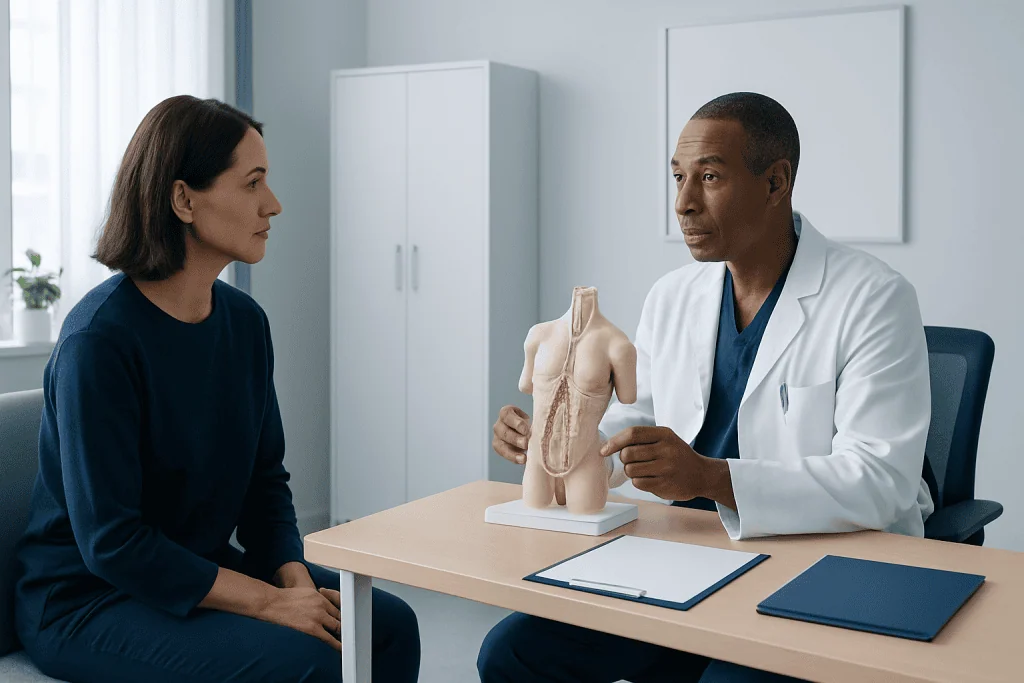
Planning begins with a detailed consultation, physical examination, review of imaging and prior operations, and discussion of goals. The team may order blood tests, photographs for clinical planning, scans, vascular studies, or other assessments. For reconstruction following cancer treatment, timing is coordinated with oncology care so that healing and any further therapy can be managed safely.
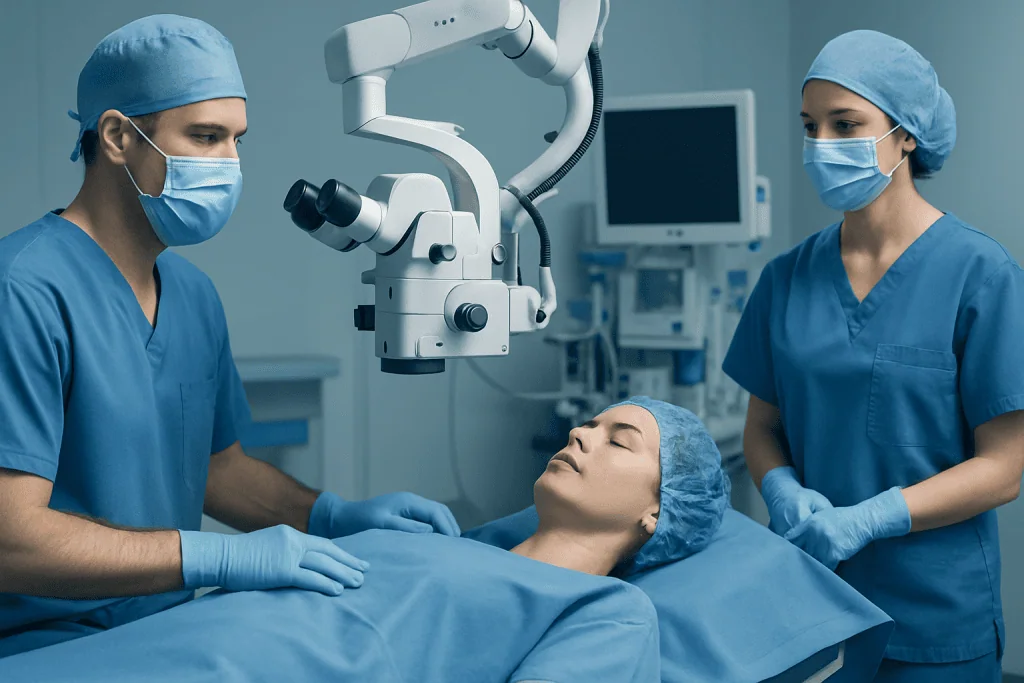
On the day of surgery, anesthesia is selected based on the operation and the person’s health. Some smaller repairs can be done with local anesthesia and sedation, while more complex reconstructions require general anesthesia. During the procedure, the surgeon removes unhealthy tissue if necessary, prepares the area to receive reconstruction, and then repairs or rebuilds it using the planned technique.
When tissue is transferred from another area of the body, the surgeon may reconnect tiny blood vessels under magnification to keep the tissue alive. This is called microsurgical reconstruction. Implants, plates, screws, mesh, grafts, or expanders may be used in selected procedures. Drains may be placed temporarily to remove fluid and support healing.
After surgery, monitoring focuses on comfort, circulation, wound appearance, mobility, and signs of complications. The hospital stay can range from same-day discharge for a minor procedure to several days or longer for complex surgery. The primary treatment pathway may involve plastic and reconstructive surgery, together with specialist rehabilitation and follow-up care.
Recovery Timeline, Benefits, and Possible Risks
Reconstruction recovery time depends on the body area treated and the complexity of the operation. Early recovery generally focuses on pain control, protecting the surgical site, preventing blood clots, and beginning safe movement. Many people need help at home during the first days or weeks, especially after a large operation or when movement restrictions are required.
In the first one to two weeks, swelling, bruising, tiredness, and discomfort are common. Follow-up appointments allow the surgical team to review wound healing, remove drains or sutures when appropriate, and adjust activity guidance. Over the following weeks, people usually increase walking and daily activity gradually. Physiotherapy, occupational therapy, speech therapy, or specialist exercises may be important for restoring function.
Full reconstruction recovery time can extend for months. Scars typically mature slowly, swelling can take time to settle, and sensation may change or recover gradually. Some reconstructions require planned later stages, such as scar revision, nipple reconstruction, implant adjustment, tendon procedures, or refinement of contours. These steps are not necessarily a sign that something has gone wrong; staged care is often part of the original plan.
Potential benefits include wound closure, improved movement or comfort, protection of vital structures, better body symmetry, and improved confidence in daily life. Risks vary by procedure but can include bleeding, infection, fluid collection, delayed healing, scarring, altered sensation, persistent pain, blood clots, tissue or graft loss, implant-related problems, need for further surgery, and anesthesia complications. The surgical team explains risks that are particularly relevant to the individual procedure.
Why Is Day 3 the Hardest After Surgery?
Day 3 after surgery can feel particularly difficult for some people because the effects of anesthesia have fully worn off, inflammation and swelling may be more noticeable, and fatigue can accumulate after disrupted sleep and reduced mobility. This is a common point in the early surgical recovery process, but it is not a universal rule. The experience varies with the procedure, pain-control plan, general health, and whether complications are present.
Following the prescribed pain-management plan, drinking fluids if permitted, eating nourishing foods, taking short walks as advised, and using breathing exercises can support recovery. Rest remains important, but prolonged inactivity may increase stiffness and the risk of blood clots after certain surgeries. Patients should follow their own team’s instructions because restrictions differ after breast, abdominal, limb, facial, or microsurgical reconstruction.
Worsening pain that is not relieved by prescribed medication, rapidly increasing swelling, new fever, shortness of breath, chest pain, confusion, or significant wound bleeding should not be assumed to be a normal day-3 experience. The surgical team should be contacted promptly for advice.
What Are the Top 5 Hardest Surgeries to Recover From?
There is no medically fixed list of the “top 5 hardest surgeries to recover from.” Recovery difficulty depends on the extent of surgery, the body systems involved, complications, a person’s health before surgery, pain, mobility needs, and access to support. A procedure that is manageable for one person may be more demanding for another.
Operations that often involve a longer or more intensive recovery include major heart surgery, organ transplantation, complex brain or spine surgery, major abdominal surgery, and extensive trauma or cancer reconstruction. Large operations involving several body areas, microsurgery, bone reconstruction, or prolonged rehabilitation can also require substantial recovery time and support.
Rather than comparing surgeries, it is more useful to ask the surgeon about expected hospital stay, mobility restrictions, pain management, work and driving guidance, rehabilitation needs, and warning signs. A personalized plan gives a more accurate picture of what recovery may involve than a general ranking.
For people undergoing reconstruction after cancer treatment, supportive care may be coordinated with breast cancer care or other specialty services, depending on the original diagnosis and treatment plan.
Do Breasts Look Good After Reconstruction?
Breast reconstruction can create a breast shape that looks natural in clothing and can help restore body balance after mastectomy or lumpectomy-related changes. However, “good” results are personal and may refer to symmetry, contour, softness, scar appearance, nipple appearance, comfort, or how a person feels in their body. The reconstructed breast will not usually look or feel exactly the same as the original breast.
Results depend on factors such as the type of reconstruction, whether an implant or a person’s own tissue is used, radiation treatment, skin quality, healing, breast size and shape, and whether surgery is performed on the other breast for symmetry. Sensation may be reduced or changed, although some techniques may support sensory nerve repair in selected cases.
It is helpful to discuss photographs of typical outcomes, possible scars, number of stages, likely asymmetry, and the chance of revision surgery with a reconstructive surgeon. Patients considering breast reconstruction can also ask about timing, implant-based and tissue-based options, and whether reconstruction is appropriate alongside their cancer treatment plan.
Is Reconstructive Surgery Serious? When to Seek Medical Care
Reconstructive surgery is serious because it is a medical operation that can involve anesthesia, incisions, wound healing, and, in some cases, complex tissue transfer or implants. At the same time, many reconstructive procedures are performed safely with careful preparation, experienced surgical teams, and structured follow-up. The seriousness of an individual operation depends on its scale, the body part involved, and the person’s health.
Before surgery, patients should seek medical advice about any new illness, fever, skin infection, uncontrolled blood sugar, medication changes, or use of tobacco, nicotine products, supplements, or blood-thinning medicines. These factors can affect anesthesia and healing. Questions about expected recovery, pain relief, scars, and help needed at home are appropriate and encouraged.
After surgery, urgent medical care is needed for trouble breathing, chest pain, fainting, sudden confusion, coughing blood, or symptoms of a severe allergic reaction. The surgical team should be contacted promptly for fever, worsening redness or warmth around the wound, pus-like drainage, rapidly increasing pain or swelling, persistent vomiting, a limb that becomes cold or pale, or a wound that opens. Acibadem International’s multidisciplinary specialists and JCI-accredited hospitals provide reconstructive assessment and treatment planning for international patients.
Regular follow-up is an important part of achieving the best possible result. Patients should avoid comparing their recovery to another person’s and should ask their care team when it is safe to return to work, exercise, driving, sexual activity, travel, and other usual activities.
Frequently asked questions
How long does surgical reconstruction take to heal?
Initial wound healing often takes several weeks, but complete recovery may take months. The timeline depends on the type of reconstruction, the area treated, whether tissue was transferred, and whether rehabilitation or staged procedures are needed. The surgeon can provide a more individualized estimate before surgery.
Can reconstructive surgery be done at the same time as cancer surgery?
Yes, reconstruction can sometimes be performed immediately during the same operation as cancer surgery. In other situations, delayed reconstruction is safer or better suited to the treatment plan, particularly if radiation or additional therapy is expected. The cancer and reconstructive teams can help determine the appropriate timing.
Will reconstructive surgery leave scars?
All operations that involve incisions leave scars, although their visibility and texture vary. Surgeons aim to place incisions thoughtfully and use techniques that support healing. Scars commonly fade and soften over time, but they do not disappear completely.
How painful is reconstruction surgery?
Pain varies according to the procedure and the individual. The care team uses a tailored pain-management plan that may include medication, positioning, activity guidance, and other supportive measures. Pain that suddenly worsens or is not controlled should be reported to the surgical team.
Can smoking affect reconstruction results?
Yes. Smoking and nicotine products can reduce blood flow, impair wound healing, and raise the risk of infection or tissue loss, especially in flap-based reconstruction. Surgeons commonly recommend stopping nicotine well before surgery and throughout recovery.
Will I need rehabilitation after reconstructive surgery?
Many people benefit from rehabilitation, although the type depends on the reconstructed area. Physiotherapy may improve movement and strength, while occupational, speech, or other therapies may be recommended for specific functional goals. Following the rehabilitation plan can be an important part of recovery.
References
- American Society of Plastic Surgeons
- National Cancer Institute
- Mayo Clinic
- World Health Organization
- National Health Service
This article is for general information only and is not a substitute for professional medical advice. Please consult a qualified doctor about your individual situation.
Oncology care in Turkey — second opinion and treatment plan
JCI-accredited · board-certified surgeons · reply within 24h
Add us as a Preferred Source to see more of our trusted health content across Google Search, AI Overviews and Discover.